Final report for FNC24-1422
Project Information
Gina and Joshua Kerr with Whispering Wild Market Farm have been growing professionally for 5 years. They run a successful CSA, vend at several local farmer's markets, deliver and host on-farm sales, and deliver to a variety of wholesale accounts including 6 local schools through the Farm to School program. They participate in SNAP and Farm to Family CSA funded in part through Mi Fitness Foundation. They also participate in Copper Shores Collective CSA which provides 35 food-insecure families with free produce weekly and recently began working with Calumet Community Free Fridge to give food to anyone in need. Recently the local Meals on Wheels program was just awarded $1.2mil to purchase local food and WWMF plan to participate in their needs.
Josh is a "jack-of-all-trades" type. He can fix and build just about anything. Josh will be making final decisions about implements, cost analysis, and will be the guy to hook up and run the machinery on the farm as well as delivering and supporting the other farmers with the implements.
Gina has gardened her whole life. After moving to Michigan in 2017 she went to work regenerating the overworked soil and raising animals (chickens, rabbits, pigs) to supply a large amount of compost to add organic material. She has been solely responsible for starting, planting, maintaining, and harvesting a large variety of crops. As well as marketing, administration, managing labor, and grant writing. Gina will be advising the purchase of implements for usability and production. She'll set schedules and ensure the implements will be on the farms when needed. They have a Kabota L3400 34hp 29hp at pto.
Drew and Allison Cramer own Ghost House Farm and have been farming professionally for 2 years. They focus on early summer crops and year-round salad mix. Drew worked for construction companies, including heavy machinery, and installed solar arrays before becoming a full-time farmer. Allison teaches and works part-time on the farm. Drew will be running the machinery and making decisions for their farm. They have a Kabota 24 hp 20hp at pto.
Ashley and Jake TenHarmsel own North Harvest CSA and Farm and have been market farming for 10 years. They recently purchased a cultivation tractor, but do not have the funds to purchase the implements to maximize production. They have a Kabota 17hp
All participating farms work with all or most of the above-listed programs.
Problem Addressed:
Our little community is rooted in the small, family farm. There is great demand for the produce small farms grow in our area. However, our season is short and our winters are long with 300+ inches of snowfall on average. Farming vegetables here is hard, with only a handful of farmers to meet the demand. Our area is surrounded by water in three directions on the Keweenaw Peninusula with no major freeways or ports. After the pandemic, the demand has only increased, and given rise to many programs to feed those in need and to support local farms. The biggest issue is our ability to produce enough. All of the farms in the area have been working tirelessly to grow their production, but we are meeting the threshold of physical ability. Hiring farm labor is expensive and very difficult to keep folks for more than a few months. To make our farms work, we are moving towards mechanization. Our extension has very limited equipment to use and it is a 2.5 hour drive to retrieve it. We want to demonstrate to the community, the children, and the region that small-scale farming can meet these needs with a shared equipment model.
Our Approach:
The solution to more production in our small community is either a lot more labor (hard to come by and very expensive), more farmers (we encourage any that want to start), or we can mechanize in an environmentally responsible way with farmers we already have, using the land we already own. We purchased and shared expensive tools with the other farmers in our area. We do not need to compete. There are plenty of customers and opportunities for us all. We want to see our farm community grow into the shoes of our market share. Gina Kerr facilitated the equipment schedule and Josh trailered the needed implement to other farms with our flatbed trailer for their use with their tractors. We educated the next generation by hosting farm tours and demonstrating sustainable, low-impact farming using machinery. Presenting the equipment sharing model as outreach to regional farms encouraged the same and similar practices and encouraged our extension to make bigger purchases of equipment to lend.
Research Conclusions:
The funds to purchase tractor implements and the Rohands have enabled us to continue farming and expanding without pain and injury. We increased our knowledge of implements and how to attach and detach the implements in a timely manner. We learned how easy it is to cooperate to get the implements and equipment to each farm. We also got another grant, knowing we could expand the farm by using these implements.
Farmer Adoption:
After 2 seasons using our NCR-SARE grant funded implements and equipment, we successfully expanded our production, doubled our revenue, hired new employees, and healed our bodies. The cohort farms report similar progress.
The solution to more production in our small community is either a lot more labor (hard to come by and very expensive), more farmers (we encourage any that want to start), or we can mechanize in an environmentally responsible way with farmers we already have, using the land we already own. Tractor implementation will allow us to plant large plots of crops such as potatoes, sweet corn, winter squash, onions, and garlic quickly and easily without sacrificing our health and safety. We'll be able to spread compost and amendments without breaking our backs, and plant, weed, and harvest without creating repetitive use injuries. We plan to open up a large fallow field of about 1.5 acres to increase the production of the crops above. This will free up existing garden space for more intensive crops such as lettuce, peas, beans, carrots, greens etc. that will be cultivated using some of the equipment purchased with the grant, but more focused on hand tools and walk-behind equipment as the plots are smaller.
We plan to share these expensive tools with the other farmers in our area. We do not need to compete. There are plenty of customers and opportunities for us all. We want to see our farm community grow into the shoes of our market share. Gina Kerr will facilitate the equipment schedule and Josh will trailer the needed implement to other farms with our flatbed trailer for their use with their tractors. Or, if needed we'll trailer our tractor with the implement for their use. We plan to educate the next generation by hosting farm tours and demonstrating sustainable, low-impact farming using machinery. Presenting the equipment sharing model as outreach to regional farms will encourage the same and similar practices and encourage our extension to make bigger purchases of equipment to lend.
In using this equipment, we intend to demonstrate the effectiveness of small-scale, sustainable farming when hand tools are combined with mechanical equipment. These demonstrations will be offered to the public through farm tours, presentations, social media, and YouTube.
Objectives:
- Purchase tractor implements and equipment.
- Plant 1.5 acres of vegetables.
- Document soil changes/improvement through observation and soil tests.
- Share this equipment with other farmers.
- Meet the needs of our local market share with improved profitability, productivity, and time flexibility while reducing injury, fatigue, and burnout and maintaining a low impact on the land.
- Host farm tours with children from local schools (CAPE program farm tours and the Farm-to-School program).
- Host farm tours to the public through Keweenaw Food Co-op.
- Present the equipment-sharing model to regional farms and extension through a regional food systems conference and in classrooms to children via Farm to School.
Cooperators
- - Producer
- - Producer
Research
The 2024 farming season was a challenging year. We planned to incorporate some of the grant-funded implements to speed up and expand our production, but ordering and receiving the pieces took more time than expected. Then, once the equipment was here, the ground was saturated from days and weeks of rain. We crossed our fingers and got it done, but late. The resulting outcomes reflect the poor weather conditions, the untimely use of the equipment, and the unperceived shortcomings of our existing fencing to keep deer out of the new fields.
We prepped our new field first with the subsoiler. This creates channels to drain the surface water and encourages water to remain in the soil as opposed to draining off; keeping the soil from eroding, and nutrients from leaching. We then used our existing tiller to deal with the sod that hadn't been completely destroyed by overwintered pig livestock. 3 passes with the tiller and then we planted. 1000 bed feet of potatoes, 1000 bed feet of winter squash, and 1000 row feet of corn with sunflowers interplanted between varieties for extra pollination control. We use a method resembling the Ruth Stout method for potatoes, we bury them shallow and cover heavily with compost to make harvest easy. This required the compost spreader that came much later than anticipated (June) and the compost was spread after the potatoes had been growing for some time. This was also due to the heavy rainfall that persisted for 3 weeks in June. However, the previous subsoiling made drainage possible. We were able to cover the potatoes before it was too late, thus the desired effect of keeping sun exposure to a minimum on the developing potatoes was still achieved. After using the undercutter to loosen soil, we easily harvested a crop of approximately 800lbs of new potatoes (to 600lbs of seed potatoes). This is not an impressive yield, but soggy conditions and unexpected deer pressure kept the yield low.
Deer pressure also destroyed the corn, winter squash, and even the sunflower crops, resulting in zero yield. However, we did obtain nuisance tags for the season and will at least be filling the freezers for ourselves and our neighbors with farm-finished venison.
The (2) Rohand IIs were delivered just after spring onion planting, so we couldn't put it to use right away, but eventually it was very successful at getting us off our feet to weed, harvest, and plant garlic. Our young field-hands thought of the machine as more fun than as a physical enabler. They preferred continuing these activities without the new tool as they thought it slowed them down. On the other hand, the older folks relished the ease and lack of aching backs and feet using the Rohand. It did speed up some jobs around the farm, for instance, harvesting 1200 row feet of garlic took approx 2 hours total using the undercutter to loosen the soil and then the rohand to pull up the plants. Compare this to 16 hours using a broadfork (2 hrs per 50' bed) in past years. Then again in the fall planting garlic, the Rohand was invaluable in helping us expand to 2500 row feet planted in 9 hours (simultaneously removing grass roots from the still young field). Being able to do these jobs without suffering pain, and in fact, allowing former injuries to heal without reinjuring is all the justification we need. The Rohand was also used for harvesting bush beans, peas, and spinach with ease.
We have used the forks for the tractor bucket for lifting and moving the materials for our new hoop house, for lifting and moving large tarps, and lifting and moving large round hay bales for the pigs to tear up and help incorporate into the soil as yet another way to add organic material that was not available in past years. Saving backs for days.
These new techniques have enabled Gina to continue working through former injury and reducing the time it takes to do strenuous projects. No more bucket brigade moving compost. We got 100 cubic yards of compost spread on all the plots, hoop houses, and on fall planted garlic for the 2025 season. This has freed up more time to spend with the children and we not only took a trip downstate for a week in June, we spent many days fishing and beach going. Gina's feet are finally healing and no other repetitious injuries have been reported by the cohort farmers.
Sharing these materials with the other farms this year was very relaxed. We worked together to get the equipment to and from. Josh designated a cargo trailer for the second Rohand to go with it to the other farms. They retro-fitted the front end of the Rohand to fit their row size as their tractors did not have a 30" tire spread. This works well as now we have a Rohand with a smaller row width of 24" and one for the 30" standard. They reported enjoying using it for weeding and are grateful to save their backs from injury and ache. They also used the undercutter for potato harvest and were impressed with how easy it was and the time it saved.
We look forward to year 2 of this project. We'll be purchasing the rest of the materials, the power harrow that comes with a weeding attachment, and the PTO powered fence trimmer. We have also obtained a strawberry planter that could also be used for brassica transplants and we'll be adding that and other pieces of equipment to the shared equipment list. The pigs are working on opening up more space in the new field. We reinforced our fencing and are working to thin the local deer herd. We're setting it up for a great 2025 season.
Please view our YouTube video we produced to demonstrate our project so far.
https://youtu.be/KymMYAxrbiU?si=hYrow9eOf3PzT35R
2025 Farming Season
The 2025 farming season started off challenging, but by the fall, it had turned into the most productive, profitable, and prosperous season yet by far. We decided to hire a full-time employee to help us realize our full potential, as our acreage had grown to more than we could manage with just part-time help. This was the most daring and best decision we have ever made for the farm, and it was made possible by this SARE Grant! We paid him 25% more than we have ever paid for labor and sold CSA shares specifically to cover his labor costs. We also hired a half-time worker in August, participated in a small grant for an apprenticeship, which covered the costs to hire a 15-year-old apprentice to help, plus we benefited from our local Derby club coming out and volunteering through our farm network.
We were the recipients of another farm's desire to share their equipment and had the honor of hosting an old potato harvester this season. It needed some work, which we happily rendered and got it up and operational just in time for the main potato harvest. I love that our equipment sharing model is contagious!
We added another farm to our equipment share program, Mother Farmer, located in Ewin, MI. Their farm is unique as it is the farthest from even a modest-sized town in the UP, and they are working with clay soil. They used the sub-soiler to help with drainage in their existing fields and also to help drain the new field they are breaking in. They also used the undercutter to help loosen and aerate both fields, helping them expand their operation.
Ghosthouse Farm has expanded its growing fields to double the acreage. This year, they used the subsoiler to uproot tree stumps that were cut down last fall and to locate and dig up large rocks. They are working on tilling and conditioning the new field, and it will be in production by summer 2026. They also really enjoyed using the power harrow, and it has become a favorite tool among the cohort farmers. They have a small army of crew members, including part-time, volunteers, and work-share members. They're becoming a fine-tuned machine. They also used their crew to erect a log cabin kit to host farm workers and guests. This build inspired us to write a proposal for a farm store using the cabin kit and we won $20,000 Good Food Fund Seed Award toward the build.
North Harvest CSA is fine-tuning their operations; they got a lot of use out of the Rohand II this year. They've hired a full-time employee who is joining our farmer network for a trip to Marbleseed this February. They also used the undercutter and power harrow this year and are loving the results.
The cohort farms, plus other area farmers, sat down with a representative from Big Lakes Organics and sampled some of their lovely compost. We are planning a large order to share in shipping costs. We'll be passing around the compost spreader to each farm as they get their bulk orders spread across their fields. We've used this implement many times in the past 2 seasons at Whispering Wild, but were disappointed that the other farms were not able to order compost to utilize this piece of equipment during this time. We're excited to finally see this used to its full potential.
Whispering Wild had several setbacks in the spring and early summer of 2025. We had complete germination failure in our first succession of direct-seeded crops. Then continued to have germination failures or low germination in peas and green beans throughout the early season. Once we finally got things started growing and planted, we got hit with rain. 4 inches per week for 4 weeks in June and then a final storm in July that dumped 6 inches in 2 hours. It wiped out our driveway and our road in 2 places. We lost up to 50% of some crops due to nutrient run-off, stagnation, soil compression, and the worst was fungus. We lost our entire crop of onions and 60% of our garlic to a fungal disease, which I believe was basal rot. It was a huge hit not only to the crop but also to the time and expense we put into seeding and planting onion starts, sets, and garlic seed. However, some crops that had better drainage thrived. We had a record harvest of potatoes, cabbage, and winter squash. I was hoping for better drainage ability with our treatments of subsoiling, but nothing could have helped keep that much rain from decimating our efforts. We have applied to NRCS for the EQIP grant to purchase caterpillar tunnels, especially for early crops to help warm the soil for better germination and to keep crops from drowning in this pattern of early summer excessive rain.
Gina and Josh were able to keep deer out of the pasture fields where potatoes, onions, garlic, winter squash, and a failed planting of carrots grew, but the deer did manage to break into the main garden again. We reinforced the fencing even higher and even put up a net over a known breech point where we "caught" one of the theives red handed. Hopefully, they learned their lesson.
Gina's plantar fasciitis has completely healed. Our full-time employee reports that his mental health and his gut health (for which he was seeking a diagnosis, but there was no treatment) have been relieved almost completely. He believes both issues were caused by stress from his previous job, and the farm work is exactly what he needed to heal. We are so grateful to be able to offer mentally, physically, and financially wholesome jobs to our community. Our half-time worker lost 20 pounds in 3 months. Both are excited to come back for the 2026 season, and for the first time, we have a stable work crew we can depend on and make plans around. No new injuries reported by cohorts.
Gina and Josh won a $20,000 grant from Michigan Good Food Fund for a farm store, and they are leveraging that money plus savings for a $100,000 grant from MDARD Rural Development Fund to add to the farm store and to build a deep winter greenhouse.
Gina and Josh broke new ground for the 2025 season, but ended up not needing as much field as planned since the germination failures created space. They prepared more fields at the end of the season to continue to expand in 2026.
In all, 2025 was a record-breaking year in many ways. We doubled our produce revenue from $30,000 2024 to $60,000 in 2025. We increased potato production by more than 10 times. Doubled production of green beans despite germination setbacks. Doubled carrot production and increased cabbage and broccoli production by 10 times. We managed to pull a profit from the garlic harvest despite loosing 60% of the crop and had a very successful winter squash crop thanks to the compost spreader creating hills to plant.
We had planned to host children's groups from CAPE and Farm to School; unfortunately, both fell through at the last minute. In 2024, we partnered with CAPE (Community Alliance for Progressive Education) to host a farm tour for up to 25 kids. This was well planned for several weeks. We attended meetings with other farms at CAPE to design a day tour with activities and work out the facilitation requirements, such as a porta-potty and bus transportation. They even had their employee come a few days before the tour was scheduled to help clean up and prepare the activities. The day before we were scheduled to host the tour, we got word that no one signed up. This had been true for another farm whose tour was supposed to happen a month earlier and was cancelled for the same reason. We inquired with CAPE, and it was determined after many weeks of not hearing anything that it was a software malfunction, and they scrapped the program. We did not hear anything after that about trying again.
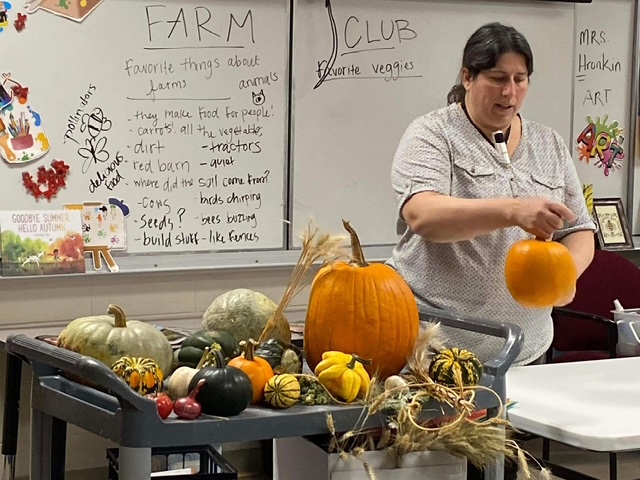
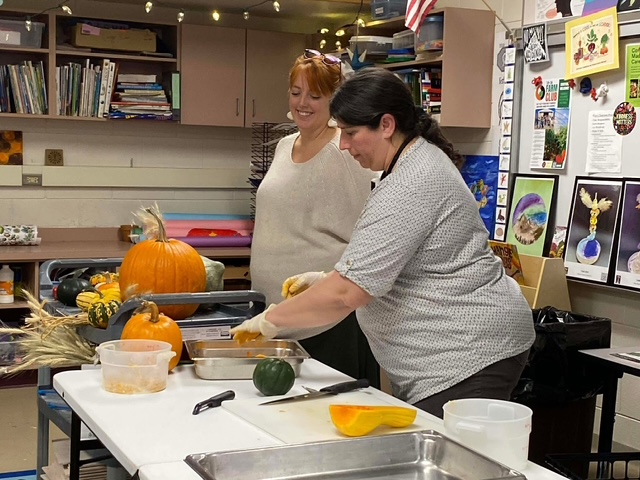
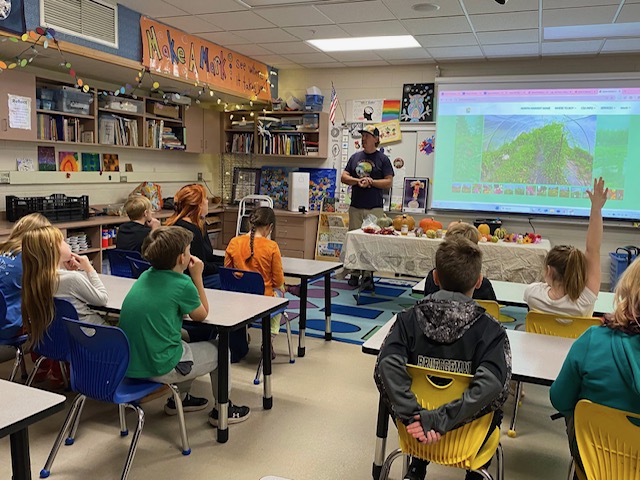
In 2025, we partnered with the Farm to School group at the Hougthon Elementary School, where we regularly present to the 4th graders each year. They started a "Farm Club" that meets monthly and incorporates farm tours into the lessons. They had successfully had a tour at one of our cohort farms, GhostHouse Farm, and it went well, hosting 25 kids and their adults for a tour and demonstration of some of the equipment. Whispering Wild planned a day tour with 3 activities for a group of up to 50 students/adults split into 3 groups. We had all of my farmhands scheduled to help manage the kids and facilitate a nice tour. It was the end of the day, the day before the tour was sceduled that we got a call from the contact person that the person who "signs the checks" decided to cancel the trip. This call came in AS THE PORTA-POTTY WAS BEING DELIVERED on our farm! I had to turn the delivery guy away since I wasn't sure if we would be able to reschedule. The reason this person gave for canceling was that... she "didn't think the kids would be interested in a 3-hour farm tour"... We were not happy.
However, we happily received many children on the farm through the Keweenaw Farm Tours in September 2024 and 2025, as well as random children coming to the farm with their families for a tour. We stopped everything to show them around and highlight the implements and equipment. They got to ride on the Rohand II, see the power harrow in action, and we had a fascinating conversation with a young boy about the solar-powered electronics of the Rohand. We estimate 30-40 children over the 2 seasons. We also presented at the Houghton Farm Club in November, highlighting the SARE grant, implements, equipment, and results we got from shifting to tractor cultivation. We had some very interesting questions, including what our yearly income was. I was hesitant to reveal because of the incredible amounts of investment we've had to make to get to this point. But also, wanted to show the kids that with hard work and determination, farming is a viable career.
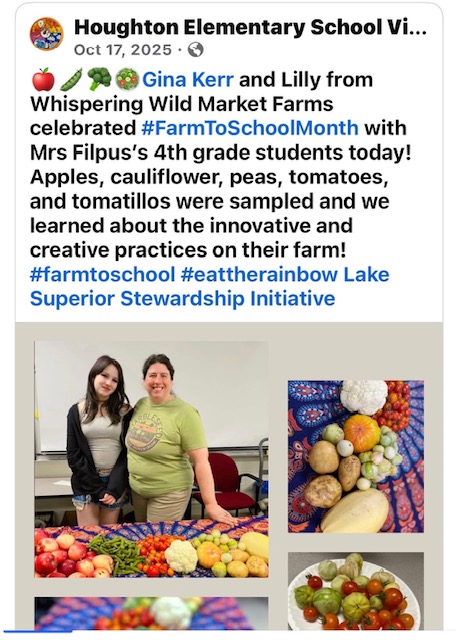
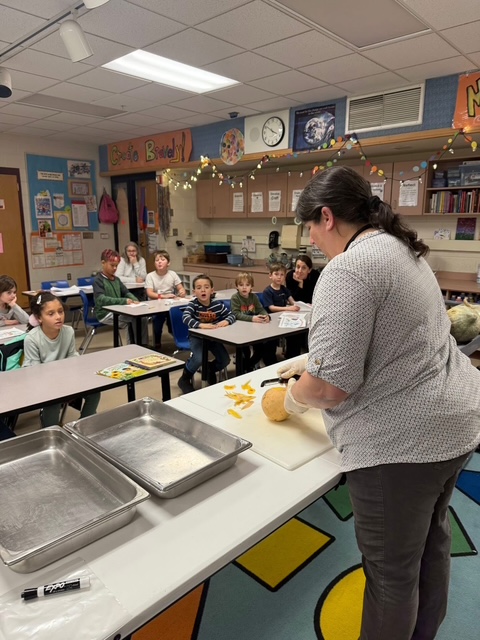
Please see the following videos. These videos were shared to social media, including YouTube, Facebook, and Instagram, to such specific groups such as "Market Garden Success Group", "Beginners Market Garden", and "Beginning Farmer Network Group".
We Tested a Rohand II Picking Assistant on Our Market Farm
Low-Impact Tractor Cultivation: Featuring the Power Harrow
Regenerative Farming Equipment Doubled Our Production
- We have purchased the Compost Spreader, subsoiler, undercutter, pallet forks, and the 2 Rohand IIs, the power harrow, and the fence trimmer.
- Year 1, we planted approximately half an acre of new garden outlined in the first photo. The second photo outlines 1.6 acres that will be in production in 2025. In 2025, we planted 1.2 acres of new field space and more than .3 acres in the main garden space freed up by early germination failures for cabbage and broccoli crops that would have been planted in the .4 acres of field space. We did this because we wanted to keep the garden space growing, and it gave us more time to prep the field and rid it of sod that would have impeded growth. We were able to plant this space in cover crop in the fall of 2025 to boost nitrogen and organic matter without introducing more phosphorus.
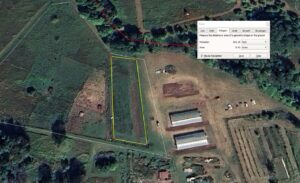
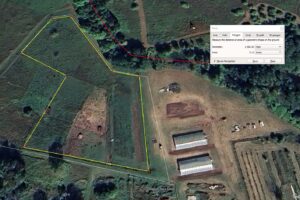


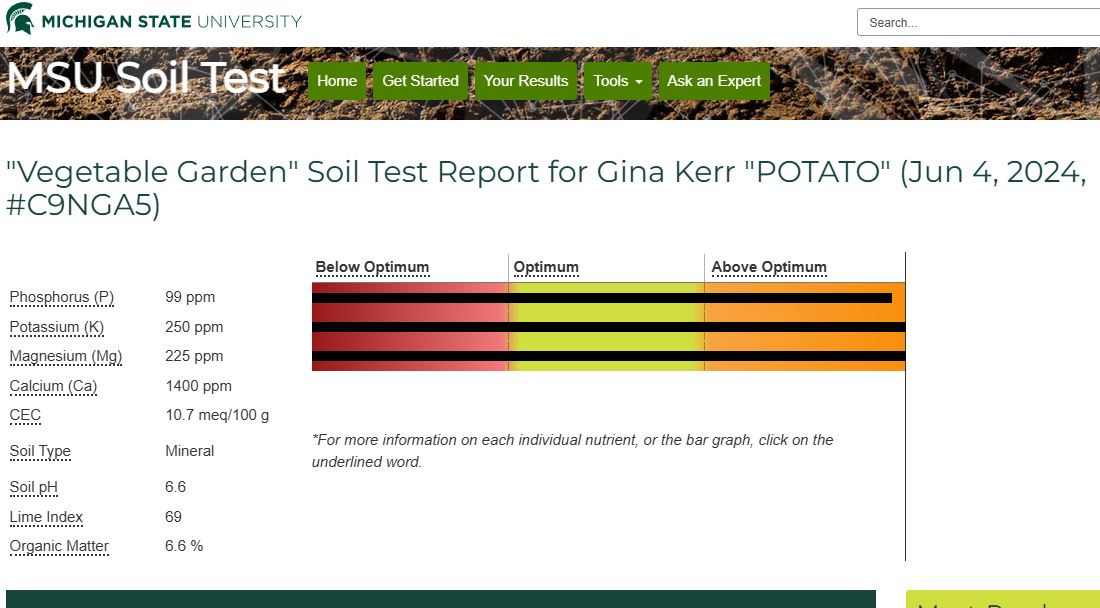
Year 1 Soil Testing resulted in Higher than needed Potassium and Phosphorus. We tilled in the compost from the potato field and added a top layer as that is where the garlic is now planted.
Year 2 - Soil testing resulted in high phosphorus, but potassium leveled out. Organic material is right in range at 4.8% and pH is 5.8-6.8. 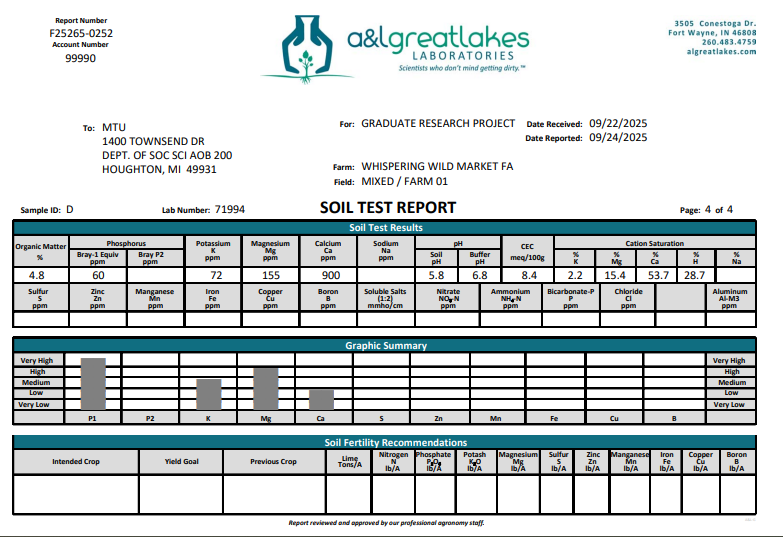
We also observed improved soil quality, friability, and aggregate quality. The Power Harrow, specifically, was instrumental in this improvement. It tillthed the soil without pulverizing the aggregate and left a perfect seedbed. We could control the depth; deep tillthing for carrots or potatoes, and shallow tillthing to incorporate soil amendments and compost into the top 2-3 inches.
Potatoes - 2024- Planted 600lbs, doubled the planting from 2023 - Yield 800lbs (about the same yield as 2023) with an income of $2100 for both years. Hours to plant, compost, and harvest were dramatically less in 2024. 2023 - appx 50 labor hours for 450 bed feet for a profit of $1390. 2024 - appx 21 labor hours for 900 bed feet for a profit of $1390. Income, minus paid labor, minus the cost of seed potatoes, equals profit.
2025 - Planted 1500lbs, double row beds, over 2400 bed feet. Covered with compost using the compost spreader. Yield 4500lbs for an income of $9000. 60 hours of labor for a profit of $7050. We lost about 30% of the crop due to sun damage, we believe, because of heavy rain eroding soil and compost from the top of the beds. The plants grew to an impressive 4 feet in height, had an incredible bloom cycle, and showed zero signs of Colorado Potato Beetle. The best crop of potatoes we've ever grown by far, which we attribute to the improved quality of the soil.
in 2025, we were able to share a potato harvester from another farm, which cut harvest time considerably. In 2026, we intend to plant the same amount using single row placement and to hill the plants, as that is the best method for using the potato harvester efficiently.
Garlic - 2023 - appx 35 labor hours for 1200 row feet with an income of $2600 plus $400 worth of saved seed for a profit of $2250.
2024 - 14 hrs labor for 1200 row feet with an income of $2600 plus $900 worth of saved seed for a profit of $2418
2025 - 15 hrs labor for 2500 row feet planted, 60% failure due to basal rot/excessive rain, income of $2525 for a profit of $2225. We repurchased garlic seed for 2026 due to persistent fungal disease.
Winter squash - 2024 - 0 yield. Failure due to deer pressure.
2025 - 37 hours of labor (30 hours of weeding by new teen apprentices, grant-funded), 600 bed feet planted, with an income of $1200 and a profit of $1060.
Corn - 2024 - 0 yield. Failure due to deer pressure
2025 - 0 yield due to being unable to plant. We were not able to get to this task before heavy rain saturated the field, and by the time it dried out enough, it was far past planting season for corn.
Onions - due to start in 2025
2025 - 57 hours of labor, 4000 row feet planted. Almost 100% failure due to basal rot/excessive rain and being overrun with weeds that got to 5' tall. $150 income for a loss of -$1310.
Other crops worth mentioning:
Cabbage 10 times the income, Broccoli 10 times the income, Lettuce 4 times the income, Radish 3 times the income, Carrots 2 times the income.
Gina's plantar fasciitis has completely healed as of July 2025. The implements and especially the Rohand II, plus the hiring of a full-time farm hand has been the key to overcoming this persistent overuse injury. All cohorts report no new injuries in 2024 and 2025.
2024-The implements and equipment allowed for increased time spent with family and downtime. Our limited labor resources were not strained, and for the first time, we were able to keep up with the to-do list and get everything done on time, even with the expansion projects.
2025- The implements and our full-time farm hand have allowed for increased time spent with family, including a week-long summer vacation in August! We spent many days fishing and at the beach. Gina was also able to maintain the minimal one day a week responsibilities of an off-farm job to be able to work part-time off-season.
Educational & Outreach Activities
Participation summary:
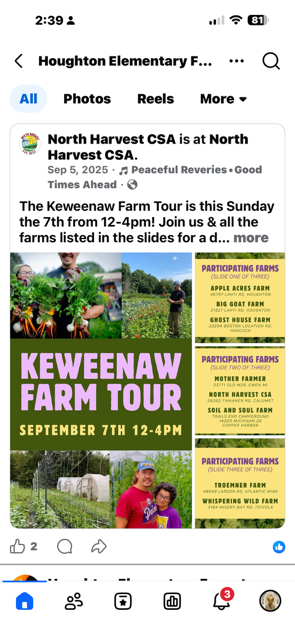
Year 1- All cohort farms/farmers participated in our Keweenaw Farm Tour. We had approximately 75 attendees. We hosted demonstrations of the subsoiler and Rohand IIs. We also explained how the compost spreader functioned and how much time and effort it saved us. We also explained the undercutter for helping in harvesting. We hosted our Farm to School Coordinator and one of our local ranchers, amongst many local food supporters and their children.
All cohort Farms/farmers participated in the Farm to School presentations to 4th grade classes (approx 25 students each) where we explained the use of the new tools and played a video demonstrating each tool and how we use it.
The cohorts have published several short videos demonstrating the new tools and how we use them. Josh will be compiling media this winter to create a YouTube video that summarizes our Year 1 outcomes with the new tools.
Year 2 : All cohort farms/farmers participated in the Keweenaw Farm tour again. We had approximately 60 attendees. We hosted demonstrations featuring the new Power Harrow, compost spreader, and Rohand II. We were able to give a step-by-step walk-through of bed prep using the new implements and highlighted the need for turnaround space accommodations in field planning. We also reviewed the pros and cons of the Rohand II. The kids really enjoyed the Rohand. We let them test it out, and one kid engaged in a lengthy discussion about the electronics involved.
All cohort farms participated in the Farm to School presentations to the 4th-grade classes again this year. We showed the video of the implements and how they help us farm. The kids loved the video and had some great questions for us about the business aspect of farming.
All cohort farms participated in Farm Club presentations in 2025, where we highlighted one or more aspects of farming, food, and the business of being a farmer. We featured the implements, SARE grant activities, and outcomes.
We have released 4 YouTube videos ranging in topics from an overview of the implements to in-depth discussions about the uses, pros, and cons of each piece. These were uploaded to social media groups such as Facebook's "North Central Region SARE", "MSU Extension Upper Peninsula", "Market Gardening Success Group," and "Market Gardening for Beginners," quickly gaining views and questions about the implements and the grant-writing process. We answered these as best we could and even helped a farmer with some specs as he was in the process of building a homemade version of the Rohand.
All cohort farms have released short videos and pictures of the implements being used on their farms and the resulting crops, gaining hundreds and sometimes thousands of views.
It was the intention to present the results of this project at a regional convention; however, the expected convention (Western UP Food Systems Collaborative Regional Convention) did not happen in 2025. We have emailed the results and videos we created to WUPFSC to share to their list serve and/or social media, as well as MSU Extension (as we hoped to reach them at the convention), and Marbleseed to hopefully have them share with their list serve or social media to present these findings to as many regional farms as possible. I believe this will have an even larger impact than originally anticipated.
Learning Outcomes
The funds to purchase tractor implements and the Rohands have enabled us to continue farming and expanding without pain and injury. We learned how to make rows we can cultivate with the tractor and use the Rohand to plant, weed, and harvest. We increased our knowledge of implements and how to attach and detach the implements in a timely manner. We gained valuable time using the tractor/compost spreader to move compost. We also got another grant, knowing we could expand the farm by using these implements. The cohort farm, Ghost House, learned how to re-engineer the front end of the Rohand to fit their isle spacing. We learned how easy it is to cooperate to get the implements and equipment to each farm. We decided a formal agreement would be unnecessary at this time unless we made the equipment sharing into a non-profit business for the purposes of continuing to grow the implements offered by way of grant writing. We would need a large equipment shed before we could make these arrangements. In 2025, we had a similar informal agreement with the cohorts. They played a larger role in moving the implements and equipment around to their farms, as they are very close geographically.
Our identified barrier was Josh's time. He is the mechanic and tractor operator on our farm. We overcame this barrier by thinking ahead and prioritizing tractor work on days/hours he had available. Also, once the implements were attached, Gina was able to use the tractor for field work. Drew was instrumental in reworking the Rohand for narrower beds and only consulted with Josh for specs and ideas. In 2025, with the hiring of a full-time farm hand, this barrier was further overcome. Our farm hand is very knowledgeable with small engines and heavy equipment. He had no problem stepping in to hook up implements, run the tractor, and fix or maintain the equipment as needed.
The advantages of this project have been a renewed sense of hope. Healing injuries and preventing new injuries, as well as speeding up our production, has given us hope that we will be able to continue farming for years to come and provide for our community and our families. Expanding the farm while also having more time to spend with our kids. Time and energy to cook real meals, earlier evenings, beach/fishing days, and summer vacation (the first in 8 years) have all been a blessing to us because of this project. Shifting to tractor cultivation has given us the courage to step beyond our comfort zone to explore the limits of our local market share.
The only disadvantage in 2024 I can think of is that we had to hold back on offering the implements and Rohand to other farmers outside of the project to be sure we had them available to meet the needs of the grant. Now that we have a season under our belt, we can make predictions and a loose schedule to open the equipment sharing to more area farms, which is the ultimate goal.
In 2025, we were able to share the subsoiler and undercutter with a farm outside of our cohort. Mother Farmer is south of us near Ewen, MI, and is in the process of expanding their operation. We hope they can use more of the equipment to make the process easier. We are also working with our newly formed farmer network, named From The Ground Grower Network, to purchase bulk compost, and offering the compost spreader is key to this cooperative benefit. Another farm in our area, Boersma Family Roots in Calumet, MI, arguably the largest small farm in the area, made the leap to purchase a tractor and an undercutter after seeing the benefits of these implements on the cohort farms. We look forward to sharing these implements with them as they explore the capabilities of their new tractor.
If asked for a recommendation..
The Rohand is invaluable if you have physical limitations. It may not speed up a young/abled person doing the same job on foot, unless the job is very long. These machines are fragile and, unfortunately, were damaged during shipping. We worked with the distributor (and manufacturer) to rethink how they shipped the items to keep them from being damaged. I would recommend asking about how they are shipped. We believe they should be fully enclosed in a crate.
We recommend bed prepping with the subsoiler, undercutter, and power harrow for a nice seed bed. Tilling first if one is breaking sod or using the weeding tines on the power harrow, and using compost either before power harrowing if incorporating, or after if using as a mulch. *see YouTube video "Low-Impact Tractor Cultivation: Featuring the Power Harrow".
If one is wondering which implements to purchase first, we recommend the undercutter and the power harrow with the weeding attachment. These 2 implements give the best soil quality and time savings for harvest and bed prep. These 2 implements are about a $6000 purchase and are a reasonable investment for an experienced small farmer looking to shift to tractor cultivation and do not require large turnaround spaces. Continue adding implements each year.
We recommend the Compost spreader and Rohand IIs for farms with larger fields, as these pieces require a large turnaround space on either side of the planting area.
We recommend thinking about adding a weed cultivator. We believed the power harrow came with a weeding attachment that would be able to accommodate planted beds. This is not the case. The "weeding attachment" they sell as an add-on is just different-shaped harrow tines that would be good for breaking up sod. We are planning to repurpose an old tractor rake to try to introduce tractor weed cultivation in 2026, as this was a serious oversight with the expansion of the fields.
Project Outcomes
This project has helped our farming community collaborate into a formal network of 7+ farms. We meet regularly and are currently in the process of writing grants that would help the network as a whole, including the Last Food Mile grant to obtain a refrigerated truck or trailer to be able to pick up and deliver wholesale orders from area farmers to area institutions, restaurants, and grocers. Also, the Regenerative Farmer Network Grant to gain knowledge from each other's regenerative practises. We also plan to go in together on a large compost and fertilizer order to be able to share in the shipping costs. We plan to share the Compost Spreader to each farm to distribute those amendments.
Ghost House Farm has been able to double its field space with this equipment doing a lot of the heavy lifting. They are confident with the use of the power harrow, compost spreader, and Rohand that they will be able to handle the extra workload and increase their productivity by double.
Whispering Wild and NorthHarvest have been able to hire full-time employees. The implements cut labor costs and allow employees to be much more productive, in turn making their work that much more valuable, so paying them a living wage is profitable to the farmer.
All Cohort farms have reported increasing sales to their wholesale accounts, including Meals on Wheels, schools, and the local natural grocer. Whispering Wild added a new elementary school, 2 new restaurants, and a new weekly farmer's market to their season. They also added a new project titled "Feeding Friends Fund" as a way to receive donations. They match donations by 25% and distribute produce, meat, and eggs to individuals in need and food pantries around the Keweenaw to support food-insecure folks. This project, along with their participation with Farm to Families CSA (SNAP Shares), has earned them a nomination for "Community Contributor of the Year" from Keweenaw Community SparkPlug Awards.
We are interested in continuing to expand our shared implementations. We are currently looking into a potato planter, strawberry/starts planter, and shared pick up/delivery for wholesale orders in the area. As well as shared labor.
We would advise farms looking to add similar implements to be able to shift to tractor cultivation to start with the undercutter and power harrow. These two implements have been the biggest time savers, made the biggest impact on productivity, and have made the most impact on improving soil quality. It was asked by one of the grant reviewers how a farm could purchase these implements without the aid of a SARE grant. My answer would be to start with these two implements. This is about a $6000 investment. We recommend selling CSA shares at the beginning of the season to afford a large purchase like this. $6000 is a 15-member CSA at $400 price point. Very viable for a beginner farmer who has some growing experience. From there, assess the needs and each year use CSA funds to purchase another implement they deem most valuable or useful.
Though we did reference formal paperwork in our proposal, we never felt the need to write up any legal paperwork. Mostly because we did not have time or mental bandwidth to wrestle with the lengthy amounts of legalese of the documents, but also because we naturally desired to cooperate and help each other. We felt the paperwork would interfere with the natural flow of camaraderie we brought to the cohort. It was understood that we may or may not have an implement at the perfect time, and if we weren't willing to spend the time to fetch the implement or the trailer needed to transport, then we were out of luck in using the implement.