Progress report for FNC25-1466
Project Information
The project is carried out by Phimmasone Kym Owens, the founder and Executive Director of Refugee Garden Initiatives. A resilient advocate for refugee empowerment, Phimmasone's journey from escaping war-torn Laos to becoming a graduate with honors from the University of Michigan shapes her unwavering commitment to supporting refugees. As a single mother of three, Phimmasone's early experiences in refugee camps, where she faced homelessness and starvation, laid the foundation for her advocacy for food justice and refugee rights.
Her dedication to addressing the unique needs of refugee communities led to the creation of Refugee Garden Initiatives, which blend agriculture with empowerment programs. Phimmasone's leadership ensures the success of the farm program, which focuses on cultivating culturally appropriate foods that connect refugees to their heritage. This program not only addresses food insecurity but also fosters a sense of pride and self-sufficiency. Additionally, the empowerment program equips refugee women with essential life and entrepreneurial skills, creating pathways for economic independence and leadership within their communities.
Phimmasone is a true representation of the refugee experience, and her shared journey forms a connection and trust with the constituents RGI serves. Beyond her role at Refugee Garden Initiatives, Phimmasone advocates for AAPI and refugee rights at local and state levels. Her ongoing studies as a Master of Social Work candidate in the Global Scholars Program reflect her commitment to continuous growth and advocacy. Phimmasone actively works to reshape the narrative of refugee women's experiences, highlighting their stories through her website, which features refugee-authored books and recipes.
Phimmasone's leadership goes beyond overseeing the organization's programming; she is a catalyst for change, challenging systemic barriers and providing opportunities for refugee women to thrive. Her work has been recognized in numerous media outlets, including magazines, newspapers, and PBS. In her spare time, Phimmasone enjoys mindful meditation, cooking, watching documentaries, camping, and finding peace in nature. Through Refugee Garden Initiatives, she continues to empower refugees, especially women, reshaping both their futures and the broader community's understanding of their experiences.
The research problem addresses the pervasive social isolation and loneliness experienced by refugee, immigrant, and new American women, particularly mothers, in their new environments. These women often find themselves disconnected from familiar support systems and cultural networks due to language barriers and socioeconomic limitations, exacerbating feelings of aloneness and disconnection. The COVID-19 pandemic has intensified these struggles, further limiting social opportunities for mothers and their children who do not attend childcare.
To tackle these complex challenges, the initiative builds upon the plan outlined in the funded NCR-SARE project by The Motherland Gardens Community Project in Springfield, IL. The Refugee Healing Garden, as part of the larger Farm Program, aims to provide a comprehensive, community-based intervention. This space is designed to foster social connectedness and a sense of belonging among migrant populations. Beyond contributing to the economic well-being of the participants through agricultural activities, the garden serves as a place for meditation, socialization, and the promotion of positive mental health that comes with community engagement.
Solution:
To address the social isolation and loneliness experienced by refugees, immigrants, and new American women, the Refugee Healing Garden will serve as a community-based educational and demonstration project centered around sustainable agriculture practices. The garden will be an inclusive space where participants can learn, share, and practice sustainable farming techniques while fostering social connections and mental well-being.
Teaching Methods and Materials:
-
Workshops and Hands-On Training: Regular workshops will be conducted on topics such as organic farming, composting, water conservation, and pest management. These sessions will be interactive, allowing participants to engage directly with the soil and plants. Visual aids, translated materials, and demonstration plots will enhance understanding across language barriers.
-
Peer Mentorship: Experienced gardeners within the community will mentor newcomers, promoting knowledge exchange and cultural sharing. This peer-to-peer approach empowers participants and builds a supportive network.
-
Community Events: Seasonal festivals and harvest celebrations will be organized to bring families together, recognize cultural traditions, and foster a sense of belonging.
-
Child-Friendly Activities: The garden will have designated areas for children's activities, integrating educational play with gardening lessons to include mothers with young children.
- Quiet Hours: There will be designated women-only quiet hours, during which women who have modesty requirements can feel safe praying, meditating, and reflecting.
Sustainable Agriculture Practices Demonstrated:
-
Organic Farming Techniques: The garden emphasizes organic methods, such as crop rotation, intercropping, and the use of natural pest repellents.
-
Composting: Participants will learn to recycle organic waste into nutrient-rich compost, reducing waste and improving soil health.
-
Water Conservation: Implementing drip irrigation systems and rainwater harvesting will teach efficient water use, which is crucial for sustainable agriculture.
-
Biodiversity Enhancement: Planting a variety of crops and native plants will promote biodiversity, beneficial insects, and ecosystem resilience.
-
Seed Saving: Educating on seed-saving techniques will preserve heirloom varieties and reduce dependence on purchased seeds.
Materials and Methods:
- Garden Plots: The land will be divided into individual and communal plots, allowing for personal cultivation and collective projects.
- Tools and Resources: Providing essential gardening tools, seeds, and organic materials ensures accessibility for all participants.
- Multilingual Support: Translators and multilingual signage will be used to overcome language barriers.
- Collaborations: Partnering with local agricultural experts, mental health professionals, and community organizations will enhance the resources and support available.
By engaging participants in sustainable agriculture, the project not only teaches valuable skills but also creates a shared purpose and community identity. Physical activity and connection with nature have therapeutic benefits, supporting mental health and well-being.
Objectives:
-
Establish the Refugee Healing Garden: Within six months, create an inclusive, sustainable garden space accessible to refugee and immigrant women and their families.
-
Educate on Sustainable Practices: Conduct at least 12 workshops over 23 months, teaching organic farming, composting, water conservation, and other sustainable techniques.
-
Foster Community Engagement: Organize quarterly community events and facilitate peer mentorship programs to build social connections and reduce isolation.
-
Promote Mental Well-being: Integrate wellness activities such as meditation sessions and provide access to mental health resources within the garden setting.
-
Evaluate and Share Outcomes: Monitor participation and gather feedback to assess the project's impact. Share the results with stakeholders and refine the program accordingly.
Research
What we have done:
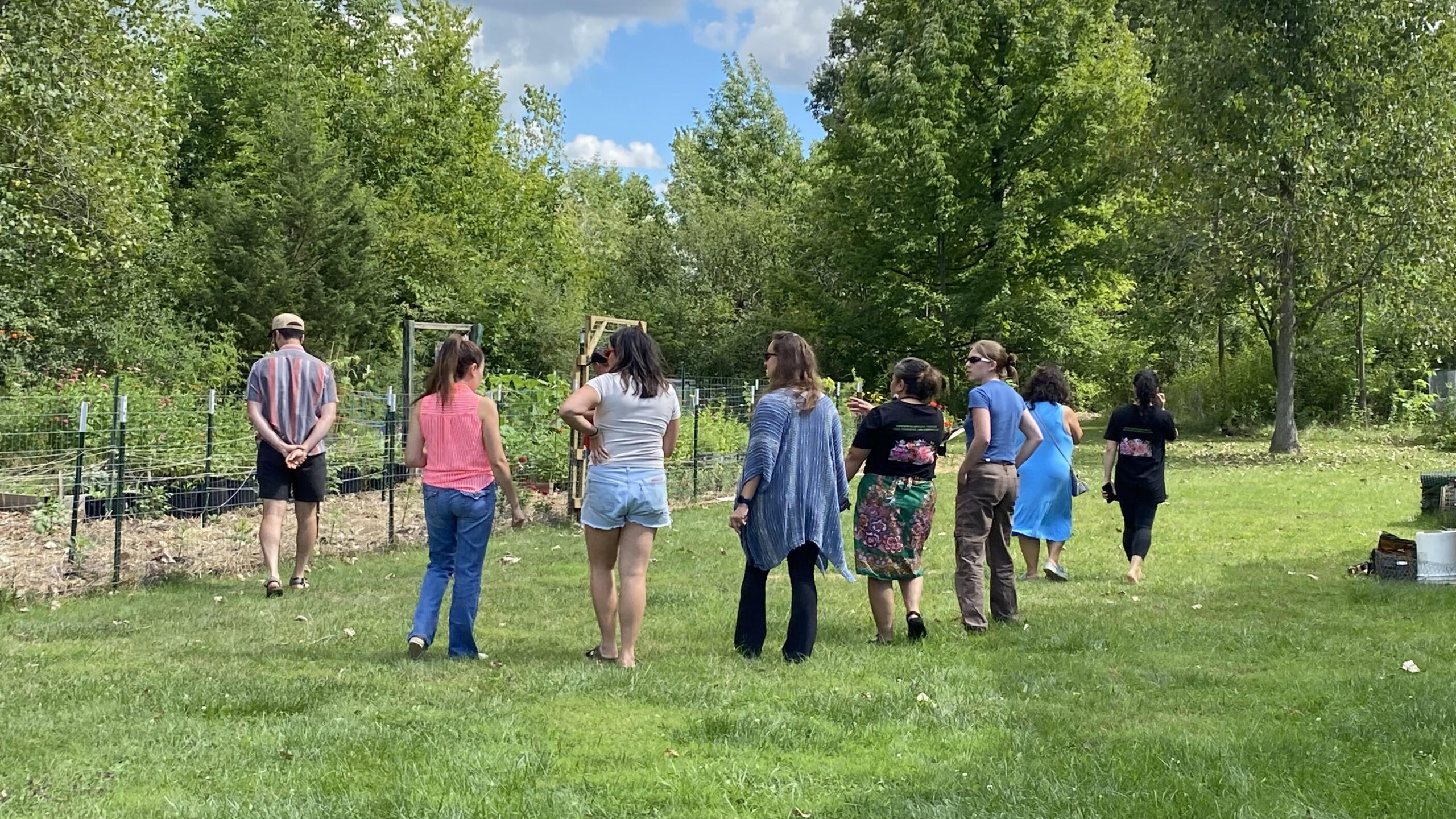
• We piloted the healing garden programming this season using existing garden space and supplemental community funding. Sessions were focused on grounding, cultural connection, storytelling, and wellness practices. We used SARE grant funds to support personnel time for the sessions. A Florist/Interpreter, a Therapist, a Yoga Instructor, and a Dietician who facilitated wellness and cultural healing programming in the garden space
• In addition to refugee women and families, we also welcomed international university students who joined as volunteers and participants. Many shared that the space provided emotional support, connection, and relief from isolation — which was a meaningful and unexpected positive outcome.
How we are using supplies:
• The SARE supply funds are being intentionally reserved to expand and strengthen the garden infrastructure for the next growing season. The initial pilot season helped us understand what participants responded to most, and we will build out the larger garden beds, seating, and planting areas in spring when materials can be purchased and installed at the appropriate seasonal time.
What’s next:
• Once the next SARE disbursement is received, we will complete the remaining farm manager compensation for coordination and begin preparing for spring bed construction and planting.
• We will continue seasonal programming with the wellness team as the garden expands.


Educational & Outreach Activities
Participation summary:
How many folks are engaging:
• A consistent core group has been participating, with additional students joining regularly as volunteers.