Progress report for FNC25-1477
Project Information
I am a skilled urban and small scale farmer who has only worked with hand tools to complete all essential work that comes with farming with regenerative organic practices. My experience includes being a youth garden intern at a community garden in 2017, a farm hand at IU Bloomington’s campus farm, an apprentice at a local urban farm in Indianapolis and volunteering and visiting various farms and community gardens.
In 2024, I was able to obtain land with the help of the USDA to start my own urban farm. I decided I was ready for this great venture and I knew I wanted to grow a more diverse range of crops when I noticed the lack of diversity of crops that were present at farmer’s markets and the farms I helped grow at. Vegetables and herbs I grew up eating were not accessible to me at farmer’s markets which limited my ability to support my local farmer. In September 2024, I made a trip out to New York, due to the lack of farms growing Asian crops in Indiana, where I visited three (3) Asian-owned and women-led farms that focused on growing East Asian crops to improve food sovereignty in New York.
From there, my passion for farming was fueled even more. In July 2024, my husband and I moved into our home in Beech Grove, Indiana that sits on a little over an acre with a pole barn and shed. There is a peach tree and apple tree on the property, but the rest is grass. In October 2024, I put tarp down on a third of the property and plan to develop .75 acres in the future.
This coming Spring 2025, I plan to grow a variety of crops that are cross-cultural for immigrant and refugee families in Indianapolis. As a daughter of immigrants and a wife to a refugee, I understand the hardship of leaving home and starting anew. Immigrant and refugee families in Indianapolis usually do not have the luxury of shopping at a farmer’s market, stopping to think about the food system or have the economic privilege to help support local businesses. For these reasons, I want to help educate these communities on the importance of participating in local food systems, the health benefits of local produce and the ability to grow their own produce at home.
If you were to search Indianapolis on the USDA Food Access Research Atlas interactive guide, you would see about 40% of Indianapolis bathed in green. The green represents low income residents who live more than 1 mile from the nearest supermarket. Because most Indianapolis residents live in food deserts, imagine the struggle for low-income, immigrant and refugee families to find locally grown, nutrient-dense and culturally relevant produce.
In the agricultural world, there is a lack of crop diversity and producer diversity. The 2022 USDA census reported that Asian producers made up 0.8% of 3.4 million producers across the country. The lack of Asian representation in agricultural fields may cause limited nutrition education, food system education, and professional and personal aspirations in Asian households.
The core issue I’d like to address is the lack of access for immigrant and refugee families to locate locally grown, nutrient-dense and culturally relevant produce in Indianapolis. Along with this, I’d like to address the lack of diversity in crops, the lack of diversity in farmers, community well-being and food system education in Indianapolis.
My solution is a combined research and education project. The crops that I would like to grow for this research project include Japanese sweet potatoes, turmeric and ginger, all heat-loving crops. These 3 crops are widely used across cultures and are crops you do not tend to see at farmer’s markets in Indianapolis. This research project will incorporate the use of growing the three mentioned crops in raised beds, raised beds with a plastic hoop attachment and a polytunnel to find the most practical way of growing each crop. I will use 6 raised beds in total with 3 of the raised beds having the hoop attachment along with a 20 x 10 ft polytunnel divided into 3 rows (20x2.5ft). In the first season of growing, each crop will grow in 2 raised beds (1 with hoop attachment, 1 without) and (1) 20 x 2.5 ft row in the polytunnel. Throughout the growing season, I will measure each crop's progress in each setting by documenting the crops yields, the time it takes to produce a mature fruit and provide pictures each week of its progress. The purpose of finding the best growing practice for these crops is to share with community these sustainable practices and empower them to replicate these practices at home.
With the education piece of this project, I plan to invite members of immigrant and refugee families to visit my urban farm with three different field days. The first field day will be at the beginning of the season where I will demonstrate how to build raised beds along with the hoop attachment and build the polytunnel with the volunteers. After that, I will demonstrate how to plant each crop and how to care for it throughout the season. Once the infrastructure is built and the crops are planted, we will have an informative luncheon where I will talk about my mission of the farm, describe the project and why supporting local food systems is important. Then, everyone will leave with handouts of how to build their own beds and polytunnel, where to source materials and where to place them in their home or backyard, informational care on each crop and where to source seeds/slips. In the middle of the season, I will invite the same and new volunteers back to the farm to check on each crop’s progress, have a discussion luncheon of what I have encountered with each growing technique and demonstrate mid-season care techniques for each crop. At the time of harvest for each crop, the last field day will occur and I will demonstrate how to harvest, cure and store the crops for volunteers and they will get a chance to harvest produce themselves and take some home along with a handout of how to cure and store the crops in their home. Then a discussion luncheonof which growing technique was most successful for each crop will occur along with a conversation of how to cook the crops.
In the second growing season, I will repeat this research method and education techniques with different varieties of the sweet potato, ginger and turmeric.
Objectives:
- Examine the effectiveness of growing in raised beds, raised beds with hoop attachments and a polytunnel for 3 different root vegetables plus 2 different varieties of each.
- Increase food access for immigrant and refugee populations to culturally relevant produce
- Empower the community to grow their own food and explore self-sufficiency
- Educate immigrant and refugee families on careers in agriculture
- Grow diversity in the local food system of Indianapolis
- Increase immigrant and refugee people’s participation in the local food system
Cooperators
- - Producer
Research
I decided to focus on growing ginger, turmeric and sweet potatoes because they are rhizomes and vegetables that I do not have experience with and do not typically see ginger, turmeric or sweet potatoes sold at local farmer's markets. I also wanted to focus on crops that immigrant and refugee populations in Indianapolis typically use in their cooking, so that I could provide them with the best growing practices for these crops that they can mimic in their own garden.
Since ginger and turmeric are heat-loving and humid-loving plants, I reasoned that they would need some sort of infrastructure, like a greenhouse, to help maintain a high temperature and humidity level. Building a greenhouse in one's backyard is not accessible for everyone, so I went to the public library and got as many DIY garden project books I could find and landed on raised beds with a plastic hoop attachment that was featured in the book, The Self-Sufficiency Garden by Sam Cooper and Huw Richards.
We were able to successfully grow ginger, turmeric and sweet potatoes in the raised beds as well as the greenhouse.
| Greenhouse Yield | Raised Bed Yield | |
| Ginger | 2 lb | x |
| Turmeric | 8 oz | x |
| Murakasi SP | 3 lb | x |
| Covington SP | 5 lb | x |
The raised beds with ginger did not grow as well as the greenhouse.
The raised beds with turmeric did better than the greenhouse.
The sweet potatoes in the greenhouse did better than the sweet potatoes in the raised beds.
The sweet potatoes in the raised beds were affected by deer in the area. Their leaves were constantly being munched on, which affected their ability to produce. The sweet potatoes in the high tunnel did very well, but took over the high tunnel and chocked out the turmeric and ginger in the high tunnel, resulting in lower yields.
I made the mistake of growing too many slips and rhizomes in the small 20x10 area of the greenhouse. If I were to grow in the greenhouse next time, I would focus on growing just one vining vegetable.
Educational & Outreach Activities
Participation summary:
To communicate my project, I mostly used Instagram, Facebook and an email list. I did reach out to Mirror Indy to make them aware of the farm and the project. A reporter from Mirror Indy came to the farm and interviewed me. They wanted to do another interview, but due to personal reasons, I was not able to fulfill the interview.
I do not have any plans to further communicate my results.
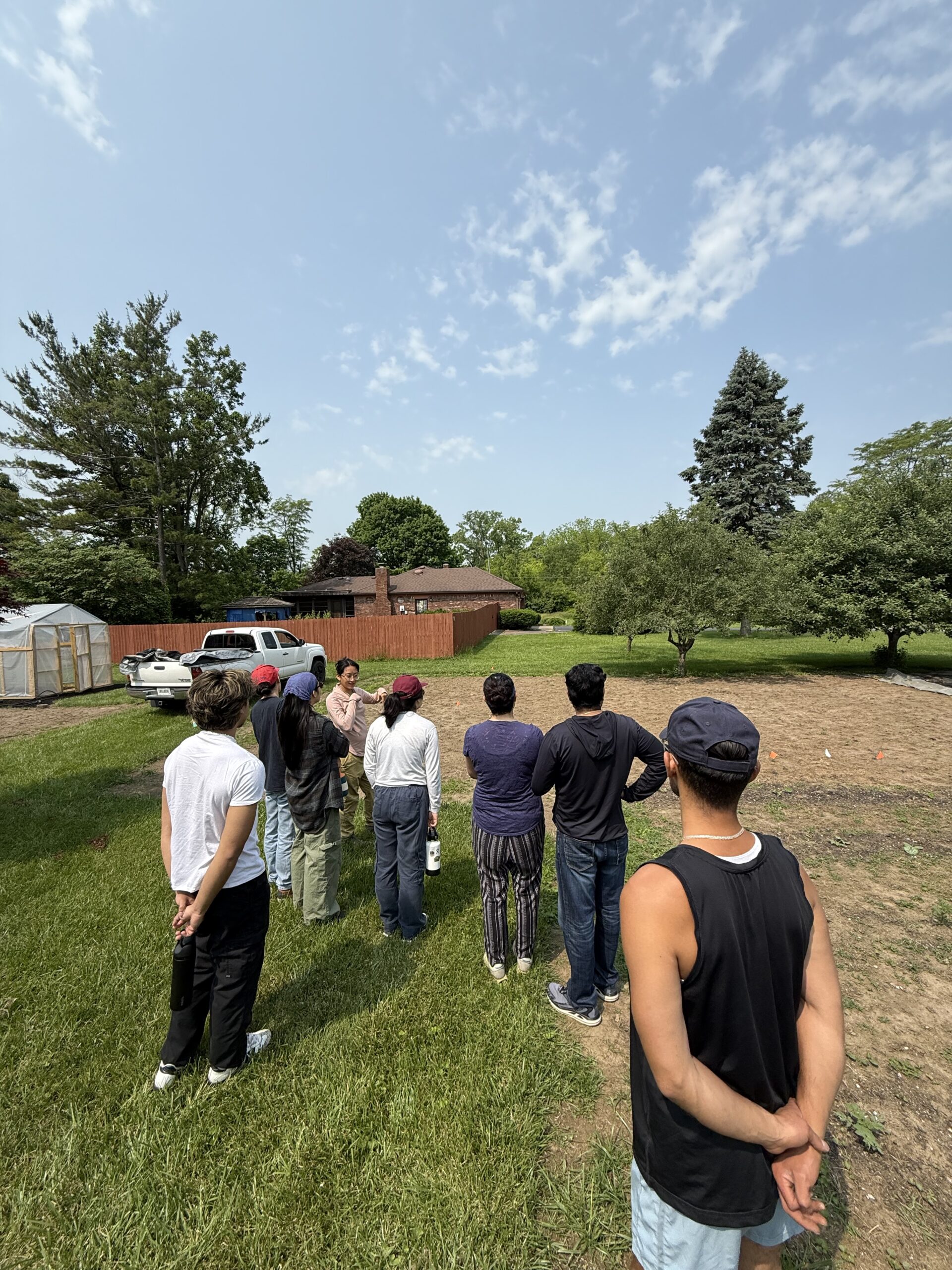
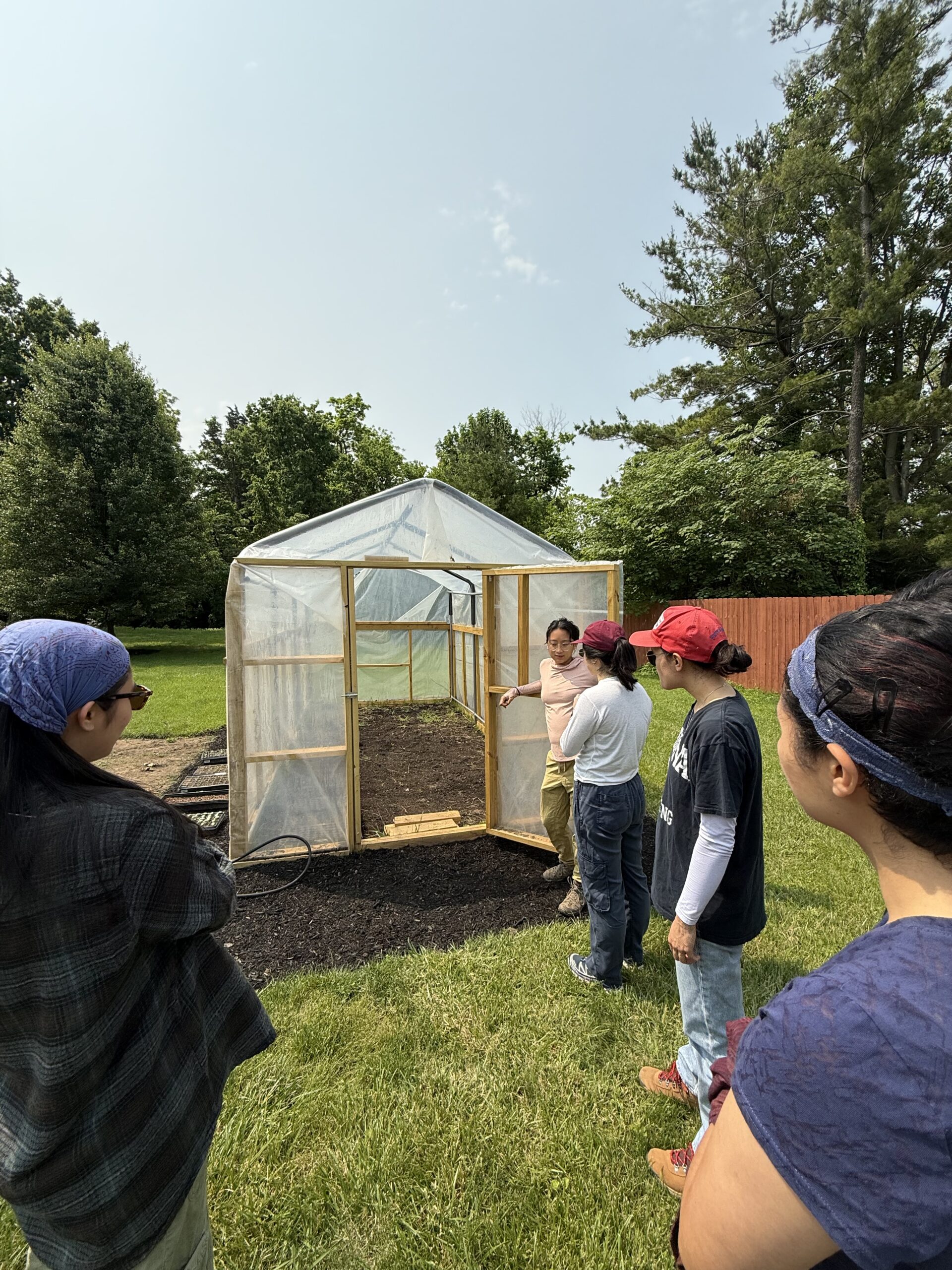
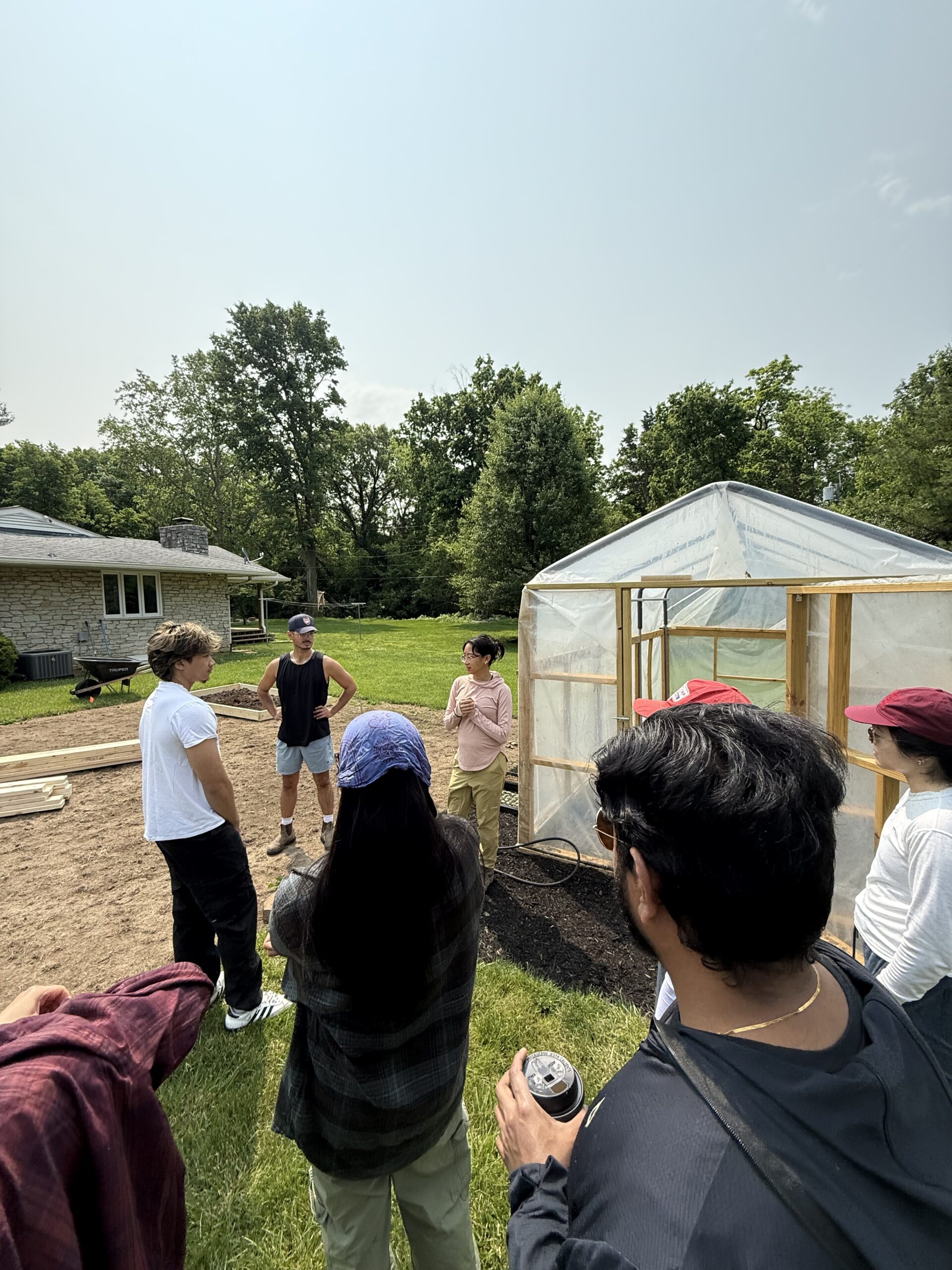
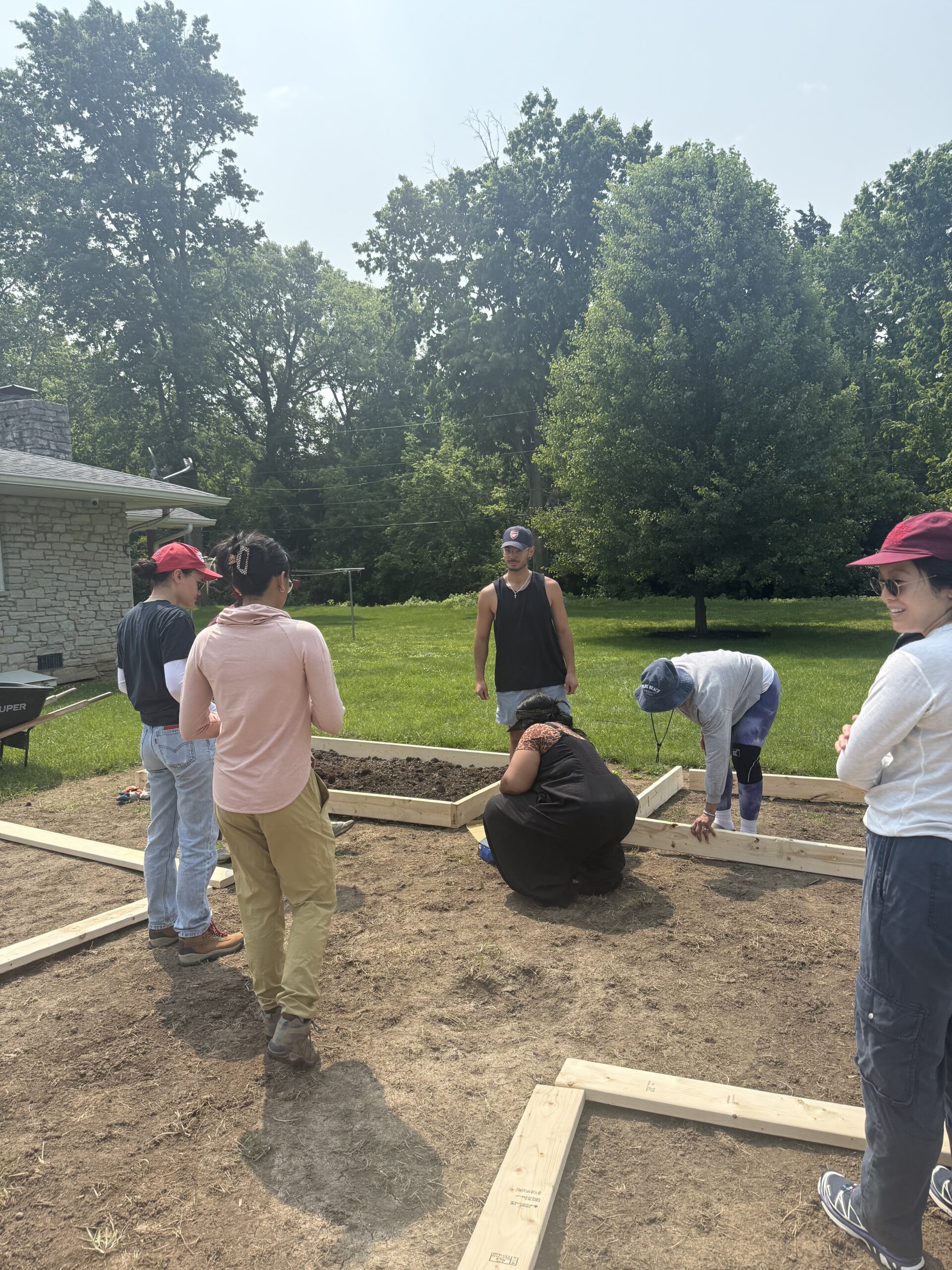
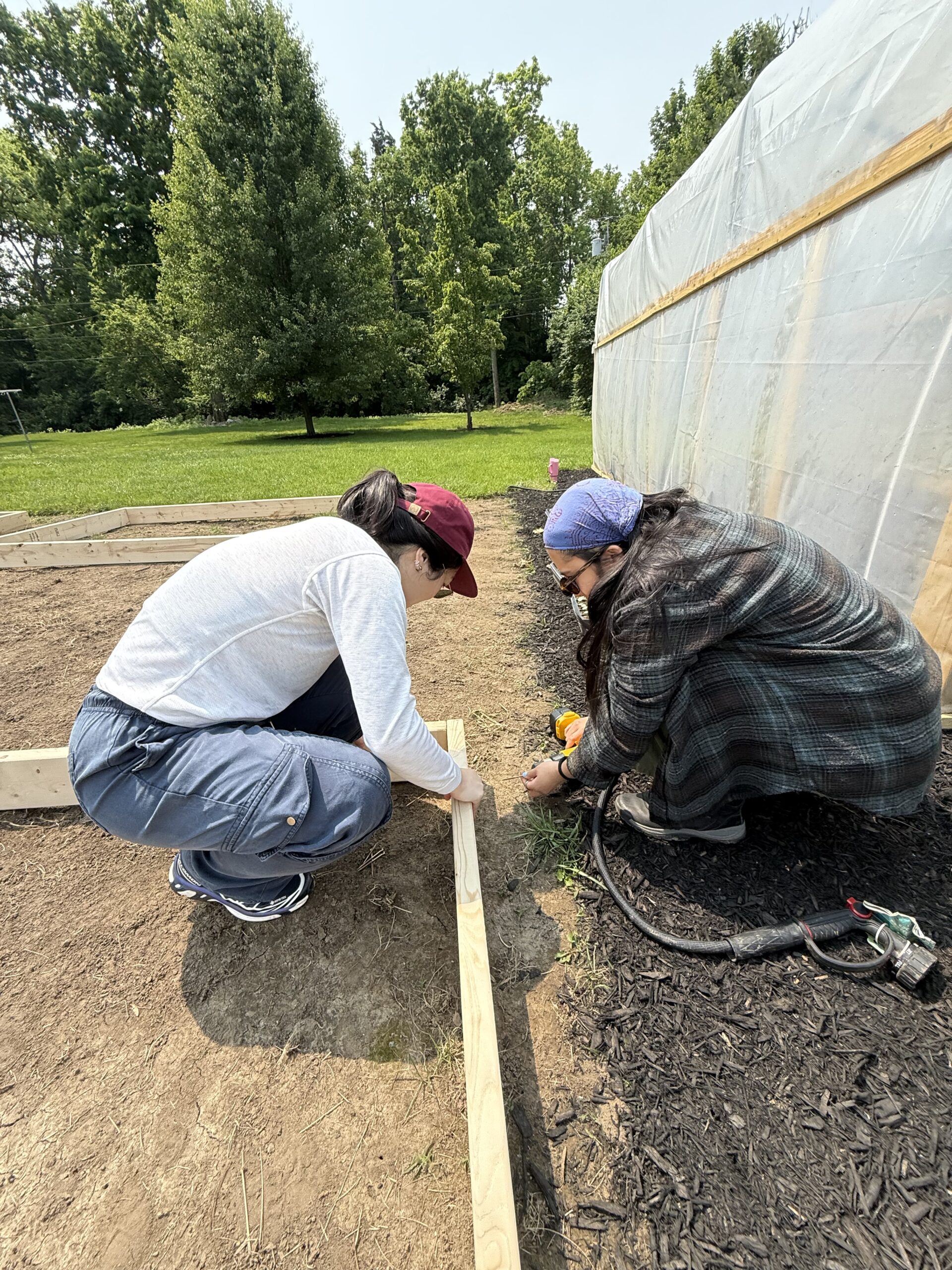
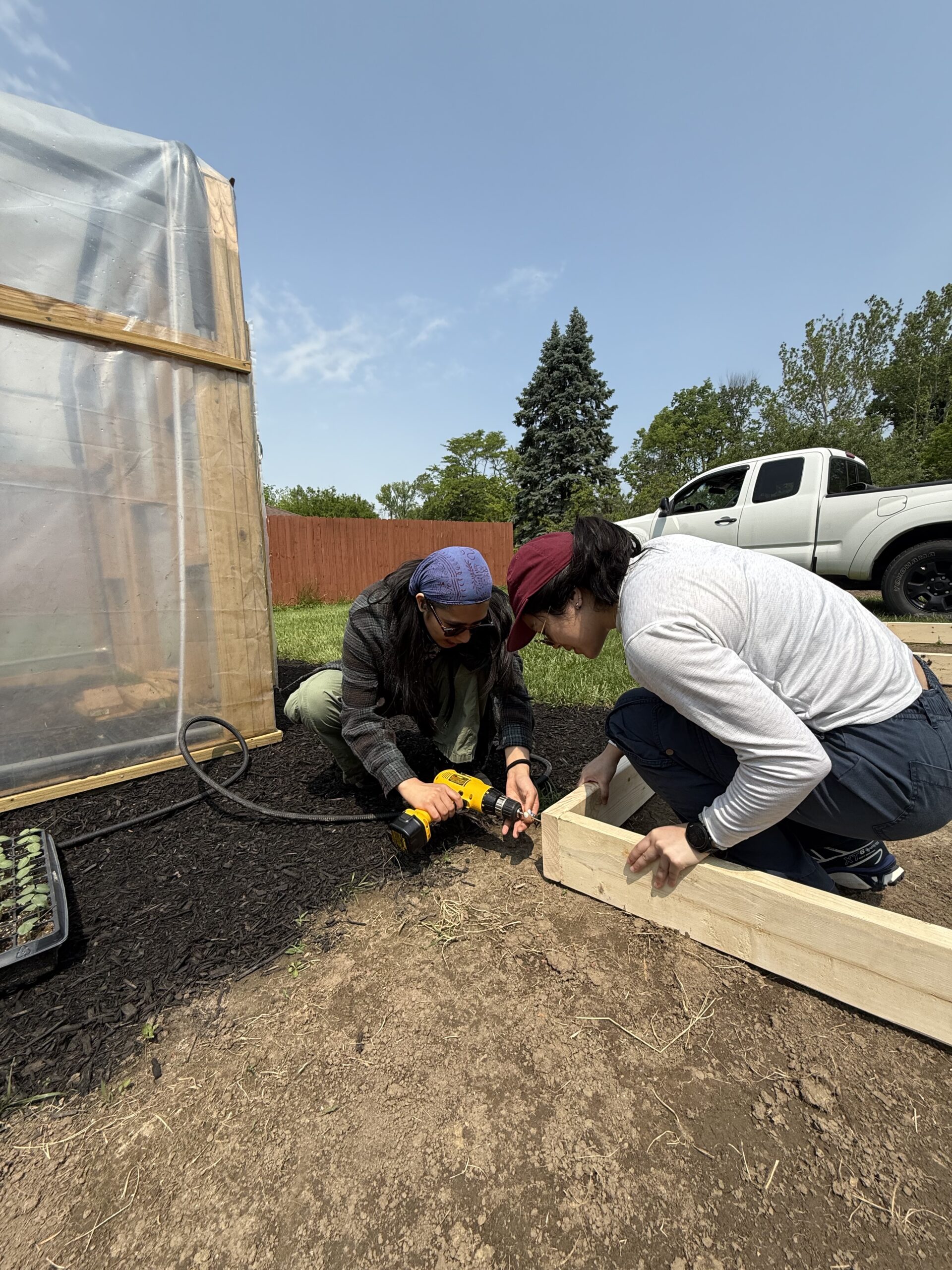
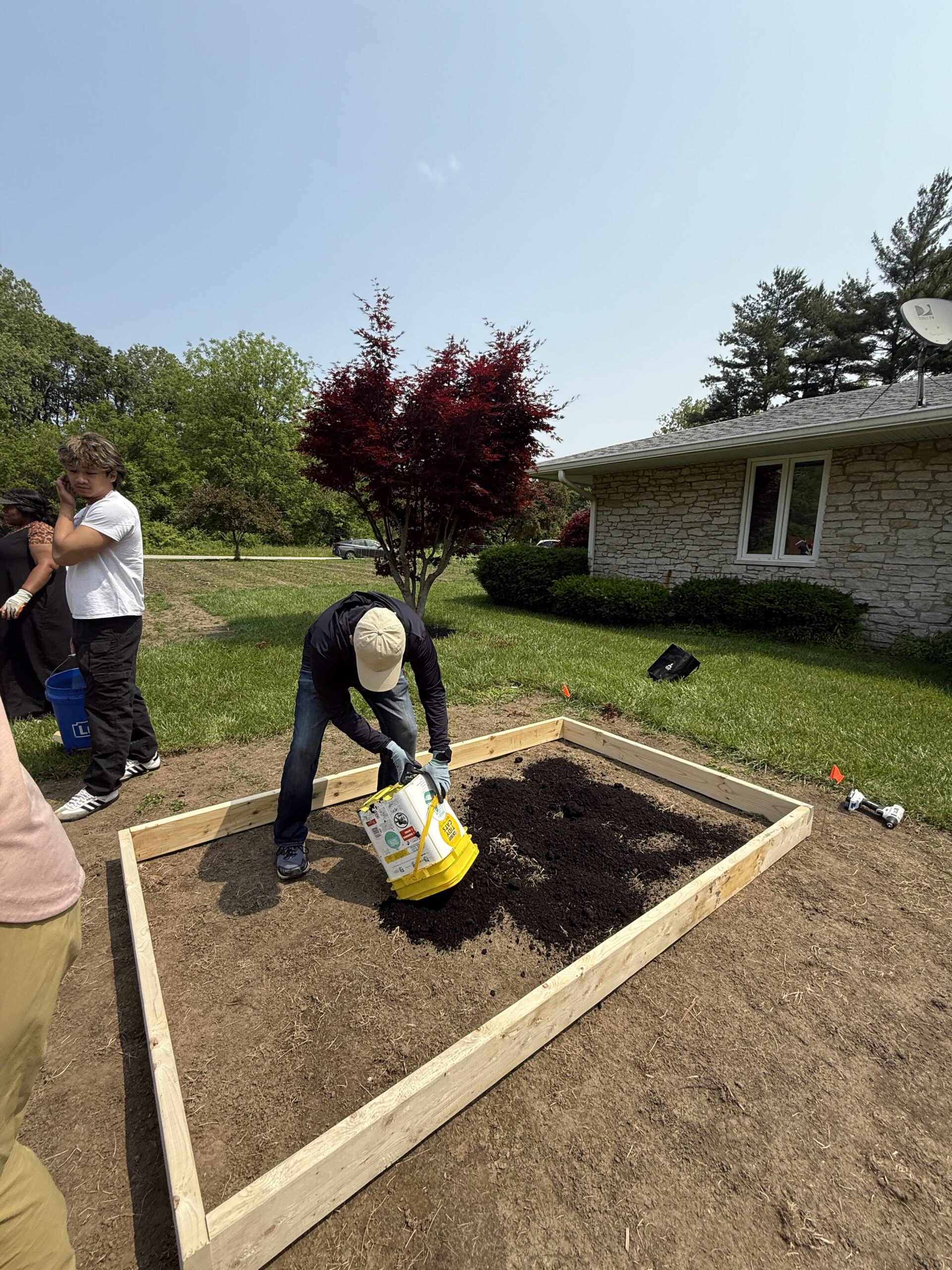
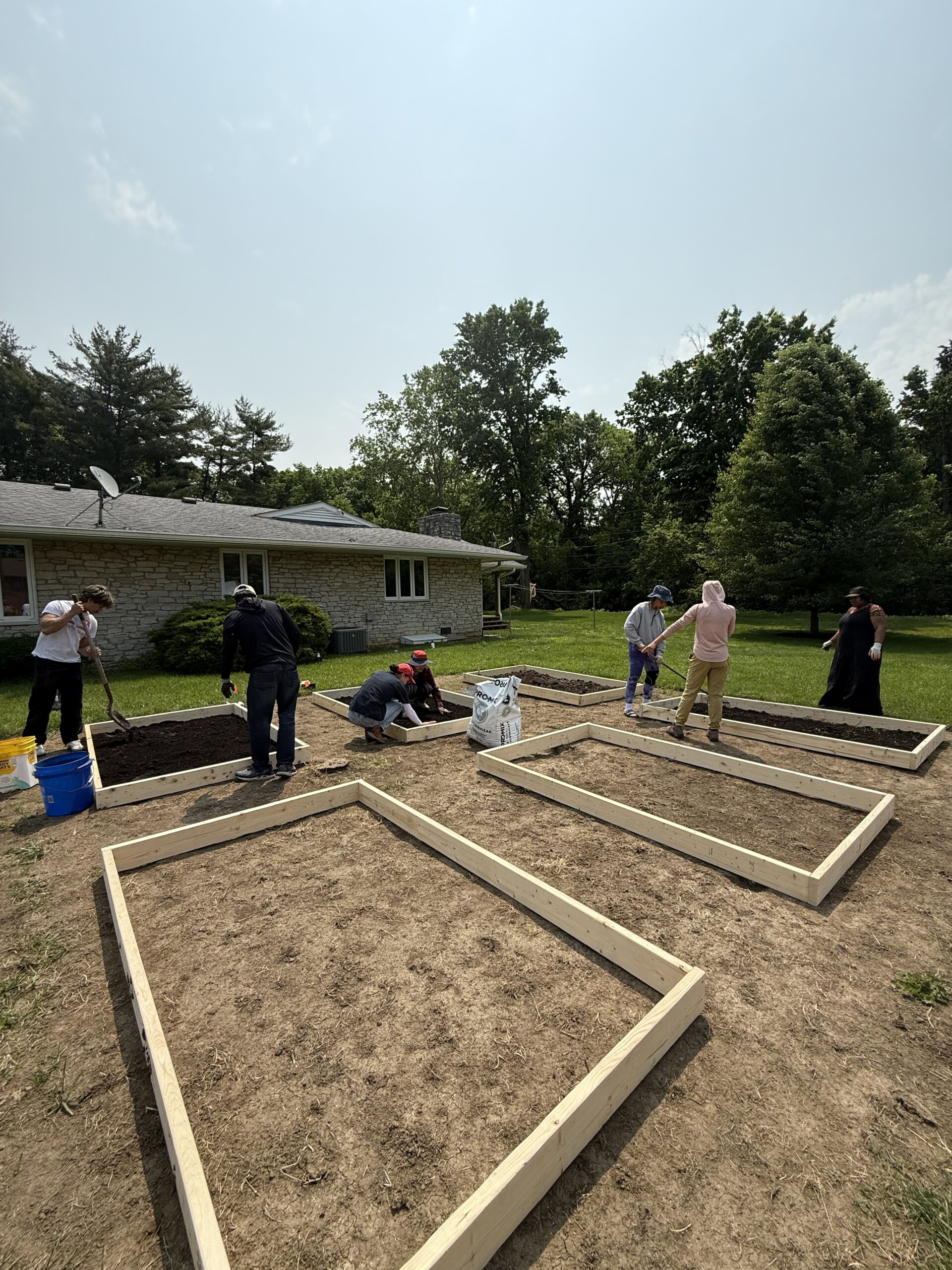
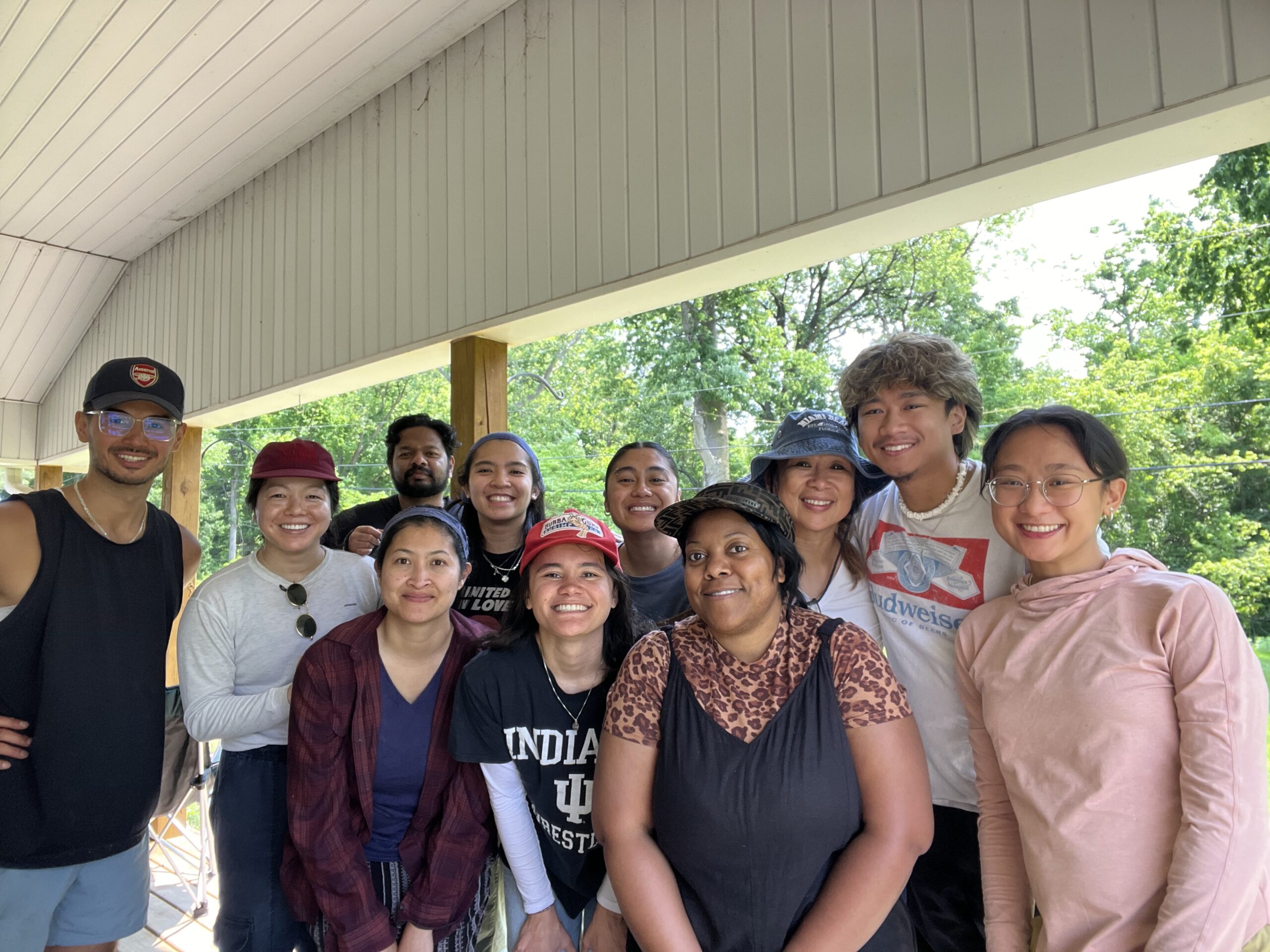
Below are photos from the first volunteer day. Masagana (1) 

Learning Outcomes
First, I started with sourcing my sweet potato slips and turmeric and ginger rhizomes. I sourced Murasaki and Covington Sweet Potato Slips from Johnny's Seeds and turmeric and ginger rhizomes from two farms (WhiteRabbitAcres) via Etsy. I decided to purchase from Johnny's Seeds because I trust the quality of their slips. I had to source the ginger and turmeric from Etsy because the original site I wanted to purchase from (hawaiianorganicginger.com) was sold out of the rhizomes, so I decided to buy from a credible farm off Etsy.
Then, I gathered the wood and other materials to build the 20x10 greenhouse and raised beds. I was able to source a 20x10 car port metal frame from Facebook Marketplace to convert into a greenhouse. I chose to use a car port metal frame to keep costs low as well as the ease of creating the frame. My husband and brother-in-law were the primary builders for the greenhouse and we used a Youtube video by Home Free Alaska (HFA) and their DIY Cattle Hoophouse video. We liked this video because of the detailed step-by-step process HFA outlined for the viewer along with a list of materials needed for the greenhouse was in the description box of the video with links on where to purchase the materials.
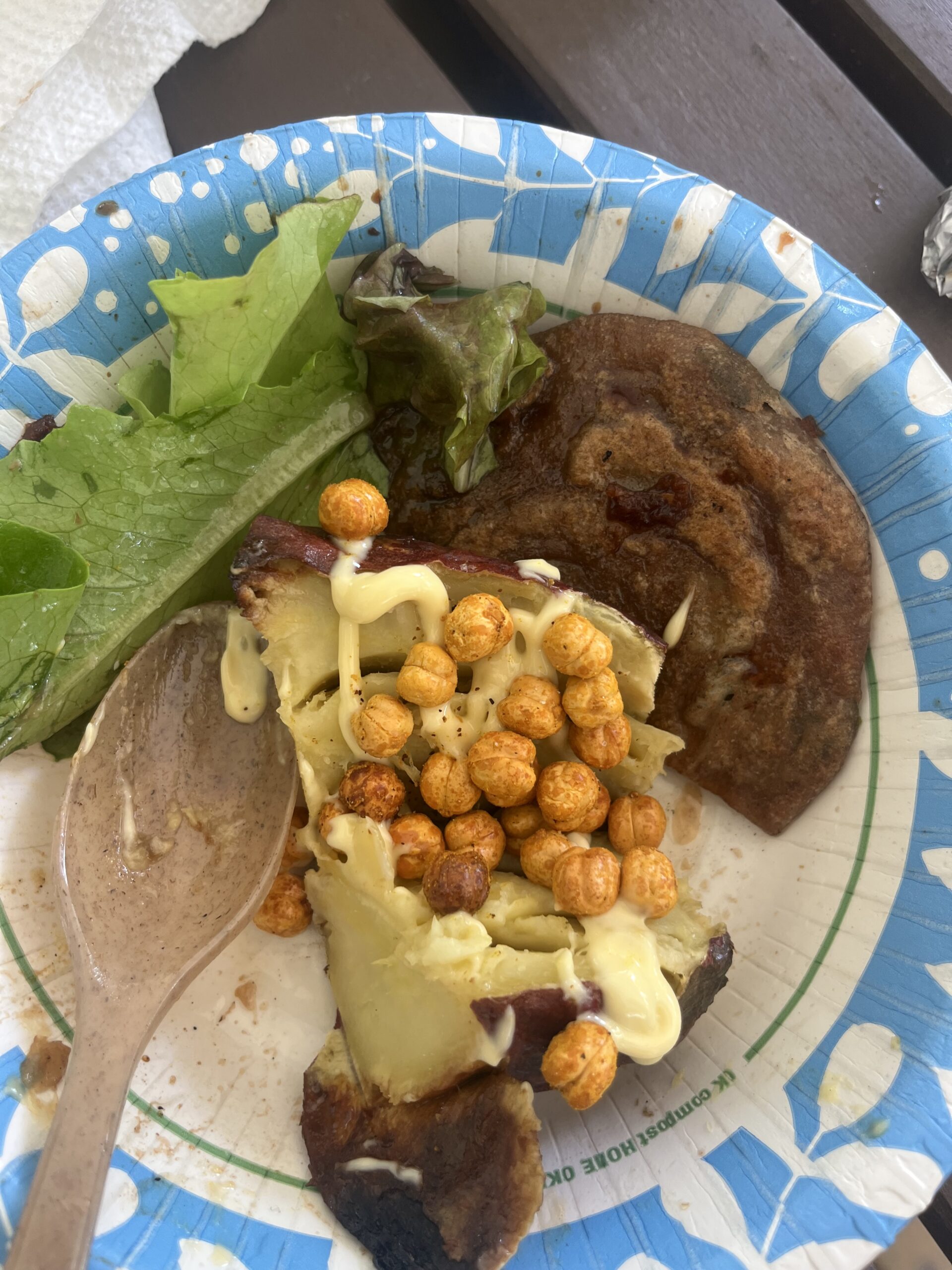
Once the greenhouse was in place and the slips and rhizomes arrived in the mail, I scheduled a Volunteer Day for community to come to the farm and learn how to build a raised bed, how to plant the potato slips and rhizomes, how the plants grow, what conditions they like to grow in and how to harvest them. On May 31st, 10 community members come to the farm to participate in the volunteer day. First, I gathered everyone to explain the farm's mission, my SARE project and how they were going to contribute and gave them a farm tour. Then, my husband, who is the handyman of the farm, showed everyone how to build a raised bed. We split everyone up into pairs, assigned them a raised bed to build and instructed them to fill the beds in with compost and potting soil. After the beds were built, there were to be 2 beds of ginger, 2 beds of turmeric and one bed of Murasaki slips and one bed of Covington slips. In the greenhouse there were to be 1 row of ginger, 1 row of turmeric, 1 row of Murasaki slips and 1 row of Covington slips. Once everything was planted in the ground, we welcomed everyone to have a lunch on the farm. The lunch was made by my husband and I and we incorporated Murasaki sweet potatoes, ginger and turmeric in the lunch. Volunteer Day ended after that.
Then, I let nature run it's course and I did not touch the sweet potatoes, ginger or turmeric, save some weeding, until October when they were ready to harvest. At the end of October, I planned for a 2nd volunteer day, however, that did not come to fruition as my newborn daughter was one month old and I was still healing from her birth. I decided to cancel that day, but thankfully, some community members volunteered to come to the farm and harvest the potatoes and rhizomes from the greenhouse.
I was not able to build the raised beds with the hoop attachment due to the rest of the farm needing my attention. I was also not able to harvest the ginger, turmeric or sweet potatoes in the raised beds due to the birth of my daughter.
I learned to not overcrowd crops in a small area, like the sweet potatoes overtaking the greenhouse and choking out the turmeric and ginger. I learned that a grant of this volume and ambition, I would need at least one more farmer to complete everything I had wanted to do. If I was not pregnant during the whole growing season, I feel as if I could have gotten the project done by myself.
I somewhat overcame my identified barrier by successfully growing the 3 crops in 2 of the conditions I wanted to grow in. I was also able to have one volunteer day where all 10 of the participants were black or brown individuals.
The advantages of implementing a project like mine is that you get to see what growing conditions works best for one crop in one season.