Progress report for FNC25-1479
Project Information
This project unites three urban farms in Detroit: Beaverland Farms, Fisheye Farms, and Coriander Farm and Kitchen. Each farm operates on less than three acres and is dedicated to producing sustainably-grown, nutrient-rich food for the local community. Established independently in 2015, the farms have flourished over the past decade, sharing a commitment to sustainability and collaboration.
Beaverland Farms, located in Detroit’s Brightmoor neighborhood, focuses on growing fruits and vegetables using natural systems that prioritize biological processes over chemical inputs like pesticides or fertilizers. Fisheye Farms, based in Corktown, has spent the last decade growing nutritious food while fostering community and creating a space for celebration and inspiration. Coriander Farm and Kitchen, also known as Scott Street Farm LLC, is Detroit’s only restaurant that is both the farm AND the table. They grow unique herbs, flowers, and vegetables for its own restaurant and the local community, all through sustainable practices.
In 2023, these farms formalized their partnership through a collaborative project called the Detroit Produce Club. Together, they supplied an 85-member CSA with fresh produce, as well as optional add-ons like herbs, flowers, and frozen pasture-raised chicken. To simplify wholesale processes for both farmers and chefs, the farms consolidated orders to a single point person and delivery system. Building on this success, the partnership has expanded to include shared resources, such as jointly purchasing a backhoe and skid steer—valuable but infrequently needed tools perfect for sharing.
The farms have also come together to propose a collaborative soil steamer project, with each taking on specific roles. Beaverland Farms will lead data consolidation and reporting, coordinate educational field days, and present findings at a conference. Fisheye Farms will oversee the soil steamer’s maintenance, develop a user guide with input from the other farms, and manage the rental agreement and initial renter program. While upfront equipment costs are split between Beaverland and Fisheye Farms, Coriander Farms, with a lower immediate need, is working with Fisheye Farms to finalize the rental agreement and pilot the rental program.
Through this partnership, these farms aim to streamline operations, maximize resources, and further support Detroit’s urban farming community, ensuring that the benefits of sustainable agriculture extend beyond their individual plots.
As urban growers, we face unique challenges due to limited field space. Unlike larger farms, we cannot always rely on cover-cropping, crop rotation, fallow periods, or livestock integration to manage soil health. Warmer winters in past years have compounded these issues by failing to kill off pests, leading to increasing weed and disease pressures.
Our primary weed challenges include Stellaria media (chickweed), Convolvulus arvensis (field bindweed), and Chenopodium album (lambsquarters)—cold-hardy, fast-growing annuals with prolific seed production. These weeds often overrun entire beds of carrots, greens, and herbs, forcing us to reseed and cultivate repeatedly, particularly in spring and fall. Urban farmers like us lack the luxury of extended rotations or the time to tarp or repeatedly recultivate beds.
Additionally, black rot caused by Xanthomonas campestris pv. campestris devastates cruciferous crops. On Beaverland Farms, it caused up to 70% losses in some brassica beds in 2024, making it our most destructive disease issue. Many urban farms in Detroit face similar challenges.
We propose using a soil steamer to eradicate weed seeds and reduce disease pressures sustainably. This pesticide- and herbicide-free solution offers long-term benefits for urban farms, helping us maintain productivity and protect soil health.
Solution:
This project combines demonstration, education, and access to highlight the effectiveness of soil steaming in urban agriculture. The trial will involve three urban farms in Southeast Michigan and focus on the steamer’s ability to manage weeds, reduce disease pressure, and improve crop productivity. By addressing key challenges faced by urban farmers, this initiative aims to demonstrate how innovative tools like soil steamers can promote sustainable and efficient farming practices.
The trial will include diverse growing environments, including high-tunnel, low-tunnel, and open-field settings, to assess the versatility of the soil steamer across different conditions. Each participating farm will identify trial plots with documented weed and disease issues. These plots will be divided into two sections: one treated with the soil steamer and another left untreated as a control. Farmers will track key metrics such as weed coverage, disease symptoms, and crop productivity (measured by yield and days to maturity) using a standardized data collection template before and after treatment. This approach ensures consistent data collection and provides meaningful insights into the effectiveness of soil steaming.
The project emphasizes sustainability by promoting alternatives to chemical use. Soil steaming is an environmentally-friendly practice that treats the soil by using high-temperature steam to kill weed seeds, pathogens, and pests. This method reduces reliance on chemical inputs, which can negatively impact ecosystems, soil health, and water quality. By integrating this technology into urban agriculture, we aim to provide farmers with a sustainable and effective method for improving their growing conditions while reducing environmental harm.
A key component of this project is ensuring that the benefits of soil steaming extend beyond the participating farms. We will not only to use the steamer on our farm but also to share the knowledge gained through this trial with fellow growers. To address the lack of access to soil steamers in Southeast Michigan, we will implement a subsidized rental model, enabling farmers to rent the equipment at an affordable rate. This approach promotes resource efficiency and accessibility for small-scale farmers with limited budgets, helping them overcome challenges such as weed and disease pressures without heavy financial investment.
To facilitate knowledge sharing, we will organize field days at the participating farms. These events will feature live demonstrations of the soil steaming process, Q&A sessions, and presentations on the broader benefits of sustainable farming practices, such as reduced chemical inputs and improved soil health. We also plan to present our findings at a regional small farming conference, reaching a larger audience of growers, educators, and policymakers. During these events, we will distribute educational materials, including a user guide for soil steaming, fact sheets, and case studies developed throughout the project.
Ultimately, this project combines research, education, and collaboration to create a model for sustainable urban agriculture. By showcasing how technology can empower urban farmers to address common challenges, we hope to foster greater resilience and sustainability in urban farming while building a framework for shared access to innovative equipment.
Objectives:
- Demonstrate the effectiveness of soil steaming for managing weeds and soil-borne diseases on urban farms by collecting and analyzing data from four trial plots to evaluate the impact of steaming on weed pressure, disease symptoms, and crop productivity. Beaverland Farms and Fisheye Farms will each identify two trial plots - one indoor and one outdoor.
- Educate urban farmers through three field days and a conference presentation, providing hands-on demonstrations and practical resources.
- Foster collaboration and resource-sharing within the urban farming community in Southeast Michigan by developing and implementing a subsidized rental model for soil steamer access. This will include creating a user guide, while also tracking usage and impact.
Cooperators
- - Producer
- - Producer
Research
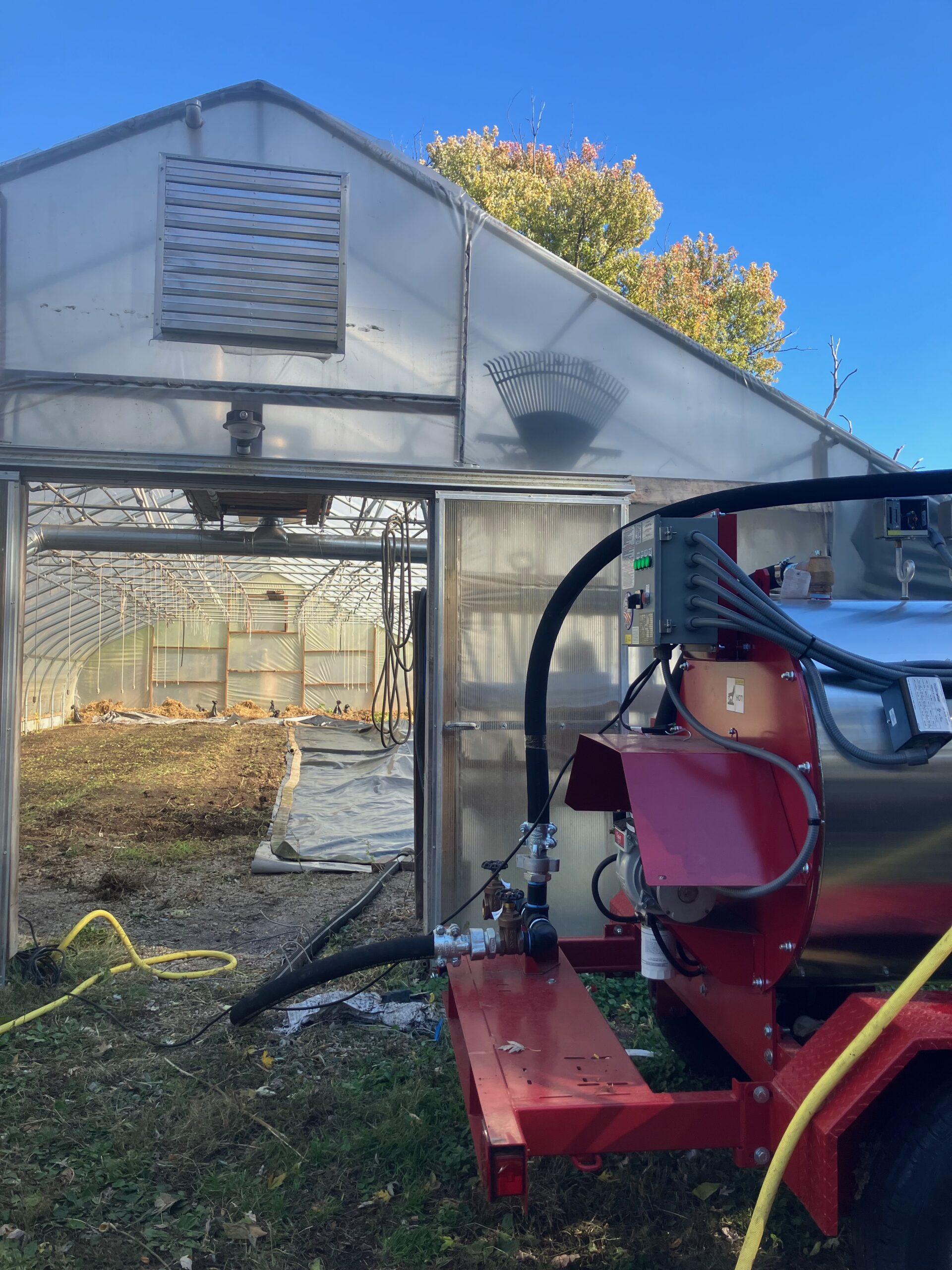
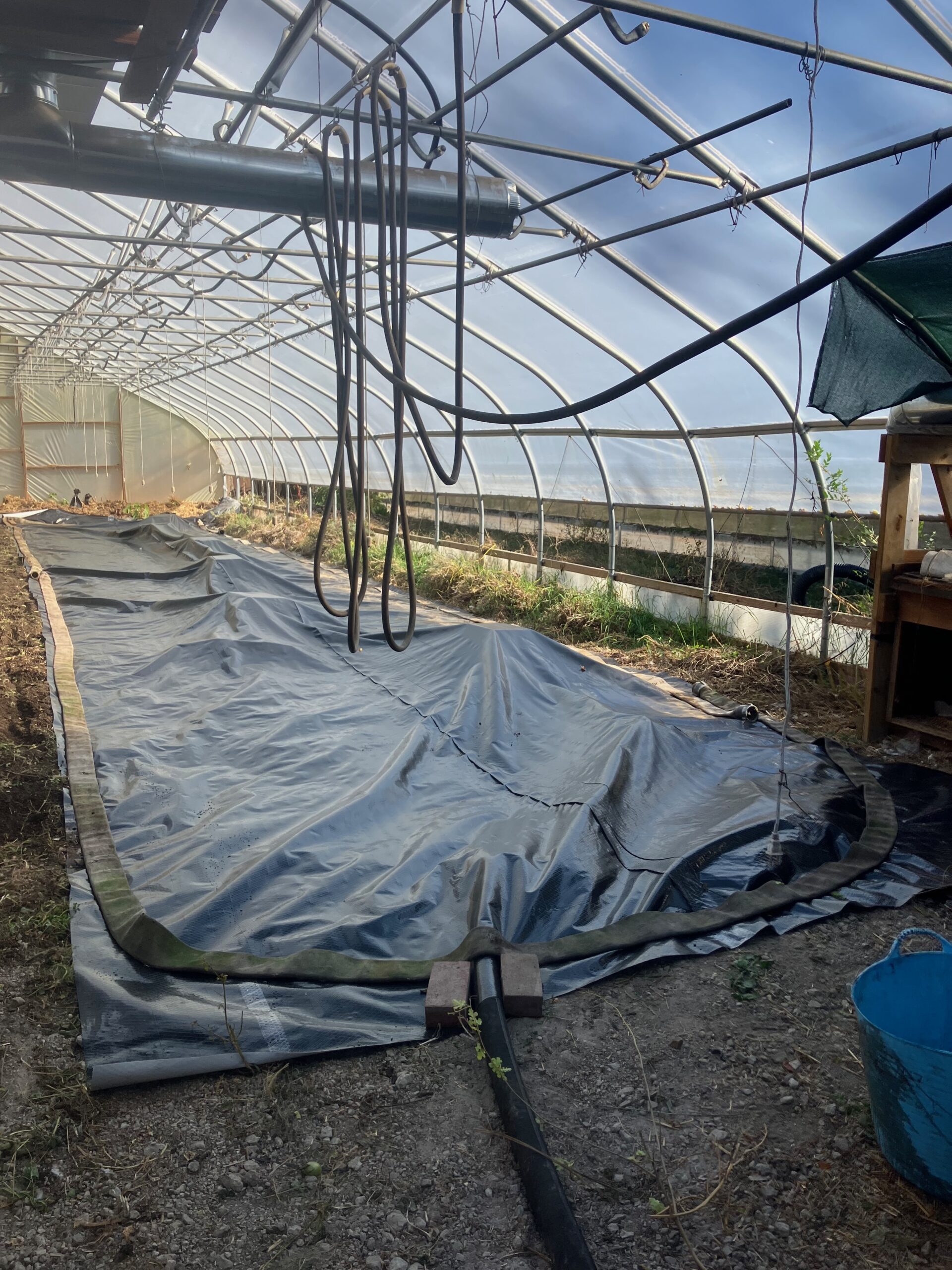
This project is evaluating the use of soil steaming as a non-chemical soil treatment for vegetable production in an urban farm setting. The goals were to reduce weed pressure and soil-borne pathogens, lower labor demands, and assess whether a community-shared soil steamer could be a cost-effective and scalable alternative to chemical fumigation or repeated tillage.
Equipment and Setup
A mobile soil steamer was purchased and managed as shared equipment available to multiple farms. A scheduling and checkout system was developed to coordinate use, track hours of operation, and ensure consistent setup and safety practices. Participating farmers so far have received basic training on steamer operation, soil preparation, and temperature monitoring to ensure comparable treatment outcomes across sites.
Beds were prepared and lightly irrigated before steaming to improve heat transfer. The mobile soil steamer was used to inject steam into prepared beds prior to planting. Beds were formed and lightly irrigated before steaming to ensure adequate soil moisture, which improves heat transfer. Steam was applied using perforated hoses placed beneath a tarp to trap heat and ensure even soil temperature distribution. Soil temperature was monitored using probe thermometers inserted at 4” to confirm that target temperature was reached across the whole bed.
The target soil temperature was 160–180°F for a period for one hour, sufficient to kill most weed seeds, fungal pathogens, and nematodes without sterilizing the soil completely. Treatment time varied based on bed size, soil texture, and moisture content, but ran for an average of 2.5 hours per 2,500 sq ft area.
Experimental Design
Steamed beds will be compared to non-steamed beds from previous seasons, as well as non-steamed beds next season managed using the farm’s standard practices, which includes mechanical cultivation, hand weeding, and compost amendments. Comparing steamed beds directly to conventionally managed beds in the spring will allow the results to be relevant and immediately interpretable for other farmers considering whether the practice could replace or supplement their current soil management strategies. Soil steaming was chosen because:
- It aligns with organic and low-input farming systems
- It is particularly suited to small-scale and urban farms, where crop density is high and land rotation is limited
- It offers a way to reset heavily used beds without chemical inputs
Participating farms included a range of soil types, crop mixes, and management styles typical of urban and small-acreage farms. This multi-farm approach allowed the project to test soil steaming under real-world variability, increasing the applicability of the results for future urban farmers. The shared equipment model was intentionally chosen to:
- Lower the financial barrier to adoption
- Allow farmers to trial soil steaming without purchasing equipment
- Build collective knowledge and standardized best practices
Our first steaming was in Fall of 2025, once all summer crops were done and cleared from the bed. Across participating farms, we will see how the steamed beds perform compared to future years, as well as other non-steamed areas on the farms.
Weed pressure (particularly in the first 4–6 weeks after planting) will be assessed through visual counts and records of hand-weeding time. Disease pressure (particularly in 10–12 weeks after planting) will be assessed through visual counts of affected and dead plants, as well as yield of crop.
We will be completing the 3rd and 4th trials in the spring on outdoor bed spaces.
Between participating farms, the shared soil steamer functioned reliably across multiple farms and soil conditions. As well as continuing our in-field monitoring, we will be developing scheduling and checkout systems allowed for efficient use during peak bed preparation windows in the spring.
Shared use will also facilitate peer learning, giving farmers opportunity to exchange setup tips, timing strategies, and crop-specific observations. We believe this knowledge-sharing component will strengthen outcomes beyond what could be achieved on a single farm.
Educational & Outreach Activities
Participation summary:
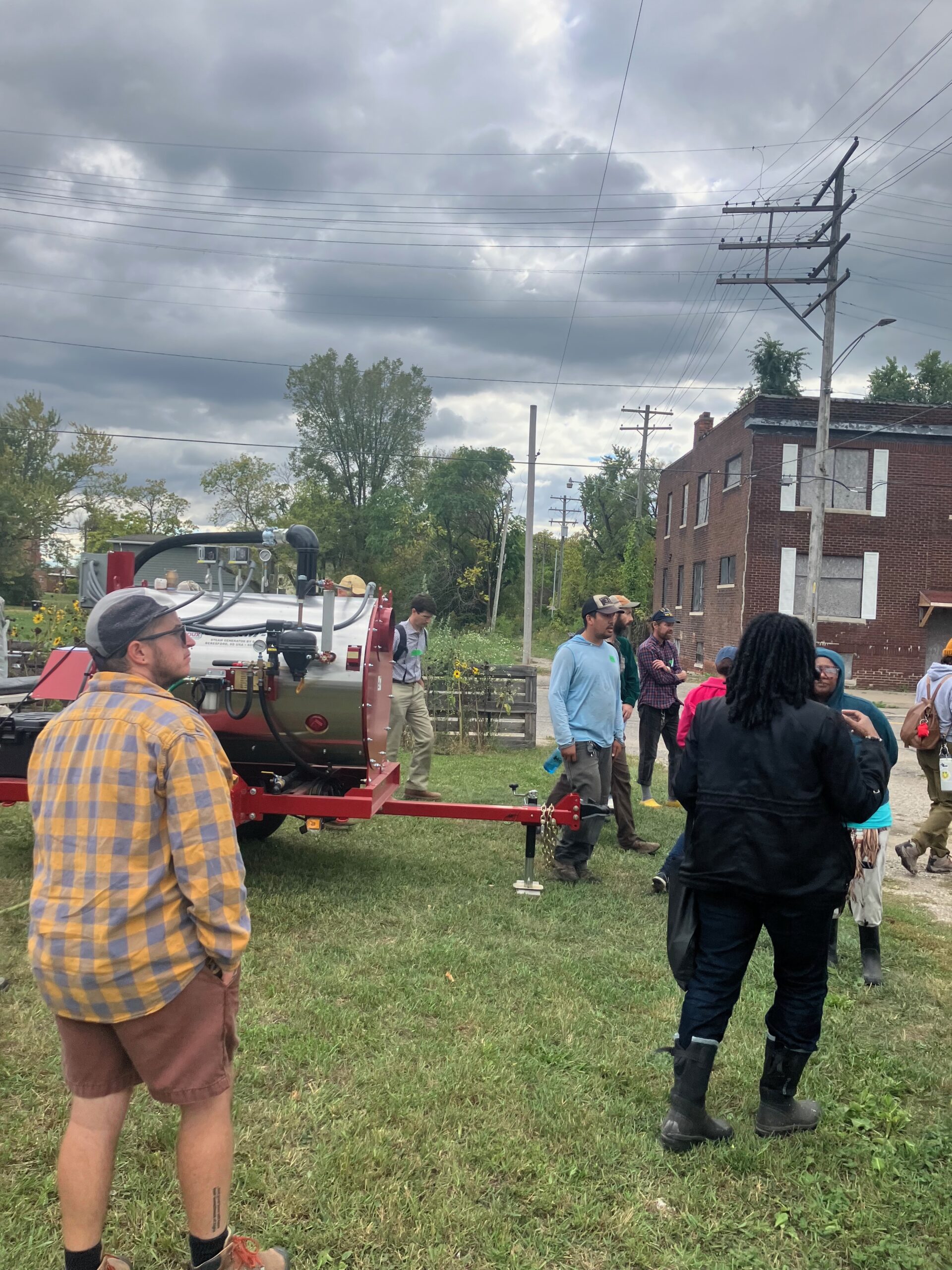
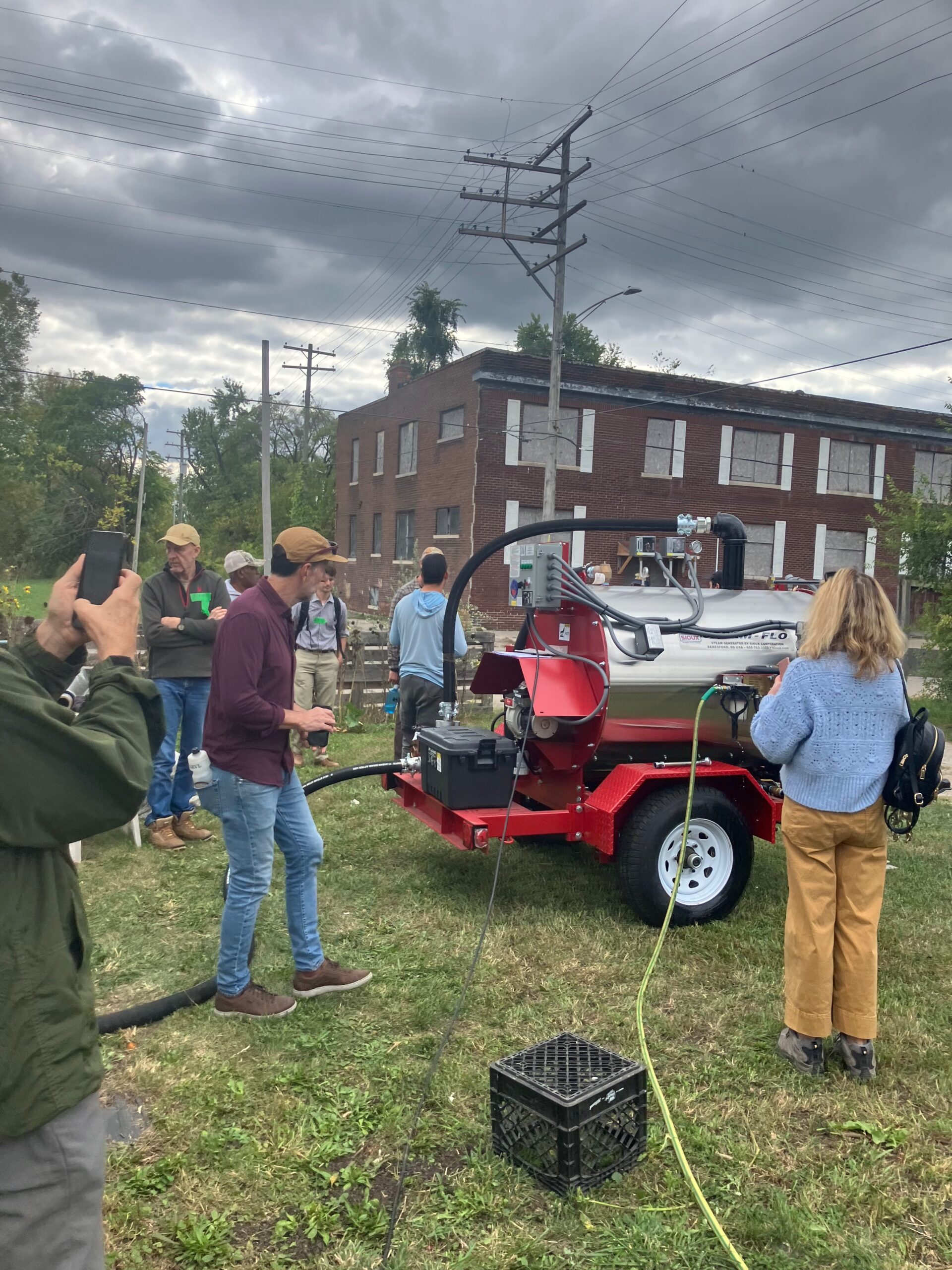
We hosted a farm tour in which we did a soil steaming demonstration. We set it up, fired it, talked about the future impacts and the community tool share element. Additionally, we created a user guide which includes user guides, rental agreement, and checklist. We also created a quick user info sheet for farmers who do not know about steaming and its benefits.
For our first in-person session, we advertised and partnered with Keeping Growing Detroit, a urban farming and gardening network in Detroit, as well as the TOPP program, which is a mentor-mentee group for farmers transitioning into organic production.
Learning Outcomes
- The first challenge, and lesson learned, was a misunderstanding of how grants would be distributed. While we were aware that the SARE grant would only cover 50% of equipment, specifically the soil steamer, we were not aware that grant funds would be distributed over time. Because we felt that we needed to have the steamer in hand and functional before we began demonstrations or made any educational tools, we needed a way to pay for the steamer up front. As a solution, we reached out to the USDA FSA program and got a small farmer loan. This was a mostly seamless application, as the loan amount was directly correlated to a single item that the FSA could use as collateral. The 2025 government shutdown did delay our project by a few weeks, but we were ultimately able to acquire the funds from the loan, purchase the steamer, and still have a fall demonstration of the steamer.
- We initially intended to create a quick user guide for the soil steamer to be shared with any farmers utilizing the shared steamer. However, we found that in a previous SARE project, a very comprehensive and effective guide on how to use it was already created. This material was called “A Farmer’s Guide to the SF-20 Steam Generator (AKA: Soil Steamer)” and was created under subaward number ONE20-370. We now include a copy of that project for quick reference when using the steamer. Instead of re-creating that document, we made an expanded user guide that includes:
- Overview
- Safety Essentials
- Equipment Overview
- Steaming Raised Beds & In-Ground Soil
- Steaming Potting Mix & Compost
- Operating Instructions (A Farmer’s Guide to the SF-20 Steam Generator (AKA: Soil Steamer))
- Verification of Proper Treatment
- Shutdown & Storage
- Shared-Use Expectations & Equipment Checkout
The full user guide, template rental agreement and rental paperwork, and more, are available below under "Information Products."