Final report for FW25-005
Project Information
Simon Deleon Guerrero owns and operates Kumoi Farms, a small-scale pig farm on the island of Saipan, Northern Mariana Islands. This Pacific island U.S. territory identifies pork consumption as a festive cultural staple in the form of whole roasting and pork meat cuts for local dishes. Although subsistence pig farming was typical amongst indigenous family clans of past generations, it has become increasingly common for the whole pig to be purchased from small-scale pig producers operating on outdoor facilities. Despite high demands, a decline in local pig production is noticed wherein local producers cannot meet the demands of local consumer groups.
The primary goal of this project is to provide agricultural stakeholders of the Marianas with improved techniques and tools to enhance local piggeries and promote conservation resources in support of maintaining this local food system. Kumoi Farms will focus on the earliest stages of pig development wherein improved conditions of gestating and birthing pigs and their piglets raised in a sustainable outdoor facility will be demonstrated and observed. The potential significances of this project may lead to positive profit margins, enhanced animal production ethics, and increased awareness of a vulnerable cultural practice.
Expected project outcomes include increased piglet births through temperature stress reduction and alternative farrowing systems to mitigate piglet mortality and improve local pig production supply challenges. Successful project outcomes may also encourage further research to support strengthened pig-rearing practices and aid in the progression of conservation management for local outdoor swine operations.
Kumoi Farms will share project outcomes with local pig producers, consumer groups, and community members through farmer-to-farmer demonstrations, field day/farm tours, factsheets, press articles, and use of social media platforms to cultivate awareness, promote food security and increase conservation efforts through pig farming in the Marianas.
Research Objectives:
Objective 1 will focus on pig production during the rainy season which is the coldest of the two seasons. Because pigs are pregnant for three months, three weeks, and three days, four pigs (two of the same parity) will be randomly selected and observed from breeding in July to birth in October where each mother will receive improved care by means of increased hydration and by the use of heating elements such as heat lamps and heat pads.
Objective 2 will mirror the activities from Objective 1, but breeding will instead be performed in January with piglet birth in April under the normal conditions of the dry season. Accordingly, this experimental period will be conducted without additional hydration and heating to offer a range for comparison.
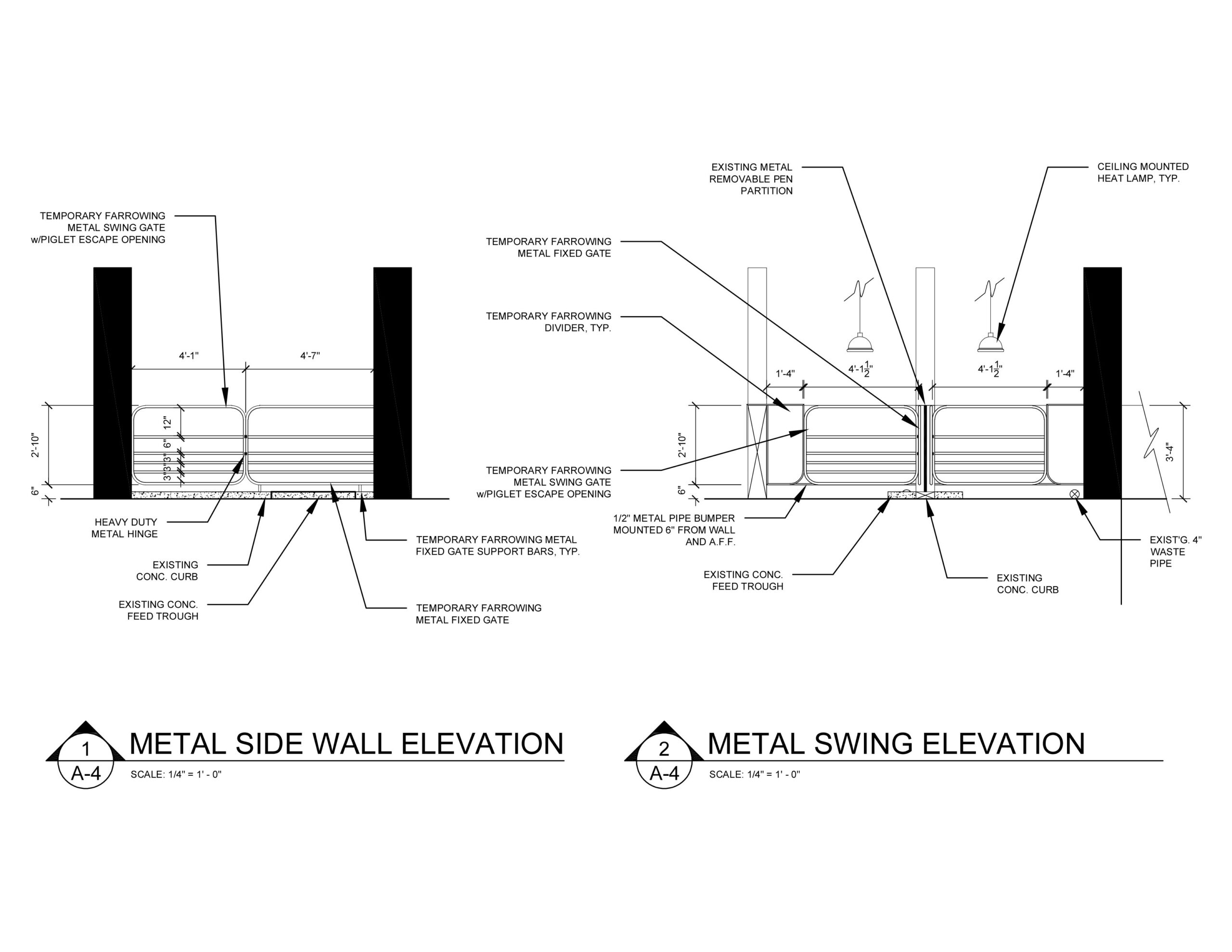
Objective 3 will focus on safeguarding against piglet crushing. All pig participants will give birth within their assigned pens wherein an 8-foot-wide metal protective barrier and components, referred to as a temporary individual farrowing system, will be introduced as labor and delivery approaches. This protective device is an alternative birthing system of the commonly used farrowing crate which will allow space for piglets to escape while still being able to access their mother for feeding. The prototype design will conform with the USDA-NRCS constructed facility pens wherein the newly fabricated system will connect to existing iron channels to minimize impacts.
Objective 4 Statistical analysis will be used to compare the collected data needed to identify relationships and patterns and to emphasize the main outcomes of objectives 1, 2, and 3. Piglet mortality scores from rainy and dry weather conditions will be compared. Data collected at different intervals will be organized using data visualization tools to measure and evaluate the progression of outcomes at each stage.
Education Objectives:
- Farmer-to-farmer demonstrations (3)
- Field day (1)
- Farm Tour (10)
- PowerPoint presentation (1)
- Video Presentations (3)
- Factsheets (300+ copies)
|
Date |
Activities |
Team Member Responsible |
|
April 2025
|
|
PI (Simon Deleon Guerrero) – conduct purchasing plan and organize/host Field Day and Farm Tours. TA (Sollyann Takai) – provide conservation outreach and technical support for Field Day and Farm Tours |
|
May-June 2025 |
|
PI (Simon Deleon Guerrero) – analyze results and construct tools TA (Sollyann Takai) – oversee construction for compliance and provide technical support for Objectives 2 and 3 |
|
July – November 2025 (rainy season) |
|
PI (Simon Deleon Guerrero) – implement and organize objectives TA (Sollyann Takai) – provide conservation outreach and technical support |
|
December 2025 |
|
PI (Simon Deleon Guerrero) – analyze results |
|
January – April 2026 (dry season) |
|
PI (Simon Deleon Guerrero) – implement and organize objectives; analyze results TA (Sollyann Takai) – provide conservation outreach and technical support |
|
May 2026 |
|
PI (Simon Deleon Guerrero) – finalize reporting and project requirements TA (Sollyann Takai) – provide technical support for Objective 4, Video Presentation, and Factsheets |
Cooperators
- - Technical Advisor
Research
An applied experimental research design was used to evaluate differences in farrowing outcomes between pregnant sows exposed to improved environmental conditions during the rainy season and those exposed to baseline conditions during the dry season. The study aimed to determine whether environmental modifications during gestation could improve piglet survival, physical characteristics, and overall litter outcomes in the Northern Mariana Islands.
Baseline observations from 2024 production records at Kumoi Farms indicated seasonal variation in piglet outcomes. While some litters achieved 100% live births, others—particularly during the rainy season—showed increased mortality and undesirable physical characteristics, including smaller size and excessive hairiness. These observations informed the design and implementation of the study.
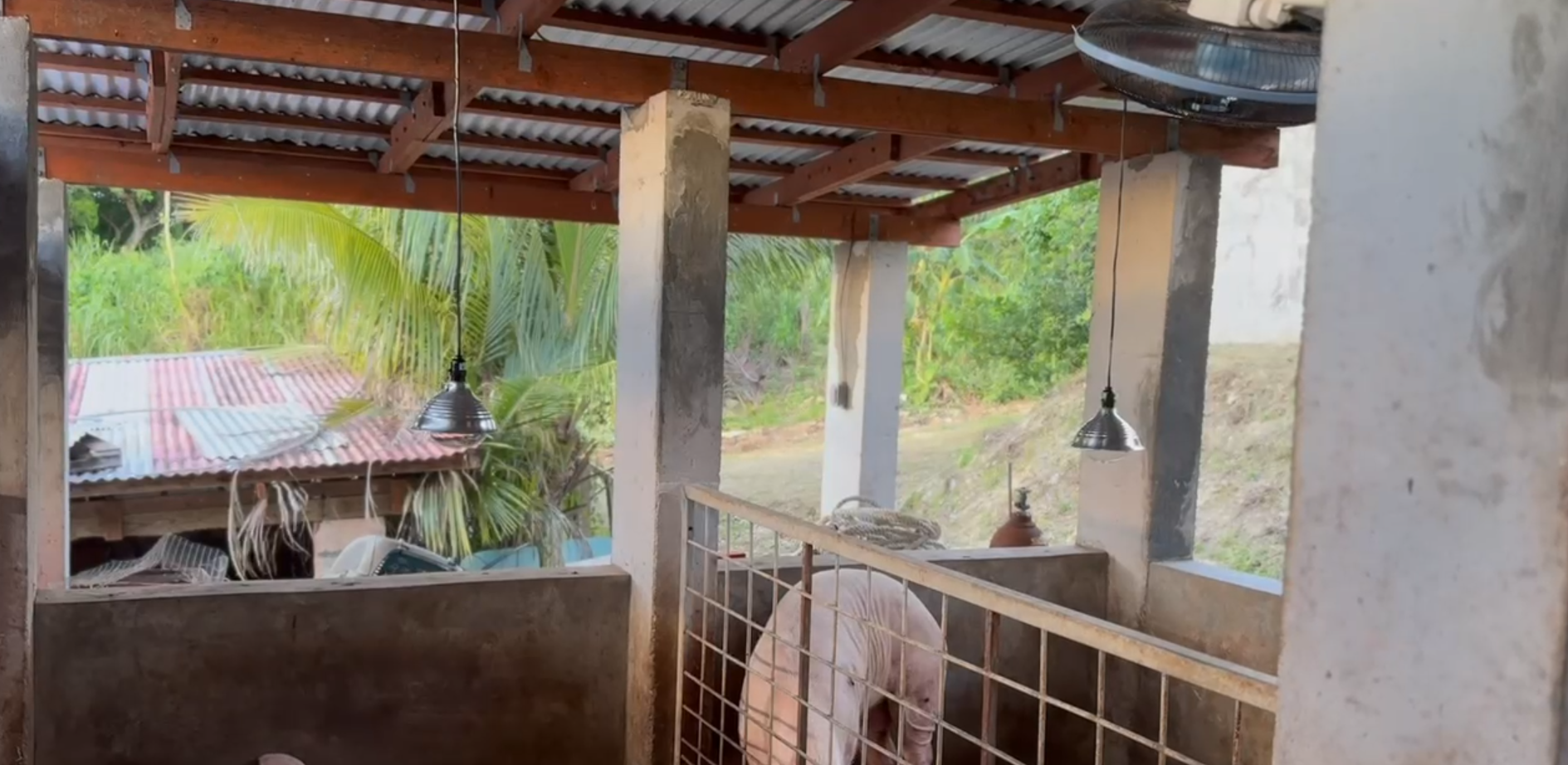
The research was conducted at the Kumoi Farms piggery, an outdoor USDA-NRCS-supported facility designed to promote conservation practices, including waste management and water quality protection. This facility provided a controlled yet practical environment for testing management strategies applicable to local producers.
Project implementation during the dry season (Objective 2) was significantly impacted by atypical and severe weather conditions beginning in early 2026. The dry season experienced unusually high rainfall from January through March, followed by the impact of Super Typhoon Sinlaku in April 2026. These conditions disrupted data collection, limited handling of newborn piglets for safety reasons, and affected overall research consistency.
Despite these challenges, partial data was collected from three litters during this period, revealing variable outcomes. One litter resulted in 100% live births with healthy piglets, while two others other showed reduced litter size but generally healthy conditions. A fourth litter experienced mixed outcomes, including stillbirths and visibly weaker piglets. These findings, although incomplete, further support the hypothesis that environmental stress plays a critical role in piglet development and survival.
The typhoon caused significant damage to Kumoi Farms, including loss of access, destruction of equipment such as fans and heat lamps, and disruption of water and power supply. These impacts resulted in the loss of one entire litter and limited the continuation of controlled research conditions. Despite these setbacks, the project demonstrated the practical value of adaptive management strategies and highlighted the vulnerability of small-scale agricultural systems to extreme weather events.
Overall, the project successfully demonstrated that targeted environmental interventions and alternative farrowing systems can improve piglet survival outcomes in outdoor swine operations in the Marianas. Additionally, the strong community engagement achieved through outreach activities underscores the importance and relevance of sustainable agriculture initiatives in supporting local food systems and cultural practices.
Objective 1 – Rainy Season Environmental Modifications
Objective 1 was implemented from July through November 2025 and focused on improving gestation and farrowing outcomes during the rainy season through enhanced hydration and thermal regulation.
Six pigs (four primary participants and two alternates) were bred using natural pen mating methods. Of these, two pigs became pregnant and were monitored throughout gestation. Daily data collection was conducted and included:
- Feed and water intake (including electrolyte supplementation)
- Weather conditions (temperature, humidity, rainfall)
- General health and behavioral observations
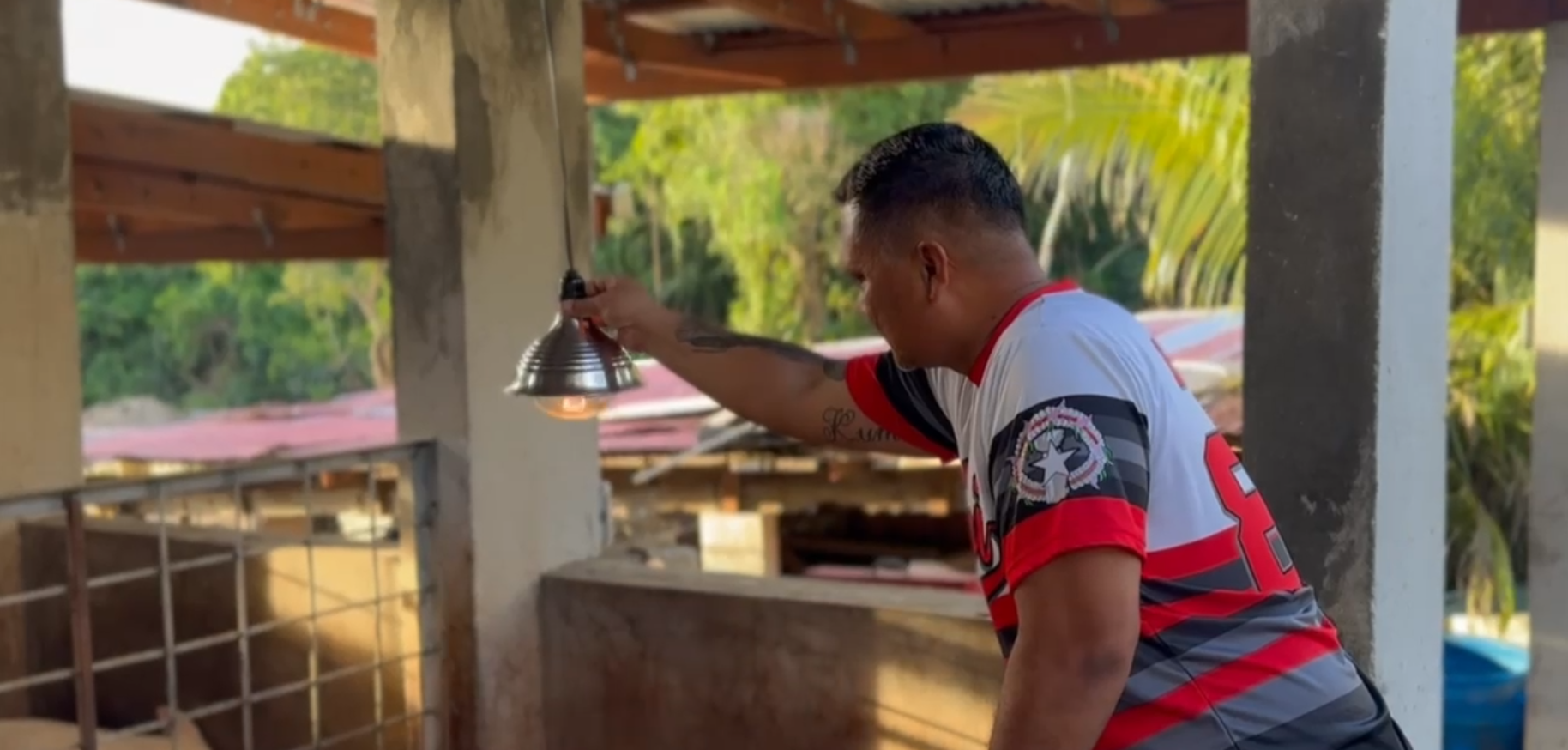
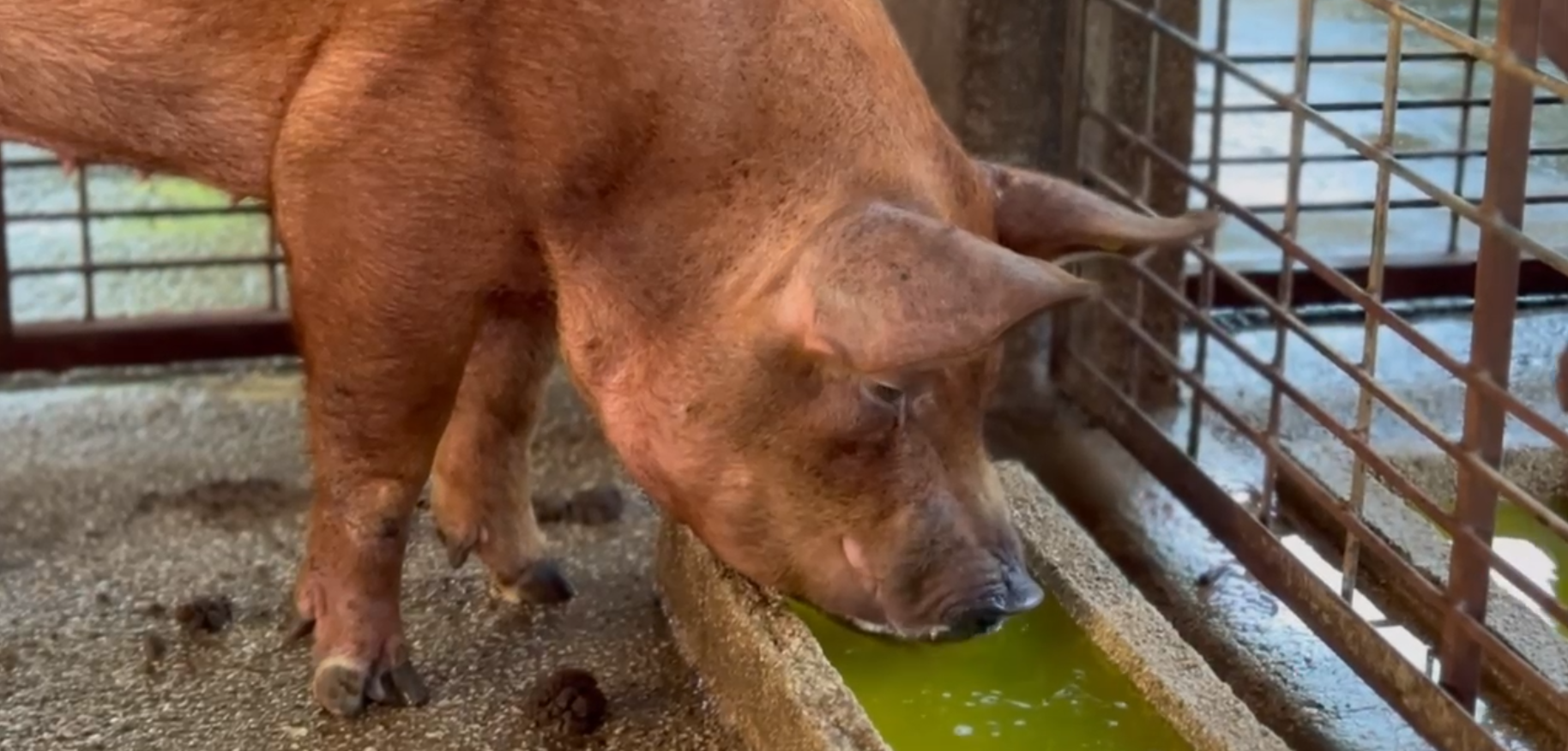
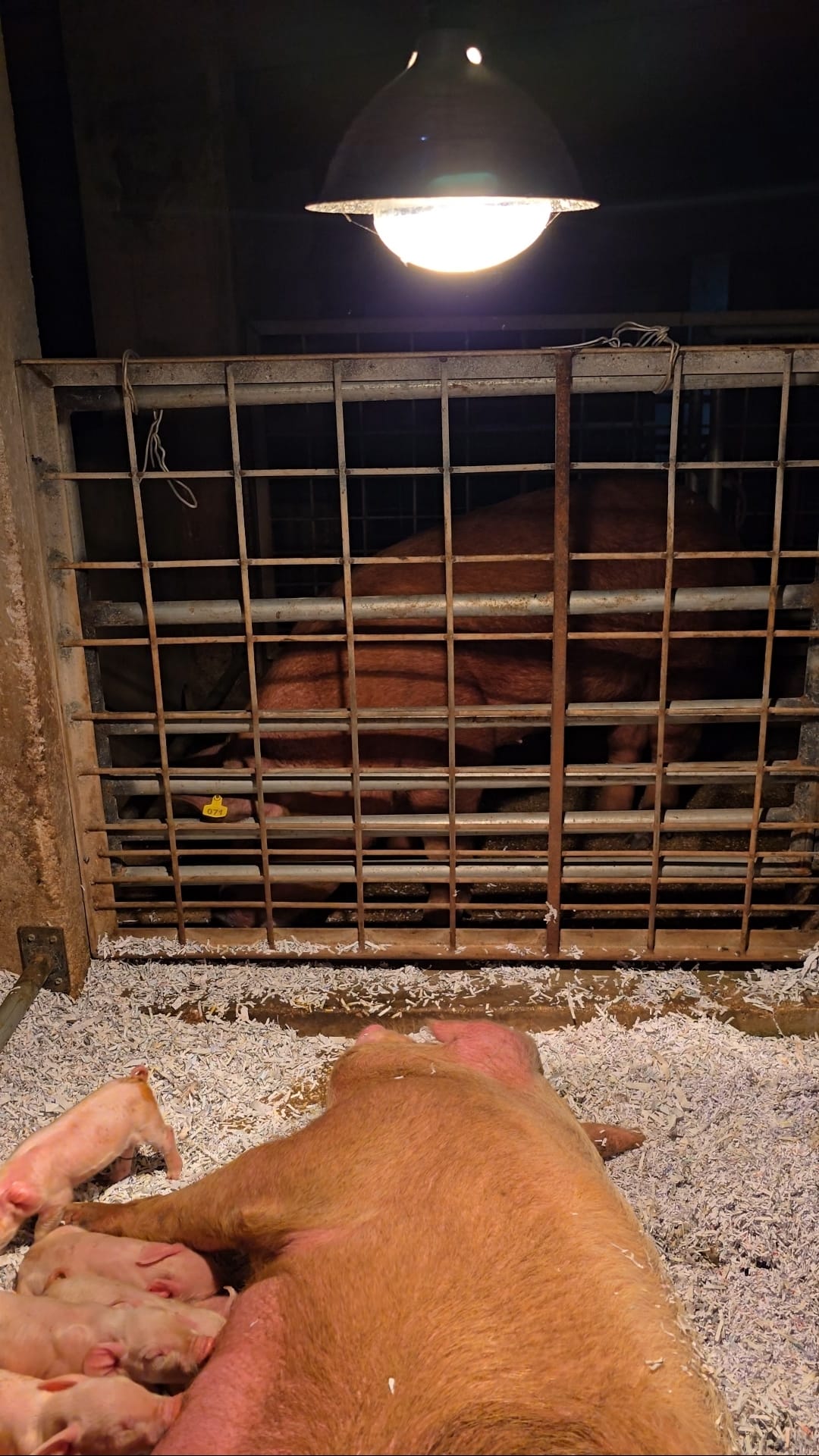
Environmental modifications included the use of heat lamps, fans, and electrolyte-enhanced water to reduce temperature stress and improve hydration.
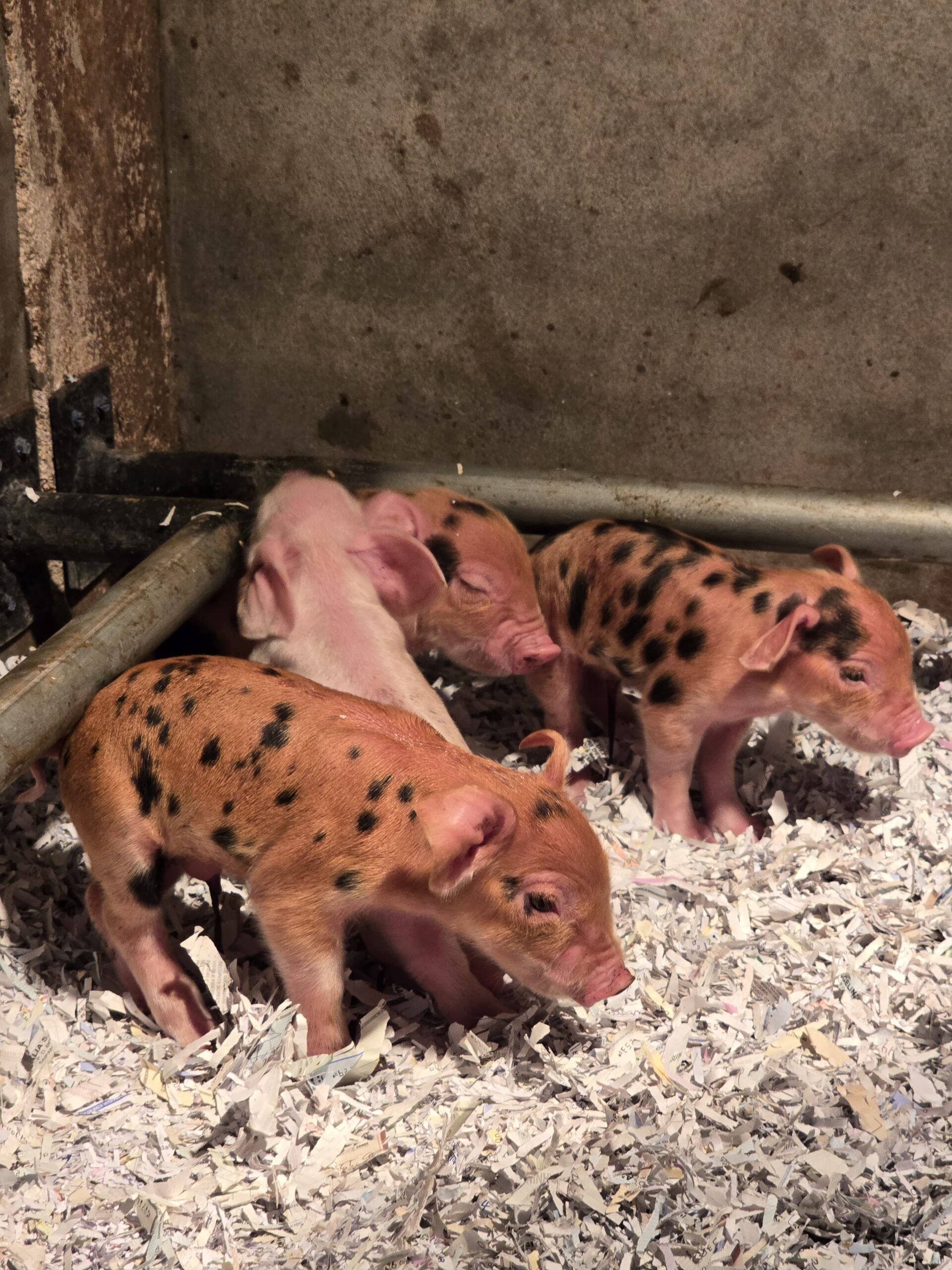
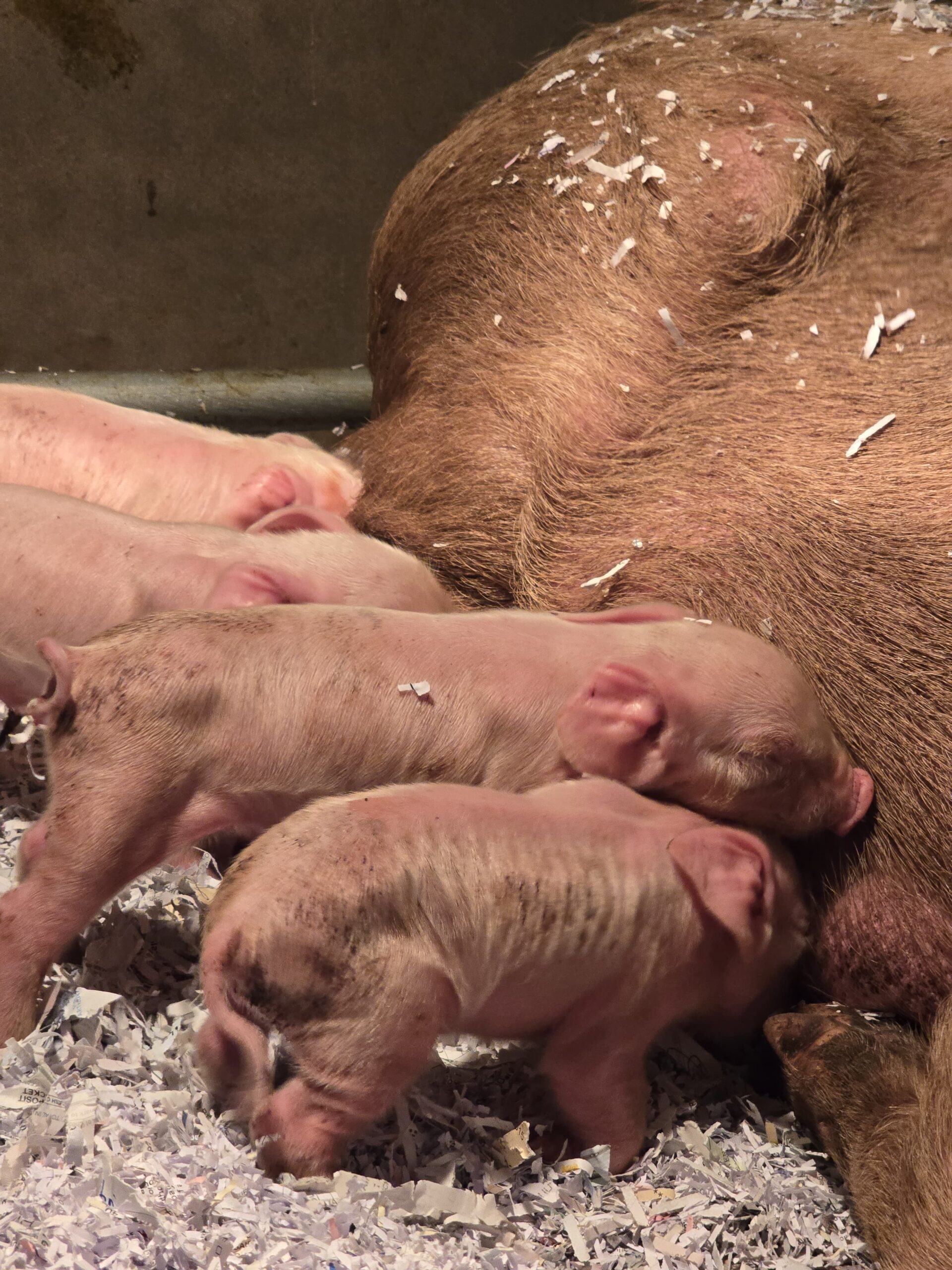
Both pregnant sows farrowed successfully, producing litters with 100% live births. All piglets exhibited desirable physical characteristics, including appropriate size, strength, and vitality, with no visible defects. These outcomes represented a marked improvement compared to previous rainy season observations at the farm.
Objective 2 – Dry Season Baseline Comparison
Objective 2 was initiated with breeding in December 2025, with anticipated farrowing during April 2026 under baseline conditions without additional environmental modifications.
However, the January–April 2026 period experienced unusual and prolonged weather conditions, including significantly above-average rainfall and increased environmental instability. These conditions deviated from typical dry season patterns and introduced environmental stressors more consistent with rainy season conditions.
Four sows farrowed during April 2026 (during and after a Category 5 super typhoon [04W Typhoon Sinlaku]). Due to unstable environmental conditions and safety considerations following severe weather impacts, data collection during this period relied primarily on observational methods. Data collected included litter size, number of live births, and visible piglet characteristics.
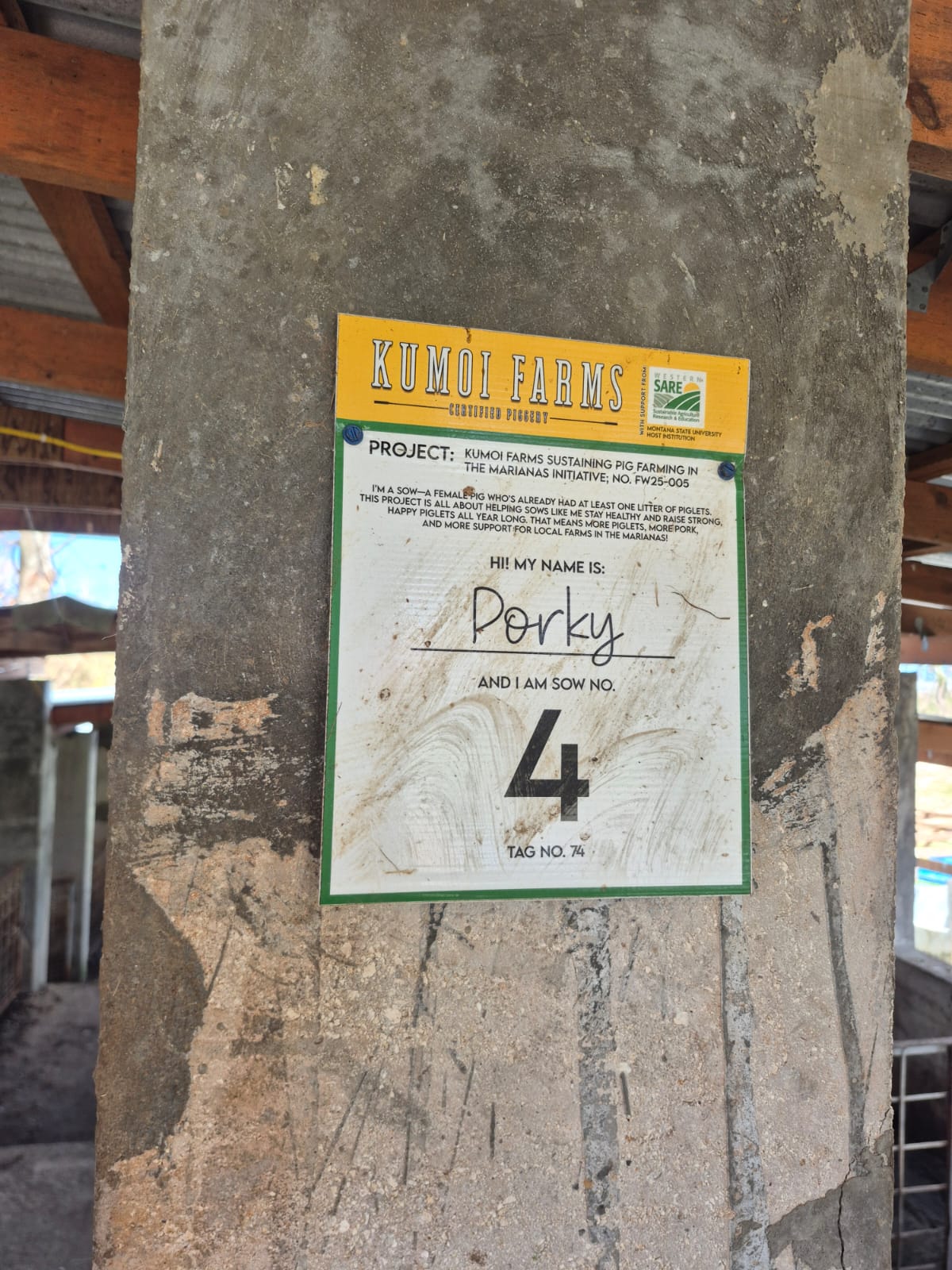
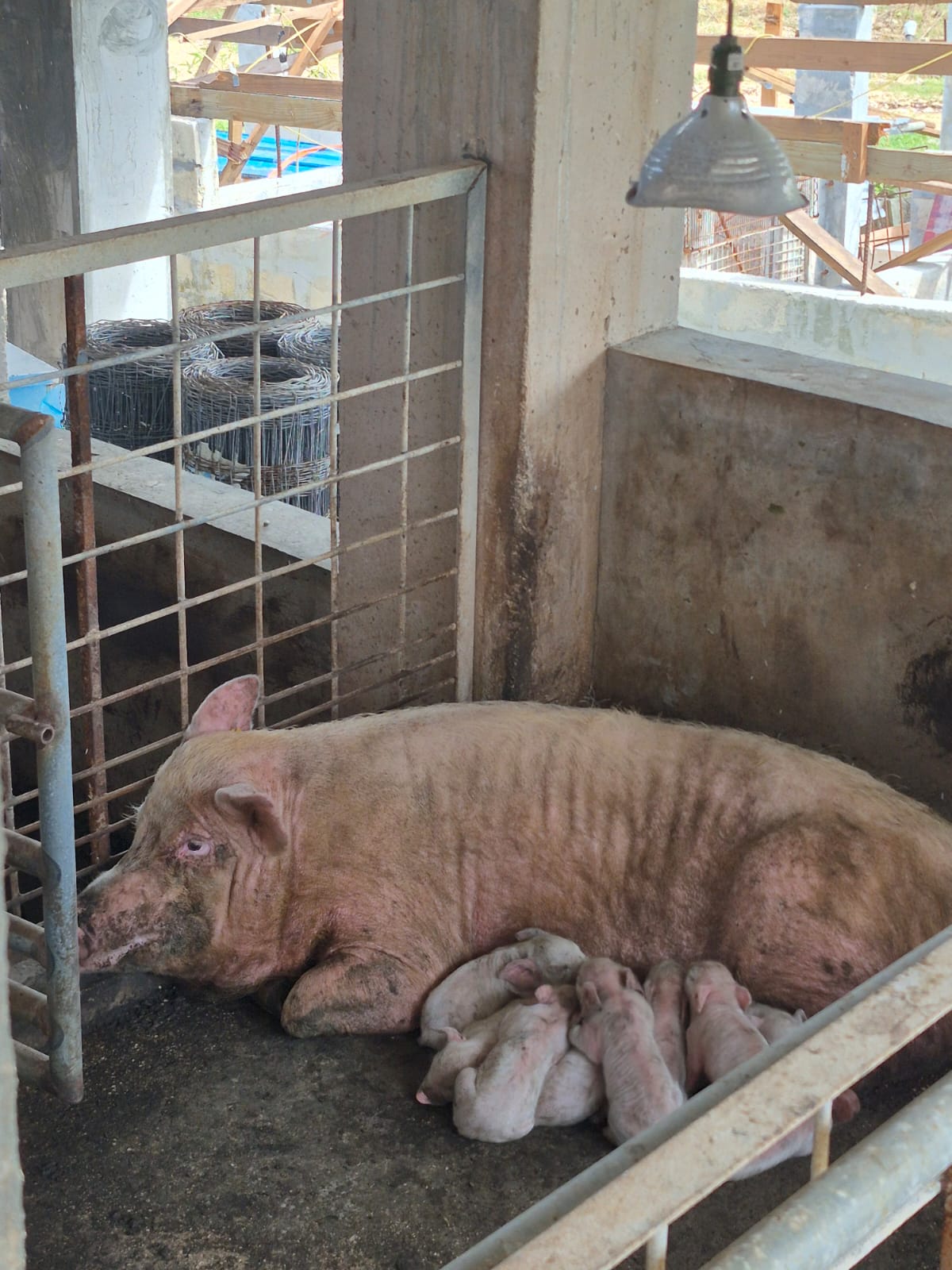
Observed outcomes varied across litters:
- One litter exhibited healthy piglets with slightly smaller-than-expected size
- One litter showed moderate litter size with generally healthy piglets
- One litter showed reduced viability, including stillbirths and less desirable physical characteristics
Detailed measurements such as piglet weights were limited due to environmental conditions and the need to minimize disturbance.
Objective 3 – Temporary Individual Farrowing System
Objective 3 focused on the design, construction, and implementation of a temporary individual farrowing system to reduce piglet mortality due to crushing.
Four farrowing systems were constructed using locally available materials and installed within existing piggery pens. The initial system required design adjustments to improve fit and functionality; subsequent units incorporated these improvements.
All four systems were used during farrowing events across both study periods. Observational data confirmed:
- Zero piglet mortality due to crushing across all observed litters
- Improved piglet mobility and access to the sow during nursing
These findings demonstrate the effectiveness of the system as a practical and adaptable alternative to conventional farrowing crates in outdoor swine production systems.
Data Collection and Management
Data were collected daily by the principal investigator and recorded using Google Forms and Google Sheets. Data categories included:
- Animal identification and demographics
- Daily weather conditions (temperature, rainfall, humidity)
- Feed and water intake
- Labor and delivery details (breeding and birth dates, litter size, mortality)
- Piglet characteristics at birth
Additional data for Objective 1 included electrolyte intake and environmental control settings (heat and ventilation).
Data collection remained consistent and reliable throughout the project, with limitations occurring only during April 2026 due to severe weather impacts.
Objective 4 – Data Analysis
Data analysis was conducted using descriptive and comparative methods to evaluate differences between treatment conditions and identify patterns in piglet outcomes.
Analysis focused on:
- Piglet survival rates and mortality per litter
- Physical characteristics and vitality of piglets
- Comparisons between modified (Objective 1) and baseline (Objective 2) conditions
- Effectiveness of the farrowing system in preventing crushing mortality
Due to the limited sample size and environmental disruptions, statistical analysis was primarily descriptive rather than inferential. However, clear trends were observed, including improved outcomes under enhanced environmental conditions and consistent elimination of crushing mortality.
A simplified scoring approach based on piglet mortality per litter was used to evaluate outcomes, adapted from existing piglet vitality assessment frameworks.
Summary
Despite challenges including limited breeding success, atypical weather conditions, and severe environmental disruption during April 2026, all research objectives were implemented. The study generated practical, experience-based findings that demonstrate the importance of environmental management and low-cost infrastructure in improving swine production outcomes in tropical island environments.

Objective 1 – Rainy Season Environmental Modifications
A total of six pigs were bred (four primary participants and two alternates), of which two pigs became pregnant. Both sows carried to term and farrowed successfully.
Quantitative Results:
- 2/2 litters resulted in 100% live births
- 0 piglet mortality at birth
- 0 piglet crushing mortality (with farrowing system in place)
Qualitative Results:
- All piglets displayed strong vitality, normal physical characteristics, and desirable size
- No observations of excessive hairiness or runt-like features commonly seen in prior rainy season litters
- Overall litter quality was significantly improved compared to previous farm observations
These results indicate that improved hydration and environmental management can positively influence piglet outcomes during the rainy season.
Objective 2 – Dry Season Baseline Comparison
Breeding for Objective 2 began in December 2025. A total of four sows farrowed in April 2026 under baseline conditions.
However, results were influenced by unusual weather conditions and the impact of Typhoon Sinlaku, which created environmental stressors inconsistent with typical dry season conditions.
Quantitative Results:
- Litter 1: 8 piglets (100% live births; later mortality due to storm conditions)
- Litter 2: 6 piglets (100% live births)
- Litter 3: 13 total piglets (11 live births, 2 stillbirths)
- Litter 4: 11 piglets (100% live births)
Qualitative Results:
- Piglets were generally smaller in size (approximately 2.5–3 lbs or less)
- Increased presence of hairy or less desirable physical characteristics in some litters
- Greater variability in litter outcomes compared to Objective 1
- Even in litters with 100% live births, piglets appeared undersized relative to expected dry season outcomes
Environmental instability limited full data collection (e.g., weights), but observable differences suggest that stress conditions negatively impacted piglet development, despite relatively high live birth rates.
Objective 3 – Temporary Individual Farrowing System
Four temporary individual farrowing systems were constructed, installed, and used across all farrowing events.
Quantitative Results:
- 0 piglet deaths due to crushing across all observed litters (100% prevention)
Qualitative Results:
- Improved piglet mobility and ability to avoid the sow
- Maintained access to nursing while providing safe space
- System functioned effectively under both normal and adverse conditions
This objective demonstrated a highly successful, low-cost intervention for reducing piglet mortality in outdoor systems.
Objective 4 – Data Analysis
Data were analyzed using descriptive and comparative methods.
Key Findings:
- Enhanced hydration and environmental management (Objective 1) resulted in:
- Higher survival rates
- Improved piglet quality
- Baseline conditions under environmental stress (Objective 2) resulted in:
- Smaller piglets
- Increased variability and reduced quality
- Farrowing system (Objective 3) consistently:
- Eliminated crushing mortality
Overall Result:
- Strong evidence that environmental management and simple infrastructure improvements can significantly improve pig production outcomes in tropical island conditions
Summary of Research Findings
- Rainy season interventions produced unexpectedly strong outcomes, outperforming baseline expectations
- Environmental instability during the dry season highlighted the impact of variable weather on livestock production
- The farrowing system proved to be 100% effective in preventing crushing mortality
- Results support the need for locally adapted practices rather than reliance on mainland standards
Research outcomes
Based on the research findings from this project, several recommendations are offered for improving sustainable swine production systems, particularly in tropical and subtropical environments, and for informing future research in the Western U.S. and other heat-stressed agricultural regions.
First, the results strongly suggest that simple, low-cost environmental interventions can significantly improve animal outcomes in outdoor livestock systems. The combination of hydration support, temperature moderation, and airflow management during the rainy season resulted in improved piglet vitality and litter outcomes. This indicates that producers in heat-stressed or highly variable climates in the Western U.S. may benefit from adapting similar low-tech environmental management strategies rather than relying solely on capital-intensive infrastructure.
Second, the project demonstrates that farrowing system design plays a critical role in reducing piglet mortality, particularly crushing. The temporary individual farrowing system used in this study resulted in zero observed crushing mortality across all litters, suggesting that adaptable, modular systems may be an effective alternative to conventional farrowing crates in outdoor or small-scale production systems. Future research should compare this type of system across different climates, herd sizes, and management styles to further validate scalability and cost-effectiveness.
Third, findings highlight that environmental stressors, including heat, humidity, and extreme weather events, have a direct impact not only on survival rates but also on piglet quality and development. The variability observed during the dry season period, especially under conditions influenced by Typhoon Sinlaku, underscores the need for more localized research models that reflect real-world weather events rather than controlled continental assumptions. This is especially relevant for Western U.S. regions experiencing increased extreme weather events.
Fourth, the project reinforces the importance of integrating weather factors into livestock production planning. The severe disruptions caused by extreme weather conditions demonstrated that agricultural sustainability depends not only on production efficiency but also on system resilience, infrastructure durability, and access to emergency resources. Future sustainable agriculture programs should incorporate disaster preparedness and recovery planning as core components of livestock management training and extension services.
Fifth, this project supports the conclusion that producer-driven, on-farm research is highly effective for generating applicable and adoptable solutions. Direct involvement of farmers in observation, implementation, and adaptation of techniques led to higher engagement and faster interest in adoption compared to traditional top-down research dissemination models.
Recommendations for Future Research
Future studies should consider:
- Expanding sample sizes across multiple farms and islands to improve statistical reliability
- Testing farrowing system performance across different breeds and herd densities
- Evaluating long-term economic impacts of low-cost environmental interventions
- Comparing tropical island swine production outcomes with Western U.S. heat-stressed production systems
- Investigating multi-season impacts under increasingly variable weather conditions
Additionally, longer-term studies should examine how adaptive livestock systems perform under repeated extreme weather events to better inform resilience-based agricultural policy and extension programming.
Overall Assessment of Sustainability Impact
This project contributed to agricultural sustainability by demonstrating that locally adapted, low-cost management practices can improve livestock welfare, reduce mortality, and strengthen small-scale food production systems. The findings also emphasize that sustainable agriculture in climate-vulnerable regions requires flexibility, resilience, and practical design solutions rather than standardized approaches alone.
Ultimately, the project supports the broader goal of improving food system resilience, local production capacity, and sustainable livestock management practices that can be adapted across the Western U.S. and similar environments facing climate stress and resource limitations.
Education and Outreach
Participation summary:
The education and outreach component of this project was designed to promote knowledge transfer, increase awareness of sustainable swine production practices, and encourage adoption of improved management techniques among producers and community members in the Northern Mariana Islands. Outreach activities were conducted through a combination of in-person events, demonstrations, digital media, and printed materials, in alignment with the revised project timeline.
Farmer-to-Farmer Demonstrations (3)
A total of three farmer-to-farmer demonstrations were conducted during the project period.
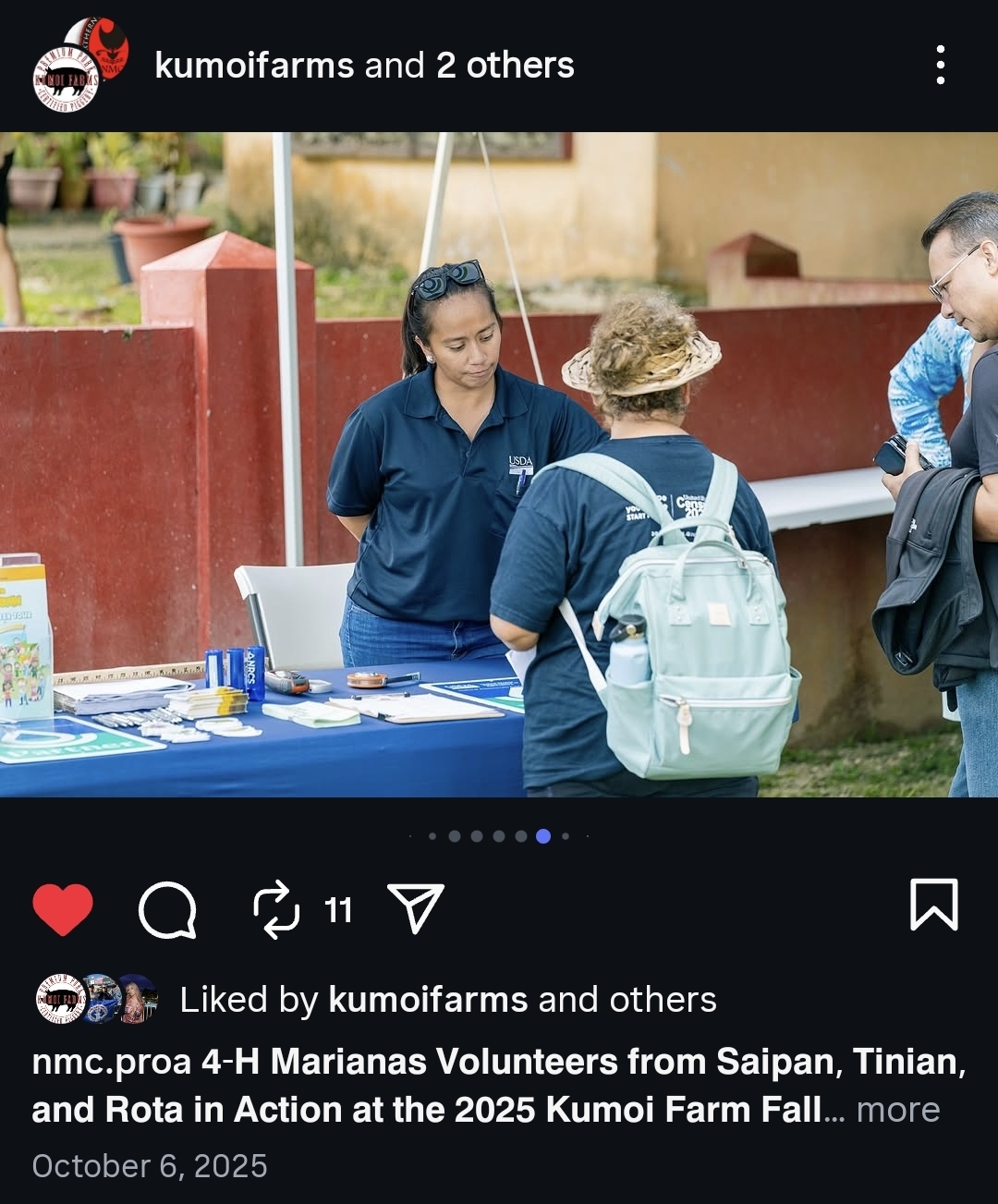
The first demonstration was held on September 20, 2025, at Kumoi Farms in the morning prior to the field day event and was attended by approximately 20 registered participants, including local producers and agricultural professionals. The project’s technical advisor and staff from the United States Department of Agriculture Natural Resources Conservation Service supported the event and provided additional conservation outreach.
A second demonstration was conducted on February 13, 2026, on the island of Tinian. This demonstration was held on a private farm at the request of the landowner and was limited in size, with 5 community participants. The format was informal and focused on discussion and question-and-answer engagement.
A third demonstration was conducted at Kumoi Farms in late April 2026 following major storm impacts. This session included 8 community participants and focused on post-disruption conditions, project findings, and practical application of techniques. This demonstration also utilized an informal, discussion-based format.
Across all demonstrations, outreach emphasized:
- Temporary individual farrowing system design and use
- Hydration and environmental management strategies
- Observed research outcomes and practical implications
QR codes and printed materials were provided for pre- and post-surveys; however, participation in surveys was minimal due to IRB-related limitations and participant preference for direct discussion.
Field Day and Farm Tours (1 Major Event)
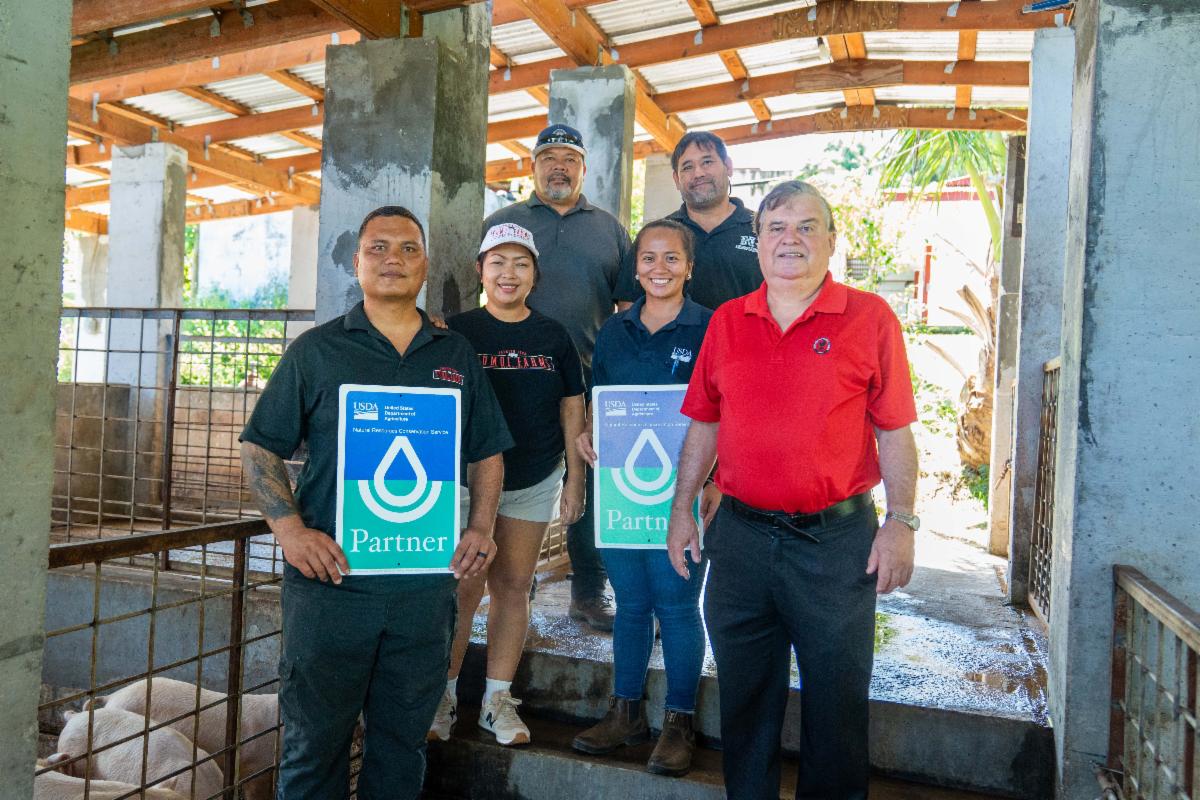
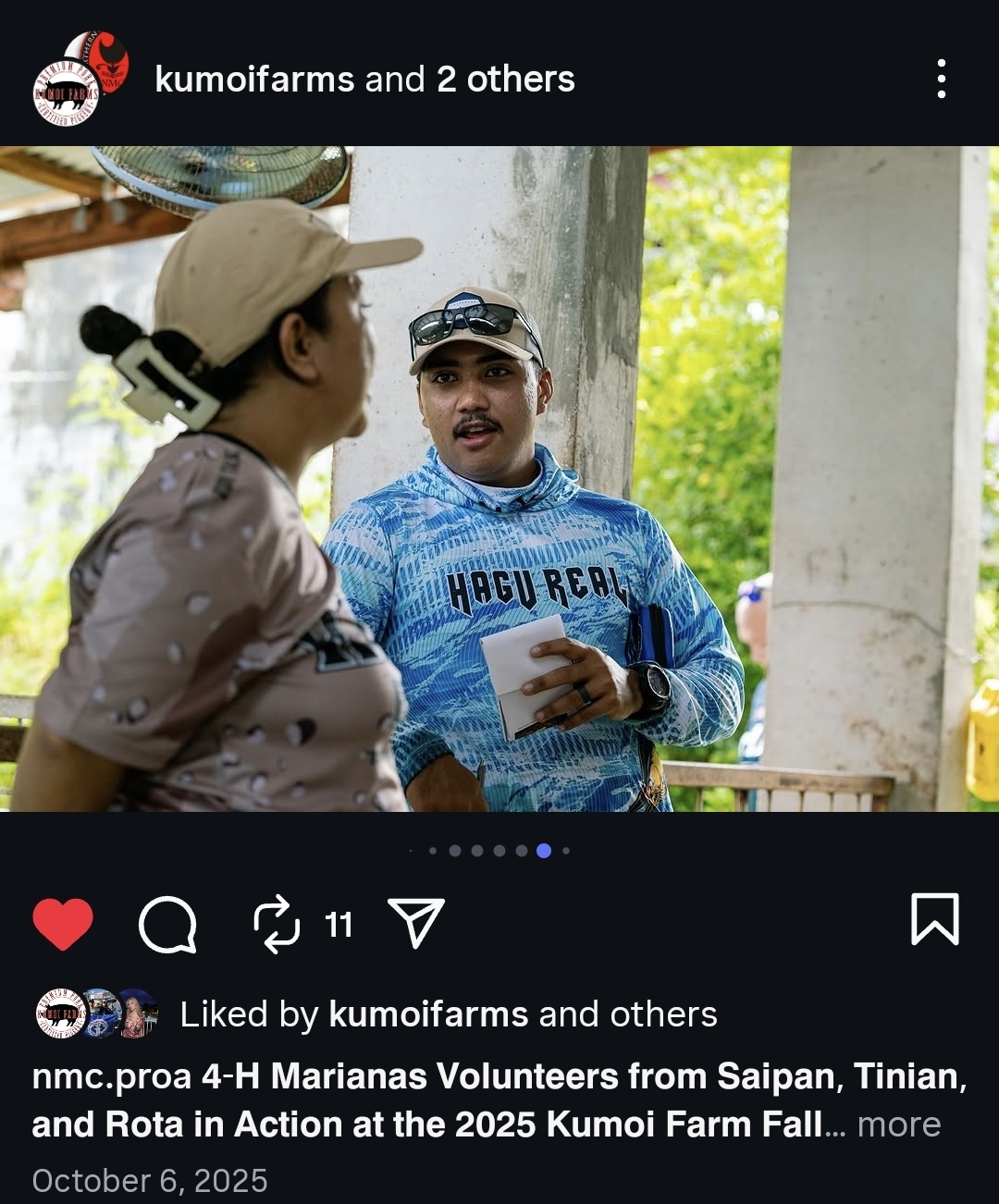
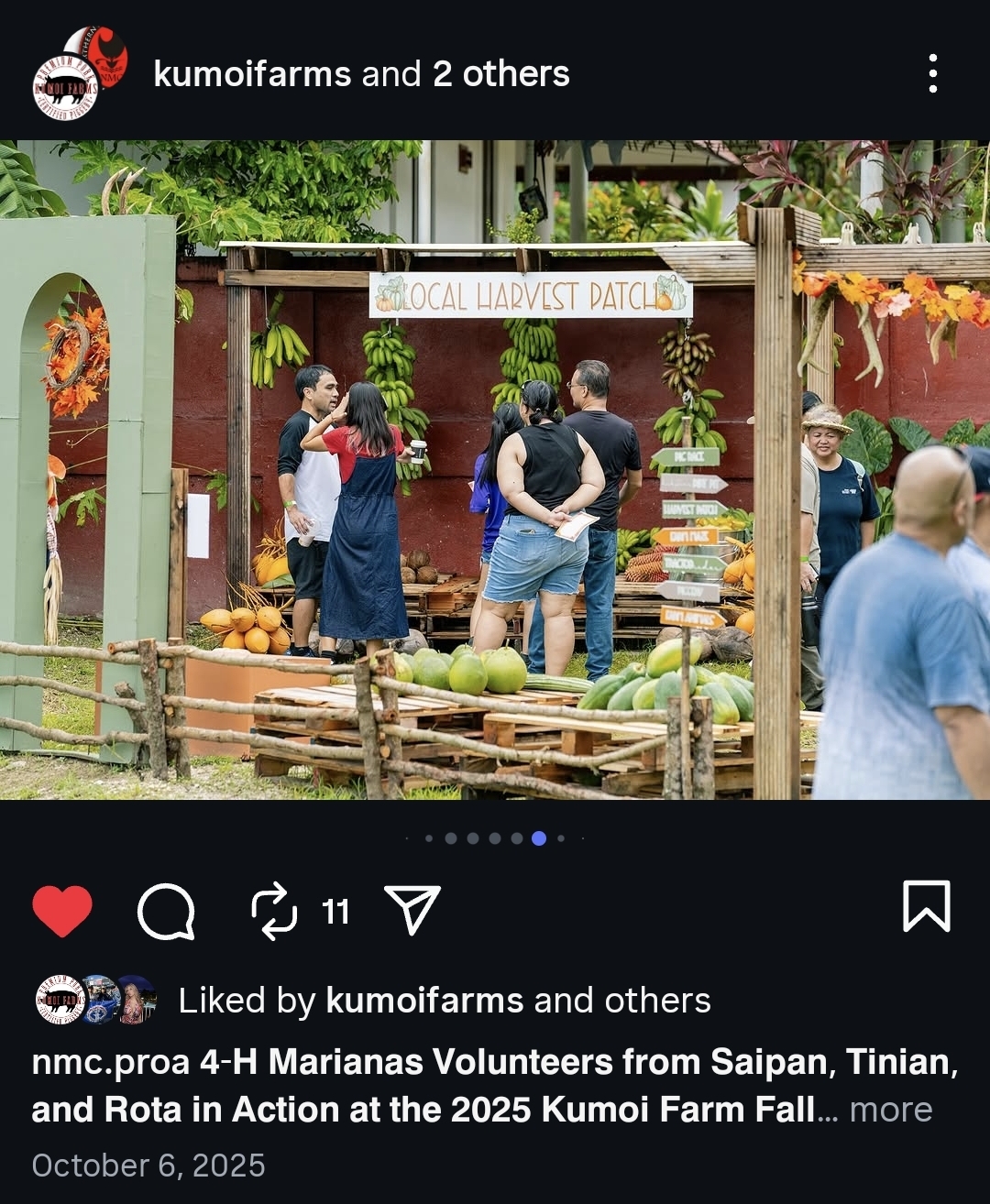
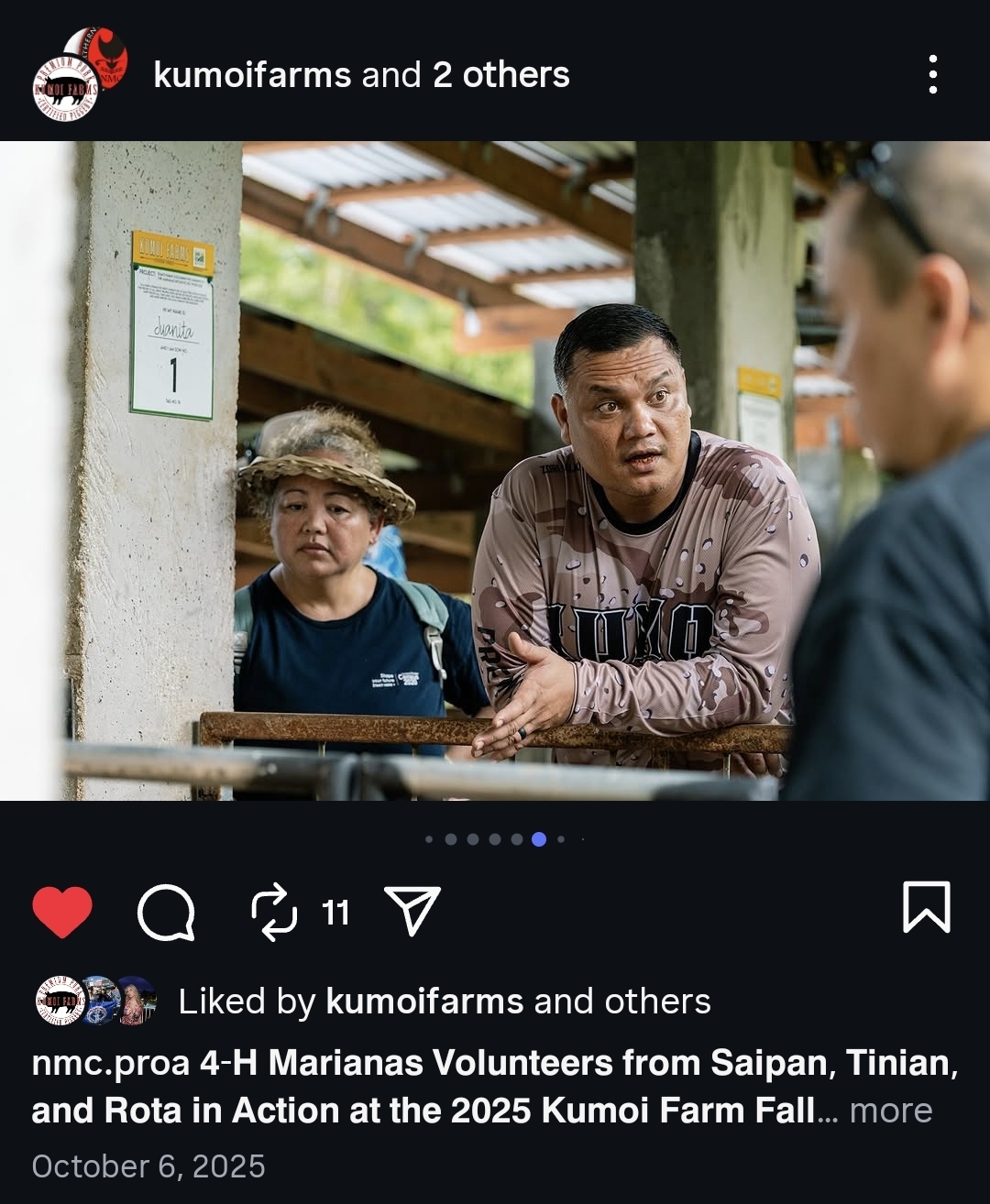
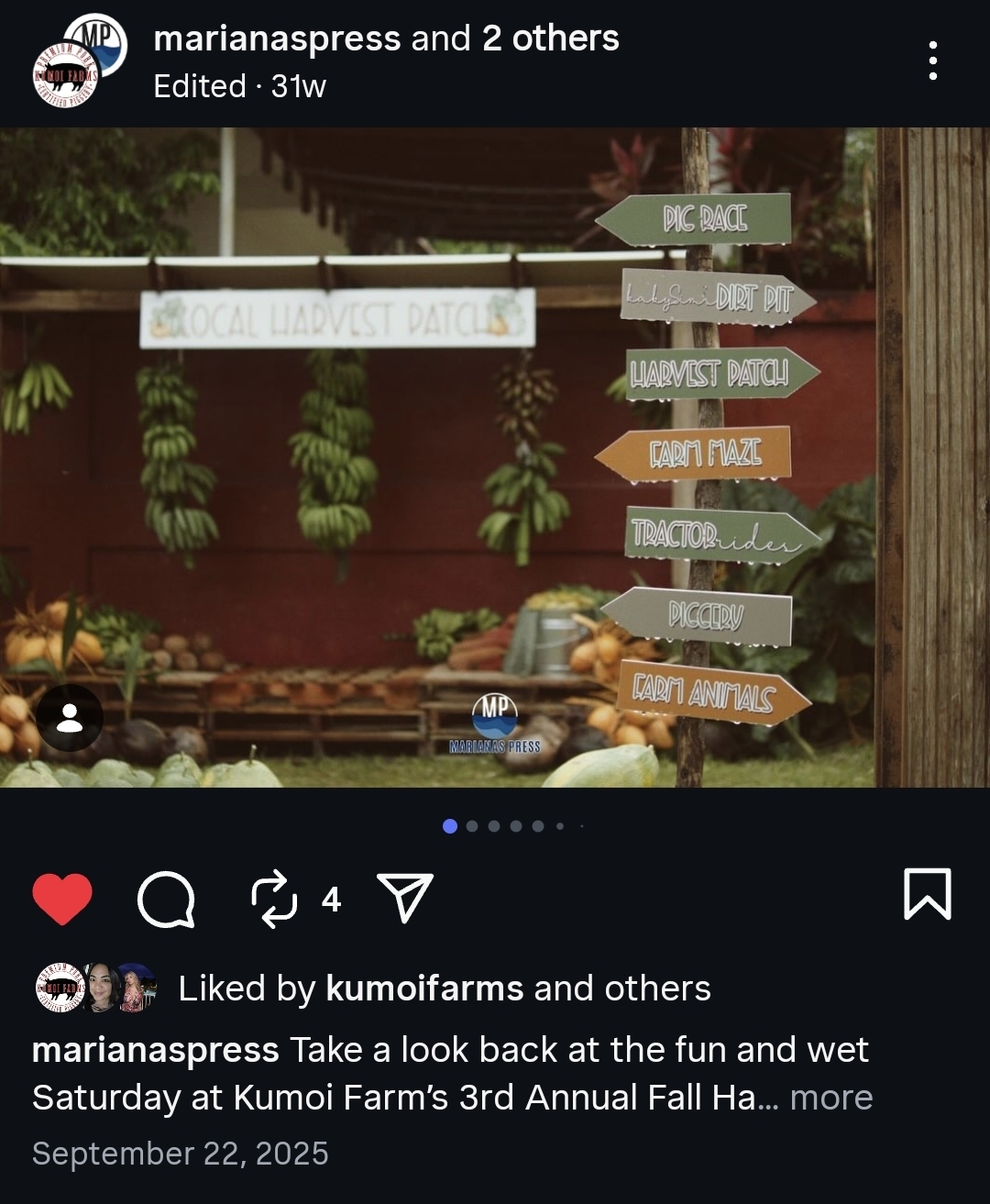
A major field day was conducted on September 20, 2025, at Kumoi Farms as the primary outreach event for the project. The event was highly attended, with approximately 342 registered participants, in addition to 50 Kumoi Farms volunteers and family members and 43 4-H Marianas youth volunteers.
Participants included farmers, agricultural professionals, students, and community members. Activities included:
- Guided farm tours showcasing research infrastructure and conservation practices
- Demonstrations of pig management strategies and farrowing system design
- Educational presentations on environmental impacts on swine production
- Participation from 8 local producers who showcased livestock and agricultural products
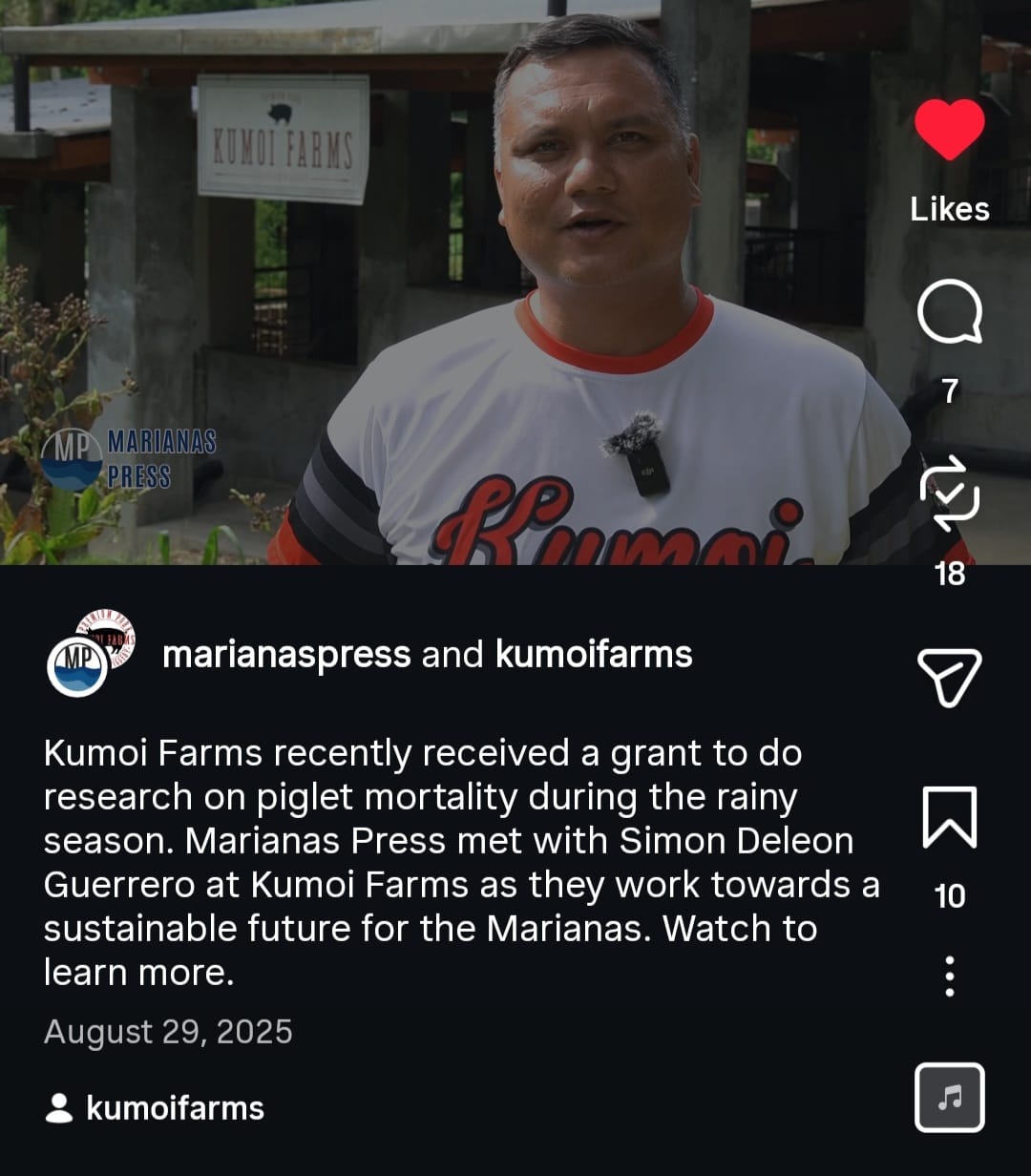
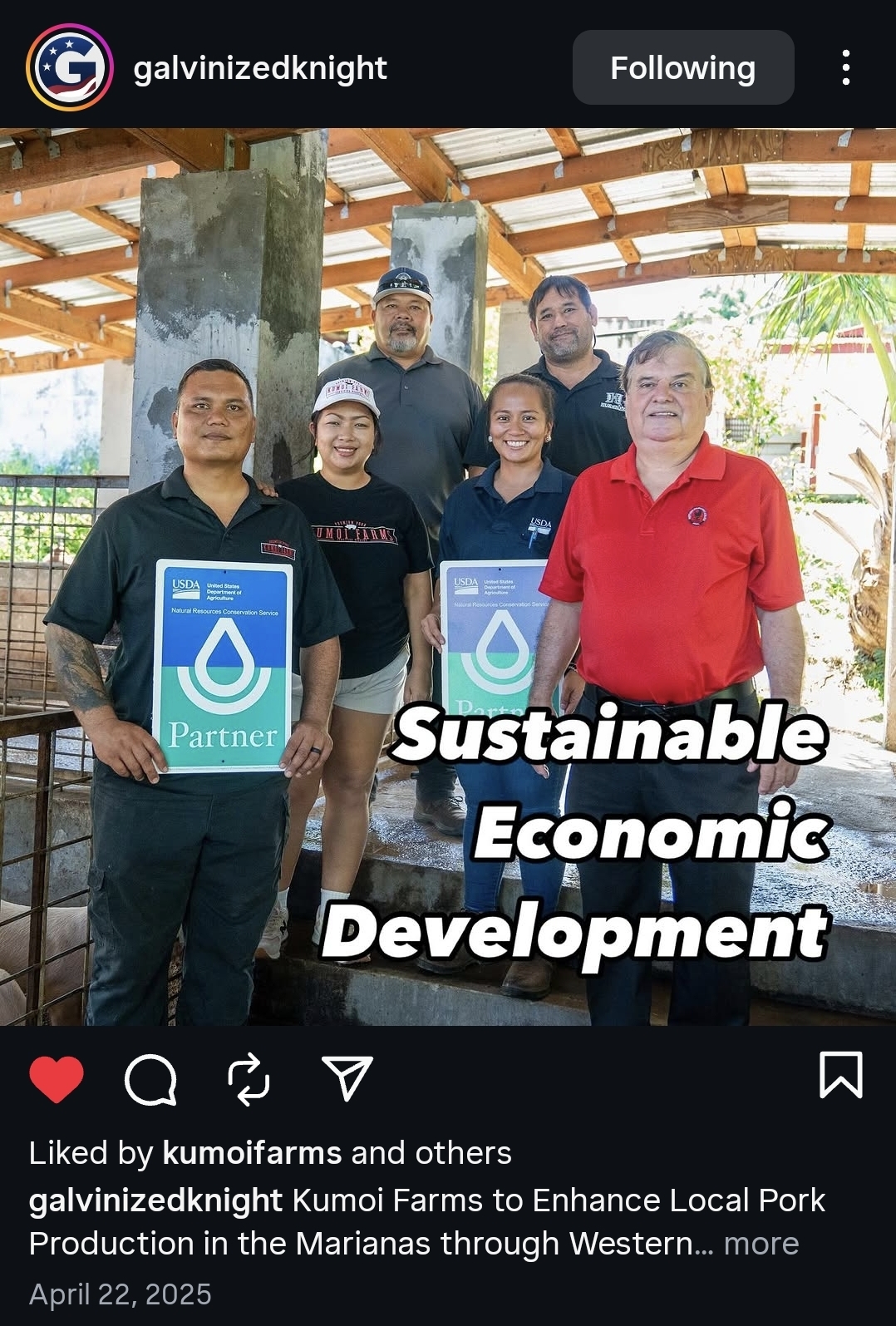
The event generated extensive media coverage, including pre-event features, live coverage, and post-event reporting through local news outlets, social media platforms, and an official release by the Northern Marianas College Cooperative Research, Extension, and Education Service. Approximately 200 brochures were printed and distributed; actual farm tour participation exceeded initial expectations, and exact counts were not recorded due to high attendance.
Pre- and post-surveys were made available but yielded minimal responses due to limited participant engagement with formal survey methods.
Video and Digital Outreach
A series of three educational video presentations was developed to document and demonstrate project methods and findings. In addition, a 3-minute and 58-second introductory video was produced and shared across Kumoi Farms’ website and social media platforms, including YouTube, Instagram, and Facebook.
Full completion and dissemination of the three-part video series were delayed due to infrastructure impacts from Typhoon Sinlaku, including loss of electricity and limited internet connectivity. Filming and editing were largely completed prior to the storm; however, final voiceover production and uploading remain pending restoration of stable services.
Factsheets and Educational Materials
Project factsheets summarizing research methods, findings, and recommended practices were completed during the project period. Dissemination of these materials has been delayed due to post-typhoon infrastructure limitations affecting communication and internet access.
Upon restoration of services, factsheets will be distributed electronically and through partner networks, including the Marianas Producers Association, the Department of Lands and Natural Resources Animal Health Section, and Northern Marianas College Cooperative Research, Extension, and Education Service, as well as to event participants and the broader community.
Analysis of Educational Outcomes
Educational outreach effectiveness was evaluated through participant engagement, attendance, and qualitative feedback rather than formal survey data.
Key observations include:
- Strong community participation, particularly at the field day event
- High level of interest in the temporary individual farrowing system, with multiple producers requesting designs and expressing intent to replicate the system
- Moderate interest in hydration and environmental management strategies
- Continued engagement and support from agricultural partners and institutions
Survey-based evaluation was limited due to low response rates; however, direct interaction and feedback indicated increased awareness and practical interest in adopting improved swine management practices.
Summary
Despite challenges including limited survey participation and significant disruption caused by Typhoon Sinlaku, the education and outreach objectives were successfully implemented. The project achieved substantial community engagement, demonstrated practical solutions for local producers, and generated strong interest in continued collaboration and adoption of sustainable agricultural practices.
Educational outreach activities resulted in strong community engagement, high attendance at in-person events, and meaningful interest from local producers and agricultural partners.
The September 20, 2025 field day was the most impactful outreach activity, with approximately 342 registered participants, in addition to 93 volunteers. The event successfully reached a broad audience, including farmers, students, agricultural professionals, and community members. Media coverage before, during, and after the event significantly expanded outreach beyond in-person participation and increased public awareness of sustainable swine production practices.
Farmer-to-farmer demonstrations provided more focused engagement with producers. Across the three demonstrations, participants showed:
- Strong interest in the temporary individual farrowing system, with multiple producers requesting design information and expressing intent to replicate the system
- Moderate interest in hydration and environmental management practices, with some producers indicating potential adoption depending on resource availability
The most effective outreach methods were:
- Hands-on demonstrations and visual learning
- Informal, discussion-based (Q&A) engagement
- Real-world examples of farm implementation
Survey-based evaluation methods were limited in effectiveness due to low participation, largely influenced by IRB-related restrictions and participant preference for direct interaction. However, qualitative feedback, direct conversations, and continued partner engagement indicated increased awareness and knowledge transfer.
Despite infrastructure challenges caused by Typhoon Sinlaku, outreach efforts remained impactful, and interest in the project’s findings continued during the recovery period.
Education and Outreach Outcomes
Based on the education and outreach activities conducted through this project, several key recommendations are identified for effectively disseminating agricultural research results and improving stakeholder understanding of sustainable agriculture in the Marianas.
First, hands-on, visual, and demonstration-based learning methods are the most effective for engaging local producers. Farmer-to-farmer demonstrations and live field activities generated significantly more interest and participation compared to traditional lecture-style presentations. Participants showed a stronger understanding of project outcomes when they were able to physically observe and discuss real-world applications, such as the temporary individual farrowing system.
Second, informal, discussion-based formats are more effective than structured survey-based engagement in this region. While pre- and post-surveys were made available, participation was minimal due to lack of interest and IRB-related limitations. In contrast, open dialogue and question-and-answer sessions resulted in meaningful knowledge exchange, direct feedback, and stronger engagement from producers and community members. Future outreach efforts should prioritize conversational and participatory approaches over formal evaluation tools when appropriate.
Third, community-scale events combined with media outreach significantly expand impact. The field day demonstrated that large, well-promoted events can successfully reach a wide and diverse audience, especially when supported by local media coverage and partner organizations. Media exposure before, during, and after the event amplified awareness beyond in-person participants and contributed to broader community understanding of sustainable agriculture.
Fourth, locally relevant and practical solutions drive adoption. Producers expressed the highest level of interest in the temporary individual farrowing system because it was low-cost, adaptable, and directly applicable to their existing operations. Outreach efforts should continue to emphasize solutions that are realistic within local resource constraints and environmental conditions.
Fifth, digital outreach is valuable but dependent on infrastructure stability. Video-based education and social media platforms offer strong potential for long-term dissemination of research findings; however, disruptions caused by Typhoon Sinlaku highlighted the vulnerability of relying solely on digital methods. A combination of in-person engagement and digital dissemination is recommended to ensure continuity.
Finally, this project improved stakeholder understanding of agricultural sustainability by demonstrating the direct relationship between environmental conditions, animal welfare, and production outcomes. Participants gained increased awareness of how conservation practices and adaptive management strategies can improve both productivity and resilience. Continued interest from producers and partner organizations indicates that the project contributed to a growing recognition of sustainable agriculture as essential to strengthening local food systems and community resilience.
Farrowing system design and piglet crushing prevention:
Strong interest in replication of temporary individual farrowing system;
Increased awareness of low-cost structural modifications to reduce piglet mortalityHeat stress and environmental management in tropical livestock systems:
Improved understanding of how humidity, rainfall variability, and temperature affect pig productivityHydration, feeding, and basic animal care adjustments for swine production:
Some producers reported interest in adjusting hydration practices during heat stress periodsAwareness of local food security and production vulnerability:
Increased recognition of dependence on imported pork and importance of local production resilienceAdoption of observation-based livestock management practices:
Producers expressed increased willingness to monitor litter outcomes and environmental conditions more closely