Final report for GS24-299
Project Information
Cover crops are essential for improving soil health, enhancing nutrient availability, and reducing management costs for subsequent main crops. However, most organic growers in the southern United States leave fields fallow during summer because of the limited availability of regionally adapted cover crops that can tolerate high temperatures. Tepary bean (Phaseolus acutifolius) is a promising alternative due to its adaptation to hot, dry regions, nitrogen-fixing ability, and potential to improve soil fertility for succeeding crops.
This project evaluated the genetic potential of USDA tepary bean germplasm for various agronomic and nutritional traits and compared summer legume cover crops for their effects on soil microbial communities. The goal was to identify genetic resources and improve understanding of plant-soil interactions to support the development and adoption of summer cover cropping systems for sustainable vegetable production. A panel of USDA tepary bean accessions was evaluated under field conditions using an augmented experimental design. Agronomic and nutritional traits, including biomass production, flowering time, nitrogen-related characteristics, and leaf and seed amino acid concentrations, were measured. Genotyping-by-sequencing (GBS) data were integrated with phenotypic observations to perform genome-wide association studies (GWAS) and identify genomic regions associated with important agronomic traits. In parallel, a comparative field study evaluated summer legume cover crops such as cowpea, sunn hemp, and tepary bean to determine their influence on rhizosphere microbial communities using high-throughput sequencing. Soil microbial composition and functional potential were characterized to understand how different cover crop species influence soil health and microbial communities.
This project identified significant genetic variation among tepary bean accessions for traits including biomass, flowering time, nitrogen-related traits, and other agronomically important characteristics. GWAS identified genomic regions and candidate genes associated with these traits, providing valuable inputs for future breeding efforts. The rhizosphere microbiome study demonstrated that summer legume cover crops support distinct microbial communities with functions related to nutrient cycling and soil health. Although our project primarily generated foundational research, these findings provide practical guidance for adopting tepary bean and other summer legume cover crops in organic vegetable production, supporting the future development of improved tepary bean cultivars and cover cropping systems in the southern United States.
- To evaluate the USDA tepary bean (Phaseolus acutifolius) accessions under organic field conditions and identify genomic regions associated with agronomically and nutritionally important traits, using genome-wide association studies (GWAS).
- To compare summer legume cover crops (tepary bean, cowpea, and sunn hemp) for their effects on soil microbial communities, soil health, and the productivity of subsequent organic spinach production.
Objective 1: A panel of tepary bean accessions was phenotyped under organic production conditions for key agronomic and physiological traits. Phenotypic data were integrated with genotyping-by-sequencing (GBS) data to perform GWAS and identify significant marker-trait associations. This work provided valuable genomic resources and candidate genes to support future breeding efforts to develop tepary bean cultivars suitable for sustainable agricultural systems.
Objective 2: A comparative field study evaluated tepary bean alongside other summer legume cover crops (cowpea and sunn hemp) to determine their influence on rhizosphere microbial composition and functional potential using amplicon sequencing. Soil health indicators and crop performance were assessed to understand how different cover crop species contribute to nutrient cycling and sustainable production. The results provide insights into selecting cover crop species that improve soil health and support organic cropping systems.
Research
Materials and Methods
This project was conducted on a certified organic farm of the Texas A&M AgriLife Research and Extension Center, Uvalde, Texas, during the 2024-25 and 2025-26 growing seasons.
Objective 1: To evaluate the USDA tepary bean (Phaseolus acutifolius) accessions under organic field conditions and identify genomic regions associated with agronomically and nutritionally important traits, using genome-wide association studies (GWAS).
Tepary bean evaluation panel: The tepary bean evaluation panel consisted of 206 USDA germplasm accessions (Phaseolus acutifolius) obtained from the USDA-ARS Western Regional Plant Introduction Station, Pullman, Washington. In addition, four commercially available tepary bean cultivars: Sacaton Brown, Sonoran White, Blue Speckled, and Black tepary bean, were included as check varieties to provide reference standards for agronomic performance under organic production conditions.
Field Design
Research plots were established in June 2024 at the certified organic research farm of the Texas A&M AgriLife Research and Extension Center, Uvalde, Texas. The experiment was conducted using an augmented block design, with the tepary bean panel distributed across five blocks. The four commercial check varieties were replicated and randomized within each block to facilitate comparison among accessions. Standard organic production practices, including minimum tillage, drip irrigation, and OMRI-approved biopesticides for insect management, were followed throughout the growing season to ensure crop growth and reliable phenotypic evaluation under organic conditions.
Phenotyping traits
Phenotypic evaluations were conducted throughout the growing season and at physiological maturity to characterize agronomic and nutritional traits associated with tepary bean performance under certified organic production.
Days to Flowering: Flowering time was recorded as the number of days from sowing to at least 50% flowering for each accession.
Biomass Production: Above-ground biomass was measured at the flowering stage to evaluate the potential of each accession as a summer cover crop and source of organic matter. Fresh biomass was recorded immediately after harvest, and samples were oven-dried to determine dry biomass accumulation.
Nitrogen-Use Efficiency (NUE): Nitrogen-use efficiency was evaluated by measuring plant nitrogen accumulation and soil nitrogen availability. Plant tissues were analyzed for total Kjeldahl nitrogen (TKN) and nitrate concentrations, while soil nitrogen data were integrated to calculate nitrogen-use efficiency indices for each accession.
Leaf Amino Acid Analysis: Leaf samples collected at flowering were freeze-dried using a lyophilizer, finely ground, and analyzed for amino acid composition using Water’s UPLC-MS/MS and established protocols in Joshi Lab. These analyses provided insight into nitrogen metabolism and physiological responses among tepary bean accessions.
Seed Protein and Amino Acid Analysis: Mature seeds were harvested at physiological maturity and analyzed for total soluble protein content using the Bradford assay. Seed amino acid composition was quantified using UPLC-MS/MS following established laboratory protocols. These analyses were conducted to evaluate nutritional quality and identify accessions with superior seed composition for future breeding efforts.
Protein and amino acid extraction and analysis
Total soluble protein was quantified from harvested seeds. 15–18 mg of finely ground seed meal per accession was extracted in 0.1 M NaOH, subjected to ultrasonication (15 min, Model: Branson 5200), and clarified by centrifugation at ≈ 16,000 × g for 15 min at 4 °C (Eppendorf Centrifuge 5425R). Supernatants were stored at −80 °C until analysis. Extracts were diluted 10X, and 20 μL aliquots were incubated with 180 μL Bradford reagent (Thermo Scientific™ Pierce™ Bradford Plus Protein Assay Kit) for 10 min in 96‑well plates. Absorbance at 595 nm was read on a Thermo Fisher Varioskan LUX. A BSA standard curve (0.125–2 mg mL⁻¹; **R² ≥ 0.99) was used to compute protein concentration (mg mL⁻¹), which was converted to total soluble protein.
Leaf amino acids were analyzed using established protocols (Joshi et al, 2019). At flowering, fully expanded leaves were sampled on dry ice, freeze-dried using a lyophilizer, and ground with stainless steel balls (Abbott Ball Co., West Hartford, CT, USA) in a Harbil 5G-HD shaker. Approximately 16–18 mg of powder was extracted and derivatized using AccQ.Tag™ 3X Ultra-Fluor kit (Walters Corp., Milford, MA, USA), then quantified using a Waters Acquity H-class UPLC system equipped with a Waters Xevo TQ mass spectrometer with an electrospray ionization (ESI) probe, which was used to detect individual amino acids. IntelliStart software (Waters Corp., Milford, MA, USA) was used to optimize each amino acid multiple reaction monitoring (MRM) transition, collision energy values, and cone voltage. Instrument monitoring and data acquisition were performed using Waters’ MassLynx software. Data integration, calibration curves, and amino acid quantification were performed using the TargetLynx application manager.
DNA Extraction, Genotyping, and Population Structure Analysis
Young leaf samples were collected from tepary bean accessions and stored at −80°C until further processing. Approximately 80-100 mg of frozen leaf tissue was homogenized using a TissueLyser with 3mm stainless steel beads, and genomic DNA was extracted using the Qiagen DNeasy Plant Mini Kit following the manufacturer's protocol. DNA quality and concentration were assessed using a DeNovix DS-11 Series Spectrophotometer, and high-quality DNA samples were submitted to the University of Minnesota Genomics Center for Genotyping-by-Sequencing (GBS) library preparation and sequencing. The ApeKI restriction enzyme was used for library construction, and high-quality sequence reads were aligned to the Phaseolus acutifolius v1.0 reference genome for SNP discovery. After quality filtering and genotype imputation, a total of 140,936 SNP markers representing 49,384 loci were retained for downstream analyses. Population structure was evaluated using STRUCTURE v2.3.4 following linkage disequilibrium pruning with the PLINK pipeline, resulting in 2,869 high-quality, non-redundant SNPs. The optimal number of genetic subpopulations was determined using the ΔK method implemented in Structure Harvester. Principal component analysis (PCA) was also performed to evaluate genetic relationships among accessions, and the first five principal components were included as covariates in subsequent genome-wide association analyses to account for population structure. GWAS was conducted using the BLINK (Bayesian-information and Linkage-disequilibrium Iteratively Nested Keyway) model to identify significant marker-trait associations and candidate genes associated with biomass production, flowering time, nitrogen-use efficiency, protein content, amino acid composition, and seed traits.
Objective 2: To compare summer legume cover crops (tepary bean, cowpea, and sunn hemp) for their effects on soil microbial communities, soil health, and the productivity of subsequent organic spinach production.
Experimental Design
A field experiment was conducted at the certified organic farm at Texas A&M AgriLife Research and Extension Center, Uvalde, Texas, using a randomized complete block design with three replications. The study included four commercially available tepary bean cultivars (Sacaton Brown, Sonoran White, Blue Speckled, and Black tepary), three cowpea cultivars (TX001, TX002, and CB46), one sunn hemp cultivar (Crescent Sunn), and a fallow treatment without cover crops that served as the control. Standard certified organic production practices, including drip irrigation and OMRI-approved pest management products, were followed throughout the experiment.
Cover Crop Termination and Spinach Cultivation
Cover crops were grown until the flowering stage (approximately 40–45 days after sowing) and were mechanically incorporated into the soil. The residues were allowed to decompose for approximately 30–50 days before planting the fall cash crop. Organic spinach (Spinacia oleracea L., cultivar: Space) was then sown into all plots following certified organic production practices. Spinach was harvested at the vegetative stage (65–75 days after planting) to evaluate the effects of preceding cover crops on crop establishment and biomass production.
Plant and Soil Analysis
Cover crop performance was evaluated by measuring above-ground biomass, both fresh and dry, after flowering. Soil samples were collected before cover crop establishment, at cover crop harvest, and following cover crop decomposition to determine changes in soil nitrate (NO₃⁻). Spinach biomass was recorded at harvest to evaluate crop productivity following different cover crop treatments.
Rhizosphere Soil DNA Extraction and Microbiome Analysis
Rhizosphere and bulk soil samples were collected from each treatment before cover crop termination to evaluate soil microbial communities. Soil DNA was extracted using the Qiagen DNeasy PowerSoil Pro Kit, and bacterial community composition was characterized through 16S rRNA amplicon sequencing using the Illumina platform. Sequencing data were processed using bioinformatics pipelines to evaluate microbial composition and predicted functional pathways. Microbial richness and evenness, community composition, principal coordinate analysis (PCoA), differential abundance analysis (LEfSe), and PICRUSt2 functional predictions were used to determine the effects of different summer legume cover crops on soil microbial composition under organic production systems.
Objective 1
Phenotypic variations across tepary bean panel
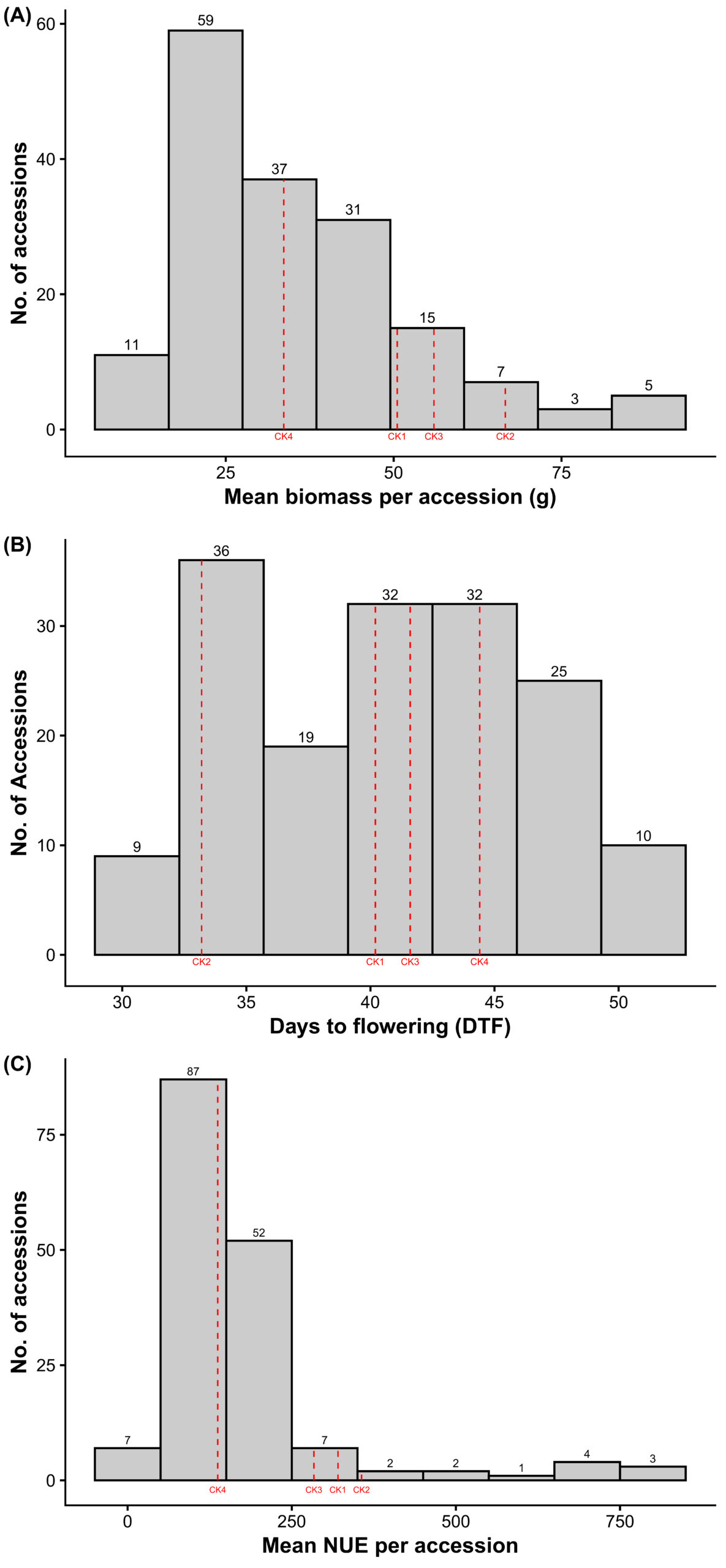
A wide range of phenotypic distribution was observed among the 206 tepary bean accessions and four commercial checks. Figure 1 shows the distribution of some of the measured phenotypic traits (Biomass, Days to flower and Relative NUE-index). This wide variation demonstrated the potential of tepary bean germplasm as a valuable genetic resource for developing improved cultivars adapted to sustainable and low-input agricultural systems.
Population structure and genetic relatedness
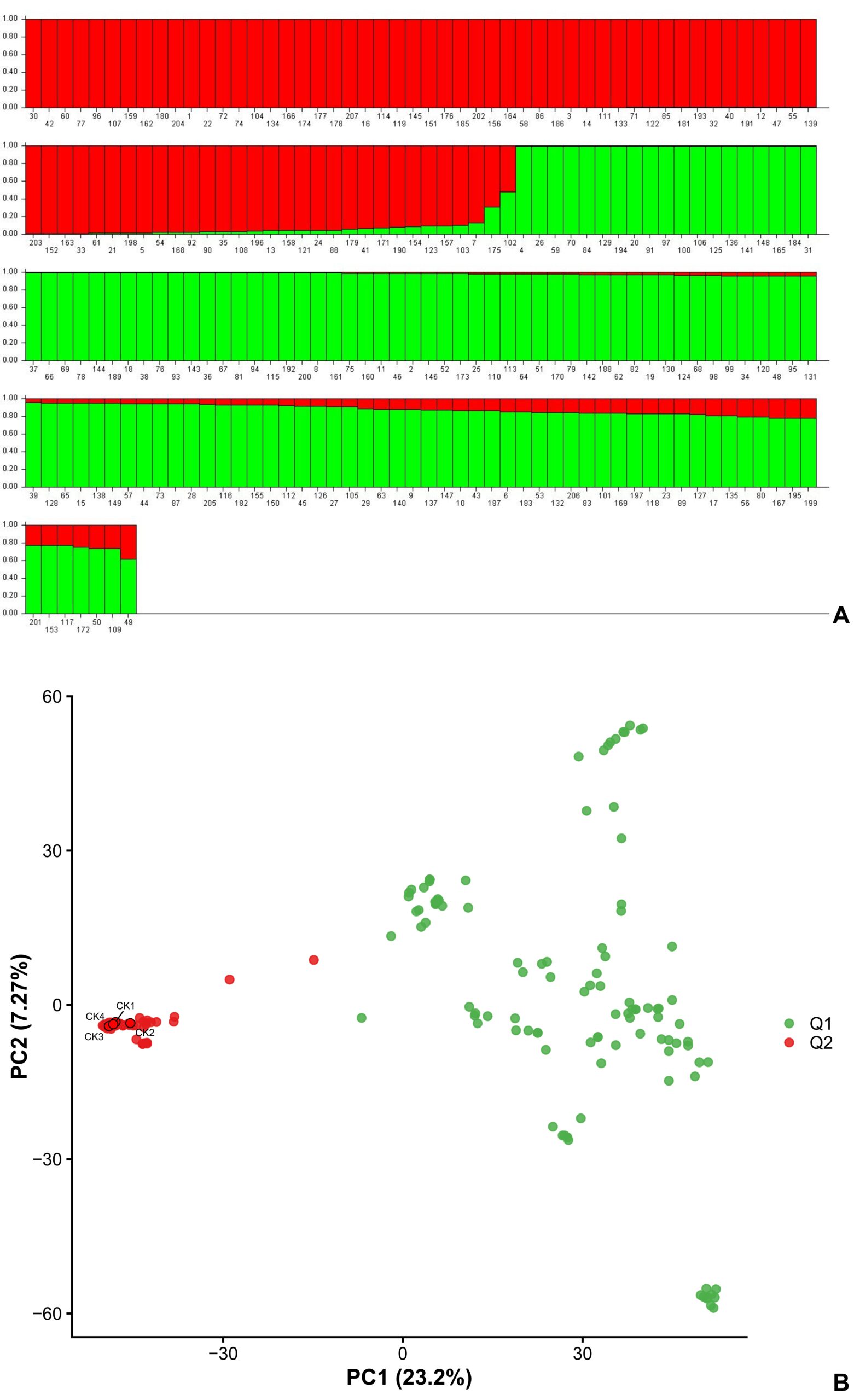
STRUCTURE and PCA analyses revealed two major sub-populations (K = 2) among the accessions. Approximately 120 accessions were grouped into Q1, and ~80 accessions were grouped into Q2. All commercial check varieties clustered in Q2, suggesting a narrow genetic base among improved tepary cultivars than among landrace accessions. PCA corroborated these findings, with PC1 (23.2%) and PC2 (7.3%) distinguishing check varieties from the broader genetic variations of the panel (Figure 2). This structure was controlled for in all models of genome-wide association studies (GWAS).
Genome-Wide Association Studies (GWAS) of tepary bean panel
Genome-wide association studies (GWAS) identified significant marker-trait associations for several important traits. Candidate gene discovery revealed potential genes associated with plant growth, flowering regulation, nitrogen metabolism, protein biosynthesis, and seed development, providing valuable genomic inputs for marker-assisted breeding of tepary bean cultivars. Detailed Manhattan plots and additional data were presented in peer-reviewed manuscripts.
Objective 2
Cover crop biomass, soil nitrate and spinach production
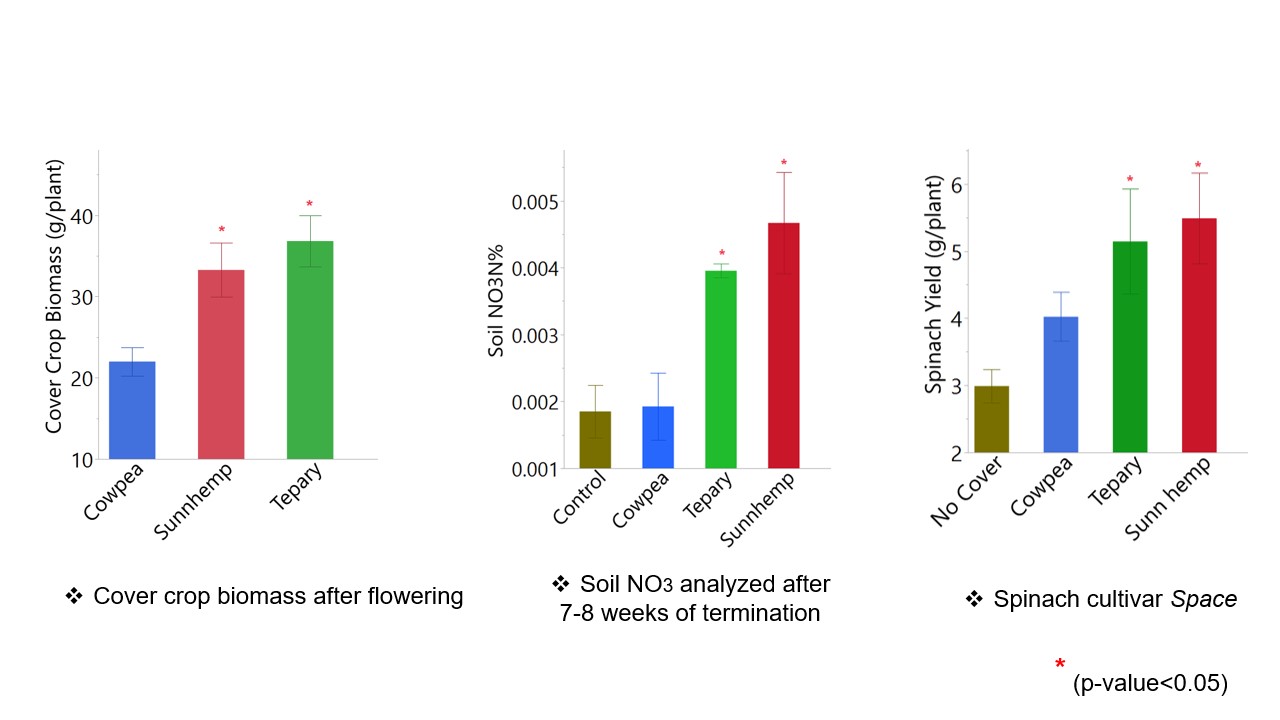
Above-ground biomass differed significantly among the evaluated summer legume cover crops. Tepary bean produced the highest fresh (67–217 g plant⁻¹) and dry biomass (23–57.5 g plant⁻¹), followed by sunn hemp (55–121.5 and 21.5–51 g plant⁻¹) and cowpea (39.5–93.5 and 15.5–31.3 g plant⁻¹). ANOVA indicated that both tepary bean and sunn hemp produced significantly greater biomass than cowpea (p < 0.05), while no significant difference was observed between tepary bean and sunn hemp. Soil nitrate concentrations increased following cover crop decomposition (0.0017–0.0035%), although differences among sampling periods were not statistically significant (p > 0.05). The preceding cover crop significantly influenced subsequent organic spinach productivity (p < 0.05), with tepary bean and sunn hemp producing significantly greater spinach biomass than cowpea and fallow treatments. These findings demonstrate that tepary bean performs comparably to sunn hemp as a summer cover crop by producing high biomass and supporting subsequent organic spinach production under certified organic conditions (Figure 3).
Rhizosphere microbial community composition
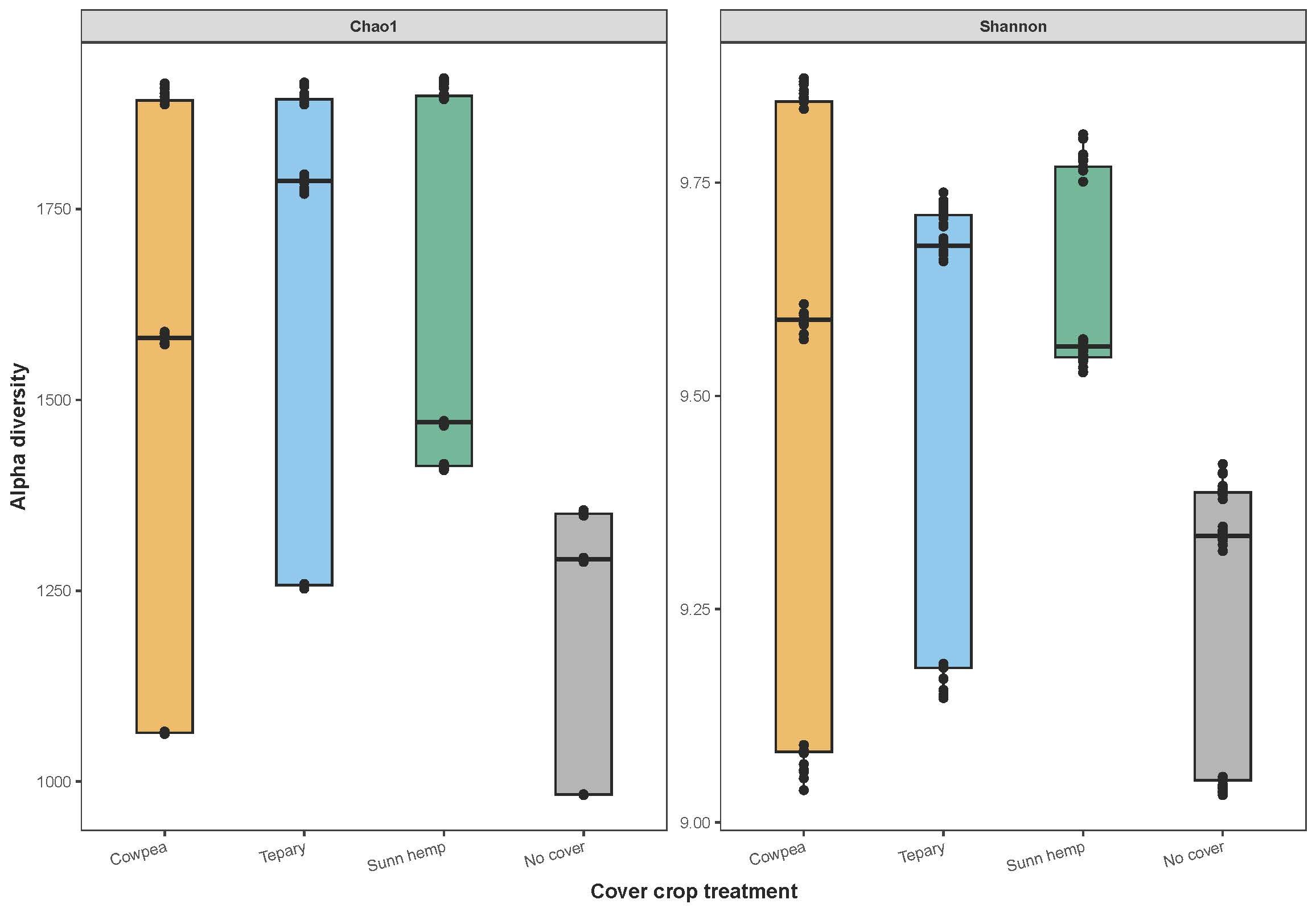
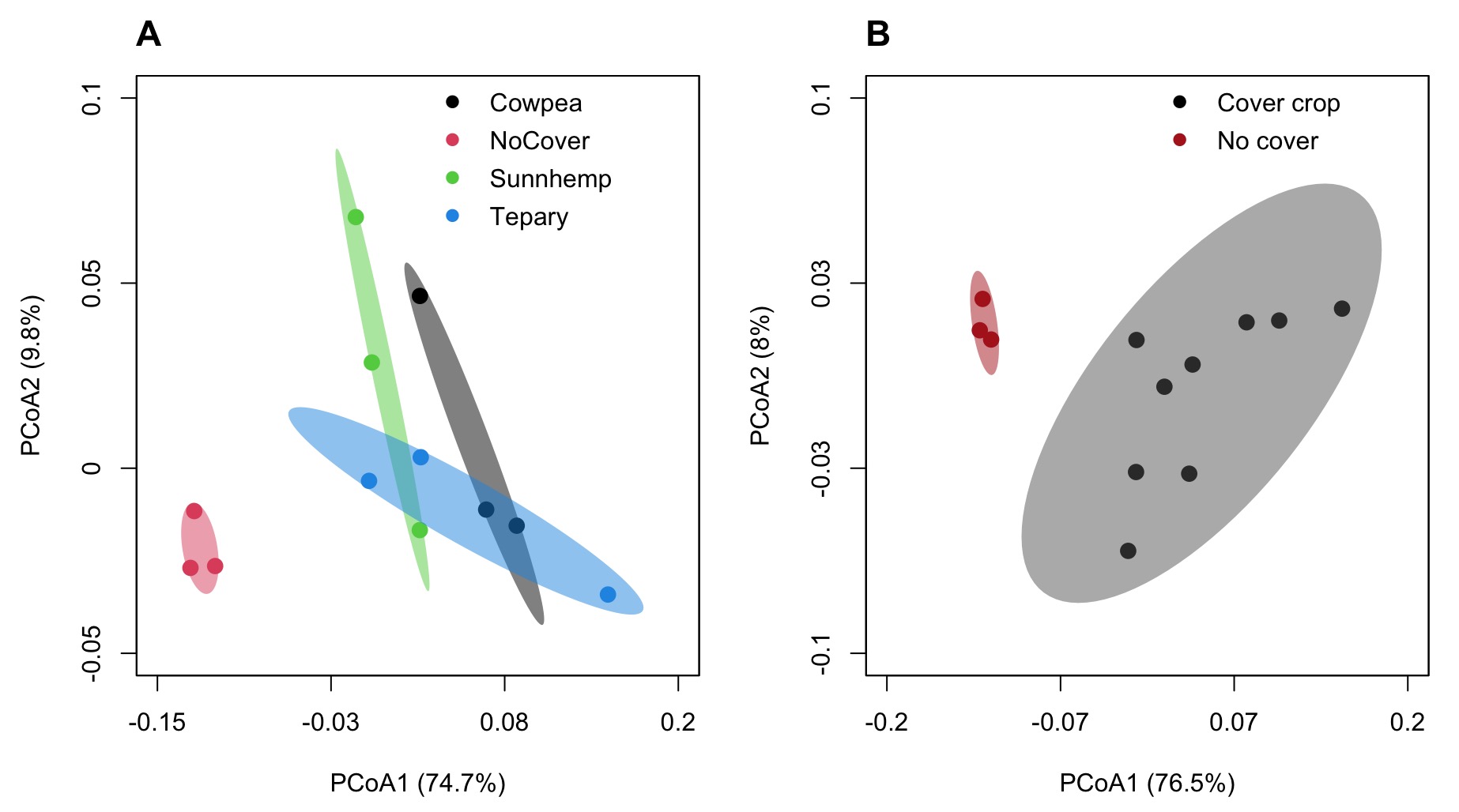
Sequencing of rhizosphere bacterial communities from tepary bean, cowpea, sunn hemp, and fallow soil generated 2.31 million raw reads, resulting in 954,484 high-quality, chimera-free sequences and 17,924 unique amplicon sequence variants (ASVs) for downstream analysis. A total of 1,060 ASVs were shared among all treatments, while cowpea (600), sunn hemp (624), tepary bean (565), and fallow soil (341) each contained unique bacterial taxa, demonstrating species-specific microbial recruitment. Microbial richness and evenness analyses (Figure 4) (Chao1 and Shannon indices) indicated no significant differences in bacterial richness among treatments (p = 0.347), although legume rhizospheres consistently exhibited greater richness than fallow soil. In contrast, microbial community composition analyses (Figure 5) (Weighted UniFrac, Bray-Curtis, and PCoA) revealed clear separation between cover crop rhizospheres and the no-cover control, indicating that summer legume cover crops significantly altered rhizosphere bacterial community composition (Weighted UniFrac: F = 5.70, R² = 0.68, p = 0.003; Bray-Curtis: F = 4.28, R² = 0.30, p = 0.006). Differences among the three legume species were comparatively small, suggesting that while legume cover crops consistently reshape soil microbial communities relative to fallow soil, species-specific effects are relatively minor.
Rhizosphere Taxonomic Distribution and Predicted Microbial Functions
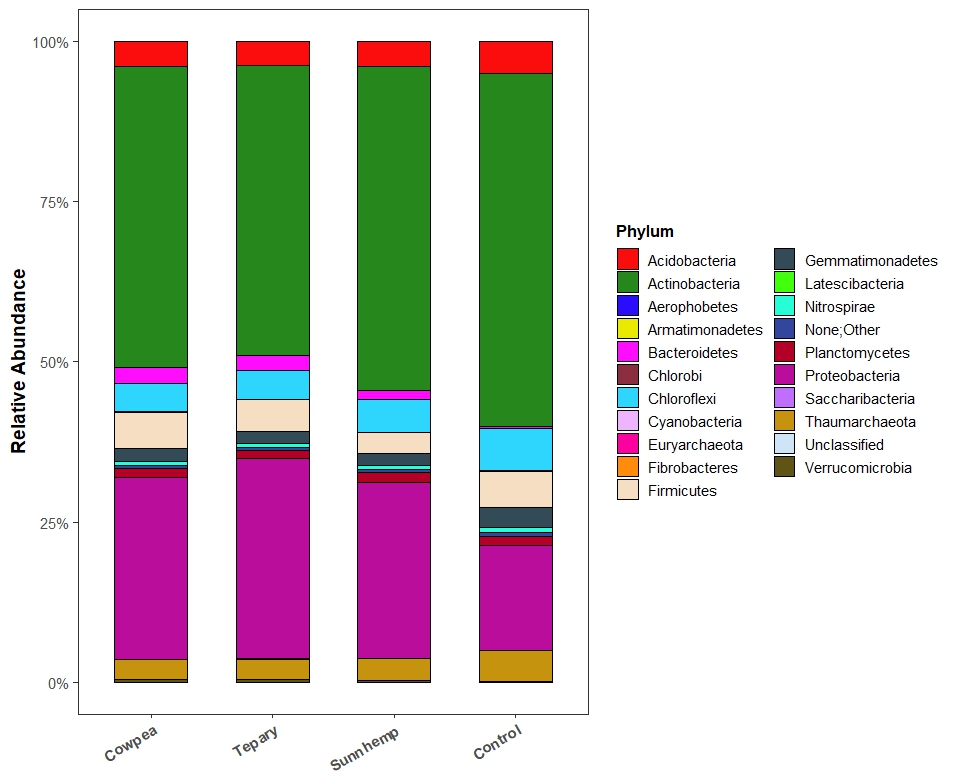
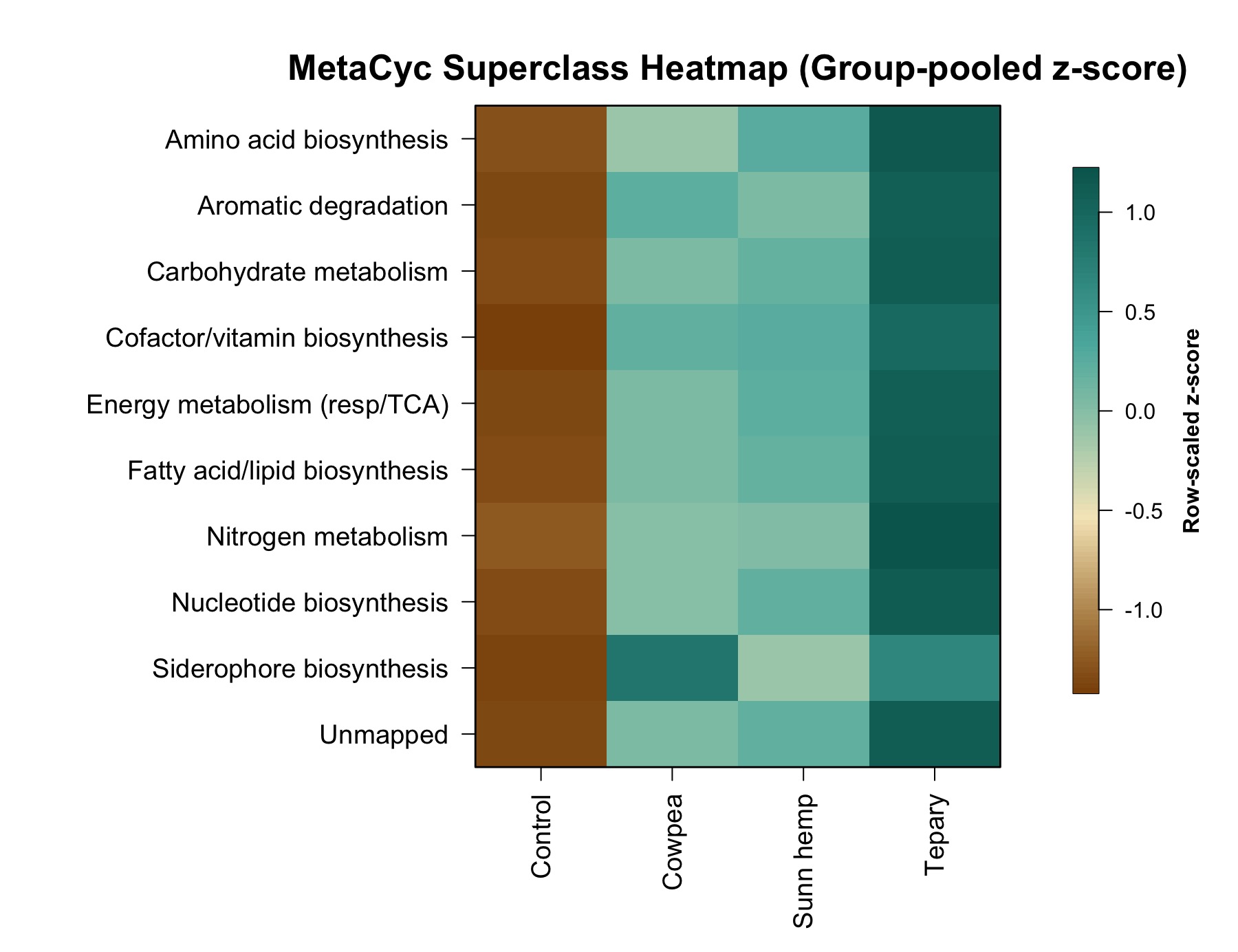
Taxonomic analysis revealed that summer legume cover crops substantially altered rhizosphere bacterial communities compared with fallow soil. At the phylum level (Figure 6), Proteobacteria were enriched in all cover crop treatments, with the highest relative abundance observed in tepary bean (31.36%), followed by cowpea (28.46%) and sunn hemp (27.56%), whereas Actinobacteriota dominated fallow soil (55.38%). At finer taxonomic resolution, the tepary bean rhizosphere was enriched with Rhizobiales (11.83%), indicating enhanced potential for biological nitrogen fixation and nutrient cycling, while cowpea showed greater abundance of Streptomycetales (6.5%) and Burkholderiales (4.33%), taxa associated with organic matter decomposition and biocontrol. In contrast, fallow soils were enriched with Rubrobacteria and Thermoleophilia, reflecting a less biologically active, oligotrophic microbial community. Functional prediction using PICRUSt2 (Figure 7) further demonstrated that cover crops significantly enhanced microbial metabolic potential relative to fallow soil, with enrichment of pathways involved in nitrogen cycling, amino acid and fatty acid biosynthesis, aerobic respiration, and energy metabolism. Tepary bean exhibited the strongest enrichment of these functional pathways, including denitrification and assimilatory nitrate reduction, highlighting its ability to promote beneficial microbial functions that support nutrient cycling, soil health, and sustainable organic crop production.
Educational & Outreach Activities
Participation summary:
- I displayed a poster on Tepary bean accessions at the Texas Organic Farmers Association Conference 2025.
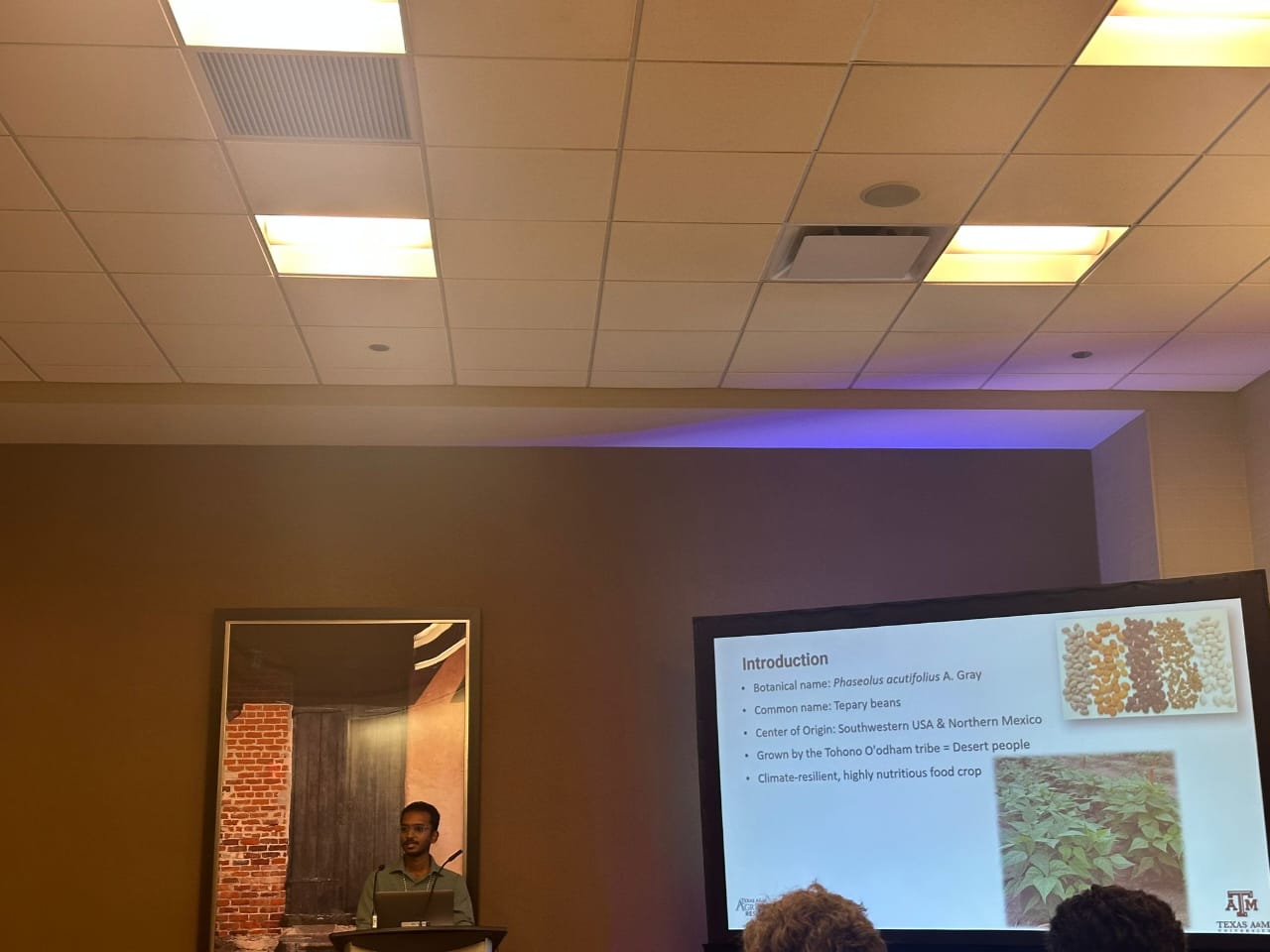
- Delivered an oral presentation at the 2025 American Society of Horticultural Sciences Conference.
- Published peer-reviewed research articles in Frontiers in Plant Science and G3: Genes Genomes Genetics
Project Outcomes
This project generated significant research, outreach, and educational outcomes that improve the use of tepary bean as a summer cover crop for organic and low-input production systems. Our research findings were disseminated through two peer-reviewed journal publications; one in G3: Genes|Genomes|Genetics describing genome-wide association studies (GWAS) of agronomic and nutritional traits in tepary bean, and another in Frontiers in Plant Science, describing the effects of summer legume cover crops on rhizosphere microbial communities. The research was further shared with the scientific and agricultural communities through an oral presentation at the 2025 American Society for Horticultural Science (ASHS) Annual Conference and a research poster displayed at the 2025 Texas Organic Farmers & Gardeners Association (TOFGA) Conference. These outreach activities provided opportunities to communicate project findings to students, researchers, plant breeders, extension professionals, organic growers, and other agricultural stakeholders. The study demonstrated that tepary bean produces biomass comparable to common cover crops like sunn hemp and cowpea, supports subsequent organic spinach production, enriches beneficial rhizosphere communities involved in nutrient cycling, and possesses valuable genetic resources for breeding improved cultivars. These outcomes provide growers and researchers with practical information supporting the adoption of tepary bean as a sustainable cover crop for improving soil health.
This project increased knowledge among organic growers, researchers, extension specialists, plant breeders, and students regarding the agronomic, ecological, and genetic potential of tepary bean as a summer cover crop. The results demonstrated that tepary bean can produce good biomass and support subsequent organic spinach production under organic field conditions. The microbiome analyses showed that legume cover crops, particularly tepary bean, promote beneficial rhizosphere microbial communities, providing growers with a better understanding of the biological benefits of cover cropping beyond biomass production. The genome-wide association study identified genomic regions controlling biomass, flowering time, nitrogen-use efficiency, protein content, amino acid composition, and seed traits, providing valuable resources for plant breeders developing improved tepary bean cultivars. Overall, this project generated new knowledge that can help growers make informed cover crop management decisions and support future breeding efforts to develop improved cropping systems.