Final report for LNE23-467
Project Information
Problem and Solution
Care farming — the therapeutic use of farming to promote health, well-being, and belonging — is a practice common and well-funded throughout Europe, but nascent in the United States. Adults with intellectual and developmental disabilities (I/DD) face a particular employment crisis: 85% do not hold a paid job in their community. Care farms offer a proven solution, providing meaningful work and structured belonging for people with I/DD as active participants in farm life, yet barriers have slowed the movement’s growth. These include the geographic isolation among farmers, limited peer networks, knowledge gaps about business models and best practices, and a lack of U.S.-based research on what makes care farms successful. This project addressed these gaps by establishing and growing Care Farming Network (CFN) as a region-wide community of practice, conducting original research on care farm characteristics and outcomes, and building the educational infrastructure needed to support both beginning and established care farmers across the Northeast.
Research Approach
The project conducted a two-phase mixed methods study. In Phase One, a survey of 111 Northeast care farms yielded 40 completed responses — producing the first landscape data on care farm characteristics in the region — including farm types, business models, infrastructure, staffing, and I/DD employment data. In Phase Two, 41 interviews across six Northeast care farms captured the perspectives of growers with I/DD, parents, and farm staff. Six themes emerged:
- Care farms provide long-term, stable employment that most other settings cannot offer
- Growers with I/DD on care farms experience continued development — cognitively, socially, emotionally, and vocationally — well into adulthood
- Environmental fit matters more than measured capability; the farm setting itself is therapeutic
- Meaningful work and connection to nature are distinctive features that drive outcomes
- Benefits are reciprocal — care farming strengthens families, staff, and surrounding communities, not just growers
- Organizational sustainability — funding complexity and staff burnout — remains the movement's most pressing challenge
Together, the two phases produced the first U.S.-based evidence base documenting both what makes care farms successful and why their impact on adults with I/DD endures.
Educational Approach and Farmer Learning Outcomes
Over three years, CFN engaged farmers through 24 monthly member gatherings, 35 webinars and conference presentations, 7 farm tours, 11 site visits, 46 consultations, and a Beginning Care Farming Virtual Series offered three times covering topics from business models to funding strategies. A mentorship program matched 7 experienced mentors with 7 beginning farmers, who visited each other's farms, met regularly, and completed a grant writing workshop culminating in peer-reviewed funding proposals. CFN hosted two in-person conferences with farm tours (Massachusetts & Maryland). Throughout the project, farmers with intellectual and developmental disabilities were included as contributors and leaders: developing educational content, leading farm tours, and speaking at webinars and conferences. Post-event evaluations consistently showed participants felt more connected and better equipped to improve their farm effectiveness.
Key Results and Farmer Adoption
By the conclusion of the project, CFN had engaged 350 farmers and 40 agricultural service providers — far exceeding initial goals — and grew its Northeast email subscriber base from 257 to over 1,088. Of northeast farmers who completed evaluations, 95% (n=80) reported gaining knowledge, skills, or awareness, and 90% (n=76) reported feeling more connected to other care farmers.
Beyond the numbers, some of the most meaningful outcomes are difficult to quantify. Care farmers who had never known one another formed lasting peer relationships, and consistently described the profound value of simply not feeling alone in their work.
Research findings confirmed that care farming offers a uniquely effective, long-term employment model for adults with I/DD — fostering meaningful work, social connection, and continued skill development within supportive agricultural environments. The project also drew significant media attention, introducing care farming to broad new audiences.
Future of the Work
This project demonstrated that when care farmers feel less alone in their work and have structured opportunities to learn from one another, both individual farms and the broader movement grow stronger. Interest in CFN's work continues to expand nationally, with care farmers, social service organizations, and agricultural educators across the country seeking connection and support. The research produced through this grant is being prepared for publication in peer-reviewed journals, contributing to an emerging U.S.-based evidence base for care farming. This project also revealed a clear and urgent gap: agricultural extension agents and service providers largely do not know about care farming, leaving farmers without guidance from their primary professional support networks. Addressing this gap is a priority for CFN's next phase of work. CFN is actively pursuing additional funding to sustain and expand the Network's reach beyond the Northeast region.
25 Care Farms will join the Care Farming Network, supporting 100 total Care Farmers. Of that 100, 90 will report increased effectiveness and sense of connection, leading to the hiring of 15 additional people with intellectual and developmental differences.
Description of Problem or Opportunity
In the U.S., individuals with intellectual and developmental disabilities (I/DD) continue to face significant barriers to employment and meaningful participation in their communities. Eighty-five percent of adults with developmental disabilities do not have a paid job in their community (Mahto, 2022). The cost of underemployment of individuals with I/DD is substantial to the individuals, their families, and the communities in which they live.
Since 1996, Red Wiggler Care Farm (Maryland) has met this need for employment by providing meaningful work for adults with I/DD by operating a 120 member certified organic vegetable Community Supported Agriculture (CSA). Red Wiggler successfully balances vegetable production alongside its mission providing opportunities for neurodivergent individuals to be teachers and leaders.
Red Wiggler’s decades of innovative accomplishments resulted in other care farms reaching out to them for support, which then showed the need and opportunity to expand employment of people with I/DD nationwide. In its unique position as a care farm operating for more than 25 years, Red Wiggler provides consultations to aspiring and beginning farmers focused on employing individuals with disabilities. Many care farms are started by parents of children with I/DD, who struggle to find feasible options for their adult children and establish a care farm of their own, given the lack of meaningful work opportunities in their area.
In addition, Red Wiggler identified 25 established care farms throughout the Northeast that employ individuals with I/DD. Until recently, there was no opportunity for a network of farmers, providers, and producers to come together and share knowledge and skills. This often results in farmers and staff experiencing burnout and exhaustion because they do not have access to a network for support or guidance.
The resulting consequence is a disproportionate balance: more people with I/DD seek employment at care farms than there are existing care farms capable of supporting the demand for employment. To address this imbalance, Care Farming Network (CFN) aspires to establish a care farm in every county throughout the U.S. CFN will not only support existing care farmers but will also provide consultations, resources, and a support network for aspiring care farmers and organizations to startup new care farms.
Solution and Benefits
As a leader and example of a well-established and successful care farm for 26 years, Red Wiggler created Care Farming Network (CFN) in 2020. CFN is a catalyst for creating and sharing resources for care farms to be successful. Between September 2021 and October 2022, CFN's email subscribership grew 175%, from 150 to 413. This rapid growth underscores both the urgency and desire for support for beginning and existing care farms.
By advancing CFN, care farmers in the Northeast will steward resources to ensure sustainability. Neurodivergent individuals will gain a professional identity as farmers and find meaning in their ability to give back to the community through the growing and distribution of healthy food.
While Red Wiggler had done initial outreach to and research on care farms in the Mid-Atlantic area, the full extent and types of care farms in the Northeast were unknown until this project.
Our initial research and data collection identified the current landscape of care farms in the Northeast (number, types of care farms, demographic data including client population, farm type, revenue, budget), current care farmer needs, and the factors that may limit serving their client population. These questions were addressed: What is the staff/client ratio? What are the infrastructure constraints? What are the funding needs?
In the second research phase, interviews were conducted to document the impact of care farming. This research will raise awareness of the care farming movement and improve long term sustainability.
By connecting care farmers through CFN, the Network strengthens the broader movement, giving farmers a structure to learn from each other and develop best practices together. By increasing peer interactions and providing learning opportunities for established and beginning care farmers, farmers felt an increased sense of connection, preventing burnout and overall improving the quality of their life. From these connections and learning opportunities, care farmers improved their effectiveness, thus increasing their capacity for providing meaningful employment opportunities for adults with intellectual and developmental disabilities (I/DD).
Cooperators
- (Researcher)
- (Educator)
Research
The overall goals of this research project were to collect data on current care farms in the Northeast and to promote and expand awareness throughout the U.S. Care farming uses farming and agriculture activities as a therapeutic base for promoting health and wellness. This research project addresses questions related to care farming and individuals with intellectual and developmental disabilities (I/DD). The first question is: what are the characteristics of successful care farms throughout the U.S.? The second question is: What impact does care farming have on the employed individuals with I/DD?
Methodology
In order to gain a deeper understanding of the characteristics of successful care farms and their impact on employed individuals with intellectual and developmental disabilities (I/DD), an explanatory sequential mixed methods design was utilized. An explanatory mixed methods design is a two-phase data collection process, involving first collecting quantitative data, analyzing the results, and then building on the results to plan the second qualitative phase (Creswell & Creswell, 2018, p. 222). The overall intent of this design was to have the qualitative data help explain in more detail the quantitative results, blending the quantitative results with the qualitative data (Creswell & Creswell, 2018, p. 222).
The CFN project team, Dr. Jackson, and Dr. Gangluff, met and designed the phase one quantitative data survey for established care farmers. Barnhart & Mudge obtained CITI certification, while the IRB was approved by the University of Central Arkansas IRB board in September 2023. CFN staff emailed the initial survey in October 2023 to 372 Northeast contacts in CFN’s database, representing 111 care farms, with 43 care farms completing the survey.
Quantitative data were collected through surveys sent to various Care Farms, and descriptive statistics such as mean, mode, and ranges were utilized. Furthermore, farm data were correlated in order to better understand the reasons behind success. In addition to surveys, qualitative and phenomenological data were collected through semi-structured interviews with staff and other individuals involved with Red Wiggler Care Farm and Northeast care farms. A phenomenological study explores and focuses on an individual's experiences. Instruments utilized to transcribe data included Otter.ai. Otter.ai provided real-time transcription and was utilized for transcribing recorded audio interviews. Additionally, SPSS and Excel were utilized for numerical data analysis.
Population
Participants for this research study included farmers with I/DD, their parents and support staff, neurotypical farm staff, and farm community members involved with Red Wiggler Care Farm and care farms across the Northeast. Care Farming Network (CFN) project team advocated and promoted the study through distribution of informational fliers. Willing participants were informed of the nature of the study and informed consent was obtained prior to data collection. An informed consent cover letter was emailed and discussed prior to the interview for participants who chose to complete the interview virtually. An informed consent agreement was provided to participants who opted to complete the interview face-to-face. Informed consent was attached to the survey for participants who chose to complete it. Participants were included in the study if they or their guardian provided consent to participate. Prior to recruitment, Institutional Review Board approval was obtained through the University of Central Arkansas (UCA). Participants were not excluded based on their race, gender, sexual orientation, socioeconomic status, disability, religion, or marital status.
Data Collection and Analysis
Surveys with informed consent attached were sent virtually to various care farms in the Northeast. The goal of the surveys was to collect data on the various characteristics related to successful care farms. This initial data collection analyzed the number, type, demographics, revenue, client population, and number of staff associated with care farms. In order to organize the characteristics related to successful care farms, the investigators analyzed the descriptive data collected from the surveys through SPSS and Excel. Secondary to surveys, informed consent agreement forms were collected from study participants at Red Wiggler Care Farm. Afterwards, virtual interviews were conducted. Through guided questions, interviewers collected information on how care farming impacted individuals with I/DD. Each participant in the study was assigned a random identification number to protect the anonymity of all study participants. After each interview was complete, interviews were transcribed using Otter.ai and edited for grammar, spelling, and punctuation prior to thematic data analysis. Following transcription, participants were randomly selected for member checking to ensure validity of responses. After interviews were transcribed and organized, coding was performed individually by each investigator using the steps outlined in Percy, Kostere, and Kostere (2015), and codes and themes were reconciled among investigators to ensure validity (Creswell & Creswell, 2018, p. 193). Themes were supported using quotes and other evidence from the interviews and observations (Creswell & Creswell, 2018, p. 200). Data collected in the study were stored on password-protected laptops in encrypted, password-protected folders and remained available to all researchers. Research results will be published in peer-reviewed journals and have been shared at CFN’s national conference. For detailed research results, please contact the project team.
Farmer Input
Red Wiggler Care Farm has employed people with I/DD for 30 years and made immeasurable differences in the lives of those employed. The farm offers individuals a sense of professional identity and teaches life skills that are difficult to obtain without opportunities such as care farming. Additionally, Red Wiggler staff have extensive knowledge of care farming and shared that knowledge with established and beginning farms through consultations and mentoring programs. This knowledge sharing led to improved sustainability, connectedness, and community among those interested in care farming. Additionally, Red Wiggler promoted the research study in order to recruit participants. The data collected and analyzed contributed to the development of educational programs and increased employment opportunities for individuals with I/DD. In a field where U.S.-based research remains limited, this project's findings represent a meaningful step toward an evidence base that can support care farming's continued growth.
Phase One: Care Farm Landscape Survey
Phase One produced the first quantitative landscape of care farms in the Northeast United States. Of 40 completed surveys, the majority of care farms (72.5%) operated as nonprofits, with 20% operating as for-profit businesses. Most farms were established after 2010, a finding that underscores how recently care farming has taken root in the U.S. Farm settings were predominantly rural (52.5%) or suburban (40%), with only 7.5% located in urban areas. Farm sizes varied widely, though the mean total size and production area fell in the 0–4 acre range.
Farm infrastructure was generally well-developed: nearly 90% had parking facilities, 84.6% had barns, and 82.1% had tool sheds and restroom facilities — though only 17.5% reported access to public transportation. Annual budgets ranged considerably: 25.6% operated on less than $25,000 per year, 23.1% reported budgets between $100,000 and $250,000, and 20.5% reported budgets over $250,000, while an additional 17.9% reported they did not know their annual budget. The majority of farms (54%) generated between 1–25% of their annual budget from product sales.
Of responding farms, 37.5% employed adults with I/DD in 2022, with the number of adults employed ranging from 1 to 85. An additional 56% had adults and teens with I/DD in job training programs, with program sizes ranging from 1 to 235 participants. Only 27.5% of farms offered a structured job training program — revealing a significant gap in formalized pathways to employment.
Care farmers identified their primary skills and resources as farm management, mentoring, volunteer coordination, and fundraising. The most commonly accessed community resources were extension offices, conferences, and care farming networks — underscoring both the value and the gaps in existing support systems.
Phase Two: Impact of care farming on adults with I/DD
Phase Two qualitative analysis consisted of 41 interviews across six northeastern care farms with four stakeholder groups: growers with I/DD (16), parents (10), farm staff and leadership (13) and volunteers and community members (2). Grower interviews focused on daily experiences, tasks, social connections, and future plans. Parent interviews centered on observed changes in their child, comparisons to other programs, and hopes for the future. Staff and leadership interviews concentrated on farm structure, funding, philosophy, successes, and sustainability concerns. Volunteers and community members offered an outside perspective on the farm's broader impact. Analysis revealed six primary themes:
- Organizational sustainability challenges emerged across 40 of 41 interviews. Across all models, staff burnout emerged as a field-wide crisis: staff sacrificed compensation and personal sustainability because of deep mission commitment, threatening the long-term stability that growers with I/DD depend on.
- Long-term employment stability was the most consistent and universal finding. Growers sustained employment for 6 to 20 years, averaging 6 to 8 years, with 15 of 16 growers expressing desire to remain permanently. Growers described themselves as "farmers" rather than program participants — reflecting deep identity integration. Parents described care farms as ending "exhausting searches for what's next."
- Continued adult development across the lifespan appeared in 40 of 41 interviews. Adults with I/DD continued to develop cognitively, socially, emotionally, and vocationally well into their 30s, 40s, and beyond — directly challenging the assumption that development plateaus in early adulthood. One grower transformed significantly at age 39, after 18 years of routine work, when given new responsibilities during COVID-19 — demonstrating retained neuroplasticity throughout life.
- Environmental fit over measured capability was identified in 35 of 41 interviews. Growers with significant limitations thrived for decades, while more "capable" individuals sometimes left. Staff consistently asked not "Can they do it?" but "Where do they shine?" — recognizing that individual interests, work authenticity, and environmental match mattered more than measured ability in predicting outcomes.
- Distinctive farm-based environmental features appeared in 32 of 41 interviews. Three interrelated factors — connection to nature, authentic work with real consequences, and natural seasonal structure — created therapeutic value that cannot be replicated in traditional work settings. The farm environment itself produced outcomes independent of any structured therapeutic intervention.
- Reciprocal community benefits appeared in 25 of 41 interviews. Care farms created profound value for community members with no connection to disability services — including elderly customers who found social connection through grower relationships, volunteers who discovered purpose, and neighboring business owners who reconsidered their own hiring practices. This positions care farms not as charity services, but as community assets creating value for all participants.
Taken together, the two phases of this research produced the first U.S.-based evidence base documenting both the characteristics of care farms in the Northeast and the sustained impact of care farming on adults with I/DD.
Phase One revealed a movement still in its early stages: most care farms are recently established, small, and nonprofit-led, with limited access to public transportation and significant variation in budget, infrastructure, and employment formalization. The data established a baseline against which future growth can be measured and highlighted the need for structured job training pathways and expanded community resources.
Phase Two revealed that care farming offers a uniquely effective employment model — one that produces outcomes rarely documented in other disability employment settings. Growers developed career identities, sustained employment across decades, and continued to grow cognitively and vocationally well into adulthood. These outcomes were not the result of structured therapeutic programs alone, but of the farm environment itself: the natural rhythms, authentic work, and community belonging that agricultural settings provide.
Organizational sustainability emerged as the movement's most urgent challenge. Staff burnout and funding complexity threaten the long-term stability that growers need to develop and thrive. Addressing these structural challenges is essential if care farming is to grow as a viable, long-term employment model for adults with I/DD across the United States.
These findings contribute foundational evidence to guide future research, policy, and field development — and underscore the importance of sustained investment in care farms as community assets that benefit growers, families, staff, and surrounding communities alike.
Education
CFN's educational approach was grounded in the belief that care farmers learn best from one another. Rather than a top-down training model, CFN built a progressive engagement strategy that moved farmers from initial connection to deepening practice — meeting them where they were and offering multiple pathways to connect, learn and grow.
To build the network, CFN staff conducted extensive outreach — searching online for farms working with neurodivergent populations, making personalized contact with farmers, and adding farms to the CFN online map and directory. CFN also engaged regional sustainable ag associations (NOFA, Pasa, & FutureHarvest) and used social media, email newsletters, and CFN website to raise awareness. Through these efforts, the CFN email list grew from 252 to over 1,088 northeast subscribers.
For beginning and aspiring care farmers, CFN offered a Beginning Care Farming Virtual Series three times over the project period, covering business models, land and facility options, and funding strategies — all recorded and freely available on the CFN website. A mentorship program matched 7 beginning farmers with 7 experienced mentors based on farm type, goals, and geography. Over ten months, pairs visited each other's farms, held virtual consultations, and completed a grant writing workshop culminating in peer-reviewed funding proposals.
For established care farmers, CFN hosted 24 monthly virtual member gatherings on topics ranging from volunteer management and board governance to grant writing and staff burnout. Seven farm tours across Maryland, New Jersey, Pennsylvania, and New York — each led by both neurotypical and neurodivergent farmers — gave participants an in-person look at how different care farms operate. CFN staff conducted 11 site visits across five states, including an overnight trip to Massachusetts that featured a Red Wiggler farmer with I/DD. Individual consultations, webinars, and a monthly e-newsletter with a 47% average open rate kept farmers connected and supported throughout the project.
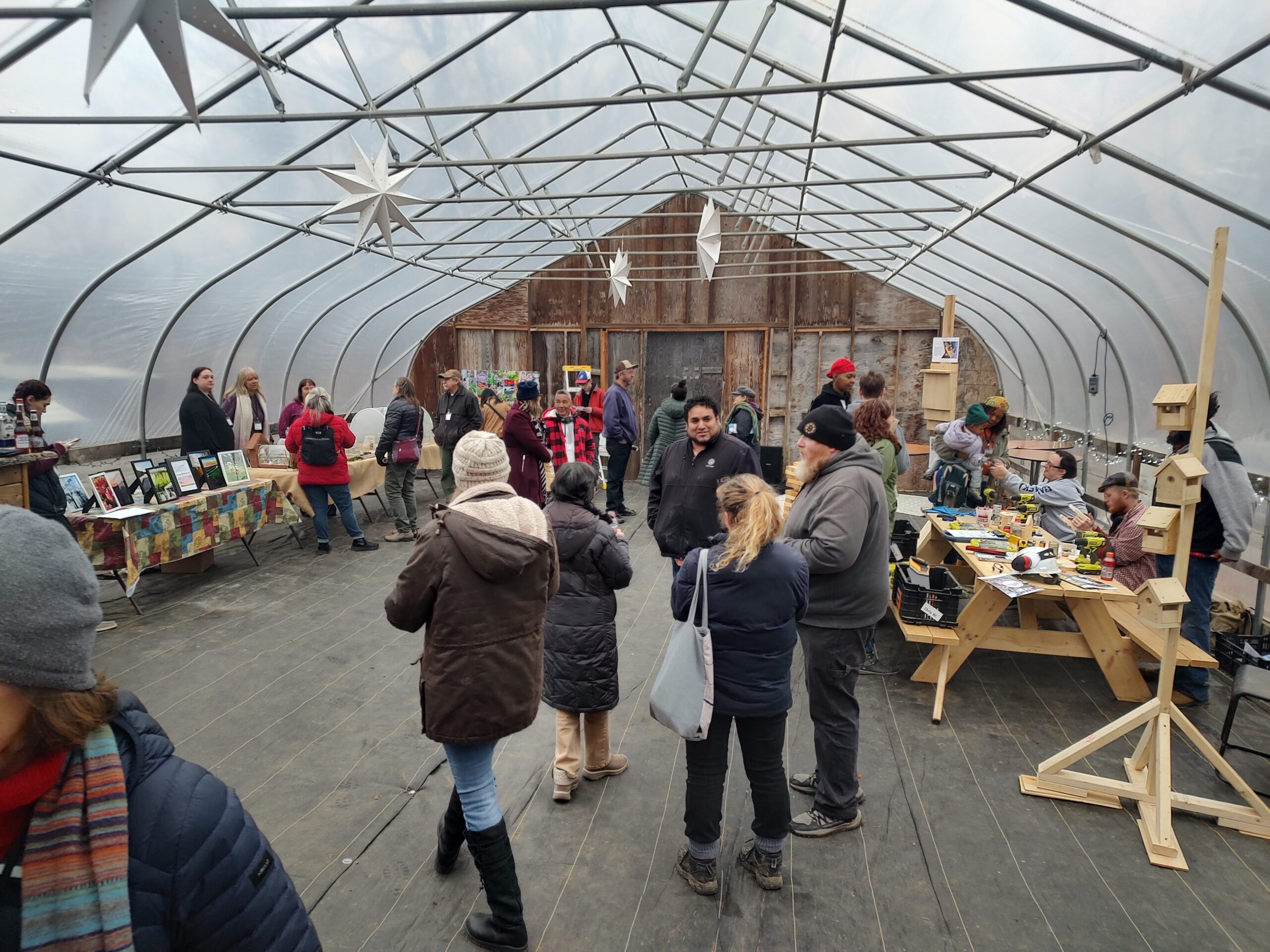
The project culminated in two Care Farming Network Conferences. The first was held in January 2025 at UMass Amherst with 170 attendees, featuring a farm tour at ServiceNet's Prospect Meadow Farm. The second was held in February 2026 in Gaithersburg, MD, with 215 attendees and a farm tour at Red Wiggler Care Farm. Post-event evaluations from both conferences showed that 92% of attendees gained knowledge or skills applicable to their farm, and participants consistently reported feeling more connected to other care farmers and better equipped to improve their farm effectiveness.
Milestones
Milestone 1-Engagement: Out of 100 care farmers contacted, 75 participate in initial survey with demographic and baseline information. Project team will conduct interviews learning about each care farm and its needs: establishing baseline I/DD employment data. The project team will track skills/resources members offer and to whom they are connected (i.e. other care farms, I/DD employment agencies, or agricultural providers), strengthening our network member’s resources. Completed: October 1, 2023.
Status: Complete (September 26, 2024)
Accomplishments: An initial survey was sent to 372 contacts in the northeast, representing 111 care farms. Of those 111 care farms, 75 farms work with people with I/DD and 40 care farms responded to the survey. Since we requested that only one farmer per care farm respond to the survey, the response rate was lower than initially estimated.
Milestone 2- Learning: Ten established care farmers participate in the Winter 2024 Retreat. Farmers will establish valuable connections and learn from one another by sharing best practices. Six mentors learn key aspects of being a care farm mentor. Completed: March 30, 2024
Status: Complete (Feb 1, 2024)
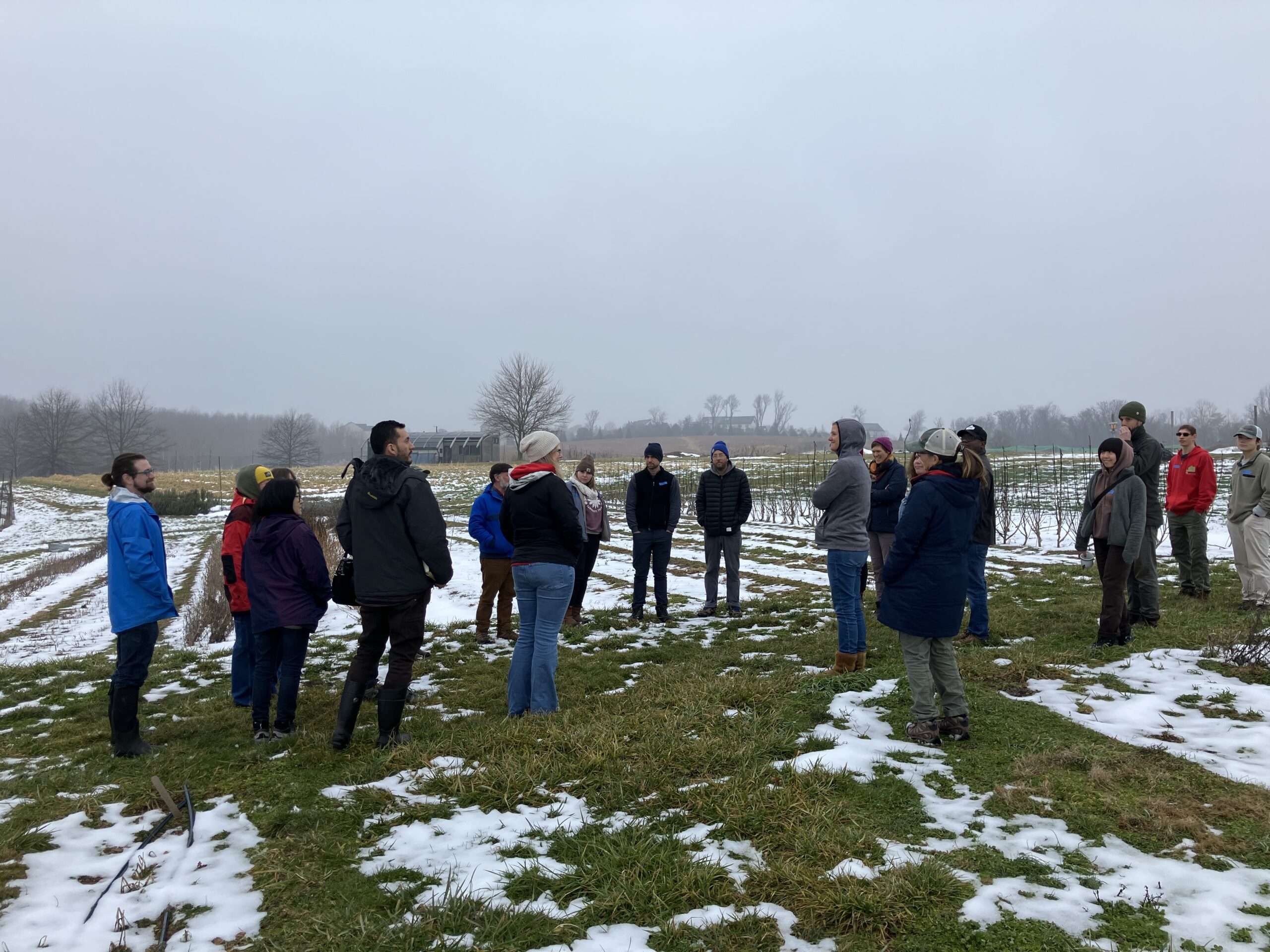
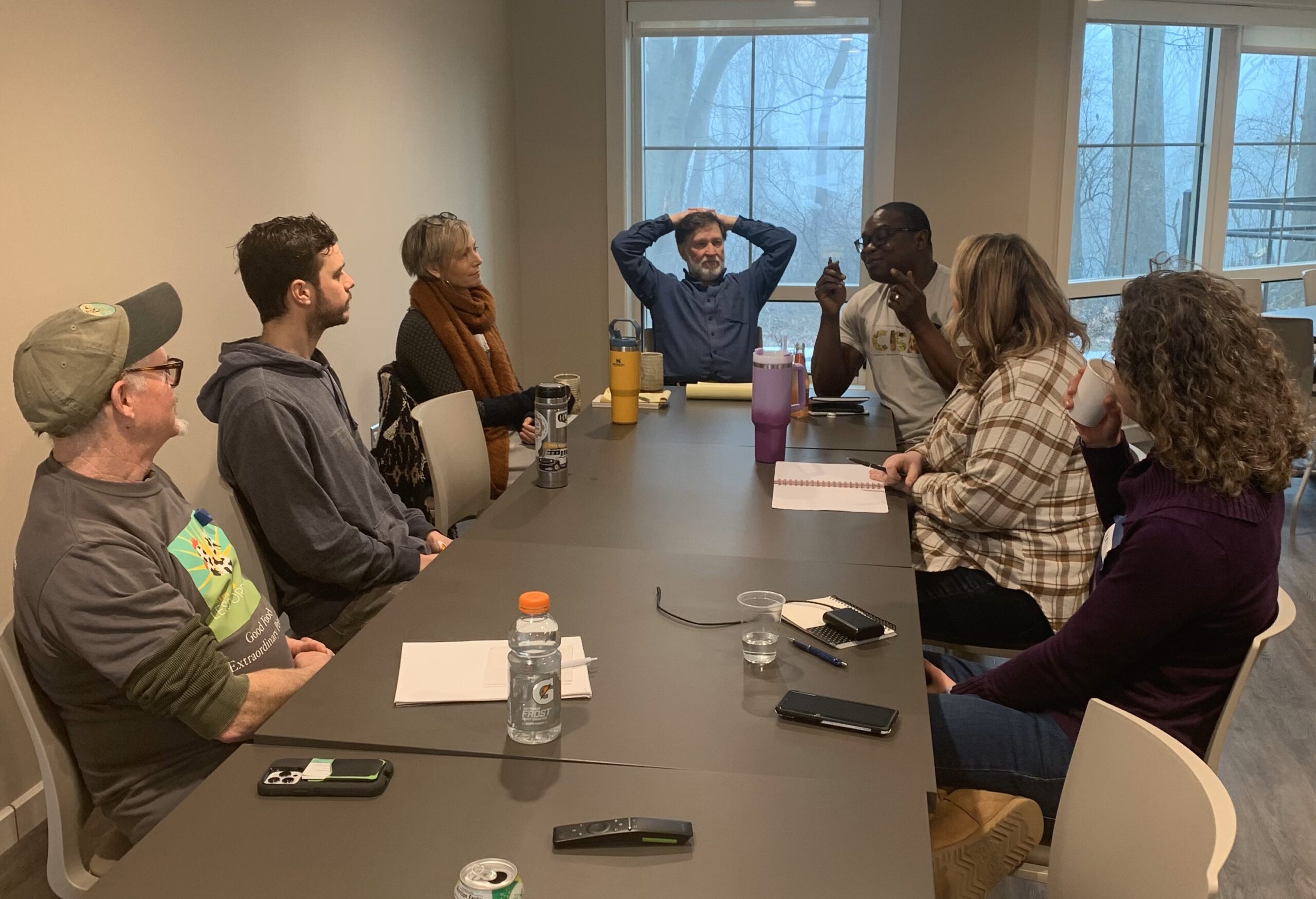
Accomplishments: Twelve care farmers in the Northeast plus eight care farmers in other states attended an invitational retreat Jan 24, 2024 - Jan 26, 2024. The winter retreat included an onsite farm tour of Red Wiggler Care Farm (MD). In post-event evaluations, seventeen farmers indicated they learned or gained a new skill/knowledge/resource to improve their effectiveness. Those same seventeen farmers said they felt more connected to other care farmers after attending the retreat.
Milestone 3 -Engagement and Learning: Eighteen farmers host CFN team or mentor for onsite visit (6 site visits with 2 farmers at each farm equals total of 12 farmers, plus 6 beginning Farmers in mentorship program host visit for total of 18 farmers). Farmers learn from experienced farmer feedback and onsite assessment of farm operations (CFN team site visits: May 1- December 1, 2023; Mentor Site Visits: November 1, 2024 - October 30, 2025). Completed: November 1, 2025
Status: Complete (November 1, 2025)
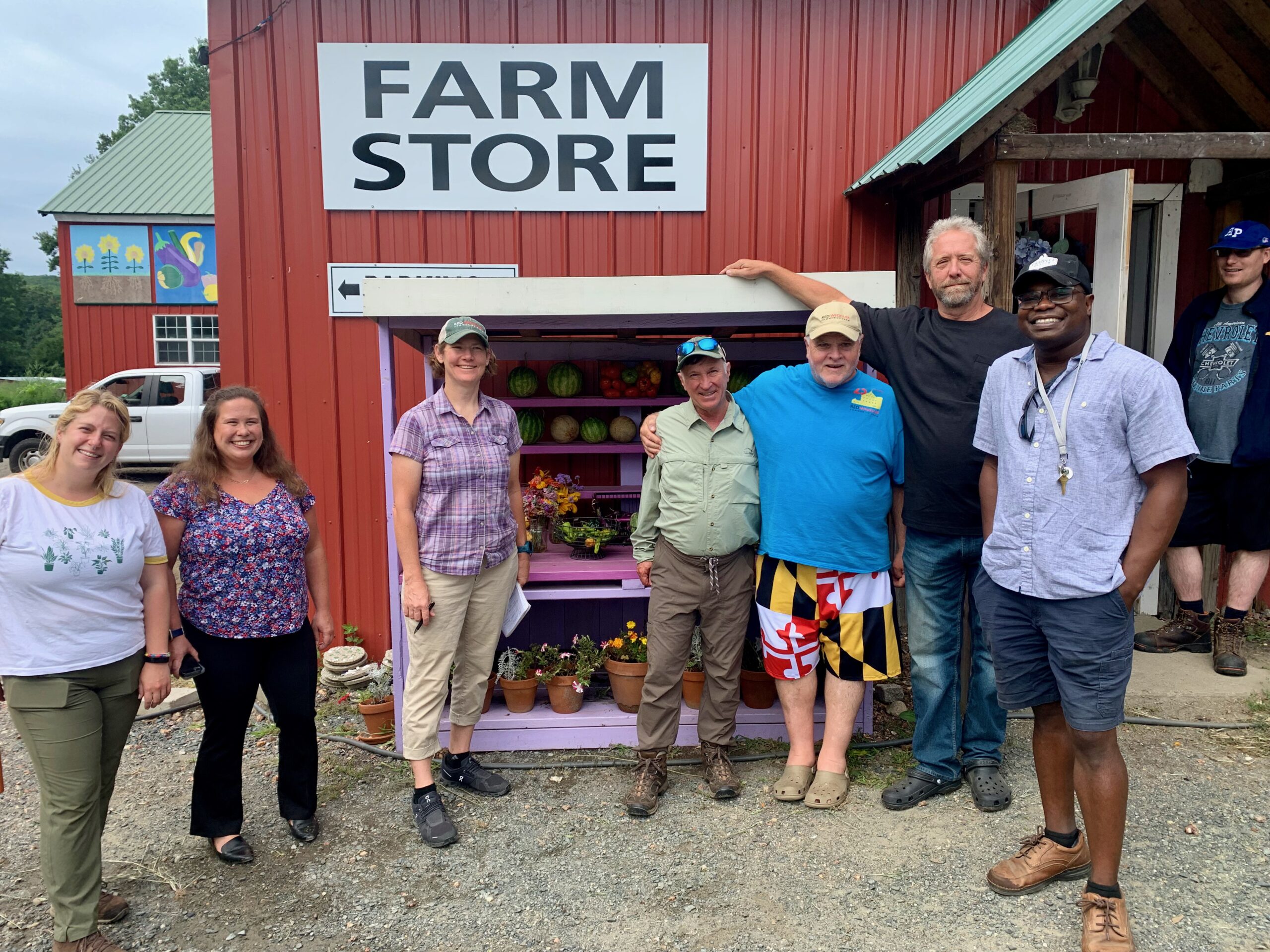
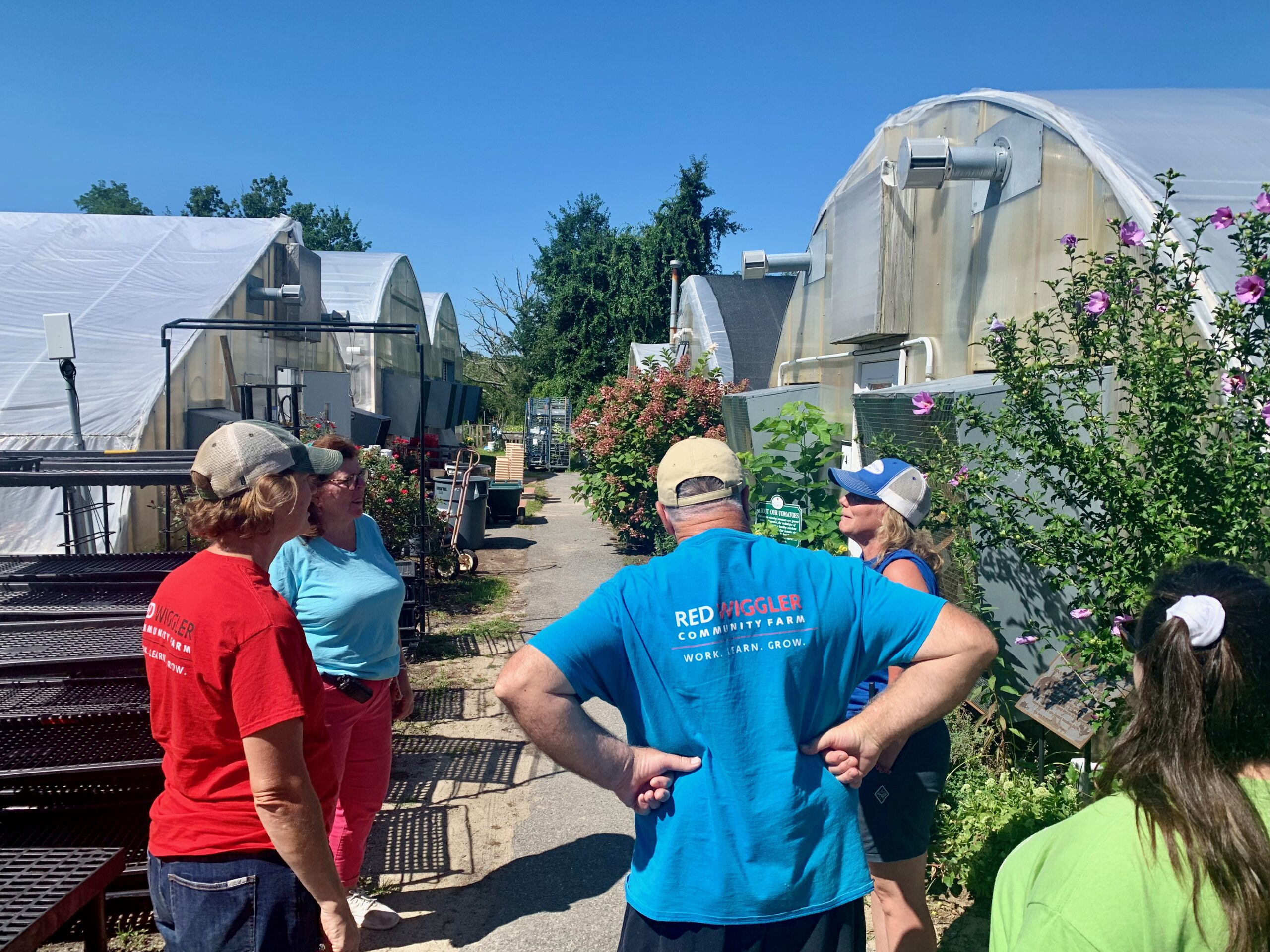
Accomplishments: Red Wiggler and CFN staff visited 11 care farms (21 farmers) in MD, NY, NJ & MA, including Oxbow Farm (MD), EquiCenter (NY), Homesteads for Hope (NY), CapeAbilities Farm (MA), Prospect Meadow Farm at ServiceNet (MA), Cobblestone Farm (MA), A Meaningful Purpose at Reeds' Farm (NJ), OASIS TLC (NJ), Greens Do Good (NJ), Three Meadows Farm (NJ), and ELIJA Farm (NY). In addition, five experienced care farm mentors conducted on-site visits with five mentee farms through CFN’s Mentorship Program. Twenty six care farmers shared successes and challenges and gained valuable peer connections. A noted highlight: A Red Wiggler farmer with intellectual and developmental disabilities participated in the overnight trip to visit care farms in Massachusetts, sharing about his role and job responsibilities at Red Wiggler.
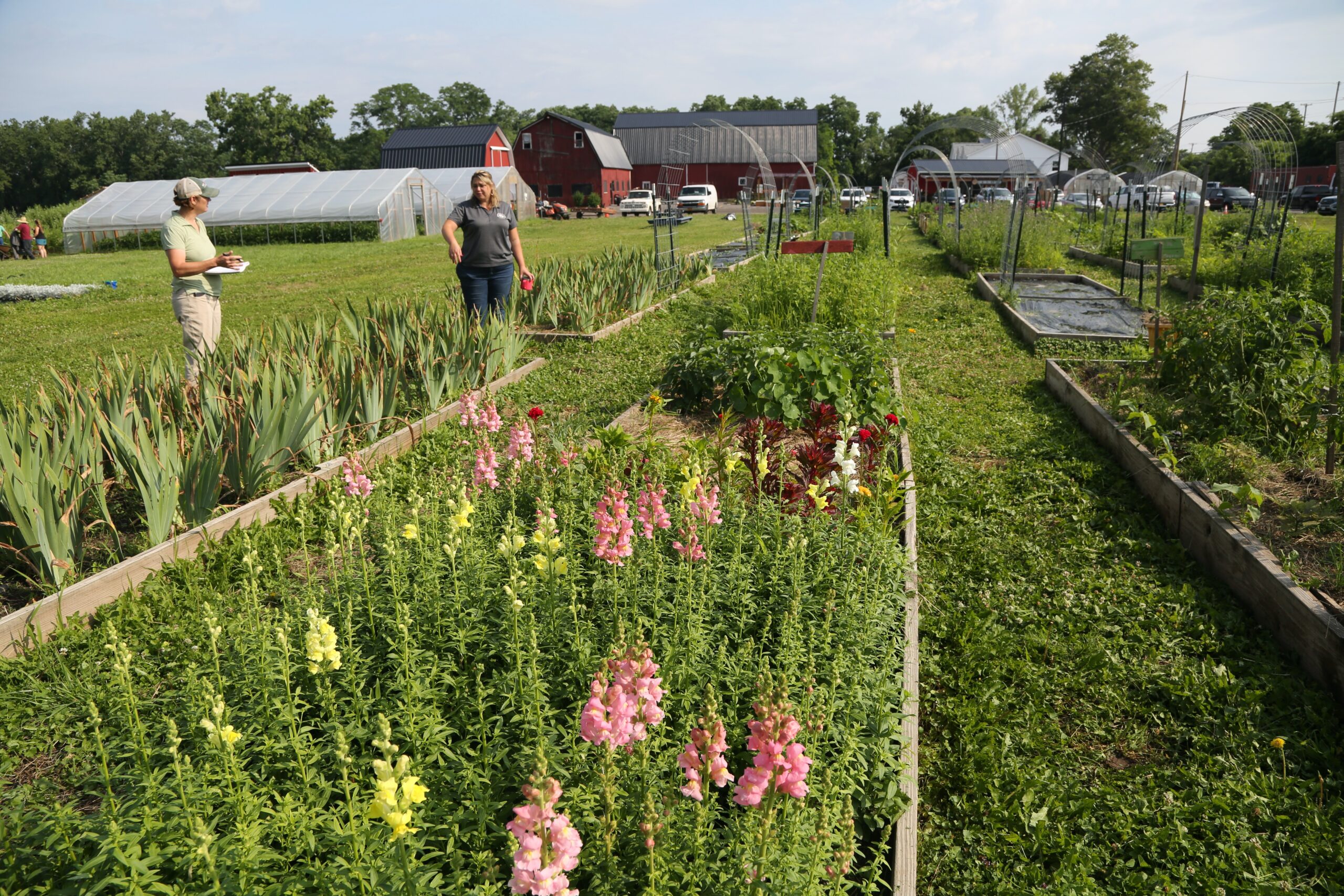
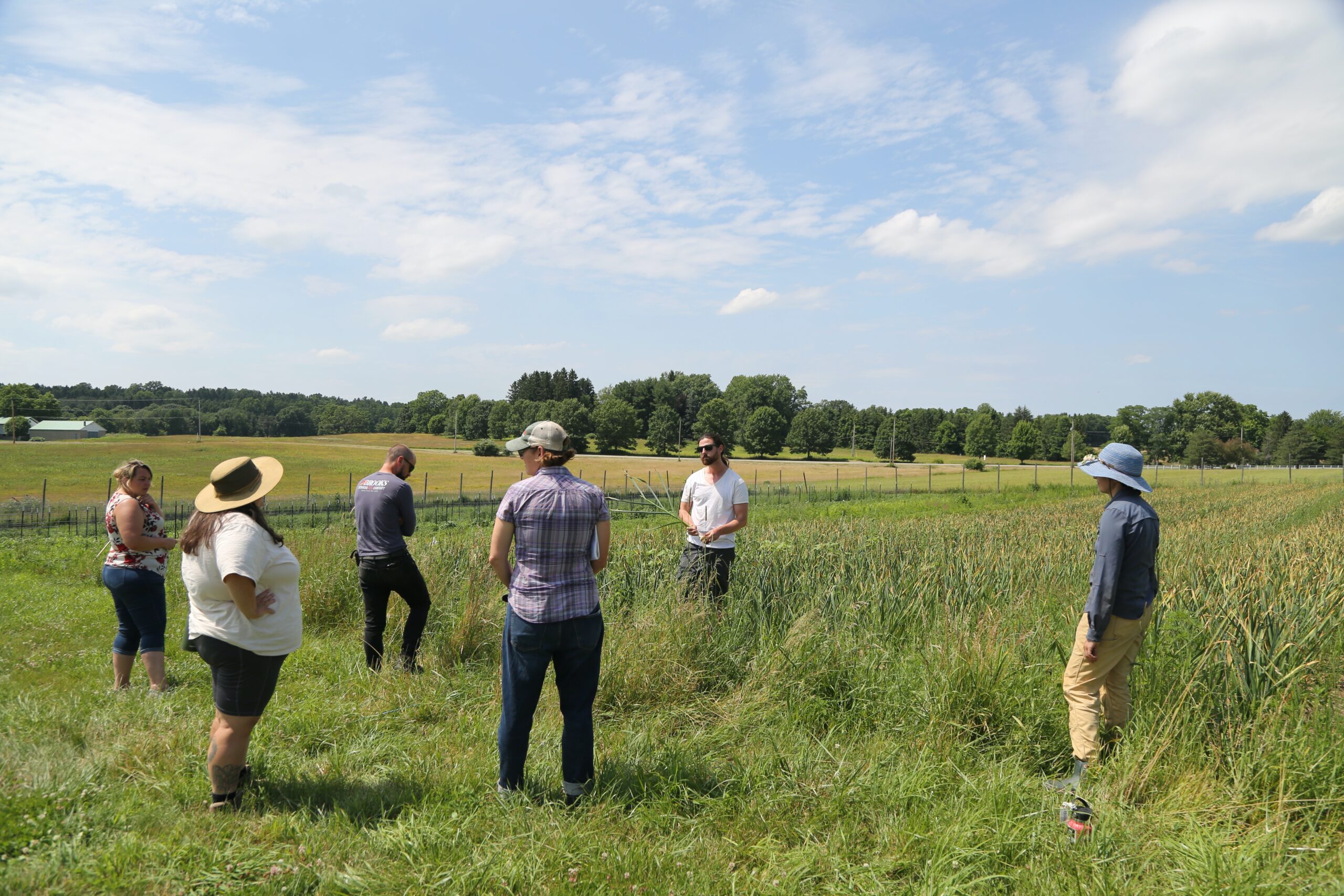
Milestone 4 -Learning: Six beginning farmers complete Mentorship program by applying for mini-grant. Project leaders match mentors and beginning farmers based on interests and location. Mentors (geographically spread across the Northeast) are compensated for up to three consultations including a site visit to the mentee farm. Mentees gain a valuable relationship with an experienced care farmer and practice knowledge gained by writing a grant for funding (November 1, 2024 - October 30, 2025). Completed: November 1, 2025
Status: Complete (December 1, 2025)
Accomplishments: Seven mentees (beginning care farmers) were matched with seven mentors (established care farmers) based on farm type, learning goals, and location. Over ten months, they visited each other’s farms and met for virtual consultations and check-ins. Mentees established valuable connections and opportunities to enhance their business and farming practices while increasing employment opportunities for individuals with intellectual and/or developmental disabilities (I/DD) on care farms. The mentee cohort met monthly to ask questions, share successes and challenges, and learn from one another’s experiences. CFN conducted a grant writing workshop for mentees, sharing best practices for creating a compelling and fundable grant proposal. Using an application created by CFN staff, mentees wrote a grant proposal, created a project budget and peer-reviewed one another’s grants. Through peer-learning and review, mentees learned how to write strong and compelling funding proposals.
Milestone 5 - Learning: Ten beginning care farmers participate in the annual series of four (1 hour) beginning care farming webinars (30 farmers total - across 3 years) and will learn specifics on how to start a care farm. Webinars will allow for discussion. Four weekly webinars will be repeated yearly in September (September 7, September 14, September 21, September 28 in 2023, 2024, 2025). Completed: October 30, 2025
Status: Complete (October 30, 2025)
Accomplishments: In September 2023, CFN hosted its first Beginning Care Farming Series virtually with 4 sessions:
- Want to Start a Care Farm: Where to Begin?
- Exploring Business Models: Nonprofit, For-Profit, or Partnership?
- Facility and Land Options: What’s Right for You?
- How Do I Fund A Care Farm?
Each session was recorded and can be viewed on the CFN website along with a resource page for each session. 34 unique Northeast participants attended (out of 66 nationwide attendees and 119 total registrations) and learned about specific topics that beginning care farmers must consider as they begin their journey.
In September 2024, CFN hosted its second Beginning Care Farming Series virtually with 3 sessions:
- Want to Start A Care Farm: Planning & Funding Your Care Farm
- Exploring Business Models and Facility & Land Options for Your Care Farm
- Care Farming Network’s Mentorship Program
Each session was recorded and can be viewed on the CFN website along with a resource page for each session. 12 unique Northeast participants attended (out of 27 nationwide attendees and 71 total registrations) and learned about specific topics that beginning care farmers must consider as they begin their journey.
In Fall 2025, CFN hosted its third Beginning Care Farming Series virtually with 3 sessions:
- Introduction to Care Farming: Foundations and Program Design
- From Idea to Action: Resources for Beginning Care Farmers
- Fundraising Strategies for Your Care Farm
Each session was recorded and can be viewed on the CFN website and YouTube channel along with a resource page for each session. 18 unique Northeast participants attended (out of 59 nationwide attendees and 92 total registrations) and learned about specific topics that beginning care farmers must consider as they begin their journey.
Milestone 6 -Learning: Twenty established or beginning farmers participate in each 1-hour learning webinar (100 individual farmers total - some farmers attend multiple workshops). Farmers will learn how to operate their care farm more effectively. Four webinars per year: (November 2023, December 2023, January 2024, March 2024, November 2024, December 2024, January 2025, March 2025, November 2025, December 2025, January 2026, March 2026). Completed: April 1, 2026
Status: Complete (April 1, 2026)
Accomplishments: In 2024, CFN planned & hosted 3 learning webinars, specifically for experienced and aspiring farmers working with the IDD population:
- Uncomfortable Confrontation: Simple De-escalating Tips That Work
- Building Healthy Relationships at Work
- Adaptive Farming Strategies
Each session was recorded and added to the CFN online resource library. 24 unique participants attended the 3 sessions including farmers with intellectual and developmental disabilities.
From March 2023-December 2025, CFN hosted twenty-four Virtual Monthly Member Gatherings on the topics of: social media tips & tricks, research on the benefits of care farming, roundtable discussion, animal-assisted interventions on care farms, bee-keeping as a therapeutic practice, care farm resilience, resource sharing, Netherlands care farm speaker, volunteer management, what is care farming and its benefits, grant writing, board management, safety & liability, and end of year successes/challenges. Attendance ranged from 20-40 participants each gathering with 180 unique Northeast attendees.
In Feb 2026 and March 2026, CFN hosted two encore conference presentations on Animals as Healing Partners: Designing Meaningful Animal-Assisted Experiences and Grant Writing for care farmers.
Through these virtual webinars and gatherings, farmer built peer connections, gained a renewed sense of community, increased confidence in their approaches, and left with practical skills to apply on their farms.
Milestone 7 -Engagement and Learning: Twenty farmers participated in each farm tour (for 75 individual farmers total - some farmers attend multiple farm tours). Farmers will learn in person how different care farms operate and establish connections with other farmers (2 tours/year: June 15, 2023; October 15, 2023; June 2024; Oct 2024; June 2025; October 2025). Completed: November 30, 2025
Status: Complete (November 30, 2025)
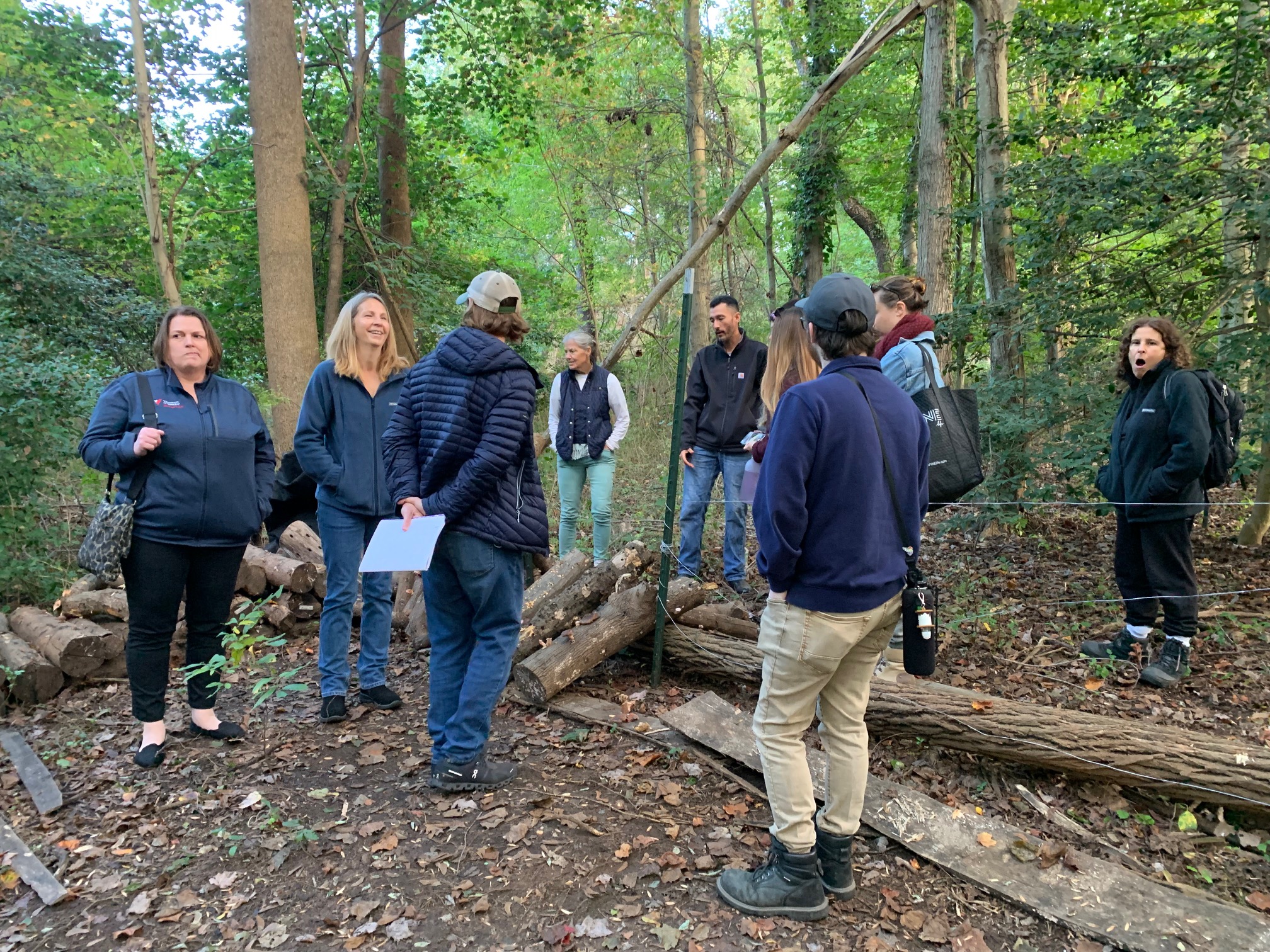
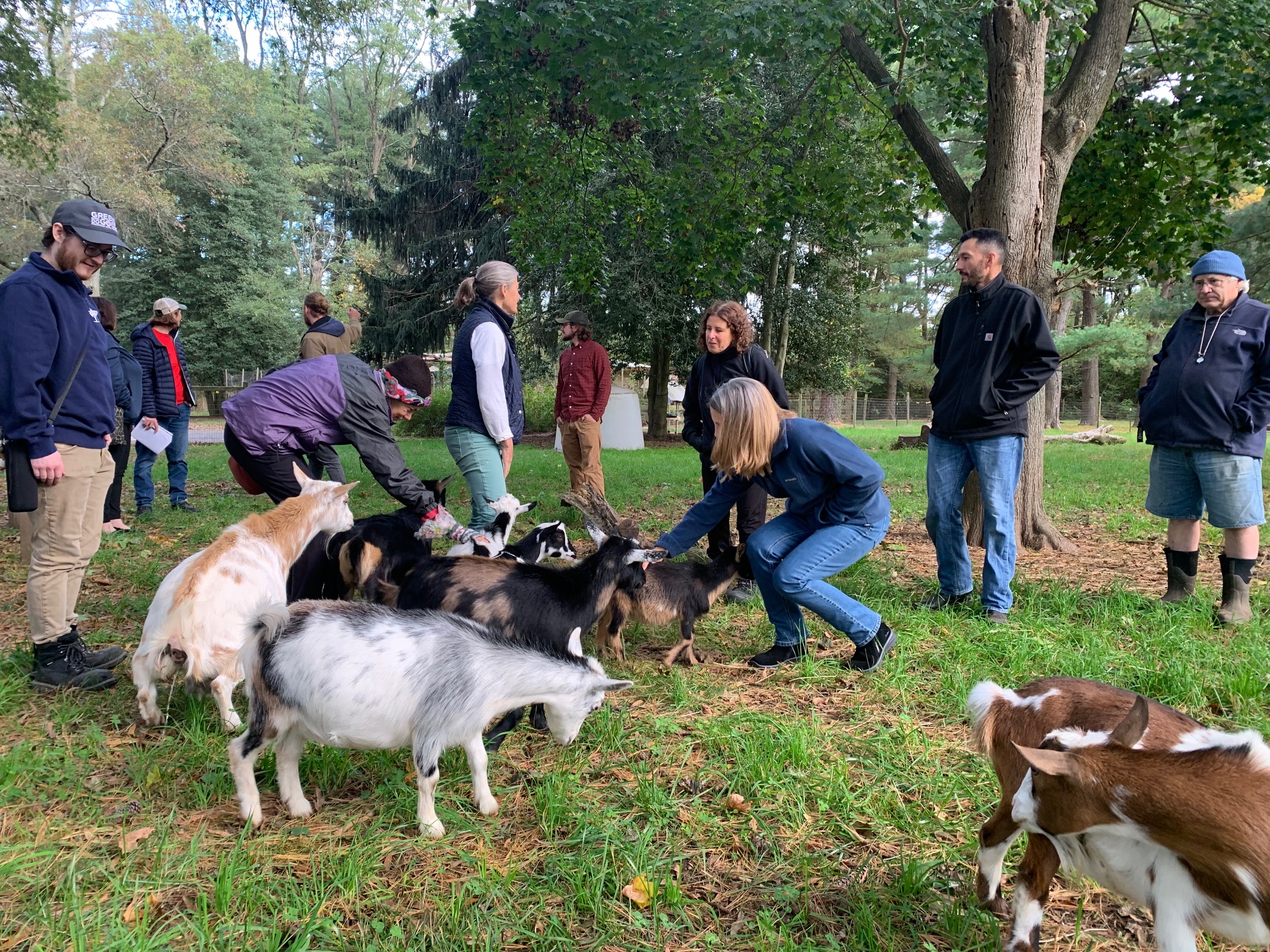
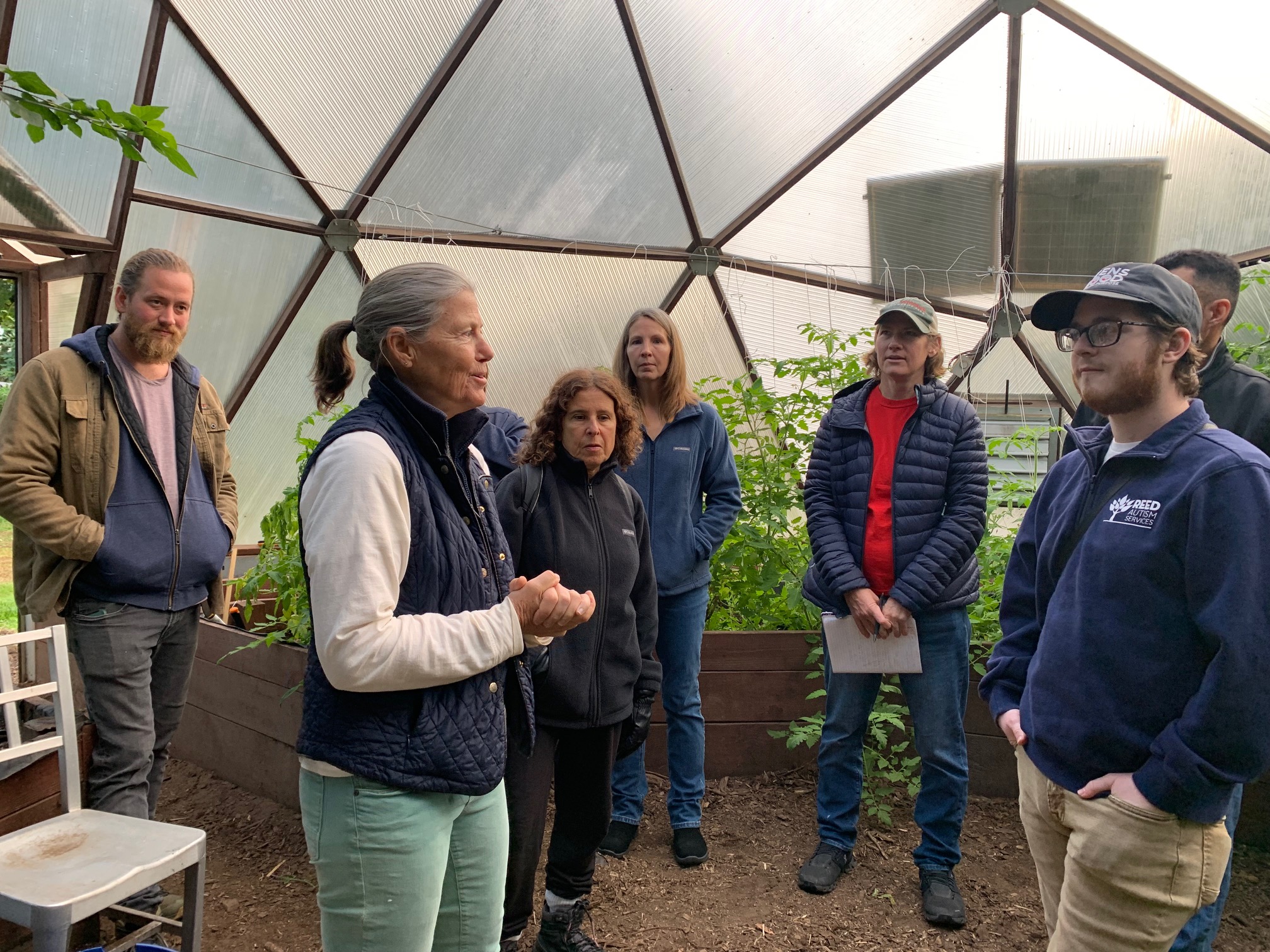
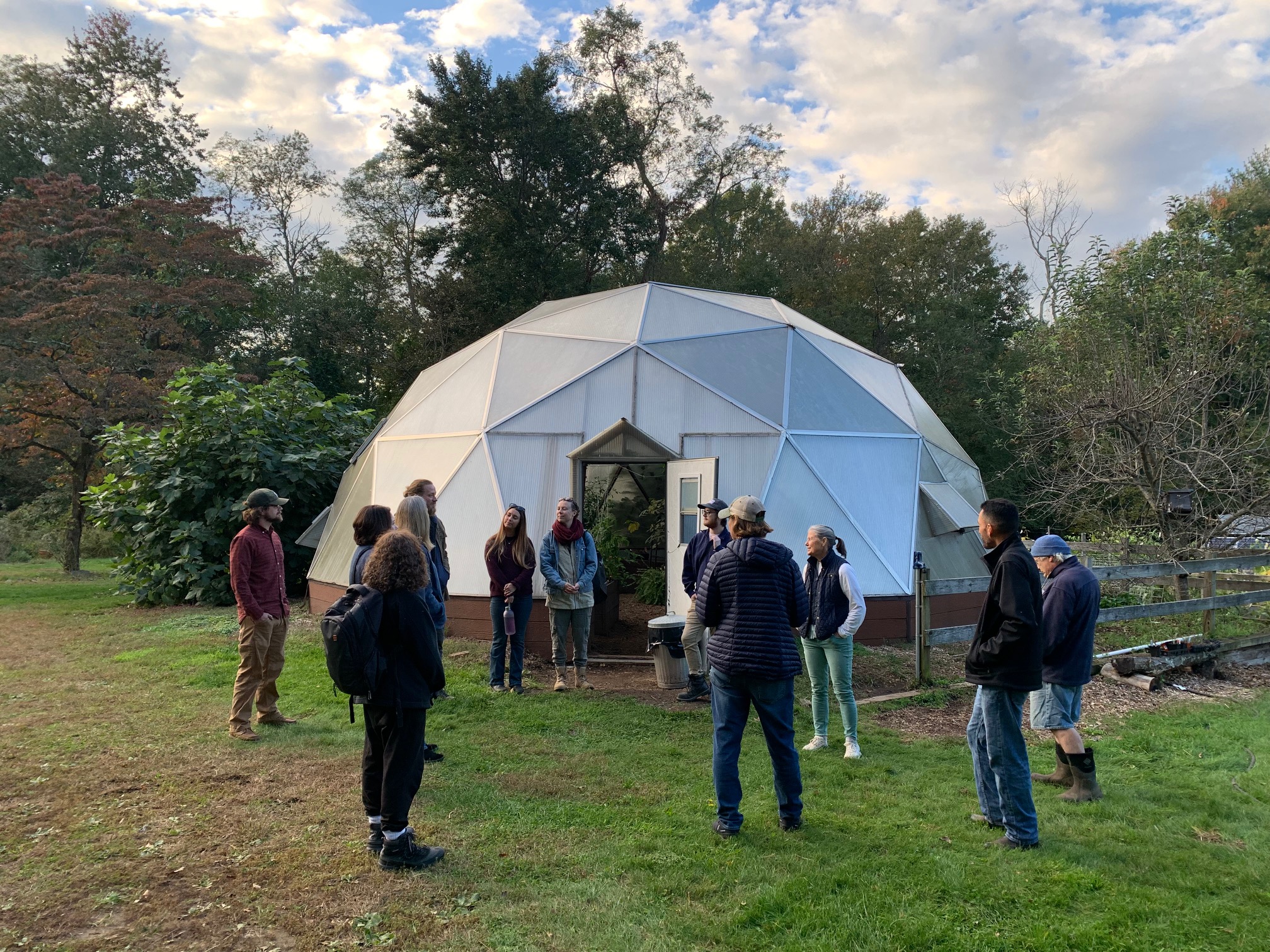
Accomplishments: In 2023, CFN hosted three farm tours at Red Wiggler Care Farm (MD), Madison Fields (MD), and OASIS TLC (NJ) with a total of 34 participants. In 2024, CFN hosted two farm tours at Homefields Care Farm (PA) and A Meaningful Purpose at Reeds Farms (NJ) with a total of 23 participants. In 2025, CFN hosted two farm tours at Homesteads for Hope (NY) and ACRES (PA) with a total of 20 participants. Each farm tour was led by both neurotypical and neurodivergent farmers and was neurodiversity-welcoming. Established farmers and beginning care farmers learned how each care farm operates and established connections with other farmers.
Milestone 8-Engagement and Learning: One hundred farmers engage with online educational resources highlighted in e-newsletters. These care farming resources will include best practices developed from the Winter Mentor retreat. Farmers will use these resources on their own farm to improve their care farming. The project team will track engagement through unique downloads online, views for videos and newsletter open rates (April 15, July 15, October 15, January 15, each year). Completed: February 1, 2026.
Status: Complete (April 1, 2026)
Accomplishments: CFN sent a monthly e-newsletter that highlighted care farms, events, and resources. 37 newsletters were sent from March 2023 - April 2026 with an average open rate of 53%. Since March 2023, the CFN email list has expanded from 257 to 1088 Northeast email subscribers.
Milestone 9: Engagement and Learning: Seventy-five established and beginning care farmers participate in person at each Annual Conference (estimating a total of 100 unique farmers, with some farmers participating twice). Farmers will establish important connections and learn valuable practices from their peers (February 2025, February 2026). Completed: March 1, 2026.
Status: Complete (March 1, 2026)
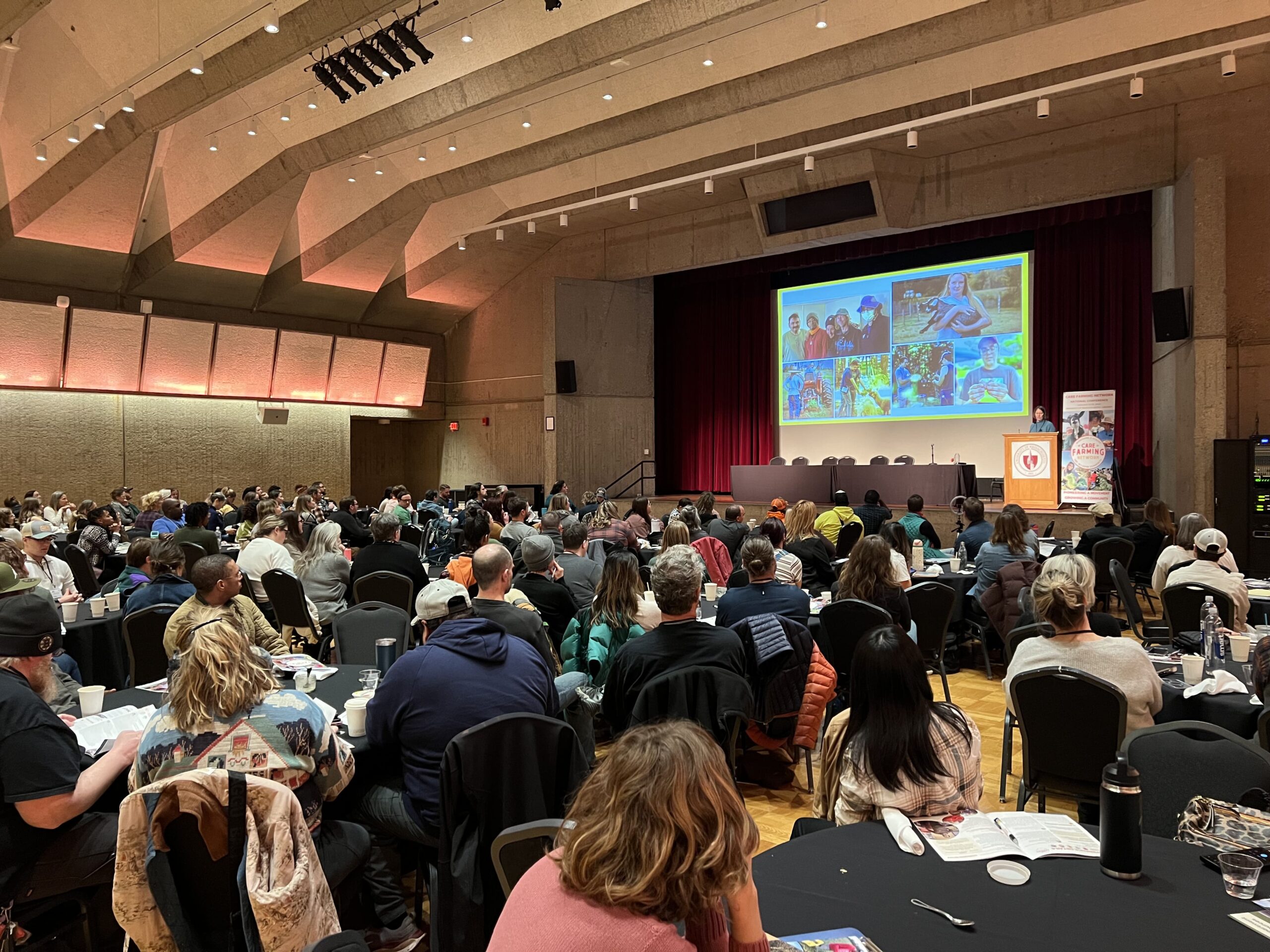
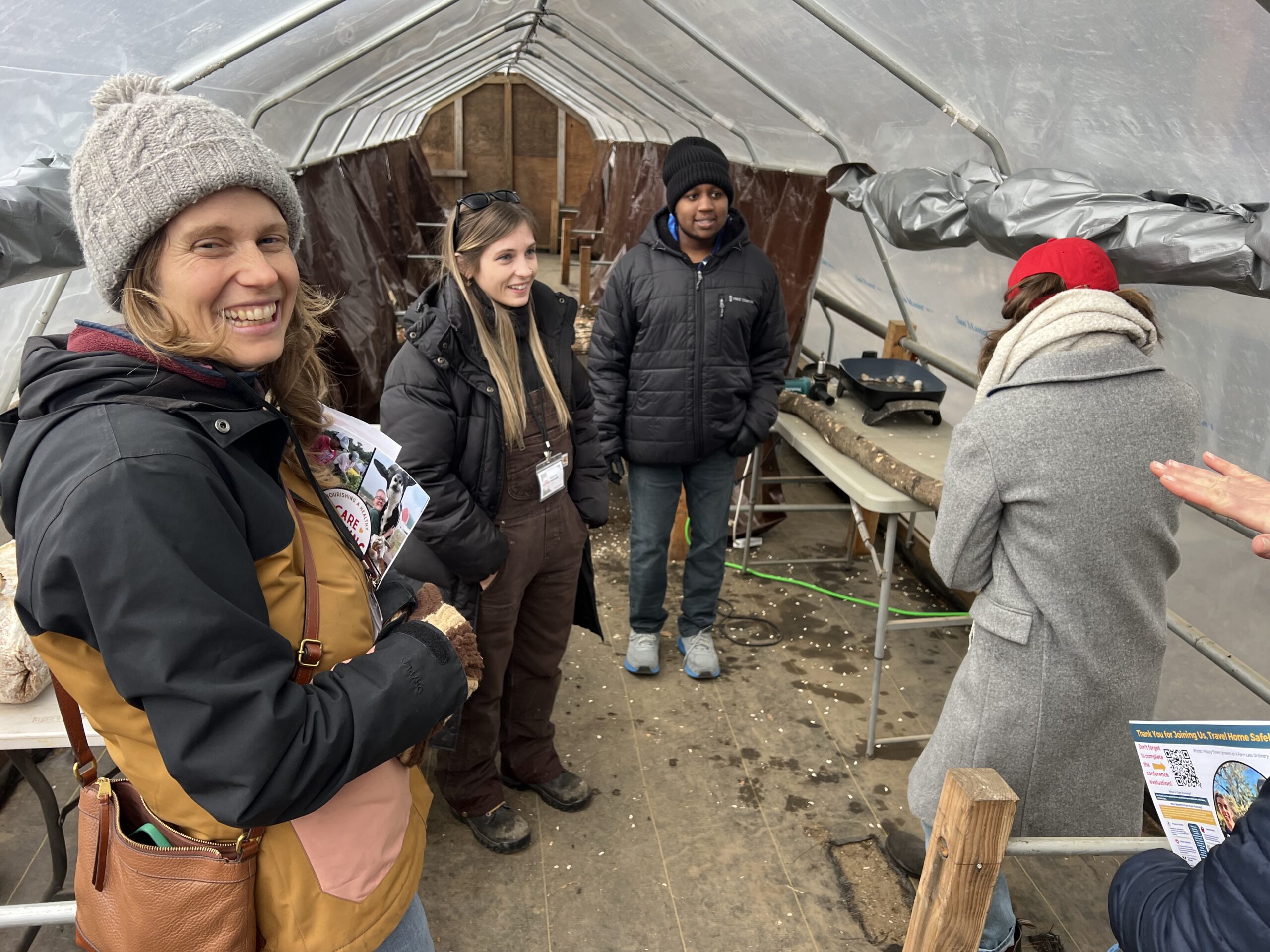
Accomplishments: CFN hosted two in-person conferences. The first Care Farming Network Conference was held January 13–15, 2025 at the University of Massachusetts Amherst, featuring a farm tour at ServiceNet's Prospect Meadow Farm (MA), with 129 northeast attendees (170 total). The second Care Farming Network Conference was held February 9–11, 2026 in Gaithersburg, MD, featuring a farm tour at Red Wiggler Care Farm (MD), with 127 northeast attendees (215 total). 92% of attendee evaluations indicated participants learned a new skill or gained knowledge applicable to their farm. Farmers built peer connections, gained a renewed sense of community, increased confidence in their approaches, and left with practical skills to apply on their farms.

Milestone 10: Engagement and Learning: Thirty-six farmers consult with Red Wiggler or other care farm mentors gaining specific knowledge on how to start a care farm or employ people with I/DD on their farm. Additionally, farmers will gain connections to an experienced mentor. Recurring: 1 consultation/month. Completed: April 1, 2026.
Status: Complete (April 1, 2026)
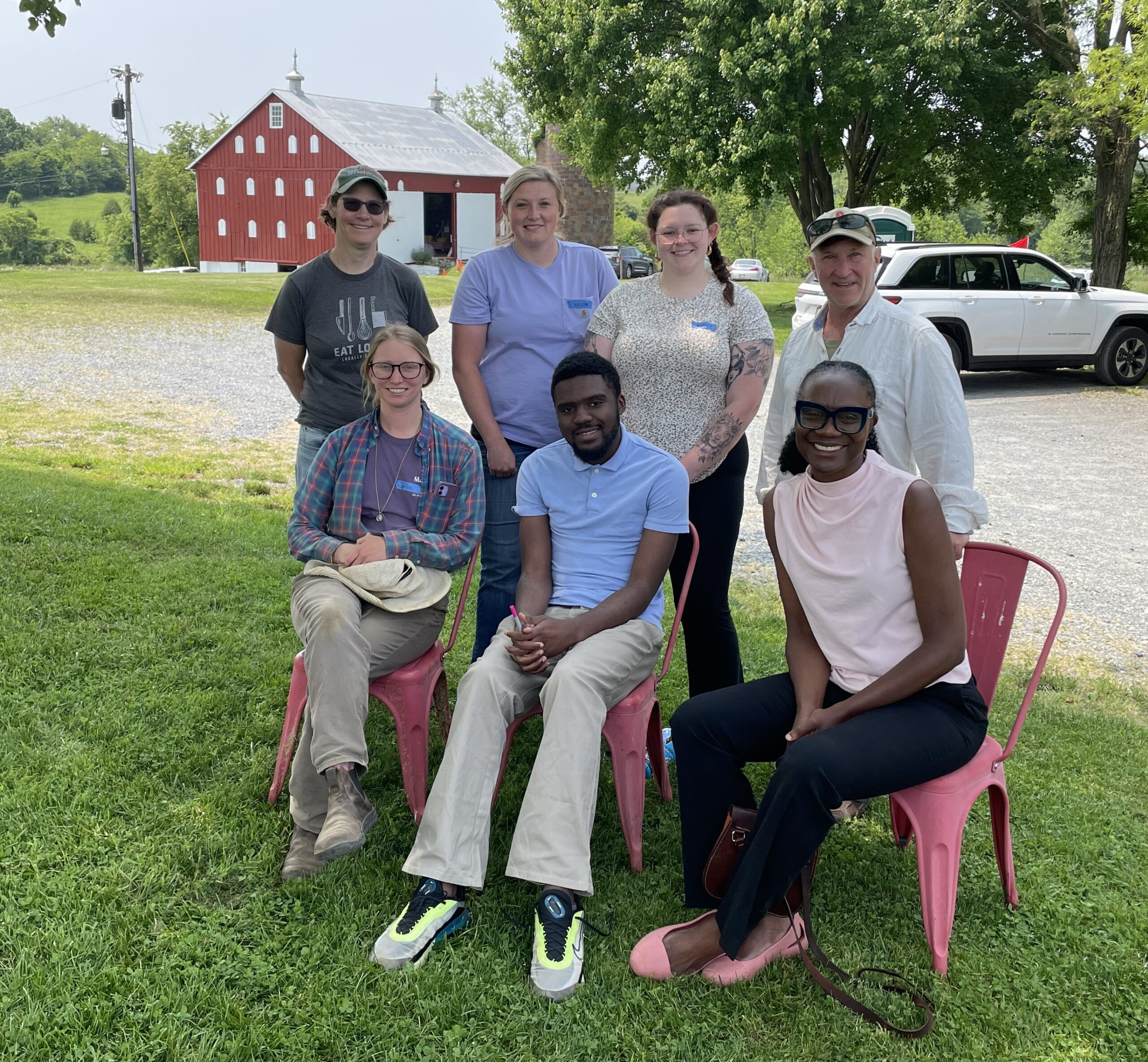
Accomplishments: Red Wiggler staff provided 46 consultations with beginning and established farmers, providing expert advice and guidance on how to start, build, and grow a care farm. Consultations included Zoom calls and visits to Red Wiggler Care Farm. In addition, starting in March 2025, CFN began hosting monthly Open Office Hours where anyone could join and ask a question about starting a care farm or other care farming topic.
Milestone 11: Engagement and Learning: Seventy-five total farmers hear presentations from CFN team at major regional farming conferences. Presentations will be offered at conferences such as Future Harvest, Pasa and the Northeast Organic Farming Association (NOFA) conference. These conferences will serve as a recruitment opportunity into the CFN, as well as a chance to make important connections among care farmers in the Northeast (2 conferences per year: January and February, 2024, 2025, 2026). Completed: April 1, 2026.
Status: Complete (April 1, 2026)
Accomplishments: Red Wiggler and CFN presented at five national conferences and five regional conferences / networks including presenting at Kennedy Krieger's Neurodiversity in the Workplace twice, Farmer Veteran Coalition (TX), Agrability(MI) and National Agriculture Marketing Summit (DC), exhibited and hosted a care farming panel at NOFA New Jersey (NJ), presented at Future Harvest (MD) and Montgomery County MD Eats (MD), and presented virtually to Farm to Institution New England and Penn State extension agents. Attendees learned about care farming, its therapeutic benefits, and how its neurodiversity-welcoming practices can be replicated.
Milestone 12: Evaluation: One hundred unique Farmers (over the course of all Network activities) complete surveys at each webinar, event, or consultation to establish baseline I/DD employment information, track knowledge/skill acquisition, and provide feedback. Surveys allow participants to convey what knowledge/skills they have gained, as well as topics they require additional assistance on. Recurring. Completed: April 1, 2026.
Status: Complete (April 1, 2026)
Accomplishments: CFN staff developed a post-event evaluation survey. Over 100 evaluations have been completed for these CFN activities: Virtual Beginning Care Farming Series, Virtual Webinars, Mentorship Retreat, Care Farm Tours and Meetups, and Care Farm Visits. CFN staff used these evaluations to inform future programming topics and to understand the knowledge and skills learned.
Milestone activities and participation summary
Educational activities:
Participation summary:
Learning Outcomes
Performance Target Outcomes
Target #1
90
Farmers will feel an increased sense of connection
15 additional people with intellectual or developmental differences will be hired and 25 Care Farms will join the Care Farming Network.
76
Farmers feel an increased sense of connection.
Target #2
90
Farmer will increase their farm effectiveness
80
Farmers have gained knowledge and feel they increased their farm effectiveness.
Original performance target:
- 25 Care Farms will join the Care Farming Network, supporting 100 total Care Farmers. Of that 100, 90 will report increased effectiveness and sense of connection, leading to the hiring of 15 additional people with intellectual and developmental differences.
Overall, 48 Northeast care farms working with people with intellectual and developmental disabilities (I/DD) were added to CFN’s online map and directory, nearly doubling the original target of 25 care farms.
Attendees completed a post-evaluation survey after all CFN activities, including the Virtual Beginning Care Farming Series, care farm tours and meetups, webinars, conferences, and care farm visits. Evaluations included two core questions: "Do you feel more connected to other care farmers after this event or visit?" and "Will this new skill, knowledge, or resource improve your effectiveness?" Evaluations also asked whether participants identified as farmers.
Across the Northeast region, 149 unique participants completed an evaluation, with 137 reporting increased work effectiveness and/or feeling more connected. Of the 84 participants who identified as farmers, 80 reported gaining knowledge (a 95% positive response rate), and 76 reported feeling more connected (a 90% positive response rate). CFN's reach extended well beyond the Northeast: 144 farmers nationwide reported increased knowledge and/or feeling more connected, with 245 total participants reporting the same.
CFN was unable to verify the target of hiring 15 additional people with I/DD. To avoid survey fatigue, we chose not to conduct a separate survey to farmers who were already being asked to participate in the research study and activity evaluations. Among mentorship program participants, the project timeline proved insufficient for beginning farmers to reach the point of hiring growers with I/DD; most were still establishing their business structure and building financial capacity by the project's conclusion. Tracking this outcome remains a priority for future phases of CFN’s work.
Additional Project Outcomes
Some of the most meaningful outcomes of this project are difficult to quantify. CFN connected experienced care farmers across the Northeast who had not previously known one another existed. These relationships took on a life of their own: for example, farmers from Prospect Meadow Farm (MA) independently organized a visit to Homesteads for Hope (NY), and SMILE Farms (NY) used the CFN conference as a model to host their own conference/retreat — bringing together their 12 farm campuses for the first time. Time and again, farmers described the profound value of simply not feeling alone in their work. The connections made through this project are invaluable.
CFN also significantly raised public awareness of care farming and its therapeutic benefits, (including hiring people with I/DD) through national and regional media coverage, including:
- NPR Here and Now: "New network aims to expand emotional support care farms in the U.S."
- Fox5 DC: "Testing out Claire's green thumb at Red Wiggler Farm"
- WJLA7: "'Treated as equals': Md. farm employing people with disabilities hopes to inspire change"
- Izzak Walton League Outdoor America: "Fertile Ground for Inclusivity: Differently Abled Adults Discover Farming"
- Ambrook Research, "Cultivating More Than Crops"
- Reimagination Cafe, “Cultivating Change: The Transformative Power of Care Farming Podcast”
- Offrange, “A Different Kind of Farm”
- Daily Hampshire Gazette, “Planting the ‘care farm’ seed: ServiceNet touts its therapeutic farm in Hatfield a model for first-ever conference at UMass”
- New England Public Media, “Growing CARE”
- WWLP TV, “National Care Farming Conference at UMass Amherst”
- Substack, Eliza Factor’s Lonely Worm Farm, “Care Farming & Kizmet”
- Delaware Today, “Care Farms Cultivate Healing Across Delaware”
- The Packer, “Ag Apprentice Program Helps Disabled Adults Grow”
- Raising Kellan Podcast, “Introducing Care Farming Network”
- Hamilton Spectator, “While touring a therapy farm, I got a call that left me reeling”
“This network is such a gift! Just knowing there are other like-minded folks out there just trying to make a difference and use their land for good has been so inspiring.” -apple farmer in eastern PA whose farm produces gourmet small batch apple cider and apple butter "planned, produced, packaged, and promoted with talented help of people with disabilities".
“I'm really grateful for these sessions. Everyone who spoke was knowledgeable and inspirational, and I'm very glad I attended. Thank you so much for all your time, dedication, hard work and kindness!” - Beginning farmer and aspiring Care Farmer in PA
“Thank you so much for meeting with me yesterday! I truly felt your deep support and caring, and I am grateful. It is relieving to share with folks who understand the intricacies of a care farm on so many levels. Our conversation sparked many thoughts that I will be marinating!” - vegetable market farmer in Long Island, NY who hosts on-farm neurodiversity-welcoming organic growers courses.
The success of this project was rooted in two core strategies: identifying and visiting experienced care farms to understand what made them effective, and creating structured opportunities for experienced, aspiring, and beginning care farmers to learn from one another. A distinctive and intentional feature of the project was welcoming of farmers with intellectual and developmental disabilities as contributors and leaders throughout — from developing educational content and leading farm tours, to participating in the research study and speaking at conferences.
This project also revealed an important gap that warrants further attention: agricultural extension agents and agricultural service providers largely do not know about care farming or how to advise farmers who are interested in starting one. When CFN was invited to present to Penn State Extension agents and hosted a panel of Pennsylvania care farmers, the response underscored both the interest and the need. Reaching extension professionals and agricultural service providers — not just farmers — emerged as a critical next step for expanding the care farming movement.
CFN plans to carry its learnings from this Northeast project into new regions, continuing to build relationships, mentorship programs, and professional development opportunities for farmers, aspiring care farmers, and agricultural and social service professionals alike.
Information Products
- Want to Start a Care Farm: Where To Begin? (w/ Woody Woodroof, Red Wiggler's Founder)
- Exploring Business Models: Nonprofit, For-Profit, or Partnership?
- Facility and Land Options: What’s Right for You?
- How Do I Fund A Care Farm? (w/ Red Wiggler's Woody Woodroof Founder)
- Want to Start A Care Farm: Planning & Funding Your Care Farm (w/ Jenny Brongo, Homesteads For Hope Founder)
- Exploring Business Models and Facility & Land Options for Your Care Farm (w/ Woody Woodroof Red Wiggler's Founder)