Final report for ONC24-138
Project Information
Honeyberry (aka haskap) is a promising new perennial fruit crop for growers throughout the North Central Region for fresh and processing markets. Over the past 15 years, breeding programs in North America, led by the University of Saskatchewan and Dr. Maxine Thompson, have released a number of improved cultivars that are far superior to earlier cultivars. As a result, we are seeing increased interest and adoption from growers. However, as with many emerging crops, significant hurdles make adoption risky. Growers report dramatic differences in yield, growth habit, flavor, and other important traits among cultivars and cite a lack of reliable information about cultivar selection and best management practices.
This proposal sought to address this issue by partnering with growers, university researchers, plant breeders, and the private company SeedLinked to crowdsource performance data on honeyberry cultivars from a large network of growers and make it freely available to the public. SeedLinked is an innovative trial management platform designed to crowdsource variety performance data from growers and share collective knowledge through an open-source database. SeedLinked has proven to be a powerful tool for annual crops but has not yet been utilized for perennials. This project tested and helped optimize SeedLinked for use with perennial crops using honeyberry as a pilot.
At the start of the project, honeyberry growers from across the North Central Region and beyond were recruited to participate in the project through outreach conducted by UW-Madison Extension and partners such as North Dakota State University, University of Minnesota Extension, and Montana State University. Growers were surveyed on the varieties they were growing, the most important traits for honeyberry, and management methods. The results were built into SeedLinked to customize trial creation for honeyberries. Throughout the 2024 and 2025 growing seasons, growers rated their varieties in SeedLinked on characteristics such as yield, disease resistance, flavor, plant form, and early maturity, on a scale of 1-5, and recorded their management methods. Growers uploaded photos of the plants and fruit and recorded comments on variety performance. They also provided feedback on the SeedLinked user interface to inform platform improvements at end of each growing season. At the end of each season, UW Extension convened growers to discuss trial results, review photos and comments, discuss platform improvements, and share general honeyberry production knowledge. In addition, UW-Madison Extension hosted annual field days at honeyberry farms that brought project participants together for in-person networking and learning. The 2025 field day brought together a wider community of 115 honeyberry growers, aspiring growers, and agricultural professionals for a full day of presentations, activities and tours at the inaugural Upper Midwest Honeyberry Academy at Haskap Minnesota in Stillwater, MN. This proved invaluable for building community and generating enthusiasm around honeyberry production.
Through this project, 15 growers from across the Upper Midwest entered data on their honeyberry varieties in SeedLinked. We learned that SeedLinked could be a valuable tool for growers to access information on honeyberry varieties, but significant platform improvements are needed before most growers adopt the tool. Growers reported difficulty navigating the site and entering data, citing a lack of user friendliness. They wanted more management information tied to the data to give it more context. Grower engagement on the social networking feature of SeedLinked was limited as well. Needed platform improvements would require significant investment that was beyond the scope of the grant. While some useful information was recorded in SeedLinked, most growers reported that they did not plan to continue using the tool in the future until significant changes were made. As a result, the primary outcome of the project was building a highly engaged community of practice among growers. High attendance and engagement in virtual meetings and annual field days demonstrated the demand for production support and desire for more networking and in-person learning. As a result of this project, project participants developed connections with other growers, researchers, and university extension educators. They gained knowledge of cultivar selection, best management practices, harvest techniques, and post-harvest processing methods for honeyberry through peer to peer learning and at field days.
This proposal has two main objectives:
- To crowdsource performance data on honeyberry cultivars (ranging from pre-commercial to commercial) from a large network of commercial growers, university researchers, and plant breeders; and to make those insights freely available to all stakeholders.
- To test and optimize SeedLinked’s crowdsourcing model and information sharing platform for use with perennial crops using honeyberries as a pilot.
We addressed the first objective by partnering with SeedLinked, a trial management platform. We recruited honeyberry growers from across the Upper Midwest and beyond to record performance data on their cultivars on SeedLinked and convened growers to go over results and share insights.
We addressed the second objective by collecting feedback from growers on usefulness of SeedLinked throughout the duration of the project. The feedback was used by the SeedLinked team to make make improvements at the end of each growing season.
Cooperators
- (Researcher)
- (Researcher)
- (Researcher)
- (Researcher)
- (Researcher)
- (Researcher)
- (Researcher)
- (Researcher)
- (Researcher)
- (Researcher)
- (Researcher)
- (Researcher)
- (Researcher)
- (Researcher)
- - Technical Advisor (Researcher)
Research
Existing honeyberry growers from around the North Central SARE region were recruited to participate in this collaborative trial with SeedLinked. Growers were required to have at least two different cultivars and at least five plants of each variety that were producing fruit. No other criteria were required. Some were home gardeners, others were commercial growers. 38 growers initially expressed interest in participating in the project. Growers were convened virtually in spring 2024 for an overview of the project and a tutorial of the SeedLinked platform. Growers were asked to create an account on SeedLinked and create a new trial by adding the cultivars they were growing on their farms and gardens. Throughout the growing season, growers were asked to enter performance data on the cultivars they were growing, including for traits such as yield, flavor, plant stature, berry size, disease resistance, and fruit relative maturity. Each trait was scored on a 1-5 scale, with scores being relative to the other cultivars they were growing. Growers also uploaded photos and comments and engaged with one another through SeedLinked's community feed social networking feature. Growers were also encouraged to provide feedback on the functionality and user experience of the SeedLinked platform, so that this feedback could inform platform improvements before the following growing season. At the end of each growing season, growers were convened virtually to view the results of the trial and discuss their experience using SeedLinked. Feedback was gathered and was used to improve the platform for use with honeyberries and perennials more broadly. In June 2024, UW-Madison Extension hosted a field day at a honeyberry farm in Winona, Minnesota to tour the farm, facilitate networking, and participate in a cultivar tasting using the SeedLinked. In July 2025, UW-Madison Extension hosted the inaugural Upper Midwest Honeyberry Academy at Haskap Minnesota in Stillwater, MN, which drew 115 growers, aspiring growers, researchers, and agricultural professionals.
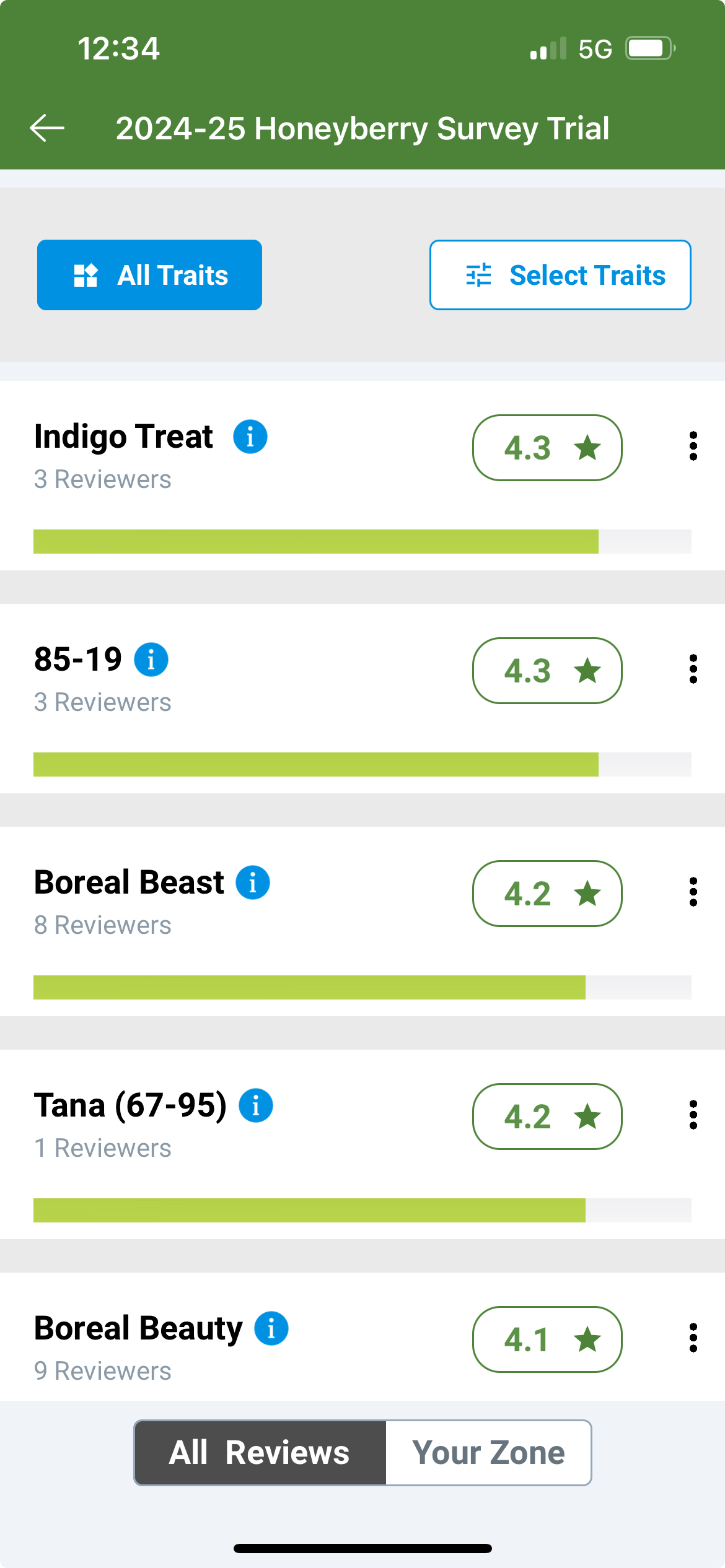
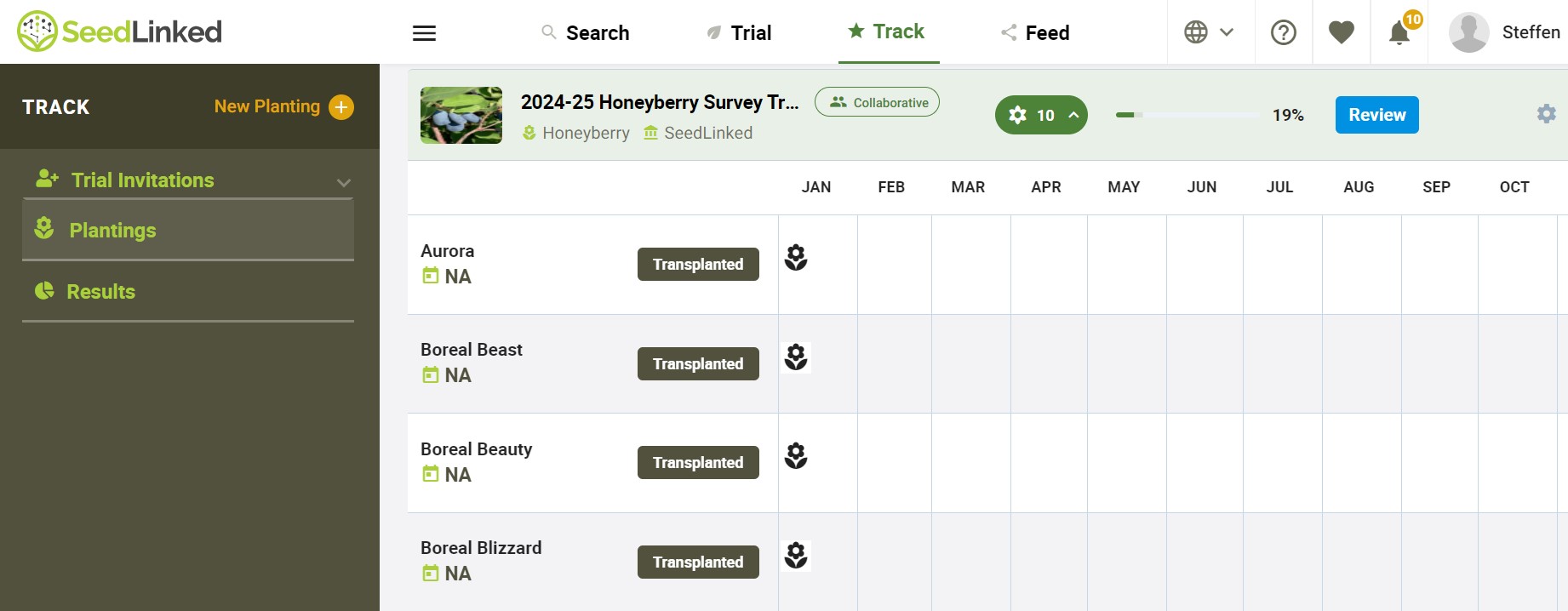
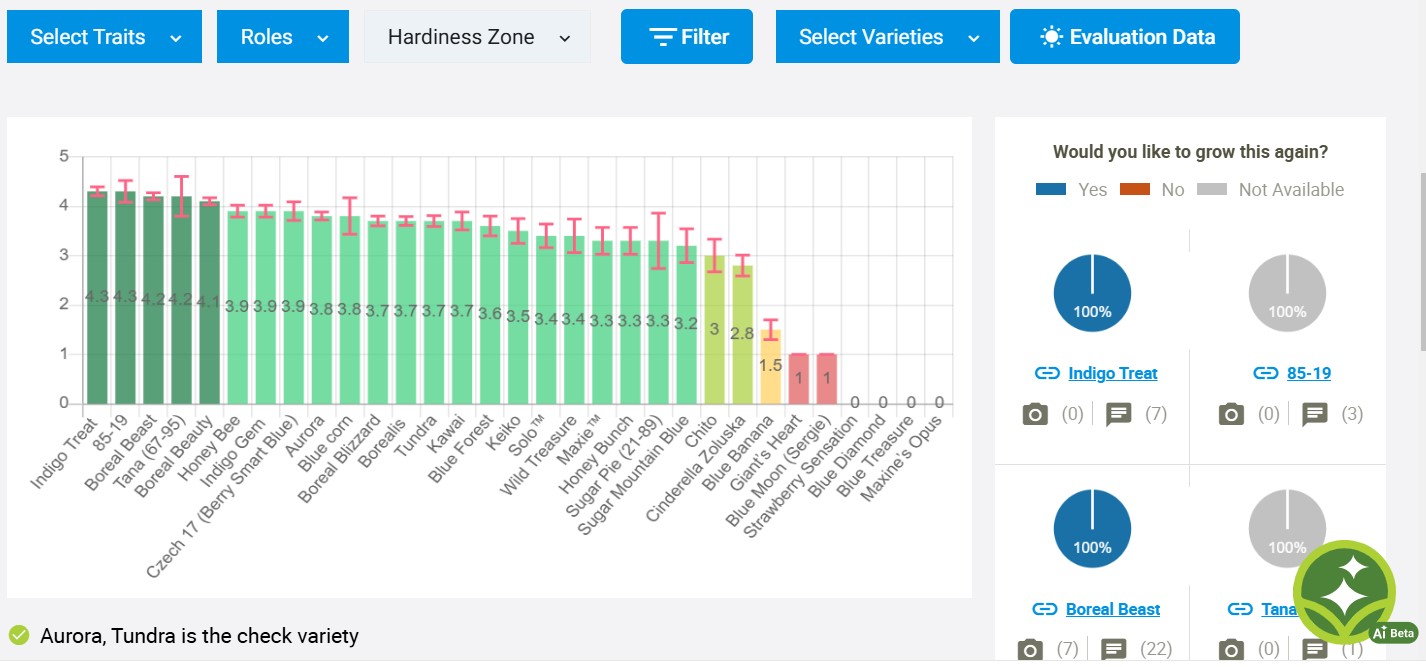
We had 31 growers create an account on SeedLinked. Roughly half of these growers submitted data over the 2024-2025 growing seasons. These growers submitted a combined total of 471 data points (i.e. ratings for different traits), 35 images, and 184 comments. This data was compiled and results were made public on SeedLinked. The data on honeyberry cultivar performance is helping to build collective knowledge on the performance of honeyberry cultivars in different regions of the Midwest to help inform grower choices. Growers also shared feedback on the user experience of SeedLinked, which was compiled and used to make improvements to the software platform.
Educational & Outreach Activities
Participation summary:
In April 2024, Steffen Mirsky from UW-Madison Extension and Nico Enjalbert of 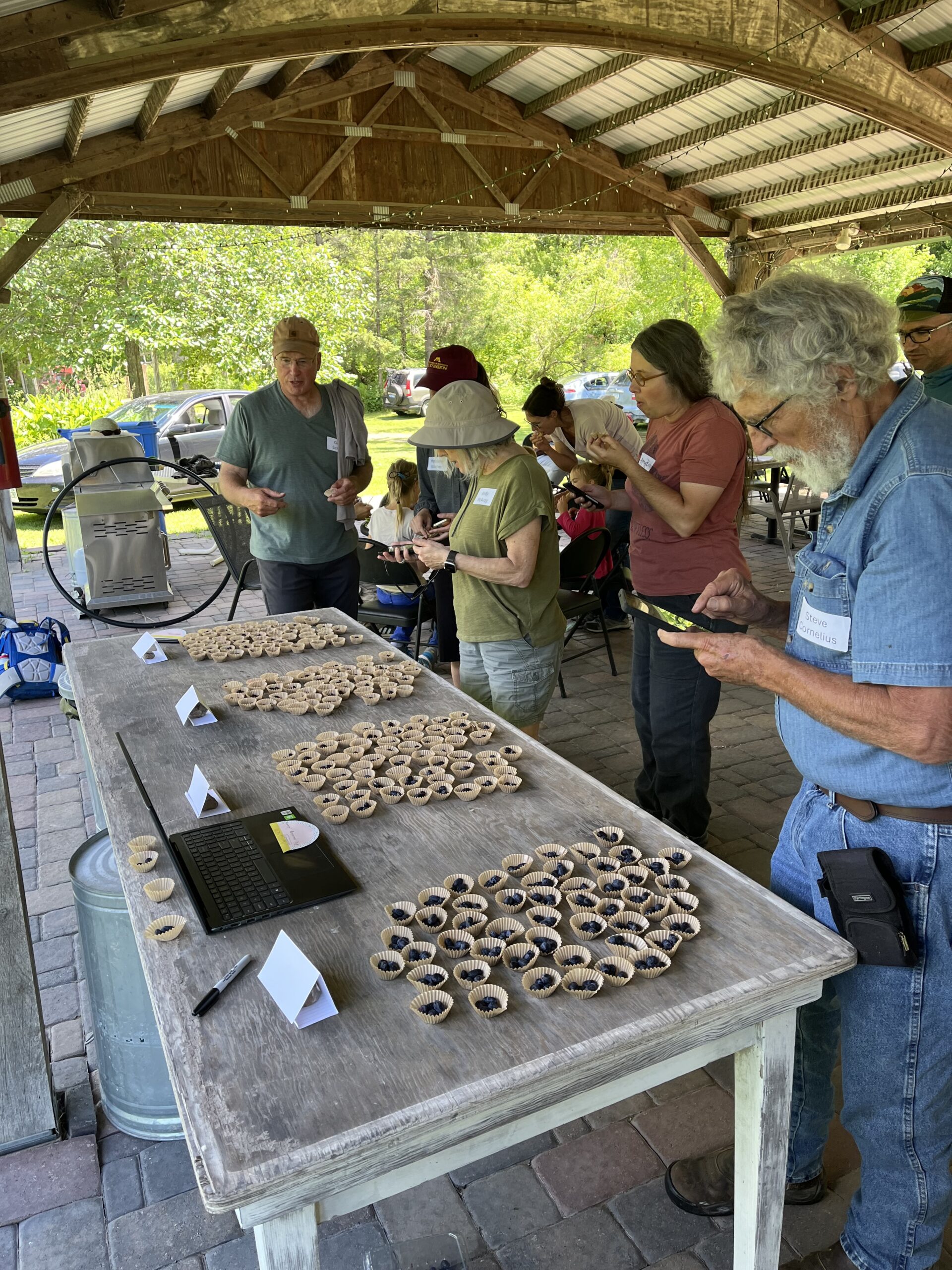 SeedLinked hosted a webinar with all interested participants to go over the project and learn how to use the SeedLinked platform, including how to create an account, add their cultivars, submit ratings, upload photos, and enter comments. Steffen and Nico provided technical assistance to growers throughout the season to help them navigate the platform and answer any questions. Two "office hour" meetings were held to help answer questions.
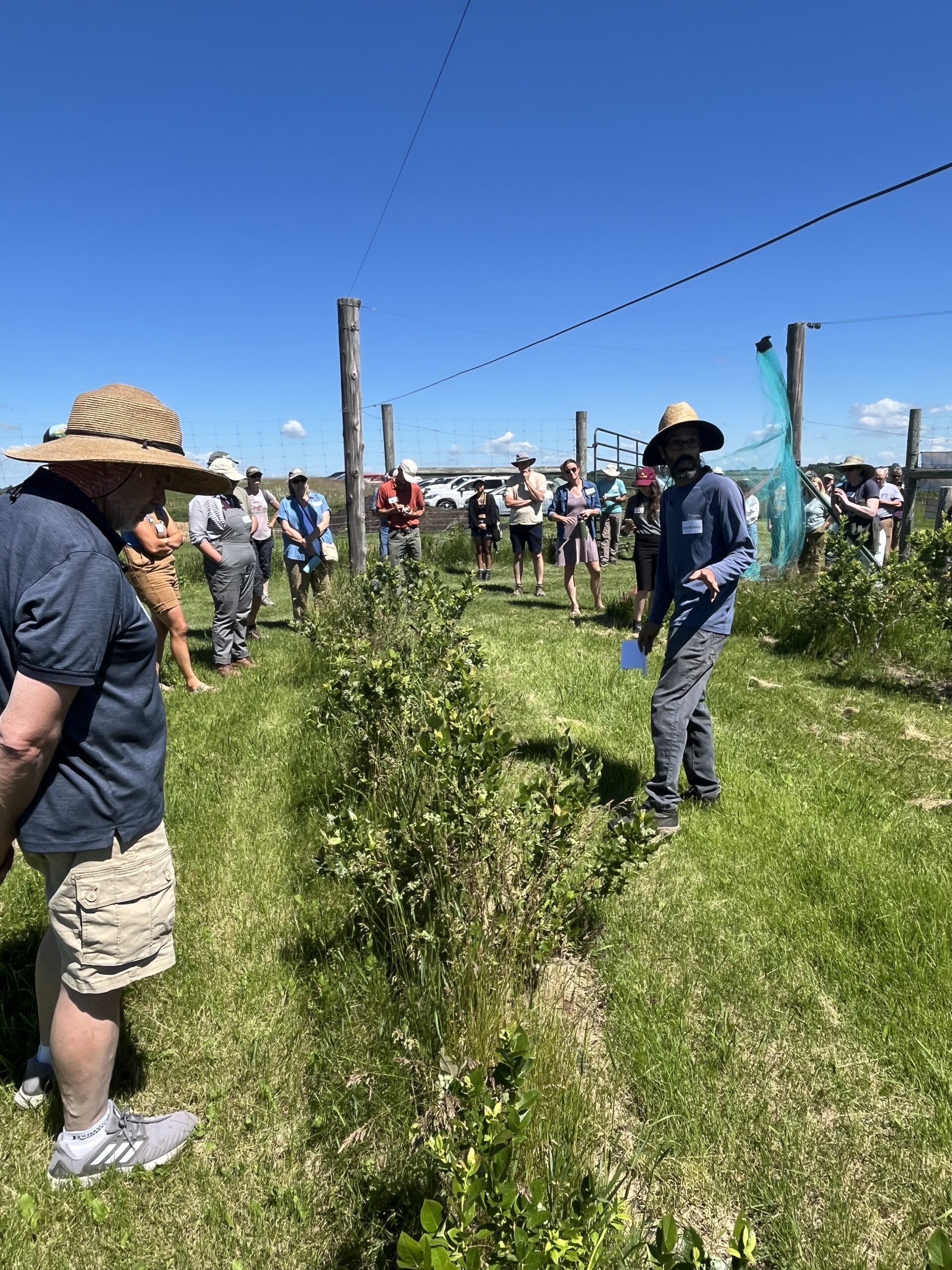
In June 2024, a public field day was held at Blue Fruit Farm in Winona, MN. About 45 growers, including many of the participants in this project, convened for a tour of the honeyberry orchard, a discussion of the SeedLinked project, a cultivar tasting with SeedLinked, and peer to peer networking.
In October 2024, all growers and project partners convened over Zoom to look over the results from the 2024 growing season and discuss the user experience of the SeedLinked platform. Feedback was collected to help guide platform improvements over the 2024-2025 winter.
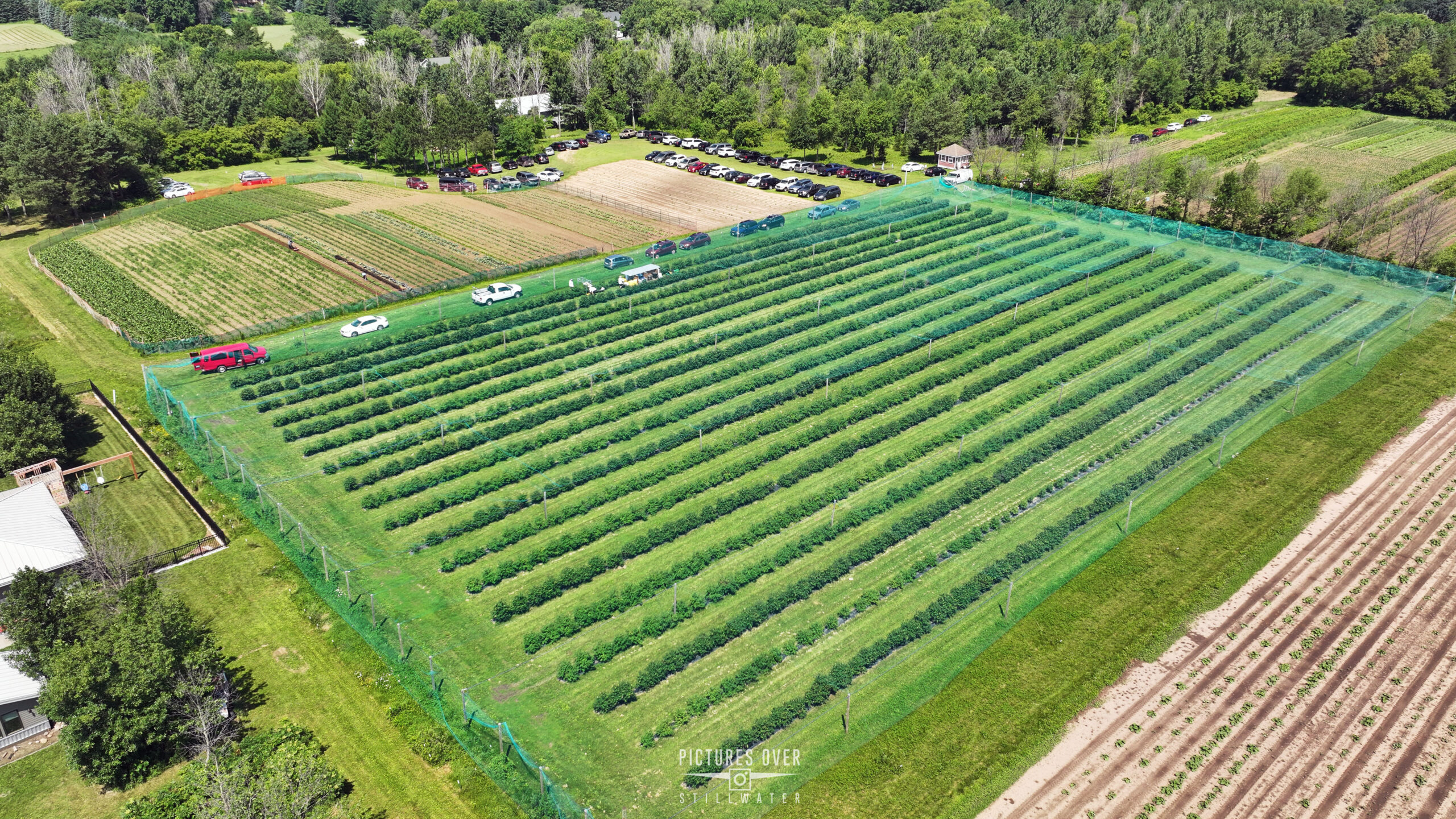
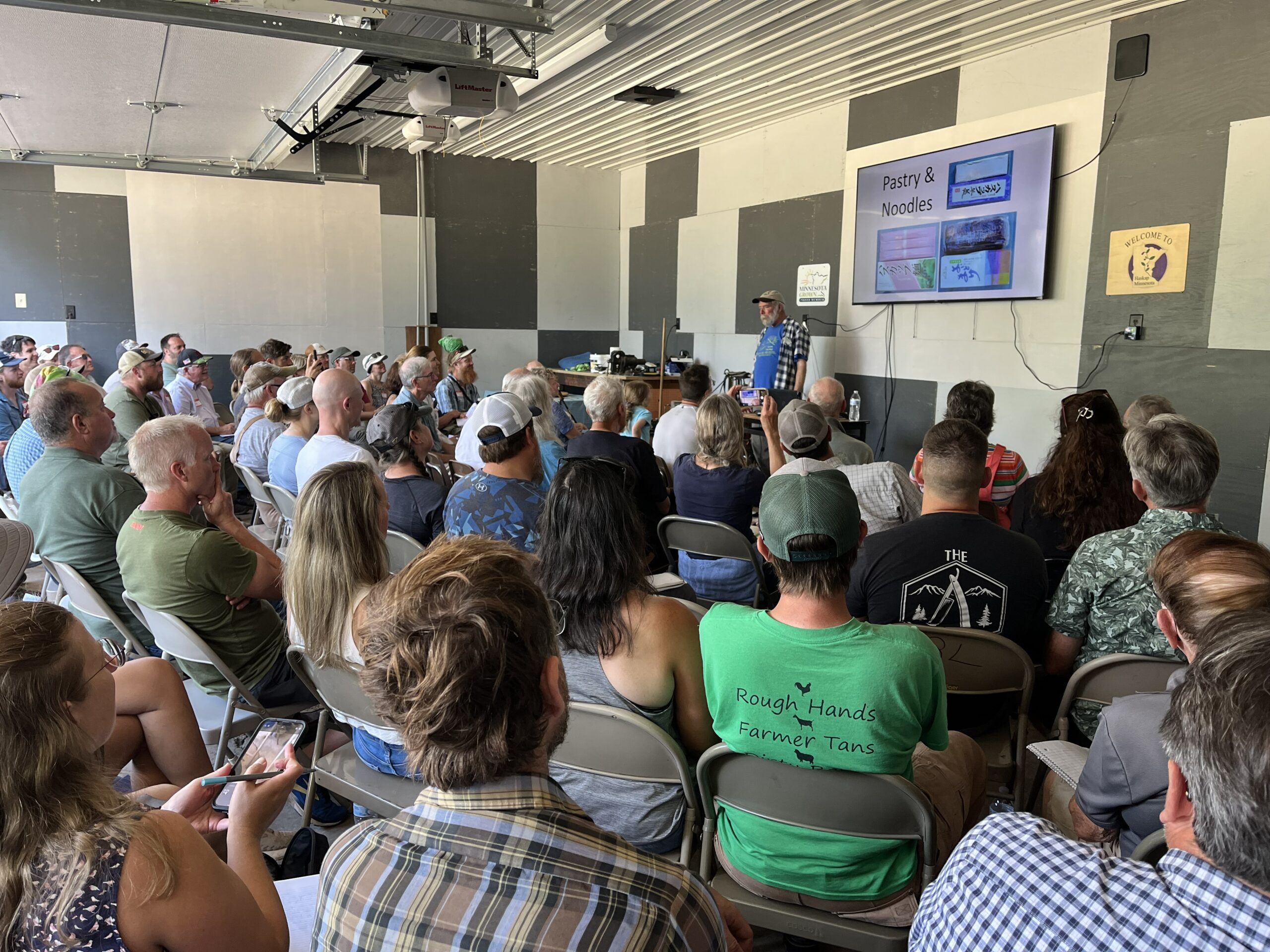
In April 2025, growers were convened via Zoom to go over SeedLinked platform improvements and project activities for the 2025 season. In July 2025, 115 people attended the inaugural Upper Midwest Honeyberry Academy at Haskap Minnesota, a 2-acre honeyberry farm in Stillwater, MN. Attendees included many of the project participants as well as other growers, researchers, Extension educators, ag professionals, and aspiring growers from across the Upper Midwest. The one-day conference included presentations by Dr. Zach Miller of Montana State University, Dr. Bob Bors from the University of Saskachwan, expert growers, and ag professionals. Attendees toured the haskap orchard and processing facilities. A recap of the event was published here: https://fruit.wisc.edu/2025/07/22/the-buzz-about-honeyberries-a-growing-community-comes-together/
In October 2025, project participants were convened for a final meeting to discuss trial results, the SeedLinked user experience, future areas of research, and ways to stay connected.
Learning Outcomes
Honeyberry cultivar selection
Honeyberry cultivar performance and flavor.
Honeyberry harvest methods for different scales of production.
Honeyberry post-harvest processing and storage methods.
Honeyberry end uses and value-added products.
Honeyberry cost of production and profit potential.
Project Outcomes
This project has built a community of honeyberry growers in the Upper Midwest and facilitated peer to peer networking and knowledge-sharing among growers. This project has raised awareness of honeyberry as a promising new fruit crop to growers who are looking to diversify, as well as agricultural professionals and university extension who provide technical assistance to growers. It has highlighted honeyberry as a crop for increasing on-farm climate resilience and diversifying revenue sources, with its potential for fresh eating and processing, and spreading out labor needs as a very early ripening crop. These outcomes will help support aspiring and existing honeyberry growers and increase adoption of this promising new fruit crop that will bring more diversity and economic and environmental resiliency to fruit farms in the Upper Midwest.