Final report for ONC24-148
Project Information
Small-scale specialty crop production presents many sustainability challenges, including creating crop rotations that are fiscally responsible, suppress weeds, and maintain or improve soil health. Additional challenges are experienced by refugee and immigrant farmers, including language barriers and a need to adapt production methods for culturally important crops. This project partners with a group of diverse specialty crop farmers in Southeastern Nebraska to test innovative cover cropping strategies over two seasons. Comparative performance of five culturally-important cash crops and five high-performing cover crops will be examined. The crops' productivity, weed suppression ability, as well as the monetary value of the cash crops will be measured. Desired outcome is the adoption of new cultural cash crops and traditional cover crops into small specialty crop farmers’ crop rotations.
Participating farmers will receive four education/demonstration sessions annually on cover crops and related techniques for specialty crop operations. These sessions will also be open to other area farmers, agricultural professionals, and the broader public. Educational materials and research findings will be shared in English and Arabic, with an emphasis on reaching Midwestern farmers of Arabic-speaking backgrounds. This innovative approach makes information on sustainable agricultural practices more broadly available to refugee and immigrant farming communities.
- 10 farmers will receive technical assistance implementing cover crop and culturally relevant Middle Eastern cash crops into their farm operations.
- 4 education/demonstration sessions (15 attendees each) will educate on cover crop usage and related techniques. Research findings on effectiveness of the culturally relevant cash crop and traditional western cover crops will be made publicly available in English and Arabic.
- Select educational materials related to cover crop management and culturally important cash crops will be created and shared in English and Arabic.
- Project representatives will present findings at one conference in the North Central region.
Cooperators
- - Technical Advisor (Educator and Researcher)
Research
This project selected 5 different cash crops and 2 different overwintering cover crops to be used in research. Culturally important cash crops selected included black oil sunflower, cowpea, chickpea, lentil, and fava bean. These crops are culturally important to participating cooperating farmers as staples foods in their diets. 2 cash crops were randomly assigned to farmers, such that each crop was replicated twice in the plantings. All plots were 300 square feet in size, and each farmer was assigned 8 plots total – four test plots planted with cash crops, and four fallow plots for control in experiment design. As is common in agronomy field experiments, we planted cover crops and main crops of interest in repeated strips across the areas of the fields assigned to different farmers. This is done to capture variations that might naturally occur in a field, and to give us confidence in our results. In year one, plots were located at two farm sites, but centralized to one farm site in year two for better management.
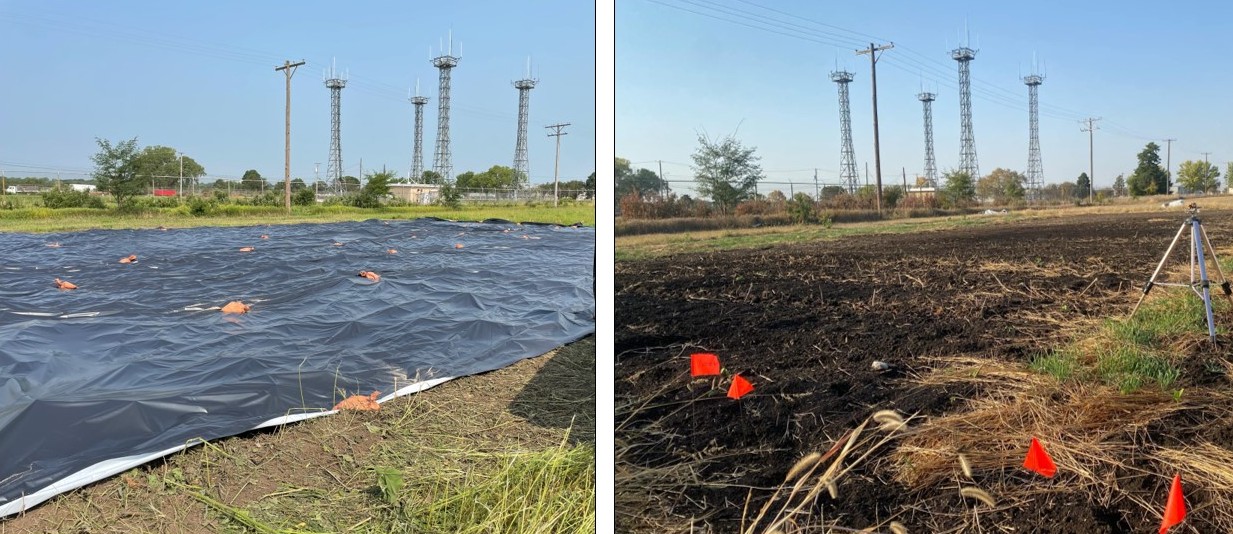
Prior to planting, fields were shallowly cultivated and compost was applied to plots to a depth of 1’’. Both cover crops and cash crops were broadcast seeded at the recommended rate by the company we purchased from and mulched over lightly with straw to provide some coverage of seeds to ensure best germination. After seeding, plantings were watered with overhead irrigation until they germinated. In year one, at our Airpark site, due to cash crop plantings failing to germinate, we were able to add silage tarps as an experimental factor for 4 weeks prior to cover crop seeding.
Once cash crops were terminated, vetch or rye was planted as cover crop rotation. Cover crop choices were recommended by our technical advisor, Dr. Andrea Basche, who had worked with these two cover crops extensively in her previous research. We selected plants that would overwinter both for soil health and to help with weed suppression, as well as to provide an opportunity to teach cooperating farmers on termination timing and methods in spring. In year two, the year one procedures for planting and establishment of both cash and cover crops were repeated. The silage tarp was not included as an experimental factor in year two due to not being an originally planned component of the experiment.
Yield data was not collected from the first round of cash crops as originally intended, due to issues with weed pressure outcompeting cash crops as well as loss from strong storms. Ground cover measurements from cover crops was taken in November 2024, with biomass of cover crops and weeds measured in April of 2025. Ground cover of cash crops was measured in August 2025. This was a pivot from the original plan of collecting yield data resulting from the evaluation of plantings and determination that most crops would not be able to produce anything harvestable before the second round of cover crops needed to be established. and the final round of cover crops was established in late September of 2025. Final cover crop and biomass measurements were taken in spring of 2026.
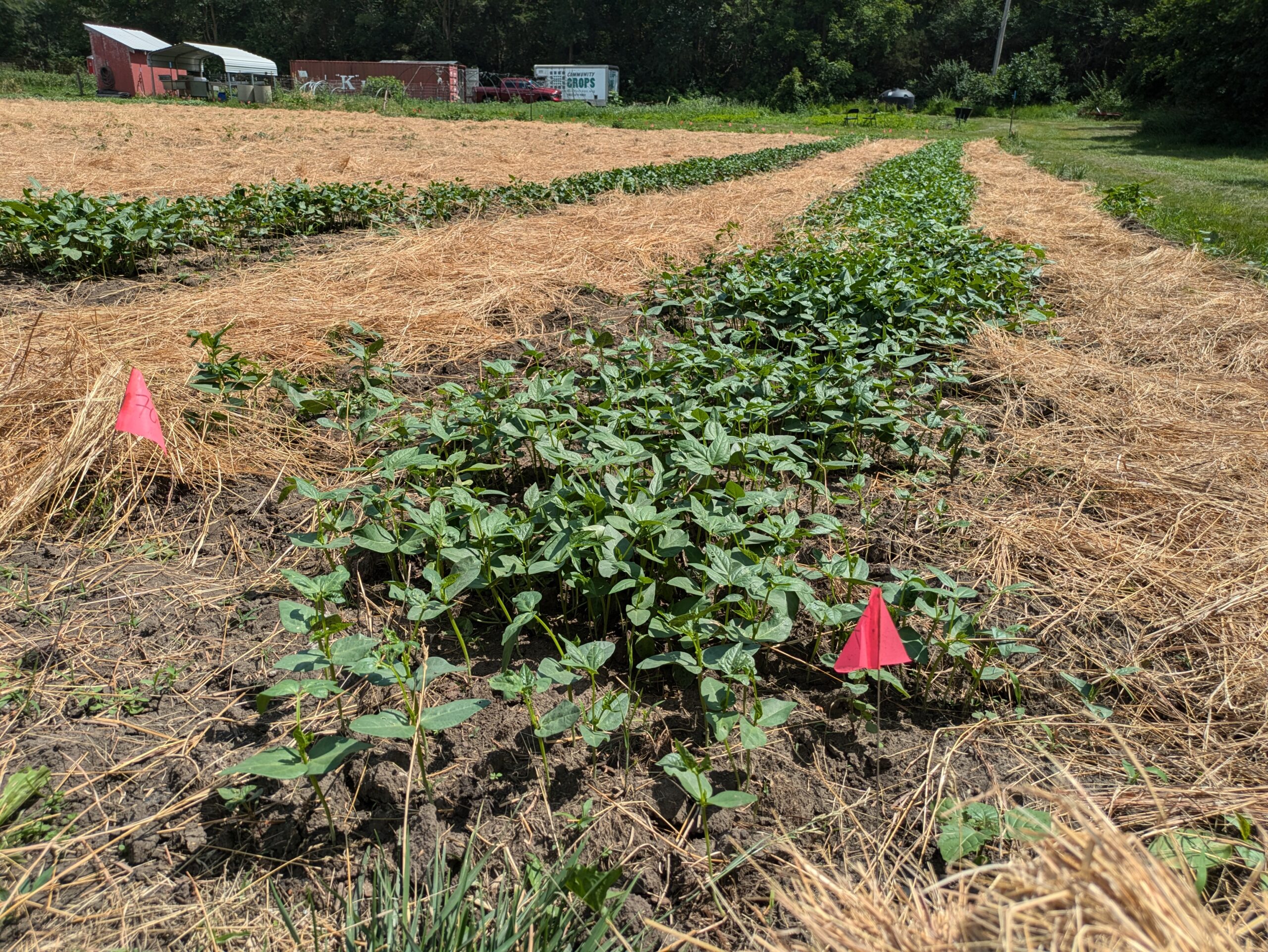
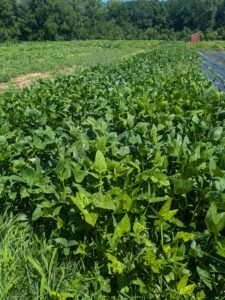
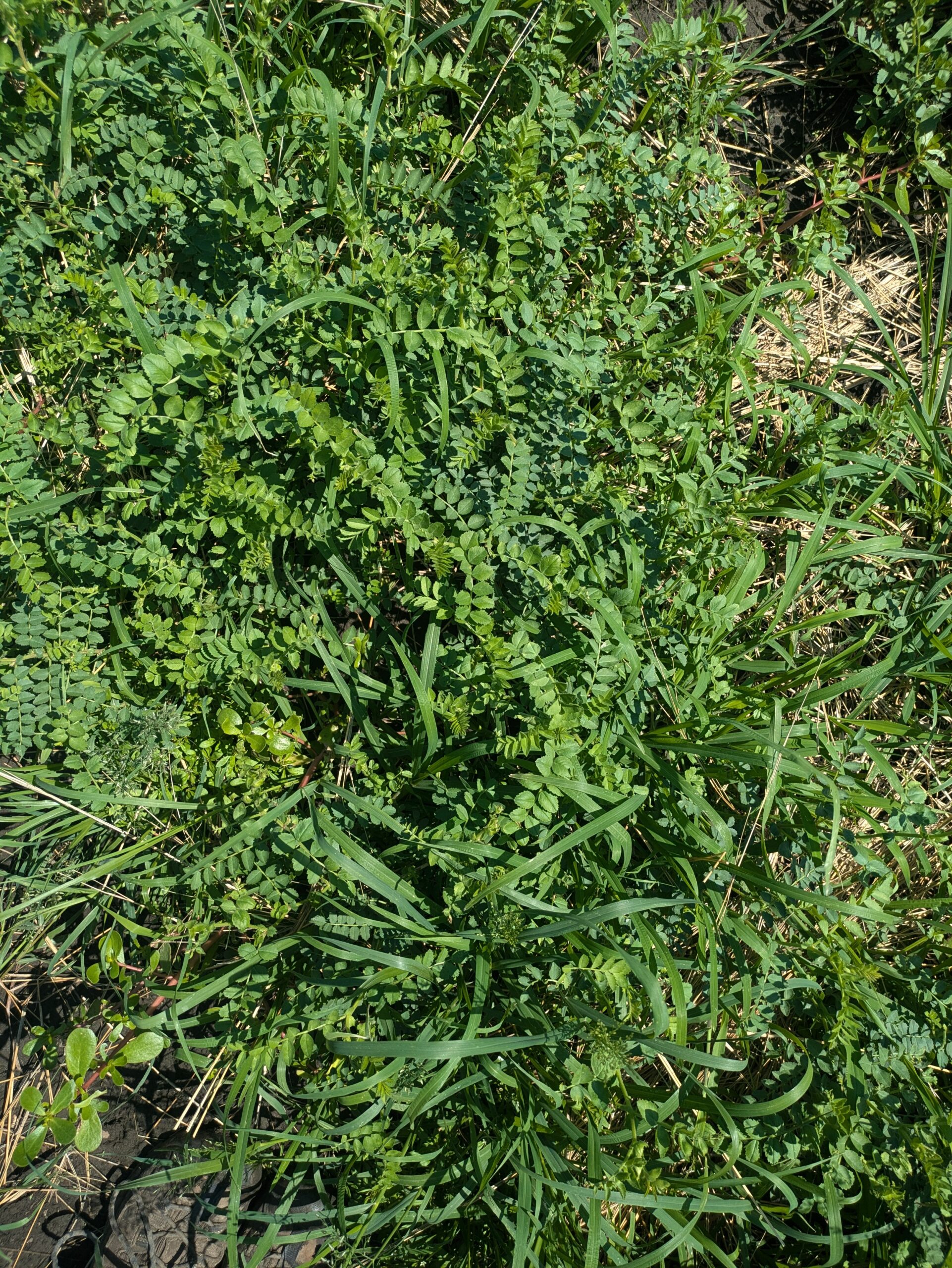
In the first year of the project, we noted both the sunflower and cowpea plantings as being effective weed suppressors, observationally speaking. No data was able to be collected concerning the cash crops during the first year, as described in the materials and methods section of this report. Other legume crops germinated well, but were quickly overtaken by weeds due to high levels of weed pressure at the site.
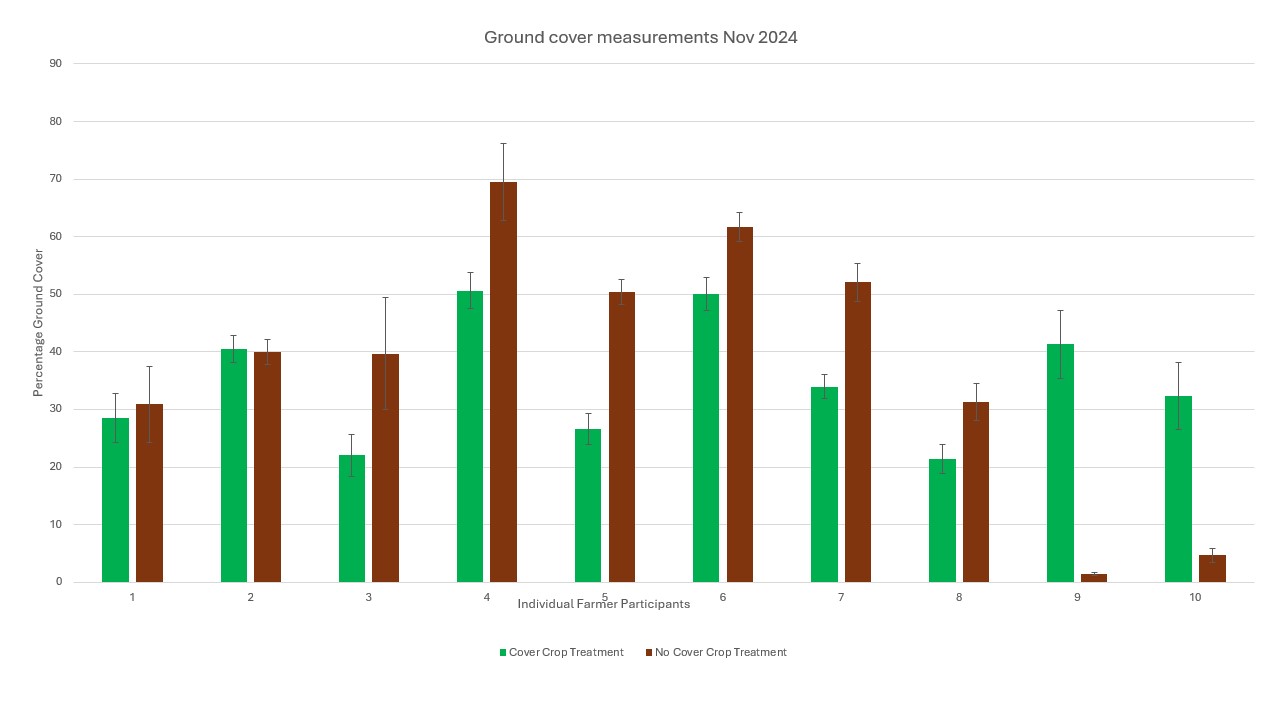
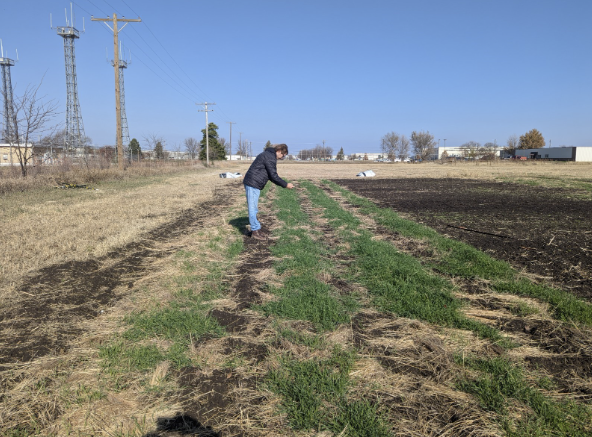
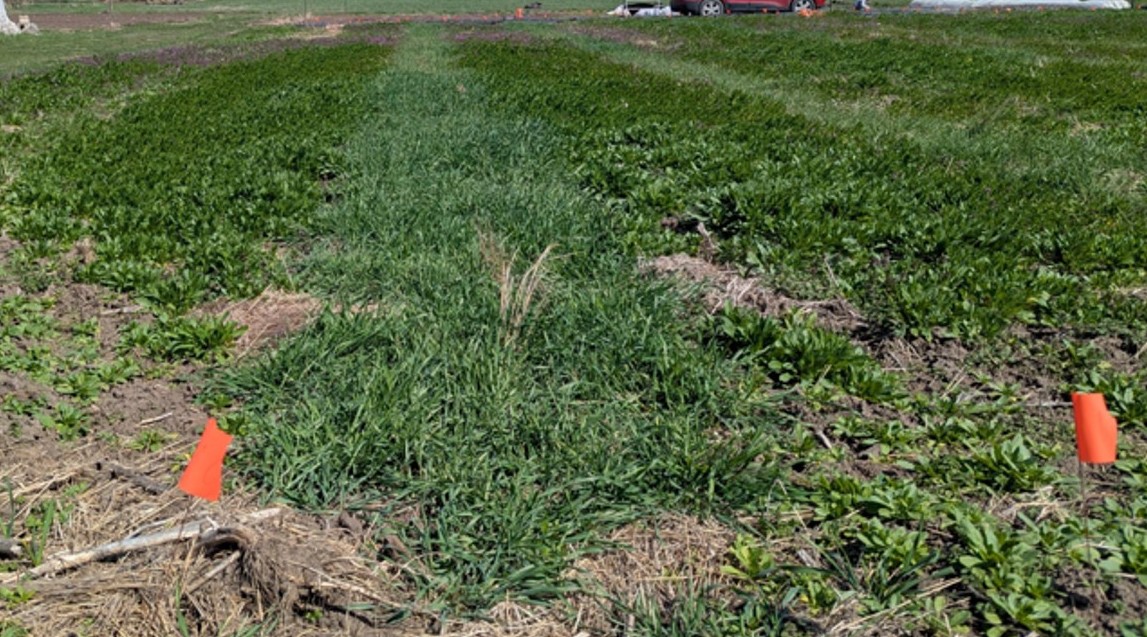
In November 2024, measurements of ground cover were taken using Canopeo, an application that measures green pixels from vegetation. Three random samples were taken from each of the four replicates in the cover and no cover crop treatments for the field areas of the ten farmer participants in our experiment. Farmers 1-8 have their experiments at the Prairie Pines location while Farmers 9-10 had their experiments at the Airpark location. We found that there was significant weed pressure in several of the field areas of the farm at the Prairie Pines location, which led to the measurements indicating equal or greater ground cover percentages in cover and no cover crop treatments. At the Airpark location where a tarp was used ahead of cover crop establishment, the cover crop treatments were found to have significantly higher ground cover than the no cover crop control. This suggests that the use of a tarp ahead of cover crop planting could be an effective approach not only to ensure cover crop establishment but also to control weed establishment.
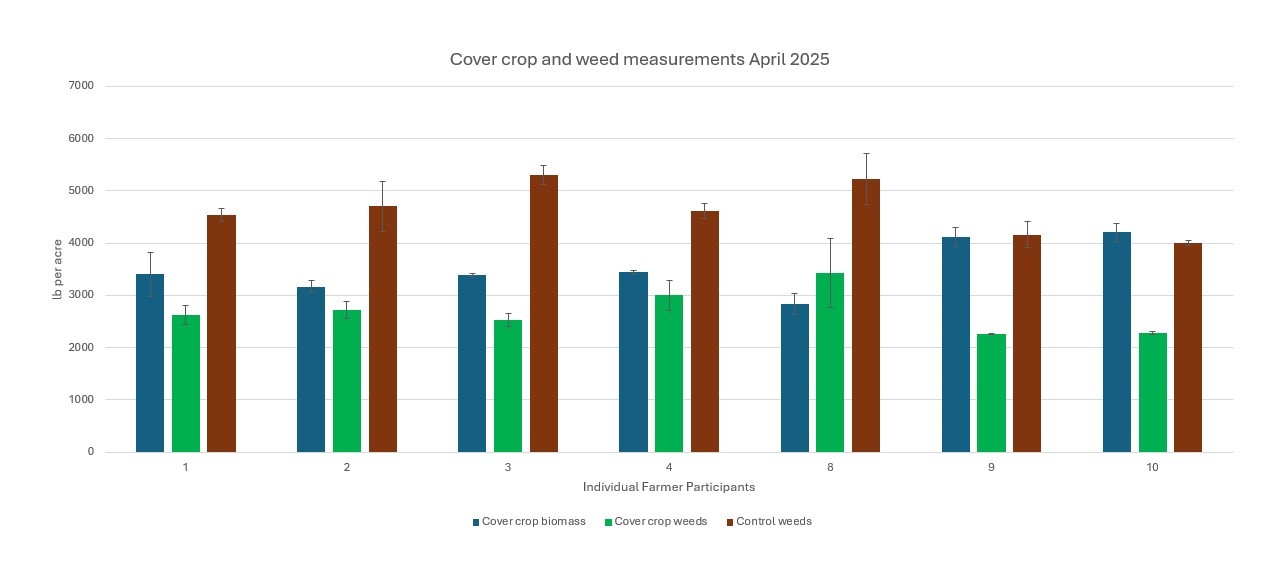
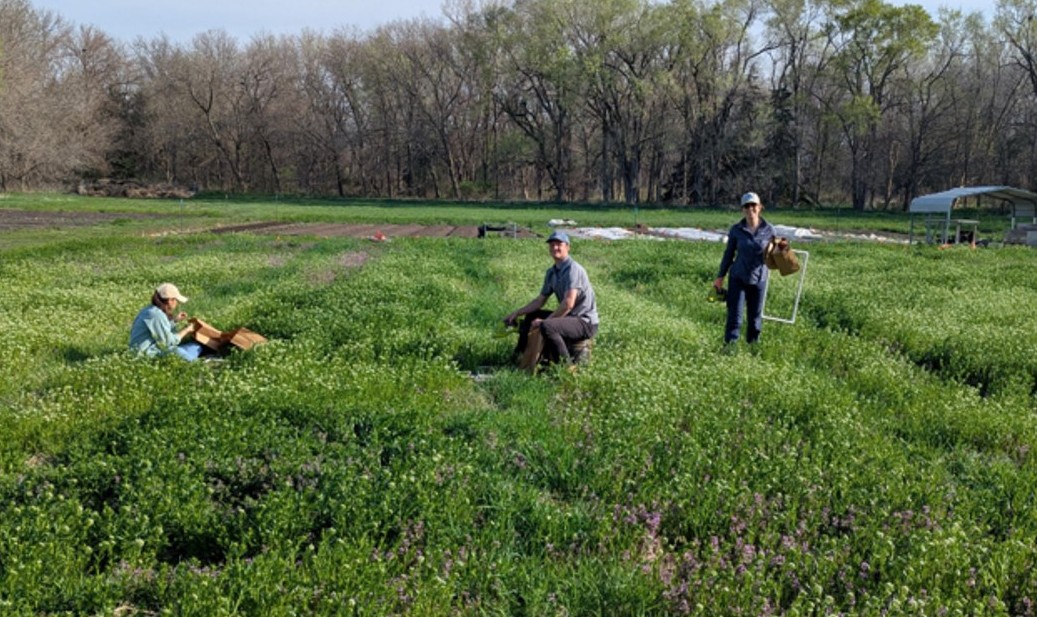
In April 2025, we found that the cover cropped areas had significantly less weeds than the control areas at all seven plots where measurements were taken. At the Airpark location, where a tarp was used ahead of cover crop planting, the two farmer fields had the largest amount of cover crop biomass (>4000 kg/ha), suggesting the tarp was effective in promoting establishment and suppressing weeds. The November 2024 ground cover measurements also showed that there were less weeds in the control areas where the tarp was utilized, indicating the cover crop had adequate time in fall to outgrow weeds. Cover crop biomass was greater than weed biomass at five of the seven farmer plots where samples were collected, confirming observations of heavy weed pressure in some of the plots. Common weeds at the Prairie Pines location included winter annuals of mares tail and pennycress. Cover crops are typically expected to suppress winter annual weeds should they establish well and can outcompete weed species for resources such as light and water. Plots 5-7 were not able to be included in this set of data due to mistakenly being terminated by the participating farmers prior to the research teams data collection.
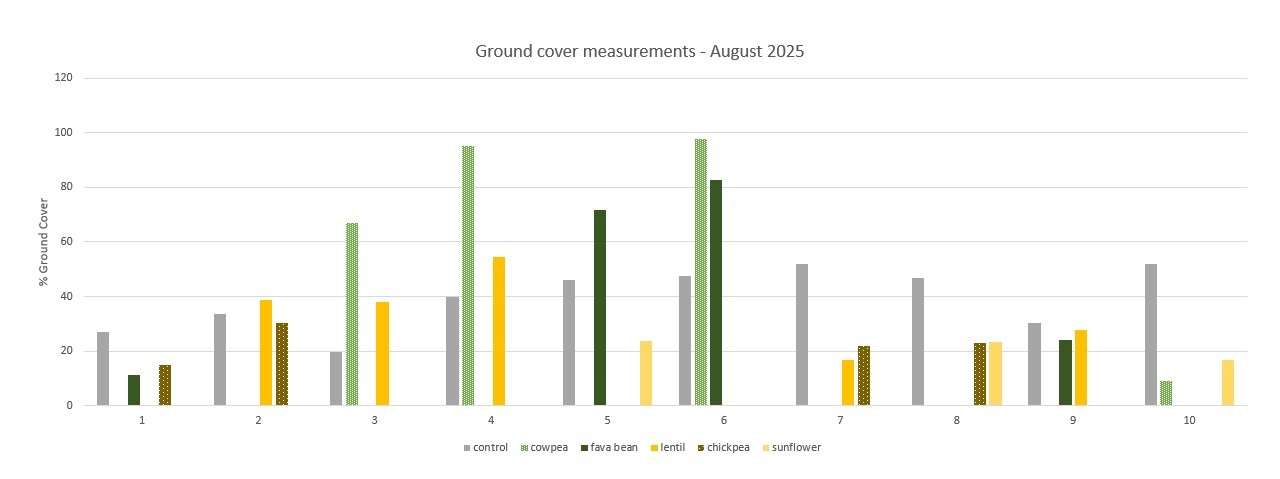
The August 2025 ground cover measurements included five different main crops. Each farmer was assigned two main crops to compare. Across the surviving cash crop areas areas, which excluded 8 of the originally planted test plots, but included 10 total lentil plots, 8 cowpea plots, 8 fava bean plots, and 6 chickpea plots, there was a lot of inconsistency in the ground cover measurements. This is indicated by a percentage out of 100. Generally, we found that cowpea and fava bean produced the most ground cover, having greater percentages of ground cover than the control areas. The average percentages of ground cover from highest to lowest were cowpea (67%), fava bean (47%), control (39%), lentil (35%), chickpea (22%), and sunflower (21%).
Results from the final spring data collection in 2026 are still pending analysis by the research team. Due to seasonal limitations pertaining to regrowth of the cover crops, the final round of data was not able to be collected until close to the end of the project. This did not allow for sufficient time to analyze data and the research team is working independently of this project to conclude that. We will be able to provide this information as soon as the research team concludes their summary of the results.
Educational & Outreach Activities
Participation summary:
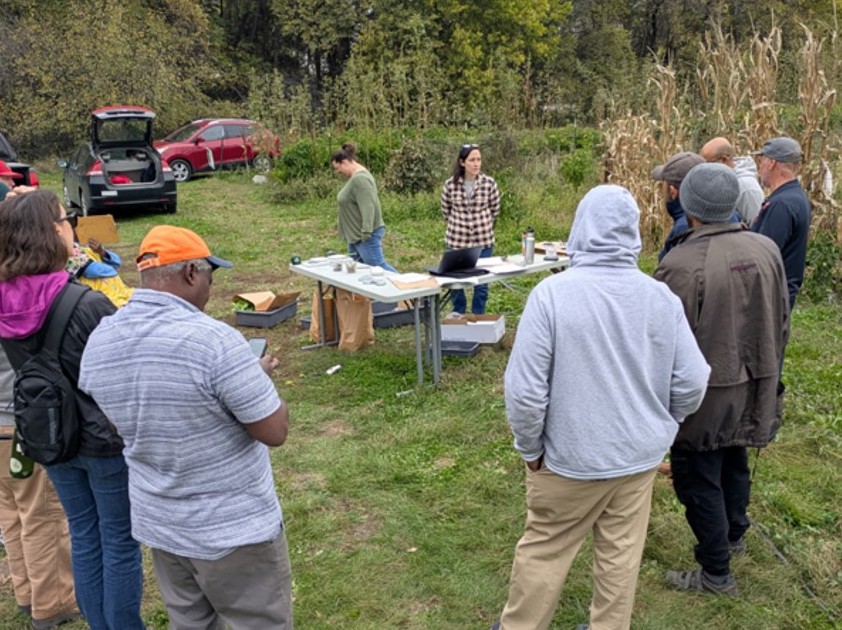
We hosted 8 educational events for this series. Events were attended by collaborating farmers and also open to the general public. All events were taught or led by Dr. Andrea Basche unless otherwise noted.
- Explore Cover Cropping Field Day, spring 2024: a tour of cover crop plantings at Airpark farm. Dr. Basche discussed her cover crop research, and a basic introduction to cover cropping was provided.
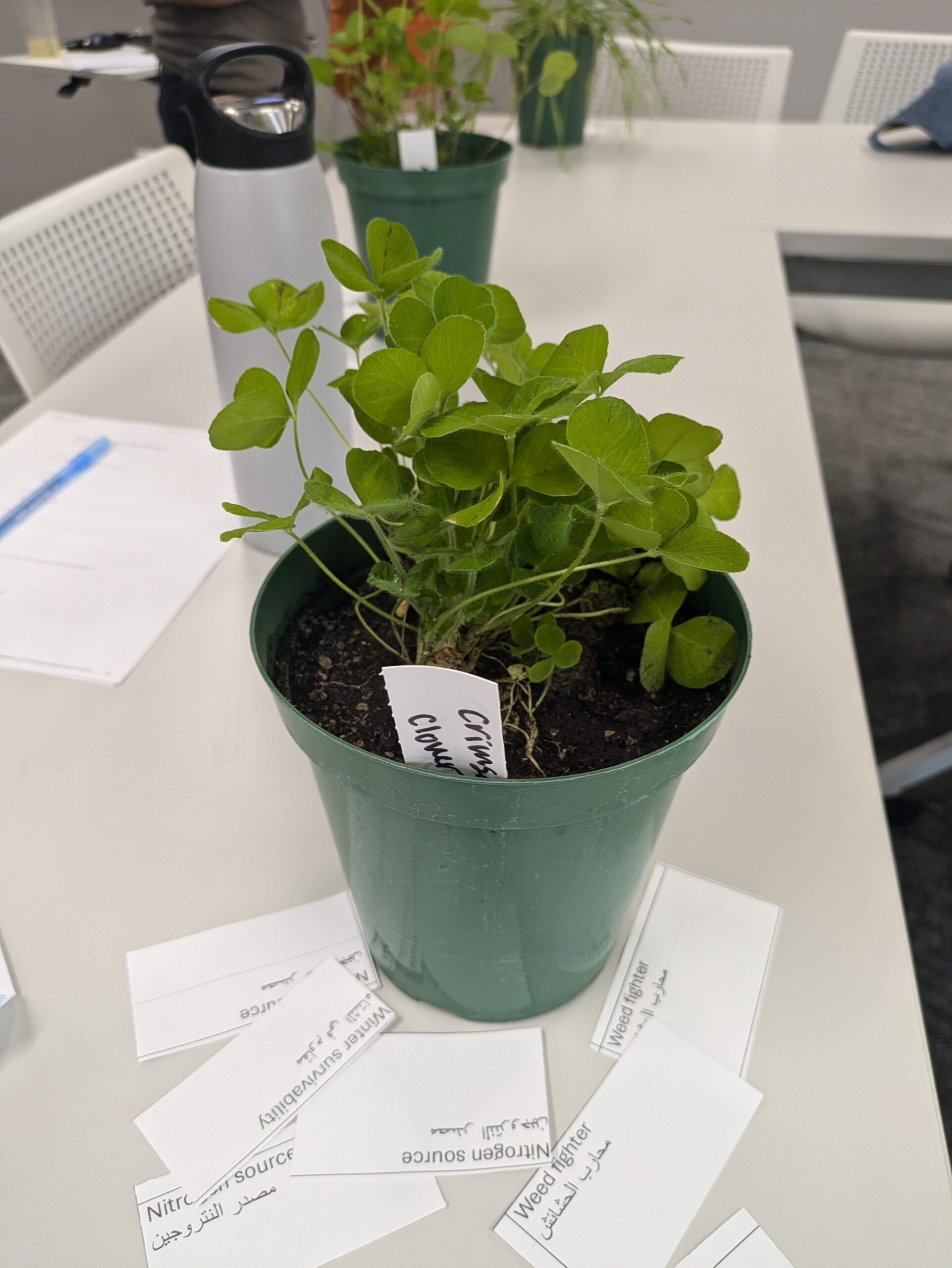
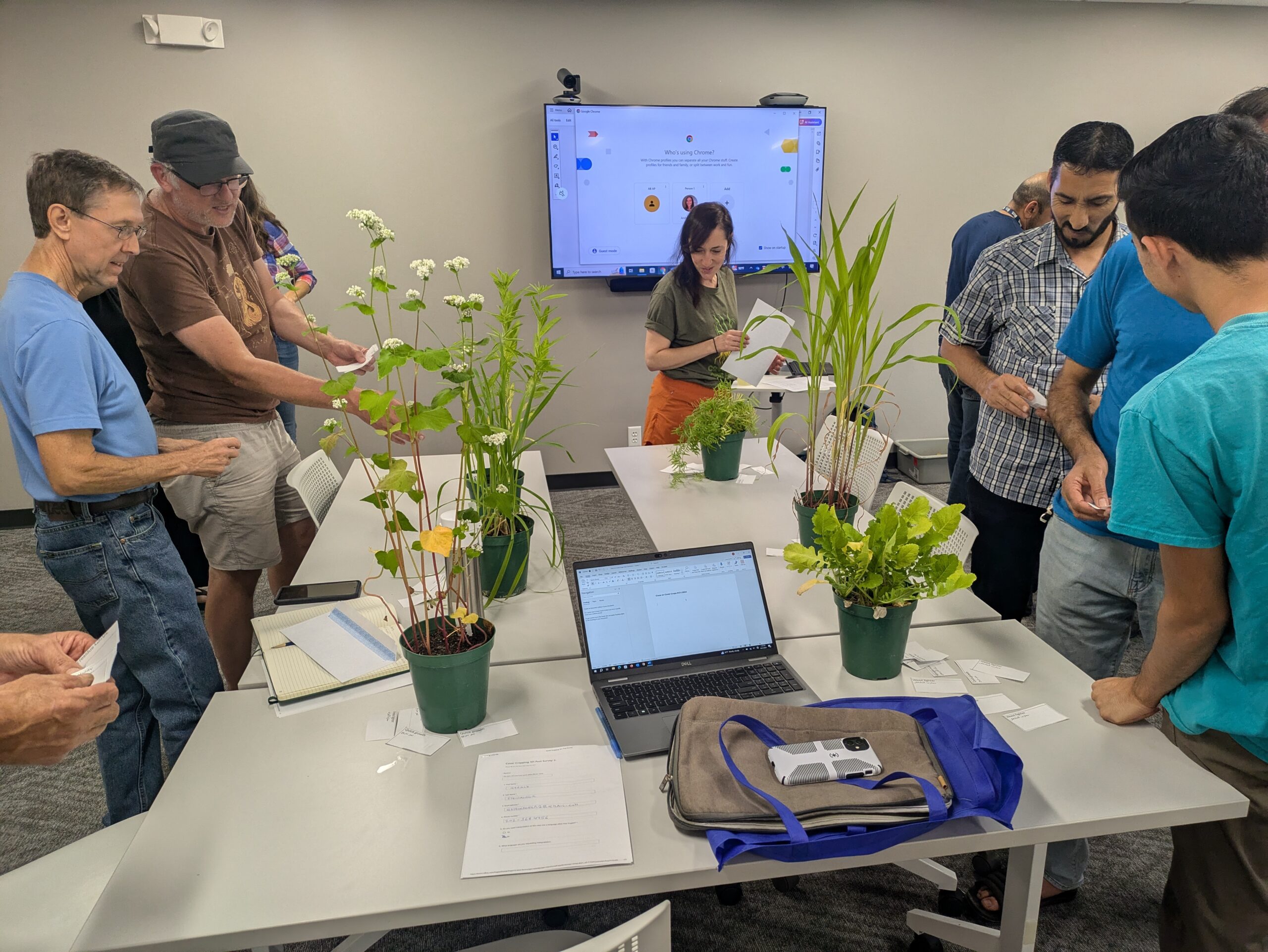
- Cover Cropping 101, Summer 2024: an in classroom, activity based session covering common cover crops and what benefits they provide. Students participated in a matching activity, matching benefits to different crops with live plants started in pots to facilitate learning both species and function. Seed sourcing and seeding rate calculating tools were also discussed.
- Soil Health, Fall 2024: a session focused on soil health principles, basic soil science, and assessing soil health. This class was led by NRCS technicians and attending farmers were able to interact with soils and see live soil health infiltration and cover cropping demos.
- Designing Cover Crop Mixes Part 1, Fall 2024: an in classroom, lecture based session covering how to select species for cover crop mixes. Adjusting seeding rates in a mix was also covered. Students participated in the first part of our ‘Cover crop challenge’ where they built a mix to achieve specific goals.
- Designing Cover Crop Mixes Part 2, Spring 2025: Mixes designed by students in part 1 were planted in pots ahead of class. During class, students evaluated the performance of their mixes including cost, biomass accumulation, root growth, and estimations of nitrogen fixation through a self guided activity completed in class. A discussion regarding observations and conclusions was facilitated by instructor at the end of class.
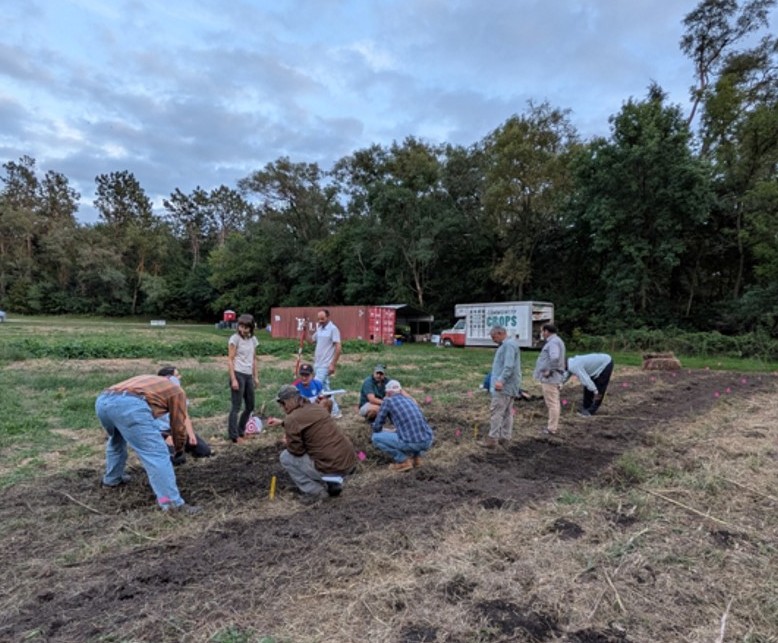
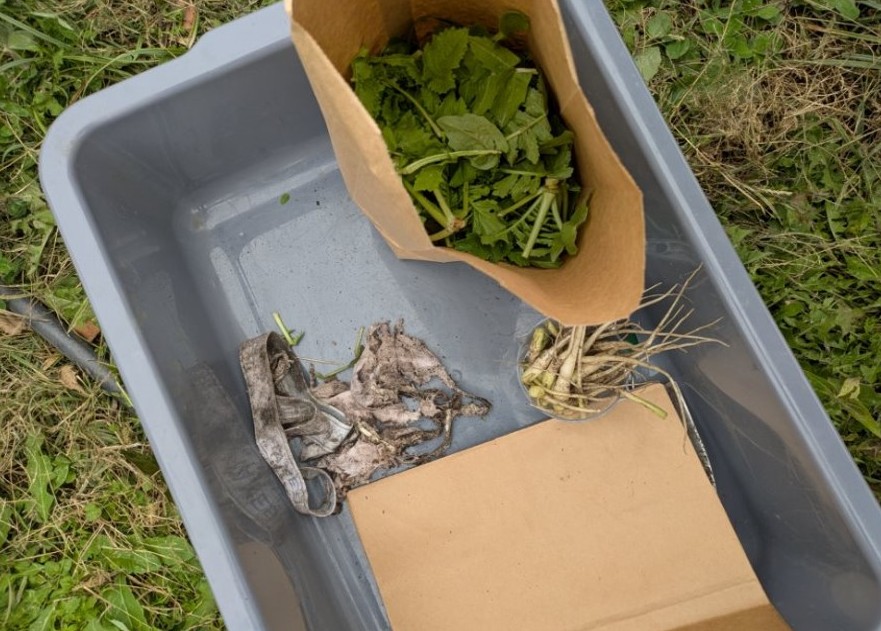
- Designing Cover Crop Mixes Part 1, Fall 2025: A repeat of the first cover crop mixes class with expanded learning opportunities that incorporated a introduction to different species and covered considerations to take when designing mixes. Students worked in groups to create their own mixes and planted them the day of class in the field. Students also buried cotton underwear in their test plot to measure microbiome activity and nutrient cycling by evaluating how much had broken down in the time between parts 1 & 2 of this class.
- Designing Cover Crop Mixes Part 2, Fall 2025: Mixes planted in part one were evaluated by student groups. A self guided in class activity provided step by step instructions for groups to measure ground cover, biomass accumulation, insect diversity, floral resources, root growth, nitrogen fixation, and nutrient cycling. Cost per acre of each mix was also evaluated. A discussion regarding observations and conclusions was facilitated by instructor at the end of class.
- Project wrap up meeting and group discussion, Spring 2026: Findings from the research were presented to farmers participating in the project. Farmers, staff, and researchers discussed what was learned from the experiment, including conversations related to farmer attitudes regarding cover crops and any intention to adopt or change practices as a result of participation.
The classes that were hosted as part of this project incorporated pre and post surveys to track and measure farmer knowledge and understanding of core concepts. Overall, as a result of these classes, we saw students report an increase in confidence and understanding of topics based on comparison of pre and post survey data. In addition to the classes, farmers were involved in planting and caring for their assigned plots as a part of the experiment and this allowed us to provide hands on, in field, education to improve understanding and skills related to establishing and managing cover crops.
The curricula, fact sheets, and tools specifically developed for this project are available to other educators by request, and included the following items:
- Common Cover Crop Benefits and Seeding Rates Guide (2 versions, one per acre and one per square foot)
- Cover Cropping 101 Handout
- Cover Crop Challenge Worksheet (developed by Dr. Basche for agricultural science students and modified for farmers as a part of this project)
- Project Findings Summary (provided to farmers participating in project, available in Arabic and English)
- Project Findings Slideshow (provided to farmers participating in project, available in Arabic and English)
Learning Outcomes
Cover Cropping
Cover Crop Selection
Cover Crop Seeding Rates
Soil Health
Soil Health Principles
Evaluating Soils
Designing Multi-Species Cover Crop Mixes
Diversity in Multi-Species Cover Crop Mixes
Project Outcomes
We learned several practical and useful things from the research components of this project. First, our cover cropped plots contained less weeds than the control plots during sampling, supporting that cover cropping can be an effective strategy to manage weed pressure in the field. We saw limited differences in biomass and weeds when comparing cereal rye to hairy vetch when we looked at our cover crops. With the limited data we were able to collect from our summer cash crops, we saw cowpea as being the most effective in providing valuable ground cover to suppress weeds during the summer season.
Of biggest interest to the participating farmers was that the silage tarp we utilized at Airpark in year 1 was an effective tool in creating a lower weed environment to establish cover crops and contribute to weed suppression the following spring. This interest was a big point of discussion during our end of project wrap up meeting. Participating farmers have gained knowledge in the use and application of tarps as a weed management and preparatory tool. Additionally, this project allowed us to be able to purchase a few silage tarps, and farmers in our program now have access to these tools and are able to use them on their farms throughout the season.
As a result of both the educational and research components of this project, farmers expanded knowledge and participated in adoption of cover cropping practices. This will benefit farmers in the long term, providing experience and adding tools to their toolbox to better steward land and protect natural resources. This is additionally beneficial economically, as it reduces their reliance on expensive inputs. Further, farmers were able to build their networks during the project, reducing feelings of isolation and improving their skills. They have gained a connection to a land-grant university researcher who can be a resource as they continue to improve their farming practices. We've also been able to value the unique expertise and perspective our farmers have to offer as they are familiar with these cultural crops and can be a resource to others looking to expand their planting repertoire to improving the sustainability of their farm businesses. Outside of our group of farmers, this project provided our staff an excellent opportunity to work alongside Dr. Basche, a very skilled and experienced educator, observing teaching strategies and participating in learning activities. This experience and collaboration allowed staff to learn and helped provide insight on how to improve their own skills as educators.
Beyond the scope of this project, participating farmers have already incorporated planting cultural cash crops, particularly fava bean and cowpea, on their farms. In our wrap up discussion and post class surveys, many indicated intent to adopt cover cropping practices as well. While we have not secured any additional grants that built specifically on this project, we have been able to connect the education efforts of this project to an active NRCS Cooperative Agreement we were awarded, which is focused on educating about, demonstrating, and implementing agricultural conservation practices. One example of this is that we hosted a 'Two-Wheel Tractor Skill Session' in fall of 2025. This session built upon the foundational knowledge and skills developed during this project in a training that covered the use the two wheel tractor and various implements, including the flail mower, to terminate cover crops and provided an overview of strategies for planting into or incorporating residue as green manure for soil improvement. Attending farmers were able to have ample time using the equipment to practice demonstrated skills during this training. We hope to be able to expand upon this project as we seek future funding, as continued education related to cover cropping and responsible land management remains a priority for our program.