Final report for OS24-174
Project Information
This project evaluated the potential of biochar-integrated composting systems to support sustainable organic waste management, nutrient retention, and soil health improvement through small-scale tumbler composting trials, pot experiments, and a corn field application trial. Three sequential biochar co-composting trials were conducted using food waste and wood chips amended with different biochar types, particle sizes, and application rates. During the thermophilic phase, biochar-amended treatments maintained temperatures approximately 3–7°F higher than the control.
Temporal compost analyses indicated that biochar amendment influenced nitrogen dynamics during composting. In the control treatment, total nitrogen and nitrate concentrations decreased over time, accompanied by an increase in the C ratio. In contrast, biochar-amended treatments showed increases in total nitrogen, nitrate concentrations, and NO₃⁻-N/NH₄⁺-N ratios, suggesting enhanced nitrification and altered nitrogen transformation. Although nitrogen concentrations in the biochar-amended treatments remained lower than in the control, this pattern may partially reflect dilution effects associated with the addition of biochar.
In the greenhouse spinach pot experiment, all compost-containing treatments significantly increased plant biomass compared to the propagation mix-only control. Although biochar-amended compost treatments showed lower initial inorganic nitrogen concentrations than the compost-only treatment, plant growth remained comparable, suggesting that biochar may influence plant performance through mechanisms beyond immediate inorganic nutrient availability.
For the corn field application trial, co-composted materials were produced at a partner farm using both commercially produced biochar and low-tech, farm-produced hardwood biochar. The farm-produced biochar generally showed stronger positive effects on composting performance and nitrogen dynamics than the commercial biochar product.
A biochar corn field trial was established using compost and biochar-amended compost treatments under a randomized complete block design (RCBD). Although statistically significant differences in first-year marketable yield were not observed, amended treatments showed significantly greater root nitrogen concentrations than the untreated control (p = 0.0048), suggesting early belowground nutrient responses that may become more apparent under long-term field application.
Future work will include additional tumbler composting trials, extended temporal analyses of biochar-amended compost, and multi-year field studies to support development of a practical biochar application manual based on long-term field results.
Community biochar workshops and the High Country Kiln Loan Program, conducted in collaboration with the local Agricultural Extension Office, have also helped foster regional interest in biochar and its practical applications.
The Nexus Project is a collaborative research and outreach effort addressing regional agricultural challenges and aims to enhance the resilience of local farms by evaluating sustainable technology solutions. We propose two activities to achieve our goals with support from the S-SARE On-Farm Research Grant program.
(1) Efficient Greenhouse Heating: evaluation of the upgraded RZH
We propose separating the heat storage from the backup heat source by installing an on-demand water heater. This method will ensure that our system meets the needs of each cooperative farm, such as renewable energy collection efficiency and consistent soil temperature. By doing so, the heat storage temperature decreases after using the heat to warm the soil overnight. It allows cooler fluid to enter the solar collector, increasing efficiency. In the Nexus system, when the temperature of the RZH fluid is around 100 °F, the soil is maintained at an appropriate temperature, about 75 °F for germination soil. The proposed system design increases overall efficiency by maintaining the appropriate temperature of the soil with a small amount of energy because the on-demand water heater heats the fluid only when the temperature of the fluid leaving the heat storage is lower than the set temperature.
With the support of the NC BRI grant, an on-demand water heater was added to the existing RZH of Springhouse Farm in December 2022. Unlike storage tank water heaters that produce and store large amounts of hot water, on-demand water heaters increase energy efficiency by producing only as much hot water as needed when it is needed. During the trial operation conducted for about a month in the spring of 2023, the new system maintained stable growing conditions.
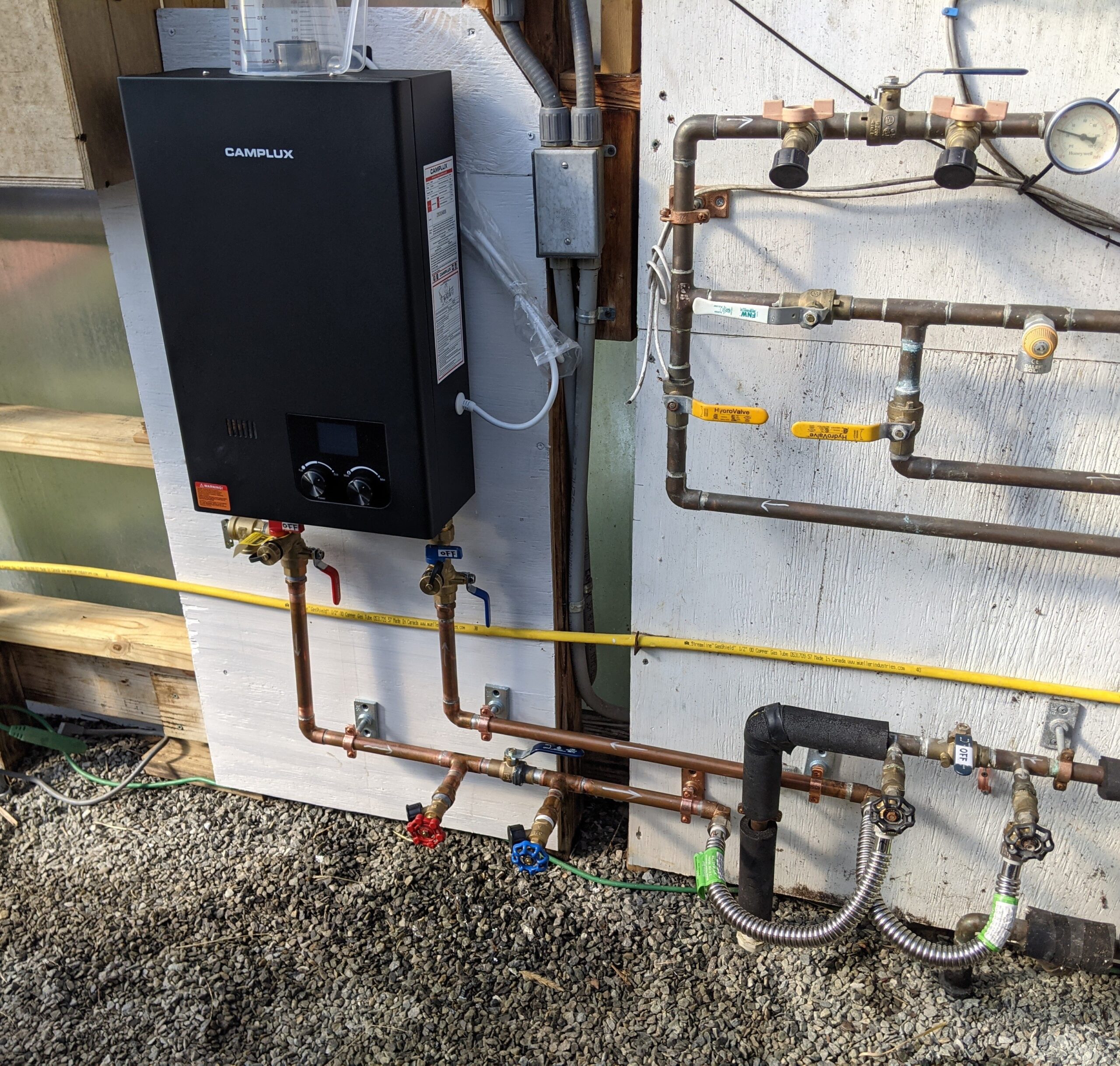
Through this grant cycle of S-SARE On-Farm research, we propose a study to collect and analyze data to evaluate the energy efficiency and growing conditions of the upgraded RZH system. We will collect data for the on-demand water heater RZH without solar energy collection in the first year and with solar energy collection in the second year. By comparing the two data sets, we will be able to know the improved solar energy collection by separating the heat storage and the backup heat source. Additionally, by evaluating RZH which operates solely with an on-demand water heater, it will be possible to propose a design that reduces the initial cost burden on local farms.
(2) Biochar soil application experiments and field trials
Biochar application to soil has been proven as a viable means of increasing soil fertility[13]. Significant porosity and high surface area of biochar provide different habitat properties appropriate for various soil microbes and enhance moisture and nutrient retention resulting in microbial population growth [14]. Inoculated biochar with organic fertilizers such as compost and digestate from anaerobic digestion is an effective method for biochar application to soil.
Over the past few years, the Nexus Project has been actively conducting research on biochar produced from local hardwood with support from NC BRI grant programs. CO2 flux data using a soil gas flux analyzer confirmed an increase in microbial activity in soil mixed with inoculated biochar compared to samples without biochar. A plant growth study performed on a 125 ft. by 4 ft. strip of degraded soil, once used to grow tobacco, at one of our cooperative farms, Against the Grain Farm exhibited the differences in immediate effect by the various inoculated and not-inoculated biochar applications. In terms of dry root and shoot masses and lengths and root-to-shoot ratios, the soil applied with 2mm biochar inoculated with compost tea showed a two-fold improvement compared to the soil without application. We also looked at different ways to produce biochar with hardwood available in the region, grind, and effectively inoculate biochar at a relatively low cost.
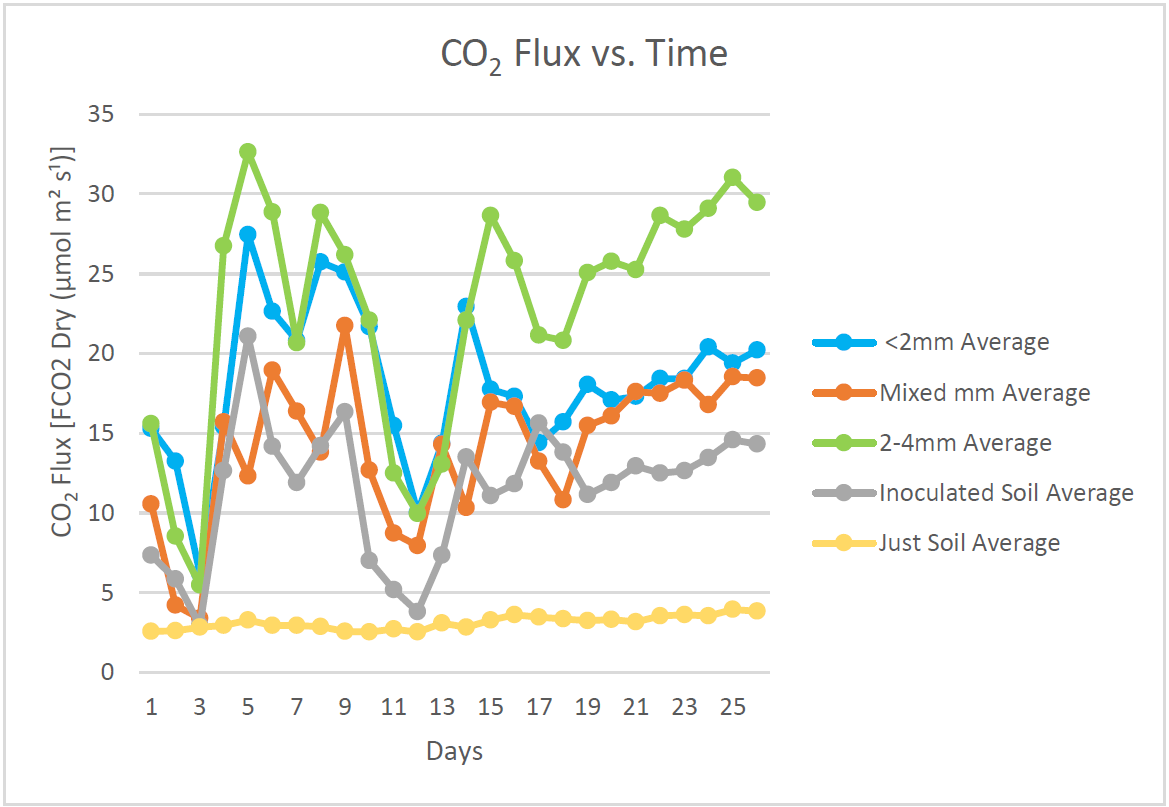
We propose to conduct small-scale experiments and field trials using biochar produced from local oak trees and hybrid poplar, and commercially available biochar. Using the soil from Springhouse Farm, we will conduct experiments in our greenhouse laboratory and field application research and evaluate its effects on crop and soil health. We will produce, crush, and inoculate biochar in the most efficient and reliable ways revealed through our previous studies. Eventually, we aim to provide a comprehensive guideline for soil management practices utilizing biochar. This resource is essential to achieve positive and consistent effects on our cooperative farms and for further dissemination to farms in the Southern Appalachian region.
With support from S-SARE’s On-Farm Research grant, we will be able to continue demonstrating the performance of the heating system and develop a practical guide to biochar application, thus enhancing this closed-loop system. We envision that this research provides more appropriate technologies and farming practices that farmers in Southern Appalachia can adopt for sustainable farming.
Cooperators
- (Researcher)
- - Producer
- (Researcher)
Research
1. Biochar co-composting experiments (tumbler composting trials)
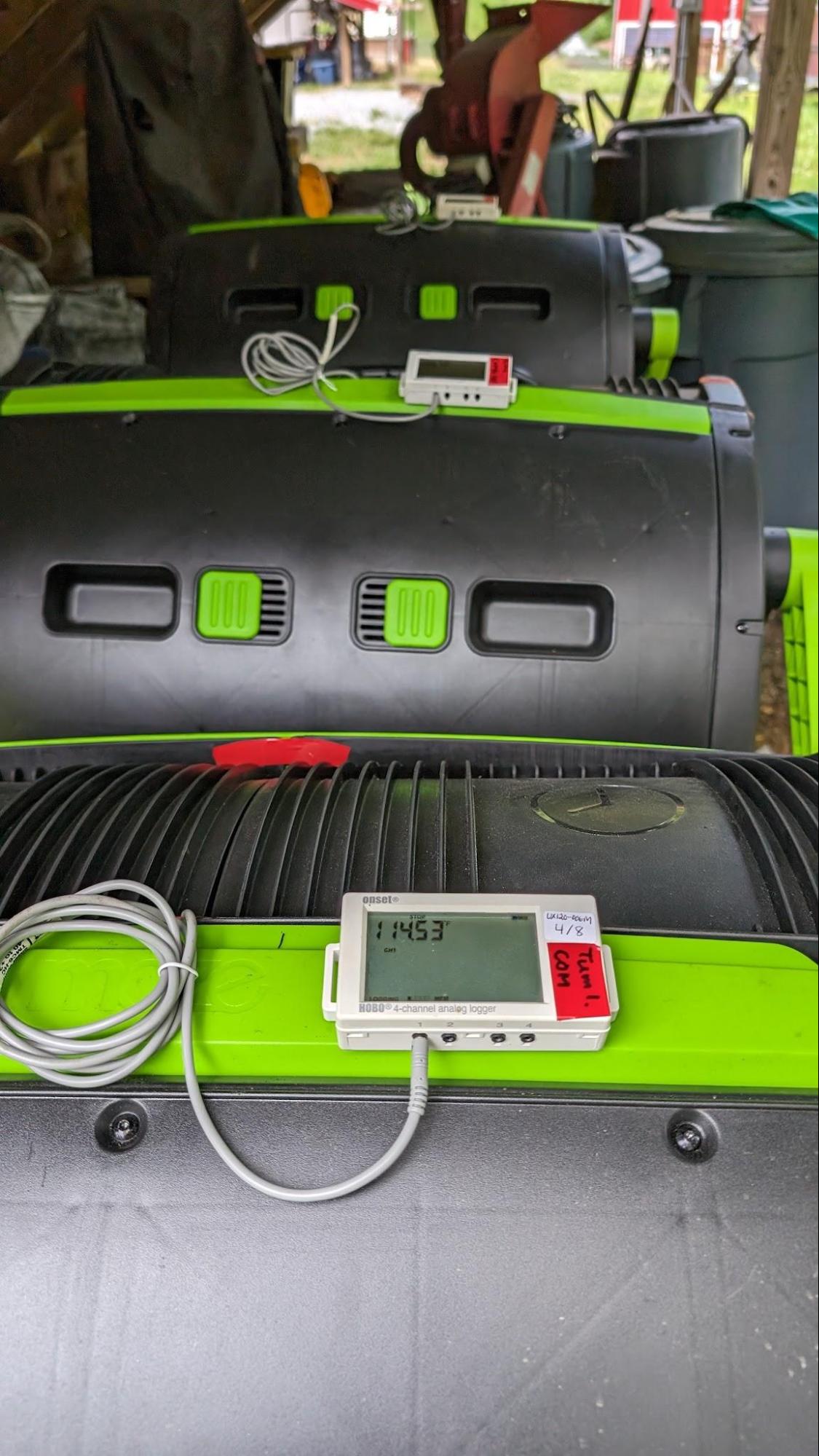
Biochar co-composting experiments were conducted in three sequential trials using 60-gallon compost tumblers. Each experiment included one control (no biochar) and two biochar-amended treatments, allowing evaluation of biochar type, particle size, and application rate.
Compost feedstock consisted of a fresh mixture of food waste and wood chips (50:50, wet mass basis) obtained from the composting facility at Appalachian State University. Each tumbler was loaded with approximately 180 lb of feedstock.
In the first biochar co-composting experiment, hybrid poplar-derived biochar (softwood), sieved to <2 mm particle size, was incorporated at 5% and 10% (wet mass basis).
In the second experiment, mixed hardwood biochar (<2 mm) was applied at the same rates (5% and 10%, wet mass basis).
In the third experiment, mixed hardwood biochar with a larger particle size fraction (2–4 mm) was incorporated at lower rates of 2% and 4% (wet mass basis).
All treatments were composted under identical conditions within the tumblers. During the active composting phase, tumblers were rotated two to three times weekly to ensure adequate aeration and mixing. Moisture content was adjusted as needed for each tumbler, reflecting differences in initial feedstock moisture. Moisture status was evaluated qualitatively using a hand-squeeze test, in which compost was compressed manually to assess moisture retention and consistency. Temperature was continuously monitored in all experiments to track the active composting phase. Upon completion of the active composting phase, resulting biochar-amended composts and control compost were collected and submitted to the NCDA&CS Agronomic Services Laboratory for analysis.
To assess nutrient dynamics during compost maturation, biochar-amended compost samples from the second and third experiments were collected at defined curing intervals. In the second experiment, samples were collected during month 5 and month 8. In the third experiment, samples were collected during month 4 and month 6. These time points were selected to evaluate temporal changes in nutrient composition during the curing phase.
2. Pot experiments
2.1. Greenhouse pot experiment: Softwood (hybrid poplar) Biochar-Amended Compost
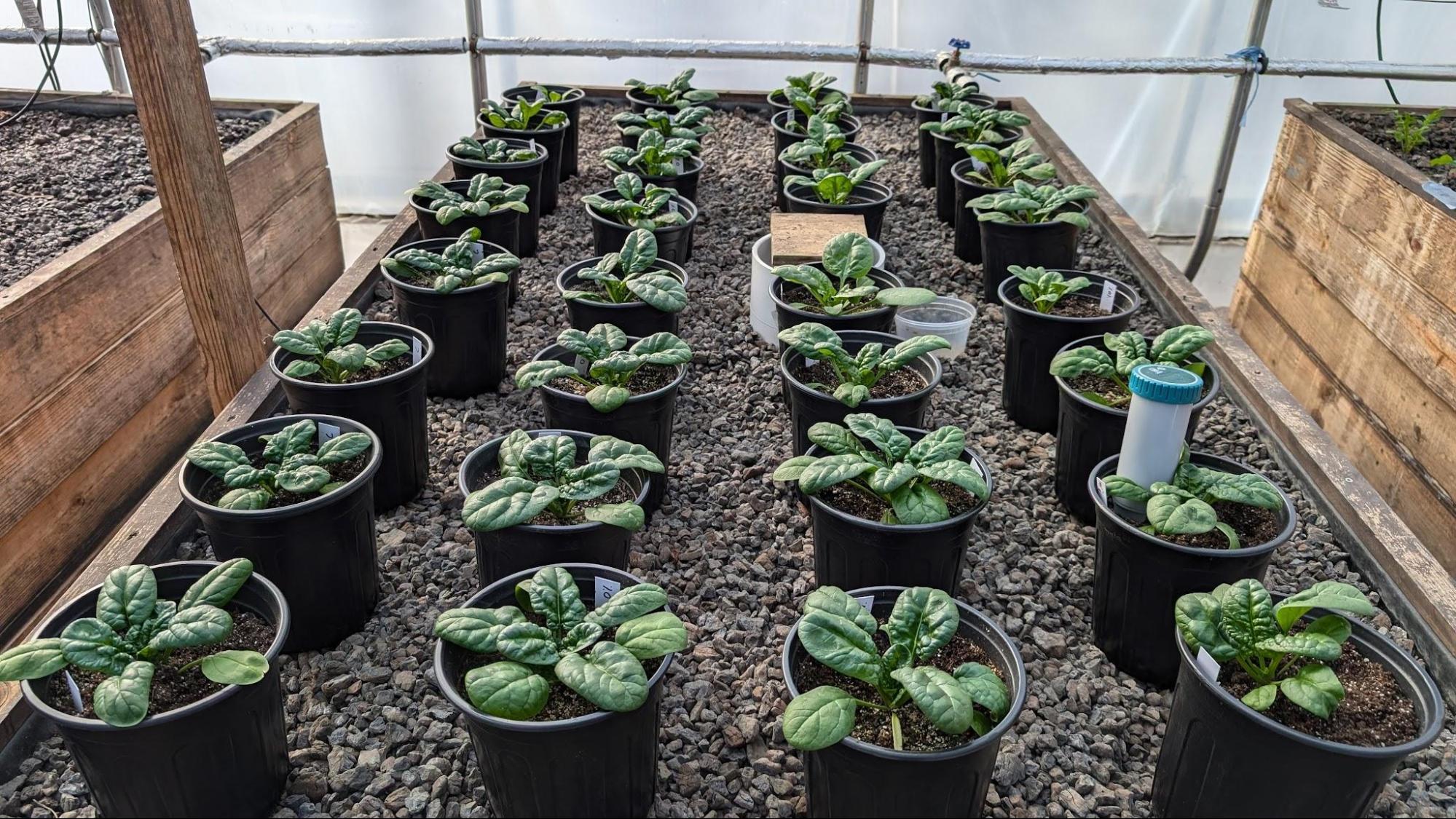
A greenhouse pot experiment was conducted to evaluate the effects of softwood biochar-amended compost on plant growth. Four treatments were prepared using a commercial propagation (P) mix and compost amendments as follows: (1) control (100% propagation mix), (2) 90% propagation mix + 10% compost (T1), (3) 90% propagation mix + 10% biochar-amended compost (produced via biochar co-composting with 5% biochar, T2), and (4) 90% propagation mix + 10% biochar-amended compost (produced via biochar co-composting with 10% biochar, T3). Compost was incorporated at a relatively low rate (10%) to avoid excessive nutrient sufficiency conditions that could mask potential biochar effects on plant growth and nutrient dynamics.
Growing media for each treatment were prepared in 20-gallon buckets by thoroughly mixing components according to the specified ratios. Mixing was performed using a hand compost aerator, with approximately 20 mixing cycles applied at 5-minute intervals to ensure homogeneity. Prior to blending, the propagation mix was pre-moistened to achieve a sponge-like, saturated consistency.
Each treatment consisted of eight replicate pots. Bloomsdale spinach seedlings were initially germinated in propagation mix and subsequently transplanted into the prepared media. Plants were grown under greenhouse conditions for six weeks.
Media samples were collected prior to planting and after the growth period and submitted to the NCDA&CS Agronomic Services Laboratory for physicochemical analysis. At the end of the six-week growth period, fresh aboveground biomass was harvested and measured for each plant. Belowground biomass was not quantified due to extensive entanglement of roots with the growing media, which prevented reliable separation and recovery.
2.2. Indoor pot experiment: Softwood biochar (hybrid poplar) Addition to Finished Compost
A second pot experiment was conducted to evaluate the effect of direct biochar incorporation into finished compost. The second pot study was conducted under more controlled environmental conditions in an insulated indoor setting using artificial lighting and heating mats. In contrast to the first pot study, this experiment did not use biochar co-composted material. Instead, softwood biochar (<2 mm) was added to finished and screened compost sourced from the composting facility at Appalachian State University at rates of 0%, 2%, 4%, 6%, 8%, and 10% on a wet mass basis prior to blending with propagation (P) mix. Extracts were prepared from the resulting compost-biochar mixtures as well as the propagation mix, and were subsequently analyzed for germination index (GI), pH, and electrical conductivity (EC). Germination index (GI) was calculated relative to the distilled water control using germination percentage and mean root length of germinated seeds.
In the first pot study, total media volume was held constant across treatments while maintaining fixed mixing ratios, which resulted in unintended nutrient dilution effects. To address this limitation, the second experiment was designed to maintain a constant compost mass across all treatments, given that compost served as the primary nutrient source.
For each treatment, a fixed wet mass of compost was amended with biochar at the specified rates (0–10%, wet mass basis). The amount of propagation mix was then adjusted accordingly to ensure that the total wet mass of each treatment medium remained constant. This approach minimized nutrient dilution while isolating the effects of increasing biochar addition.
A total of seven treatments were prepared, consisting of one control (0% biochar) and six biochar-amended treatments. Due to the structural constraints of the propagation trays (maximum capacity of 48 pots), the experimental design included six replicate pots for the control and seven replicate pots for each treatment. Cherry Belle radish (Raphanus sativus L.) was directly seeded into the prepared media and grown under indoor growing conditions.
3. Biochar corn field trial
3.1. Biochar Co-Composting System
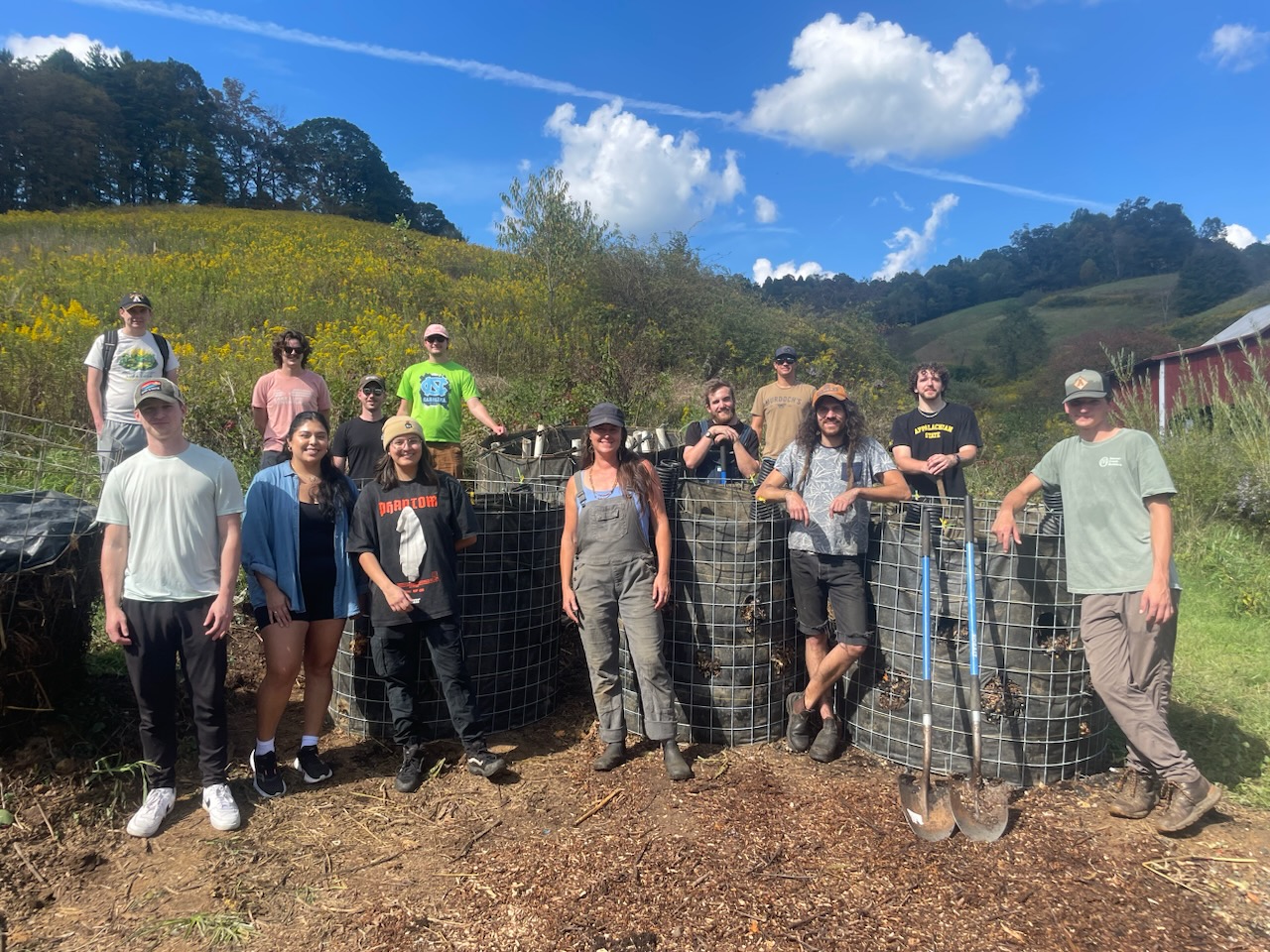
On September 20, 2024, three composting bins were constructed at the partner farm, Springhouse Farm (Vilas, NC), using weed barrier fabric and galvanized wire mesh. A base layer of dry corn stalks was placed at the bottom of each bin to enhance aeration.
Compost piles were built using a layered (“sandwich”) approach with different feedstock combinations. One bin contained food waste and wood chips (control), while the other two bins included food waste, wood chips, and biochar. Two types of biochar were applied: a commercial biochar product (BC1) and a low-tech, farm-produced biochar (BC2). Food waste was sourced from the central dining at Appalachian State University through its composting program.
Feedstock composition for each bin is presented in Table 1. All mixtures were prepared on a volumetric basis using 5 gallon buckets. Biochar was added at 9% by volume.
Table 1. Feedstock composition of the on-farm biochar co-composting bins.
|
Green source (food waste) |
Brown source (hardwood chip & hardwood bark) |
Biochar |
Total Volume (gallons) |
|
|
1. Compost only |
125 |
75 |
0 |
200 |
|
2. COMBI: BC1 |
125 |
75 |
20 |
220 |
|
3. COMBI: BC2 |
125 |
75 |
20 |
220 |
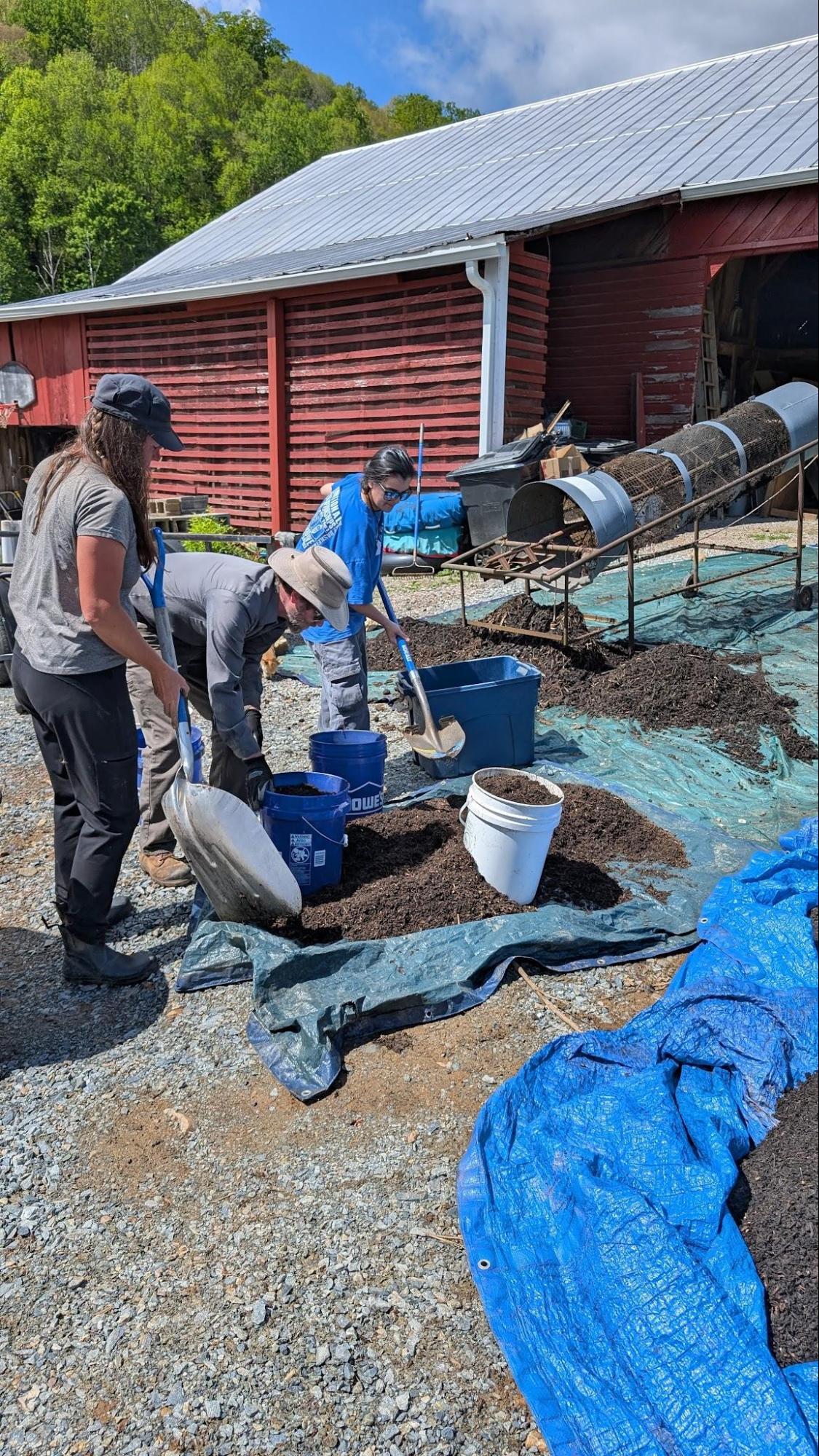
Compost piles were aerated once per week using hand compost aerators. However, one week after establishment (September 26–27, 2024), the site was significantly impacted by Hurricane Helene, resulting in flooding and restricted site access. Starting October 10, 2024, weekly aeration resumed, along with supplemental watering as needed. Manual temperature measurements using a long-probe thermometer indicated that all three piles maintained temperatures above 130°F through late October and above 110°F through late November. Aeration was continued until late November, after which no turning was performed during the winter period. On May 9, 2025, compost piles were dismantled and screened prior to field application.
3.2. Field Experimental Design and Compost Application
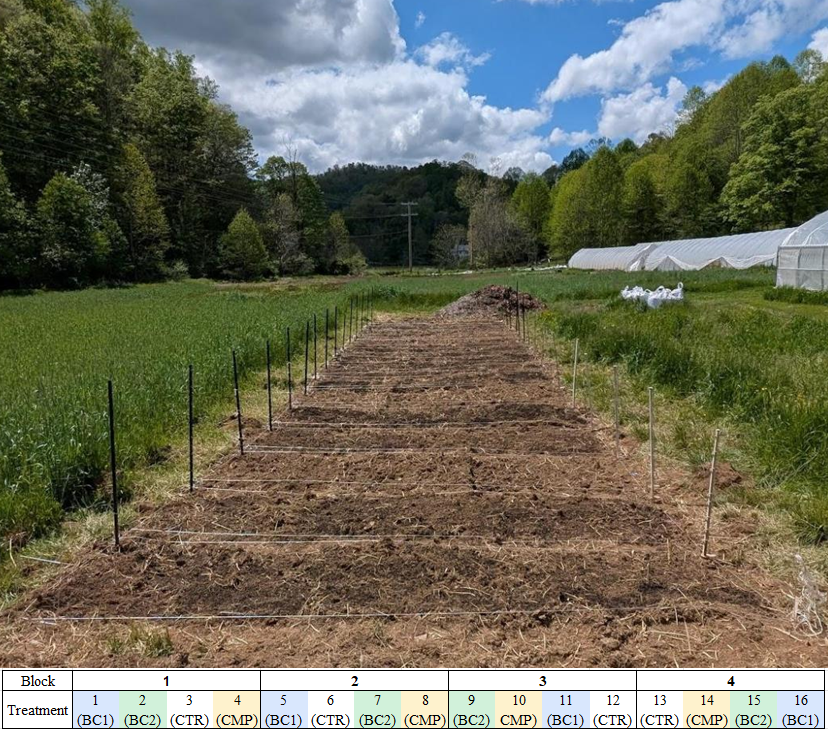
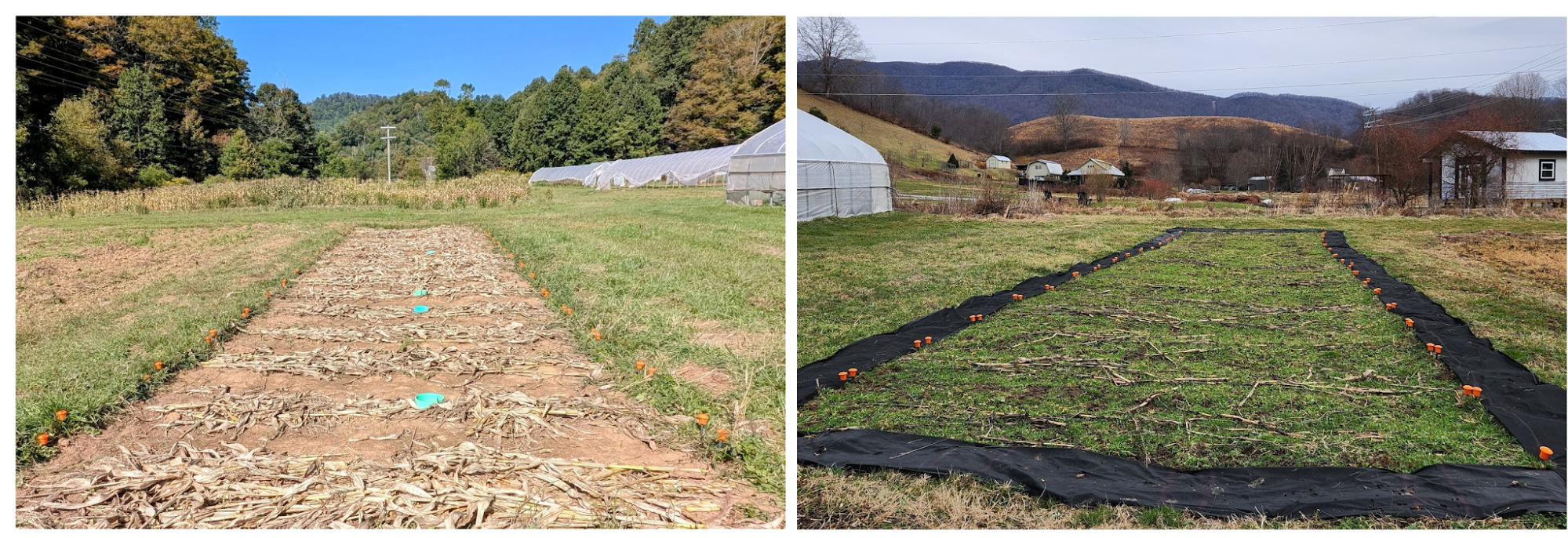
A 60 ft × 10 ft field trial was established using a randomized complete block design (RCBD) consisting of four treatments and four blocks (total n = 16 plots) (Figure 5). Treatments included: (1) control (no amendment), (2) compost only, (3) compost with DH biochar, and (4) compost with WF biochar. Each treatment plot receiving compost amendments (compost-only, BC1-compost, and BC2-compost) was applied with 10 gallons (~45 lb) of compost. Compost was incorporated into the soil using a bow rake to ensure uniform mixing within the topsoil layer.
3.3. Corn Establishment and Harvest
Following compost incorporation, the field was covered with weed barrier fabric. Corn was planted on June 4, 2025. Each plot contained 36 planting holes in the weed barrier, with two seeds sown per hole. Where both seeds germinated, seedlings were thinned to one plant per hole.
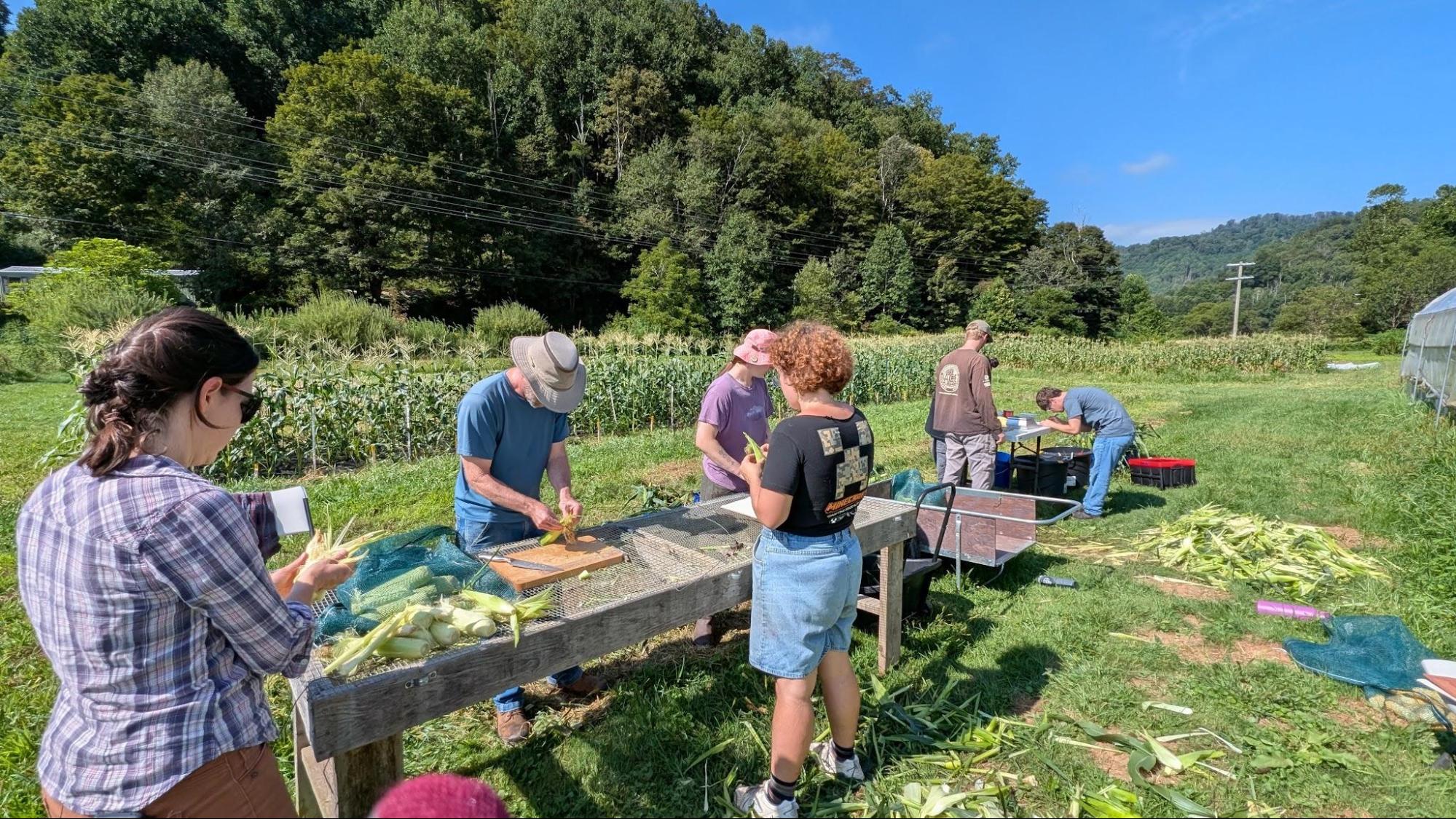
Corn ears were harvested on August 19, 2025. The following parameters were measured for each plot:
- Total marketable yield
- Marketable ear count
- Mean ear weight
- Ears per plant
3.4. Off-Season Management
After harvest, remaining corn stalks were cut and left in place within each plot to decompose in situ. Cover crops (a mixture of winter wheat, crimson clover, and radish) were subsequently planted to support soil health and prepare the field for the following growing season.
3.5. Soil and compost analysis
Soil samples were collected from each plot at multiple time points, including prior to corn planting (T1) and following harvest (T2). Samples were tested for soil organic matter content and pH at Appalachian State University, as well as submitted to an external laboratory, the Kansas State University Soil Testing Lab, for physicochemical analysis (results from the external lab are in progress and not yet available at this reporting date). Soil organic matter (SOM) was determined via loss on ignition and pH was determined using a 1:2 soil-water extraction.
Biochar-compost samples were collected immediately prior to field application and analyzed by the NCDA&CS Agronomic Services Laboratory. These analyses provided nutrient composition and related parameters for the applied amendments.
4. On demand water heater Root Zone Heating System
A modification to the existing root-zone heating (RZH) system was initiated to improve the efficiency of solar thermal energy utilization. In the original system design, the in-tank water heater functioned both as a solar thermal storage unit and as a supplemental heating source. Because the storage tank was continuously maintained at approximately 90°F, the elevated inlet temperature to the solar thermal collector likely reduced solar heat collection efficiency.
To address this limitation, the system design was modified to separate these functions. The existing in-tank water heater was repurposed primarily as a solar thermal storage unit, while a camper-style on-demand water heater was incorporated as a supplemental heating source. The on-demand heater had already been installed through complementary funding support prior to the initiation of this evaluation.
However, during system operation, the addition of the on-demand water heater increased the hydraulic pressure head beyond the reliable operating range of the original circulation pump. Although the existing pump included a three-stage power setting, intermittent system shutdowns occurred under the modified configuration. As a result, quantitative evaluation of the energy-saving performance of the revised system was postponed pending installation of a circulation pump better matched to the updated hydraulic requirements.
Nevertheless, this preliminary implementation provided valuable operational insights regarding system integration and highlighted the importance of hydraulic design considerations when retrofitting solar-assisted root-zone heating systems.
1. Biochar co-composting (tumbler composting trials)
1.1. Trial 1: softwood (hybrid poplar) sourced biochar co-composting
Compost tumblers were established on June 13, 2024. During the initial two weeks, the tumblers were rotated every 2–3 days to maintain aeration (June 15, 17, 20, 23, 25, 28, and July 2), and water was added as needed approximately every 5 days (June 20, 25, and July 2) to maintain moisture.
Between June 28 and July 2, routine pile management was temporarily interrupted, during which rapid moisture loss occurred across all treatments. This was accompanied by a sharp decline in compost temperature, likely due to reduced microbial activity under moisture-limited conditions. Following rewetting and resumed turning, temperatures recovered across all treatments.
Overall, all treatments exhibited similar temperature patterns throughout the composting period. However, the biochar-amended treatments reached the thermophilic temperature range (~130°F) slightly earlier than the control (figure 8). During the thermophilic phase, from June 15 to June 29, the daily average temperatures of the control, 5% biochar treatment, and 10% biochar treatment were 131.3°F, 134.4°F, and 134.6°F, respectively, indicating that the biochar-amended composts maintained slightly higher temperatures during active composting.
In addition, the biochar-amended treatments generally showed faster temperature recovery following turning or moisture addition events, suggesting that biochar amendment may have influenced moisture dynamics and microbial activity during composting.
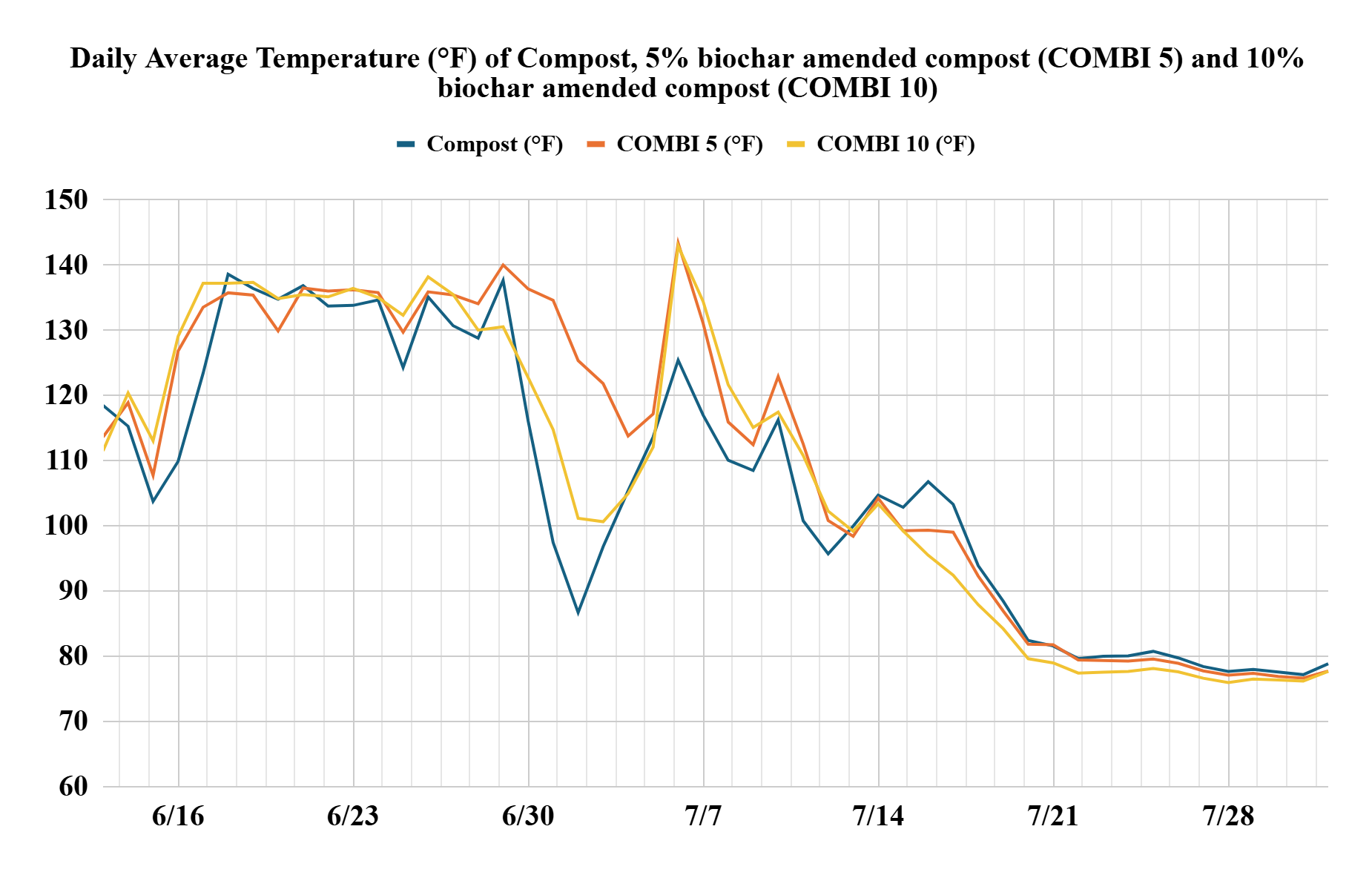
Table 2. Summary of compost analysis for the first co-composting trial.
|
Hybrid poplar sourced Biochar treatment (<2mm) |
0% |
5% |
10% |
|
Time (months) |
4.5 |
4.5 |
4.5 |
|
Total N (mg/kg) |
32700 |
27100 |
29400 |
|
Org. N/Total N (%) |
93.35% |
98.27% |
99.38% |
|
Inorg. N |
2175 |
468 |
183.5 |
|
NH4-N (mg/kg) |
655 |
199 |
135 |
|
NO3-N (mg/kg) |
1520 |
269 |
48.5 |
|
Relative nitrification indicator (NO₃⁻-N / NH₄⁺-N) |
2.32 |
1.35 |
0.36 |
|
pH |
5.52 |
6.19 |
6.38 |
|
C/N |
14.6 |
20 |
20.5 |
After approximately 4.5 months of composting, the biochar-amended treatments exhibited substantially lower inorganic nitrogen concentrations, particularly NO₃⁻-N, compared to the control, indicating altered nitrogen cycling during composting (table 1). Biochar-amended treatments also showed higher pH and increased C:N ratios relative to the control. Despite the higher pH conditions that would generally favor nitrification, nitrate concentrations remained low in the biochar treatments, suggesting that biochar addition influenced nitrogen transformation and retention processes. The 10% biochar treatment showed the lowest inorganic N and NO₃⁻-N concentrations, indicating that higher biochar loading may have temporarily reduced plant-available inorganic nitrogen during composting. The relatively higher proportion of organic nitrogen and slightly elevated thermophilic temperatures observed in the biochar-amended treatments, compared to the control, may reflect increased microbial activity and microbial nitrogen immobilization during composting.
1.2. Trial 2&3: temporal nutrient dynamics of hardwood sourced biochar co-composting
The results of the temporal compost analysis for the second and third biochar co-composting experiments are summarized in Tables 3 and 4.
Table 3. Summary of compost analysis for the second co-composting trial.
|
Hardwood sourced Biochar treatment (<2mm) |
0% |
5% |
10% |
||||||
|
Time (months) |
5 |
8 |
∆ |
5 |
8 |
∆ |
5 |
8 |
∆ |
|
Total N (mg/kg) |
40900 |
30000 |
↓ |
27100 |
32100 |
↑ |
19400 |
26200 |
↑ |
|
Org. N/Total N (%) |
98.05% |
97.43% |
↓ |
96.72% |
96.01% |
↓ |
97.18% |
97.70% |
↑ |
|
Inorg. N |
798 |
771 |
↓ |
888 |
1281 |
↑ |
547 |
602 |
↑ |
|
NH₄⁺-N (mg/kg) |
790 |
768 |
↓ |
666 |
440 |
↓ |
442 |
159 |
↓ |
|
NO₃⁻-N (mg/kg) |
7.91 |
2.85 |
↓ |
222 |
841 |
↑ |
105 |
443 |
↑ |
|
Relative nitrification indicator (NO₃⁻-N / NH₄⁺-N) |
0.010 |
0.004 |
↓ |
0.333 |
1.911 |
↑ |
0.238 |
2.786 |
↑ |
|
pH |
6.62 |
6.24 |
↓ |
6.67 |
6.23 |
↓ |
6.78 |
6.25 |
↓ |
|
C/N |
11.7 |
16.1 |
↑ |
21 |
17.8 |
↓ |
31.8 |
24.6 |
↓ |
Nitrogen dynamics differed among treatments in the second co-composting experiment (table 3). In the control, total nitrogen and nitrate concentrations decreased over time, accompanied by an increase in the C:N ratio, suggesting net nitrogen loss during composting. In contrast, the biochar-amended treatments showed increases in total nitrogen and nitrate concentrations, along with substantial increases in the NO₃⁻-N/NH₄⁺-N ratio, indicating enhanced nitrification and altered nitrogen transformation dynamics. The 10% biochar treatment also showed an increase in the organic N/total N ratio, suggesting partial nitrogen immobilization and retention within the composting system. Although nitrogen concentrations in the biochar treatments remained lower than in the control, this pattern may partially reflect dilution effects associated with the addition of biochar. Overall, the results suggest that biochar amendment influenced nitrogen retention and transformation during composting.
Table 4. Summary of compost analysis for the third co-composting trial.
|
Hardwood sourced Biochar treatment (2-4mm) |
0% |
2% |
4% |
||||||
|
Time (months) |
4 |
6 |
∆ |
4 |
6 |
∆ |
4 |
6 |
∆ |
|
Total N (mg/kg) |
38000 |
33400 |
↓ |
37100 |
34100 |
↓ |
33100 |
33800 |
↑ |
|
Org. N/Total N (%) |
93.94% |
93.92% |
↓ |
94.38% |
95.07% |
↑ |
94.13% |
94.70% |
↑ |
|
Inorg. N |
2304 |
2030 |
↓ |
2086 |
1680 |
↓ |
1944 |
1790 |
↓ |
|
NH4-N (mg/kg) |
2300 |
2030 |
↓ |
2080 |
1650 |
↓ |
1910 |
1480 |
↓ |
|
NO3-N (mg/kg) |
4.39 |
5.22 |
↑ |
5.52 |
38.7 |
↑ |
33.6 |
316 |
↑ |
|
Relative nitrification indicator (NO₃⁻-N / NH₄⁺-N) |
0.0019 |
0.0026 |
↑ |
0.0027 |
0.0235 |
↑ |
0.0176 |
0.2135 |
↑ |
|
pH |
6.24 |
6.16 |
↓ |
6.26 |
6.15 |
↓ |
6.28 |
6.04 |
↓ |
|
C/N |
12.2 |
14.2 |
↑ |
13.2 |
14.5 |
↑ |
15.8 |
16.8 |
↑ |
In the third co-composting experiment (table 4), all treatments showed decreasing NH₄⁺-N and increasing NO₃⁻-N concentrations over time, indicating ongoing nitrification during composting. However, the control treatment showed decreases in total nitrogen and increases in the C:N ratio, suggesting net nitrogen loss during the composting process. The 2% biochar treatment exhibited a similar pattern, although nitrate accumulation was greater than in the control, suggesting that the lower biochar application rate had only limited effects on overall nitrogen dynamics. In contrast, the 4% biochar treatment showed a slight increase in total nitrogen together with a substantial increase in NO₃⁻-N and NO₃⁻-N/NH₄⁺-N ratio, suggesting improved nitrogen retention and transformation relative to the other treatments. Overall, the results indicate that biochar application influenced nitrogen dynamics during composting, with the strongest effects observed at the 4% application rate.
2. Pot Experiments
2.1. Greenhouse pot experiment: Hybrid poplar biochar-amended compost for spinach
When all treatments were included in the analysis, fresh leaf biomass differed significantly among treatments (one-way ANOVA, p < 0.001). All compost-containing treatments produced significantly greater biomass than the propagation mix-only control, with mean fresh biomass increasing from 9.31 g in the control to 17.05 g in the compost-only treatment. Biochar-amended compost treatments also produced greater biomass than the control.
Plant height showed a similar overall trend, with the 0.5% biochar treatment exhibiting the greatest mean height. However, when only compost-containing treatments were analyzed, no statistically significant differences were detected in either fresh leaf biomass (p = 0.189) or plant height among the compost-only and biochar-amended compost treatments. Although not statistically significant, fresh biomass showed a numerical decreasing trend with increasing biochar loading.
The fixed volumetric mixing design used in this experiment may also have contributed to nutrient dilution in the biochar-amended treatments, as increasing biochar addition proportionally reduced the amount of compost incorporated into the growing media. This limitation was addressed in the second pot experiment by maintaining a constant compost mass across treatments.
Table 5. Growth response of spinach grown in biochar-amended compost media.
|
Treatment Propagation mix (P); Compost (C); Biochar (B) |
Height (cm) |
Fresh leaf mass (g) |
|
P 100% (control) |
4.36 ± 0.43 a |
9.31 ± 2.02 a |
|
P 90% + C 10% (T1) |
4.96 ± 0.57 ab |
17.05 ± 2.41 b |
|
P 90% + C 9.5% + B 0.5% (T2) |
5.40 ± 0.57 b |
15.66 ± 3.22 b |
|
P 90% + C 9% + B 1% (T3) |
4.95 ± 0.29 ab |
14.44 ± 2.53 b |
Table 6. Pre- and post-cultivation analysis of growing media used in Pot Study 1.
|
Control |
T1 |
T2 |
T3 |
|||||
|
Pre |
Post |
Pre |
Post |
Pre |
Post |
Pre |
Post |
|
|
Inorg. N (mg/kg) |
54 |
0.79 |
75.9 |
0.02 |
67 |
0.41 |
45.1 |
0.25 |
|
NH4-N |
9.83 |
0.7 |
1.98 |
0 |
0.6 |
0 |
1.99 |
0 |
|
NO3-N |
44.2 |
0.08 |
74 |
0.02 |
66.4 |
0.41 |
43.1 |
0.25 |
|
P (mg/kg) |
12.9 |
5.71 |
30.7 |
8.33 |
32.6 |
10.5 |
26.5 |
9.81 |
|
K (mg/kg) |
61.7 |
15.4 |
121 |
18.8 |
120 |
29.7 |
103 |
29.4 |
|
EC (mS/cm) |
1.14 |
0.41 |
1.84 |
0.43 |
1.78 |
0.52 |
1.43 |
0.55 |
|
pH |
5.85 |
6.19 |
5.64 |
6.19 |
5.66 |
6.29 |
5.79 |
6.35 |
To avoid excessive nutrient conditions that could mask potential biochar effects, compost was incorporated at a relatively low rate (10%). Pre- and post-cultivation analyses showed substantial nutrient depletion across all treatments during the pot study. In contrast, pH increased slightly with increasing biochar loading, with the highest final pH observed in the 1% biochar treatment.
Biochar-amended treatments showed lower initial inorganic nitrogen concentrations than the compost-only treatment, which may reflect nutrient dilution and/or altered nitrogen dynamics associated with biochar addition. Despite these lower initial inorganic nitrogen concentrations, the biochar-amended treatments produced biomass comparable to the compost-only treatment, suggesting that plant responses were influenced by factors beyond inorganic nitrogen availability alone.
To avoid excessive nutrient conditions that could mask potential biochar effects, compost was incorporated at a relatively low rate (10%). Pre- and post-cultivation analyses showed substantial nutrient depletion across all treatments during the pot study. In contrast, pH increased slightly with increasing biochar loading, with the highest final pH observed in the 1% biochar treatment.
Biochar-amended treatments showed lower initial inorganic nitrogen concentrations than the compost-only treatment, which may reflect nutrient dilution and/or altered nitrogen dynamics associated with biochar addition. Despite these lower initial inorganic nitrogen concentrations, the biochar-amended treatments produced biomass comparable to the compost-only treatment, suggesting that plant responses were influenced by factors beyond inorganic nitrogen availability alone.
2.2. Indoor pot experiment: Hybrid poplar biochar added compost for radish
Table 7 shows pH, EC, and GI of extracts of the compost-biochar mixtures, propagation mix (P), and distilled water.
Table 7. pH, EC, and germination index (GI) of compost-biochar extract treatments.
|
Treatment |
pH |
EC (dS m⁻¹) |
Germination rate |
Mean root length (mm) |
GI (%) |
|
DI water |
– |
– |
0.92 |
14.91 |
100 |
|
P+sand |
6 |
0.3 |
1 |
15.17 |
111 |
|
0% |
6.5 |
1.8 |
0.75 |
16.44 |
90.2 |
|
2% |
6.7 |
3 |
1 |
9.92 |
72.6 |
|
4% |
6.8 |
2.4 |
0.75 |
10.11 |
55.5 |
|
6% |
6.8 |
2.3 |
0.83 |
14.5 |
88.4 |
|
8% |
6.9 |
2.3 |
0.83 |
16.7 |
101.8 |
|
10% |
6.9 |
2.2 |
0.83 |
10.7 |
65.2 |
Differences in GI among treatments were not strongly associated with pH, as all extracts remained within a relatively neutral range (pH 6.0–6.9). In contrast, elevated EC values in the compost extracts may have contributed to reduced root elongation and lower GI values in some treatments. However, the relationship between EC and GI was not strictly consistent across treatments, suggesting that multiple factors influenced seedling responses.
Due to technical issues with the greenhouse lighting system during the initial trial, the pot experiment was repeated to ensure consistent growth conditions and reliable biomass measurements. Consequently, biomass data were not finalized in time for insertion in the present report and remain under analysis.
3. Biochar corn field trial
3.1. Biochar-amended compost analysis
Table 8 summarizes the basic physicochemical properties of each biochar used in the field trial. BC1 was a commercially produced softwood-derived biochar, whereas BC2 was a hardwood-derived biochar produced on-farm using a flame cap kiln. Both biochar exhibited H:C molar ratios below 0.7, indicating relatively high C stability. In particular, BC1 showed a notably low H:C ratio (0.17), suggesting a higher degree of C stability.
Table 8. Basic characteristics of biochar used in the field trial.
|
BC1 |
BC2 |
||
|
Kiln type |
Reactor (600C or higher for 15-30 min) |
Flame Cap kiln |
|
|
Moisture |
% wet wt. |
63.3 |
49.8 |
|
H:C |
Molar ratio |
0.17 |
0.5 |
|
Total Ash |
% of total dry mass |
3.4 |
2.1 |
|
pH |
9.15 |
6.67 |
|
|
EC (EC w/w) |
dS/m |
0.267 |
0.065 |
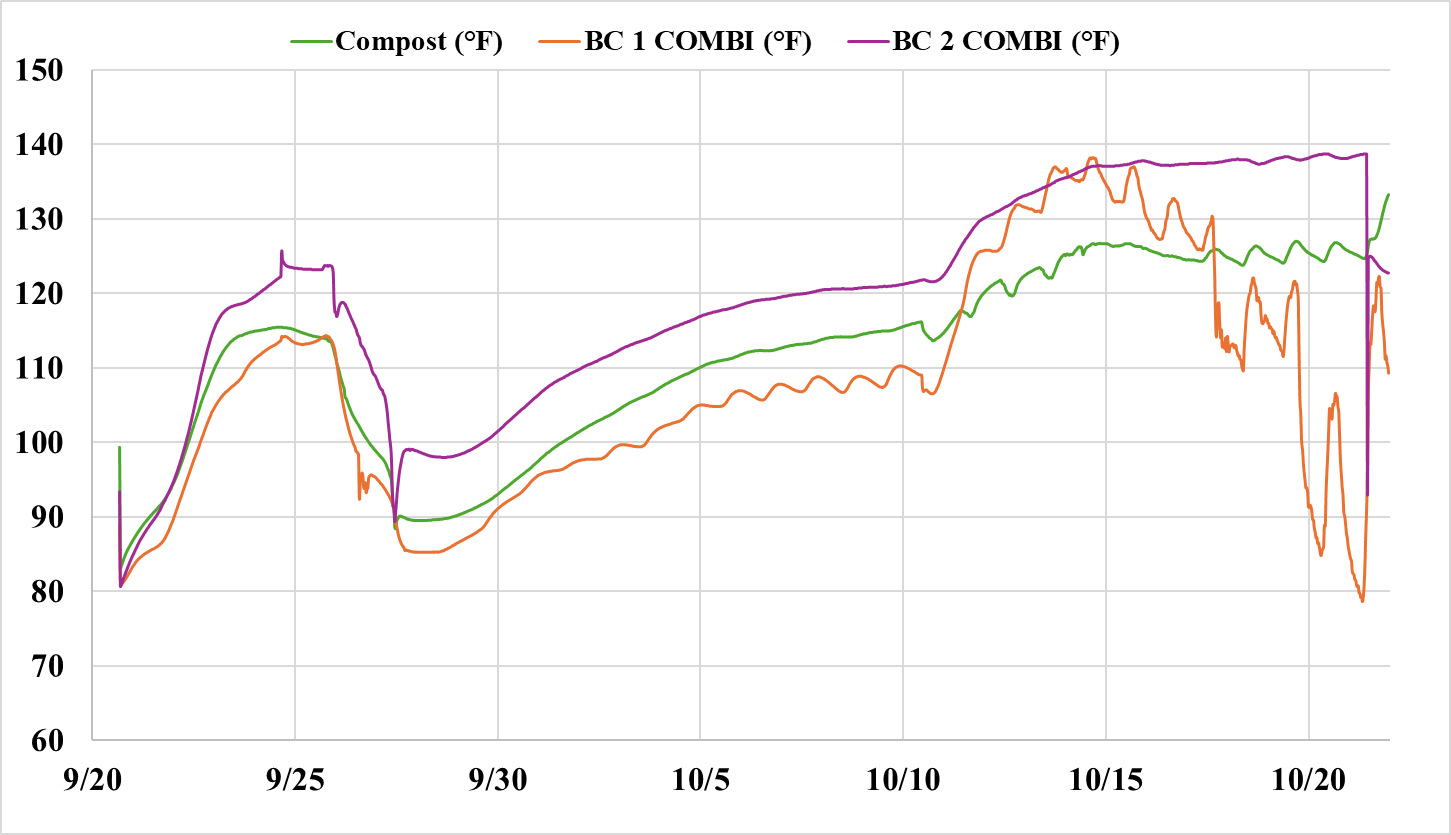
Figure 9 shows the temperature profiles of the compost piles during the field co-composting trial. On September 26, the site was affected by flooding associated with Hurricane Helene, resulting in a sharp decline in compost temperatures. When the site was revisited approximately two weeks later, the piles remained excessively wet and exhibited strong odors. Although temperatures gradually recovered following the disturbance, flood-related damage to temperature sensors and data loggers reduced the reliability of continuous monitoring data. Manual temperature measurements confirmed that all piles maintained temperatures above 130°F through late October and above 110°F through late November.
Despite the disturbance, differences among treatments were observed during the pre-hurricane thermophilic phase. Prior to September 26, the BC1 treatment generally exhibited slightly lower temperatures than the control and BC2 treatments, suggesting differences in composting dynamics among biochar treatments.
The finished compost samples were analyzed after 7.5 months of composting (table 9). Among the treatments, BC1 exhibited lower total nitrogen, lower inorganic nitrogen concentrations, and the lowest NO₃⁻-N/NH₄⁺-N ratio, suggesting altered nitrogen transformation dynamics relative to the control and BC2 treatments. This pattern was generally consistent with the lower thermophilic temperatures observed in BC1 during the active composting phase. Although BC1 exhibited relatively high pH (table 8), differences in biochar physicochemical properties and compost moisture conditions may have contributed to the observed differences in nitrogen dynamics among treatments.
Table 9. Compost analysis after 7.5 months of field co-composting.
|
Compost |
BC1 |
BC2 |
|
|
Time (months) |
7.5 |
7.5 |
7.5 |
|
Total N (mg/kg) |
26500 |
23200 |
28300 |
|
Org. N/Total N (%) |
87.47% |
90.69% |
90.49% |
|
Inorg. N |
3320 |
2160 |
2690 |
|
NH4-N (mg/kg) |
703 |
599 |
406 |
|
NO3-N (mg/kg) |
2610 |
1570 |
2280 |
|
Relative nitrification indicator (NO₃⁻-N / NH₄⁺-N) |
3.71 |
2.62 |
5.62 |
|
pH |
5.41 |
5.65 |
5.08 |
|
C/N |
13.3 |
15.4 |
18.3 |
3.2. Soil analysis
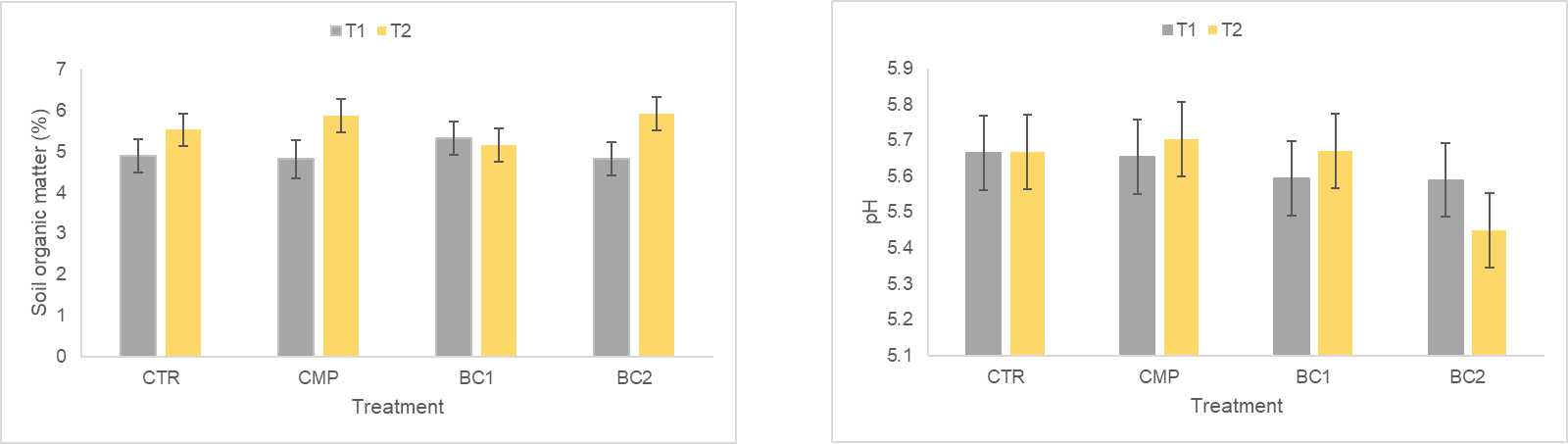
Soil test results were analyzed in R Studio as a repeated measures analysis. SOM showed no significant differences at either time point. Across treatments, there was a general increase in SOM from T1 to T2. Results for pH similarly are not significantly different, though there appears to be a pH difference emerging over time. Interestingly, BC2, the locally made compost, has a lower pH at the end of the growing season.
3.3. Corn ear yield analysis
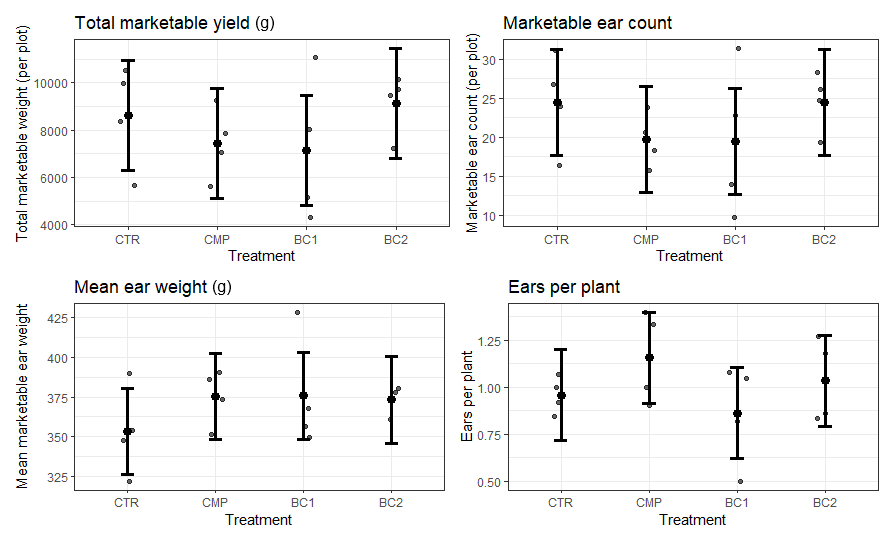
A linear mixed-effects model (LMM) was used to evaluate treatment effects on marketable corn yield parameters, including total marketable weight, marketable ear count, mean marketable ear weight, and ears per plant. Treatment was included as a fixed effect and block as a random effect to account for the randomized complete block design (RCBD). Analyses were performed in R and overall treatment effects were assessed by analysis of variance (ANOVA).
No statistically significant treatment effects were observed for total marketable yield, marketable ear count, mean marketable ear weight, or ears per plant based on linear mixed-effects model analysis (p > 0.05). Although treatment means varied numerically among treatments, substantial within-treatment variability was observed across field replicates (figure 11).
3.4. Biomass C/N analysis
Root, leaf, and stem samples collected at harvest were analyzed for tissue C concentration, N concentration, and C:N ratio using linear mixed-effects models. Treatment effects on tissue responses were generally limited. No significant treatment effects were detected for leaf or stem C concentration, N concentration, or C:N ratio.
In contrast, root N concentration differed significantly among treatments (p = 0.0048), with all amended treatments showing higher root N concentration than the untreated control (CTR). The compost-only treatment (CMP) showed the highest root N concentration, while BC1 and BC2 treatments exhibited intermediate values that were not significantly different from CMP (figure 4). No significant treatment effects were observed for root C concentration or root C:N ratio.
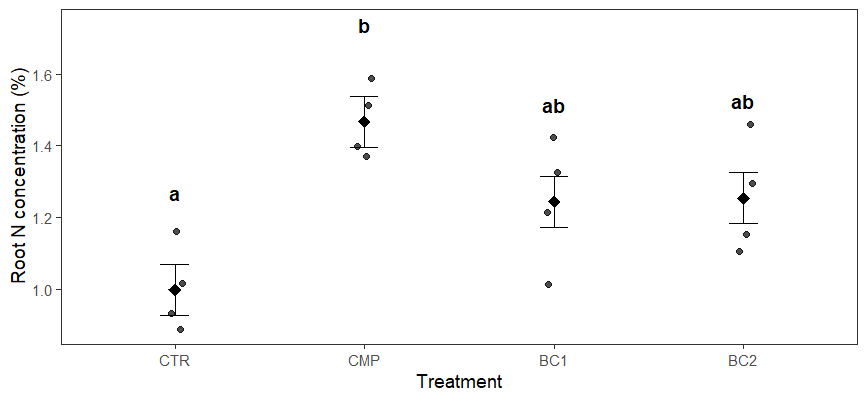
The increase in root N concentration in the absence of significant yield differences suggests that treatment effects may have been expressed initially through belowground nutrient responses rather than immediate productivity changes. Biochar-associated changes in soil nutrient dynamics often develop gradually under field conditions. Therefore, the observed root N responses may represent early treatment effects that could precede measurable yield responses, highlighting the importance of long-term field monitoring.
4. Discussion
Overall, the results suggest that biochar amendment influenced composting dynamics, nitrogen transformation, and plant-soil interactions across multiple experimental scales. In both the tumbler composting trials and the on-farm co-composting system, biochar-amended treatments generally exhibited slightly elevated thermophilic temperatures and faster temperature recovery, suggesting altered microbial activity and moisture dynamics during composting. Temporal compost analyses further indicated that biochar affected nitrogen dynamics through changes in inorganic nitrogen availability, nitrification patterns, and nitrogen retention. However, treatment responses differed depending on biochar type, particle size, and application rate. In particular, the low-tech, farm-produced hardwood biochar (BC2) generally showed stronger positive effects on composting performance and nitrogen dynamics than the commercial biochar product (BC1).
In the pot experiments, compost-containing treatments substantially improved plant growth relative to the propagation mix-only control, while differences among compost-only and biochar-amended compost treatments were limited. This may partially reflect the limitations of short-term pot studies for biochar amended treatments, including restricted rooting volume, simplified media conditions, and nutrient dilution effects associated with the experimental design. In the field trial, no statistically significant treatment effects were observed for first-year corn yield parameters. However, all amended treatments showed significantly greater root nitrogen concentrations than the untreated control, suggesting early belowground nutrient responses that may precede measurable yield effects. Because biochar-associated soil improvements often develop gradually under field conditions, these results highlight the importance of long-term field evaluation of biochar-amended compost systems.
Educational & Outreach Activities
Participation summary:
1. Field demonstrations, community workshops, and outreach efforts
Due to Hurricane Helene, which impacted this region on September 26–27, 2024, many small local farms experienced extensive damage. Mountainwise Farm (Zionville, NC) was particularly affected, sustaining major losses that included downed trees and damage to their hoop houses.
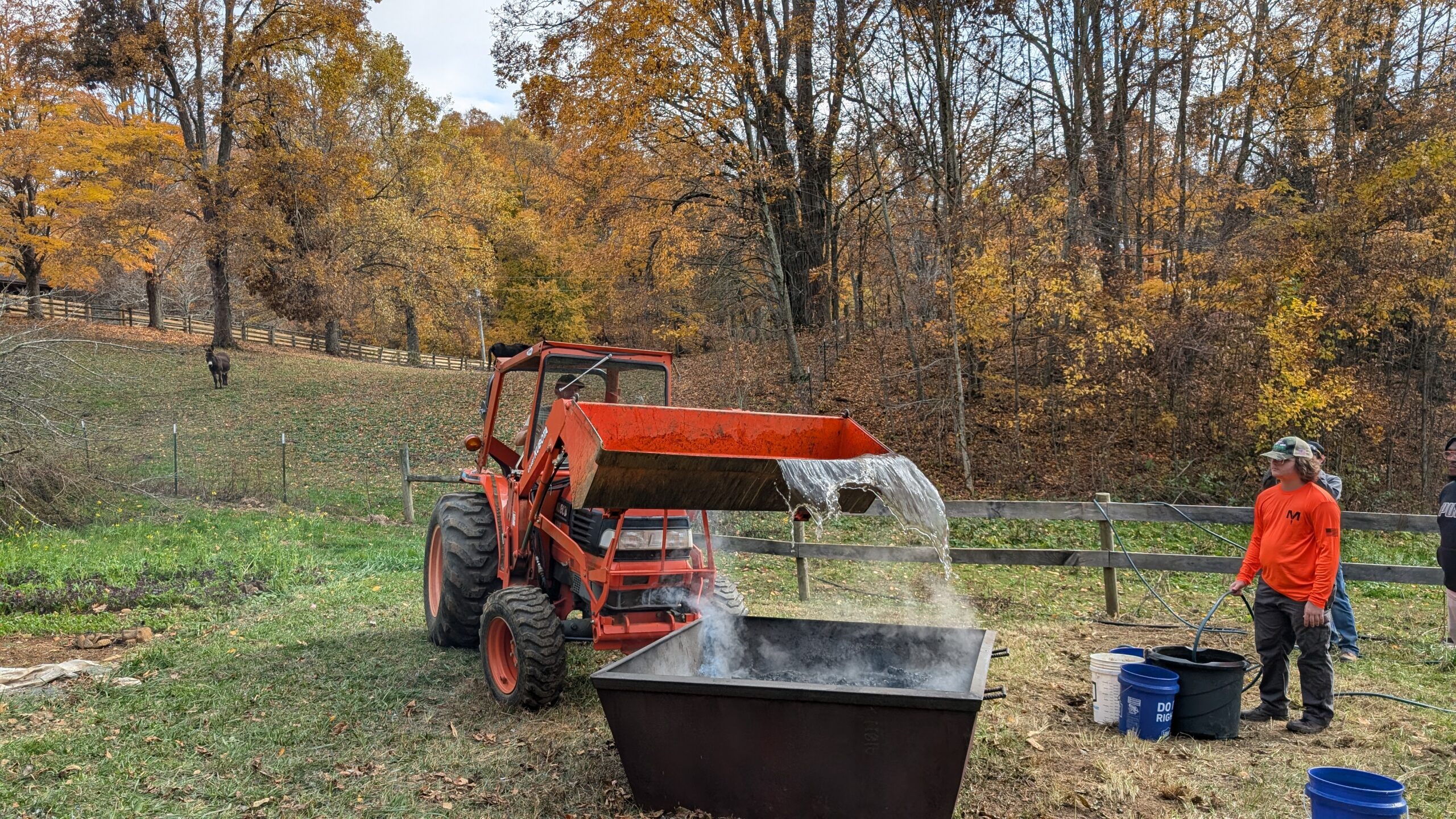
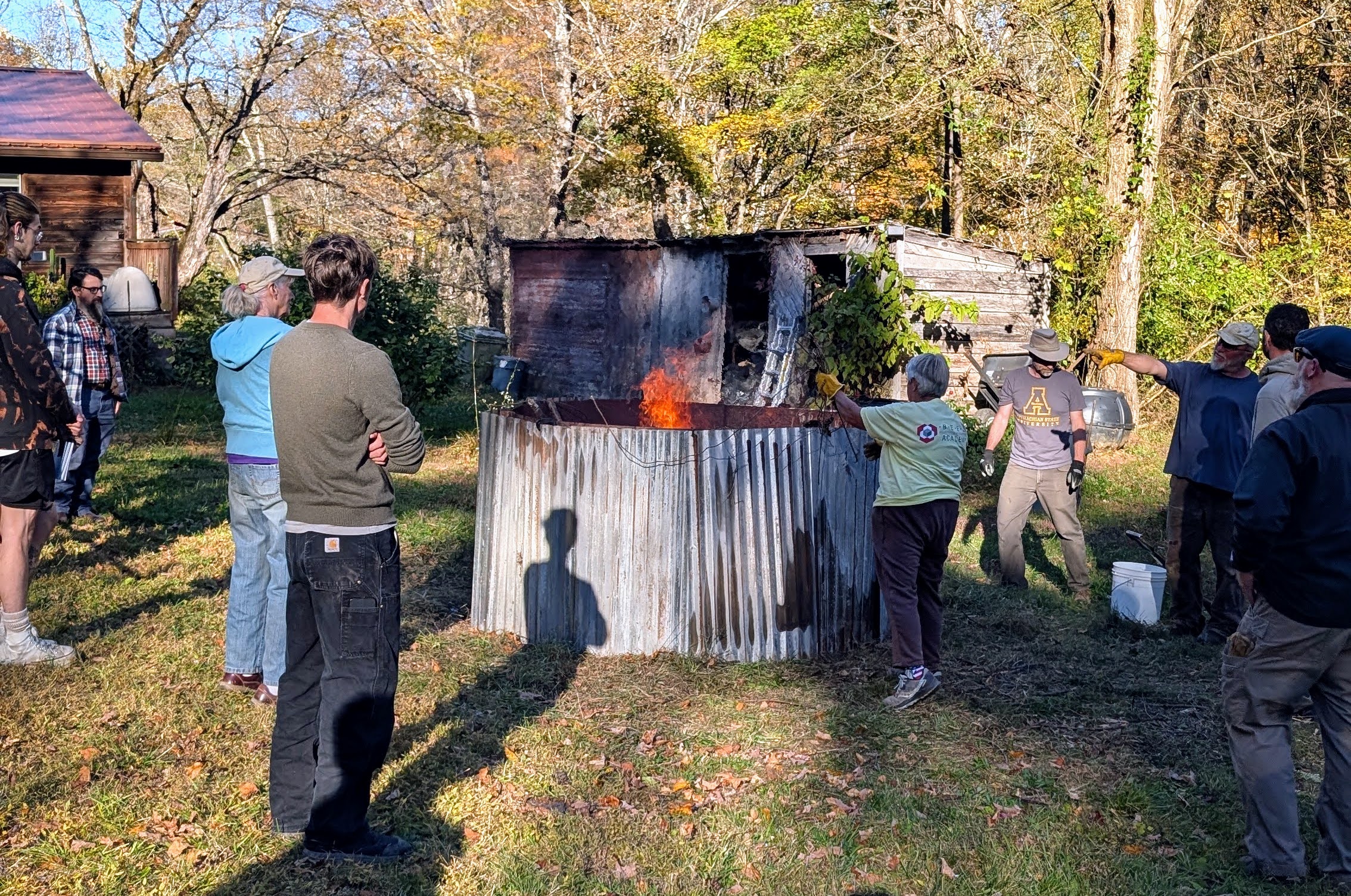
On October 23, the Nexus team visited the farm with three Oregon kilns and a “Ring of Fire” unit to help convert fallen tree branches into biochar. Members of the Nexus Project team, together with Appalachian State University students who volunteered their time that day, worked alongside Mountainwise Farm owner Tyler to collect, cut, and process the fallen timber into biochar. Their efforts highlighted the strength of community cooperation and resilience during recovery. The students, who generously dedicated their Sunday afternoon to support the effort, truly exemplified a strong spirit of community service.
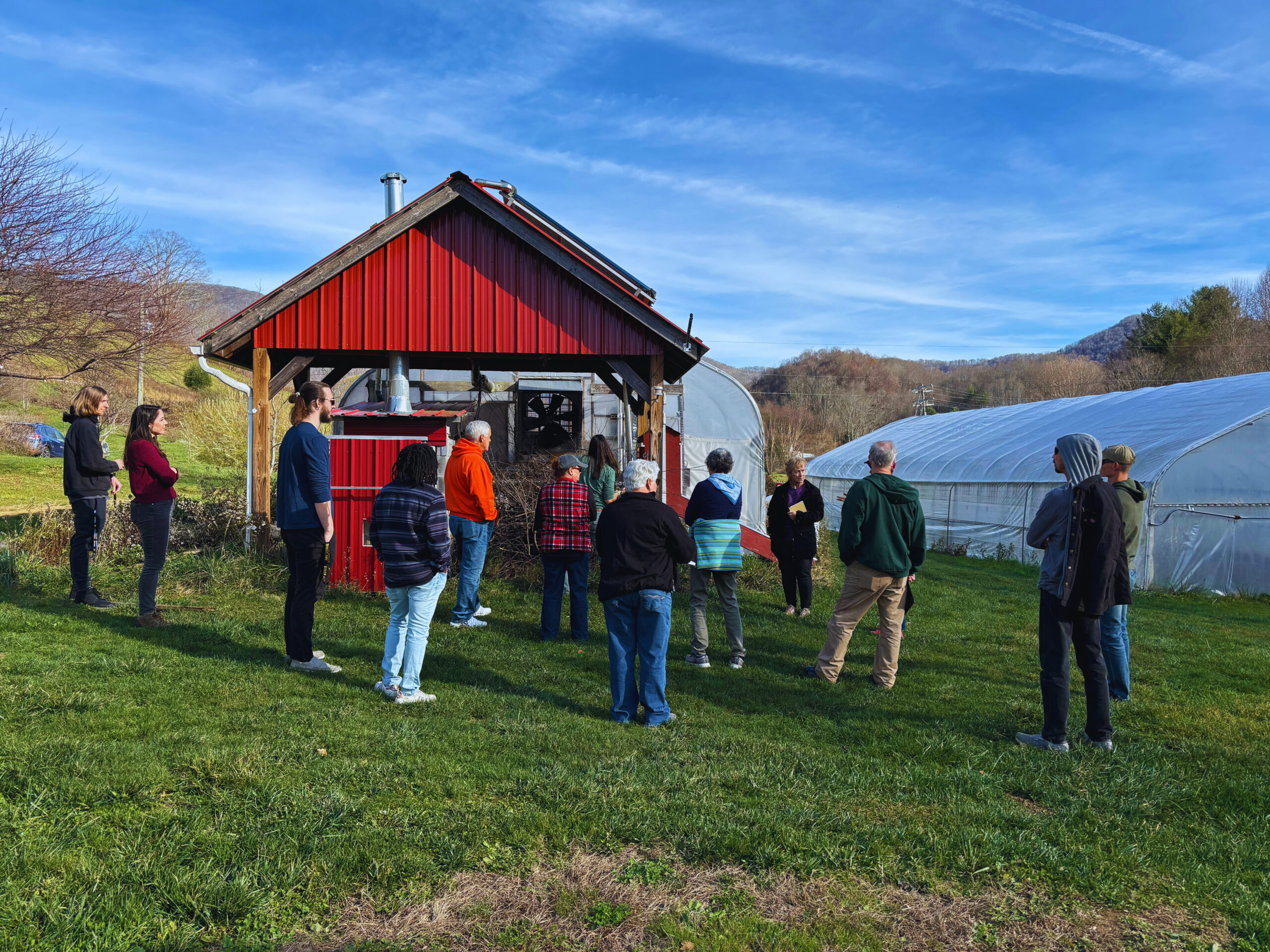
On November 17, 2024, the Nexus Project Team, in collaboration with the Patterson School Foundation, hosted a workshop focused on efficient greenhouse heating technologies. The workshop was part of a USDA-supported series organized by the Patterson School Foundation to assist new farmers and ranchers. Participants toured the Nexus facility, where they explored sustainable heating solutions, on-farm biochar production, hydroponics, and other practical agricultural techniques.
The group also visited Nexus heating systems installed at our partner farms—Springhouse Farm and Against the Grain Farm—to observe real-world applications of root-zone heating, a method designed to improve both energy efficiency and crop health. One of the highlights of the workshop was the Q&A session with local farmers, during which experienced growers shared their knowledge and practical insights with participants who were beginning their agricultural journeys.
On October 10, 2025, we hosted an on-site demonstration of biochar production at the Nexus facility as part of an exchange program involving a delegation from Burundi, Africa, which is partnered with Springhouse Farm, a local collaborator of the Nexus Project, along with representatives from the nonprofit organization Dreaming for Change. The visiting group expressed strong interest in exploring ways to introduce and apply biochar-based agricultural practices in Burundi.
In collaboration with the Watauga Agricultural Extension Office, a community biochar workshop was held on October 15, 2025. Participants in the event—including local farmers, gardeners, small business owners, retirees, and other community members—demonstrated strong regional interest in biochar and its practical applications. The workshop included hands-on activities in which participants produced biochar using the “ring of fire” method and engaged in discussions on practical implementation strategies, including methods for inoculating biochar with compost prior to soil application.
We will continue collaborating with the Watauga Agricultural Extension and the local nonprofit organization Blue Ridge Women in Agriculture (BRWIA) to regularly host biochar workshops and support the “High Country Kiln Rental Program” operated by the Watauga Agricultural Extension.


2. Nexus project Newsletters
An introduction to the project, along with updates on its progress, was featured in the biannual Nexus Project newsletters. Over the course of the project, information about the initiative was shared through a total of four newsletters.
September 25, 2024 : https://energy.appstate.edu/news/2024/09/nexus-fall24-update/
March 6, 2025: https://energy.appstate.edu/news/2025/03/from-lab-to-field-nexus-project-in-action-for-community-resiliency/
October 3, 2025: https://energy.appstate.edu/news/2025/10/updates-from-the-field-nexus-project-explores-biochars-composting-boosting-advantages/
March 31, 2026: https://energy.appstate.edu/news/2026/03/biochar-in-practice-research-and-community-applications/
Learning Outcomes
biochar as soil amendment, biochar co-composting
Project Outcomes
This project contributed to agricultural sustainability by evaluating practical approaches for integrating biochar into composting systems and field crop production. Results from the composting trials demonstrated that biochar amendment influenced compost temperature profiles and nitrogen dynamics, suggesting potential benefits for nutrient retention and organic waste stabilization. Biochar-amended composts generally maintained higher thermophilic temperatures and exhibited altered nitrogen transformation patterns, including increased organic nitrogen retention and changes in nitrification dynamics. These findings indicate that biochar-integrated composting systems may help improve compost quality while reducing nutrient losses during the composting process.
From an environmental perspective, the project supports more sustainable management of food waste, wood waste, and agricultural biomass by converting these materials into value-added soil amendments. The use of low-tech, farm-produced biochar demonstrated that farmers may be able to produce biochar locally using on-farm biomass resources and integrate it into composting operations without relying exclusively on commercial products. The field trial also suggested that biochar-amended compost systems may influence belowground nutrient responses even when short-term yield effects are not immediately detectable, highlighting the importance of long-term soil health improvement and nutrient cycling.
Economically, the project explored low-cost and locally adaptable biochar production and composting strategies that may help reduce dependence on external soil amendment inputs over time. The results suggest that farm-produced biochar can perform comparably to, or in some cases better than, commercially produced biochar in composting applications, potentially improving the economic feasibility of biochar adoption for small and medium-scale farms.
Socially, the project strengthened community engagement and farmer education through collaboration with Watauga Agricultural Extension and Blue Ridge Women in Agriculture (BRWIA). Hands-on workshops and the High Country Kiln Loan Program provided farmers, gardeners, and community members with practical training in biochar production, compost integration, and soil application methods. These outreach activities increased regional awareness of sustainable waste-to-soil management practices and encouraged broader community participation in sustainable agriculture initiatives.
Although first-year field yield responses were limited, the project established an important foundation for continued long-term evaluation of biochar-amended compost systems under field conditions. Future multi-year studies will further evaluate soil health, nutrient retention, and crop productivity outcomes to support development of practical biochar application guidelines for farmers.