Final report for SLA23-002
Project Information
Abstract
The Southern University Agricultural Research and Extension Center (SUAREC) in collaboration with the Louisiana State University AgCenter (LSUAC) will implement programs that enhance the capabilities of Louisiana’s agricultural professionals in the area of sustainable agriculture. Themes for 2023 - 2024 include: Hemp production, pastured poultry, food processing, cattle production and ethnic vegetable production, sustainable farm tour, pasture walk. The target audience for trainings will be extension professionals, non-profit representatives, and mentor farmers who will share information and skills gained with local audiences. LSUAC and SUAREC extension personnel will be strongly encouraged to attend the training sessions. Information delivery systems to be utilized include trainings, workshops, conferences, networking sessions, farm tours, field days, hands-on demonstrations, handouts, resource manuals, SARE publications and informational bulletins.
The Southern University Agricultural Research and Extension Center (SUAREC) in collaboration with the Louisiana State University AgCenter (LSUAC) will implement programs that enhance the capabilities of Louisiana’s agricultural professionals in the area of sustainable agriculture. Themes for 2023 - 2024 include: Sustainable Farm Tour and Vegetable Production Day in East Louisiana, Hemp Production field day for small farmers in North Louisiana, Fall Garden workshop (topics include: Pastured poultry and meat rabbits, NRCS grant opportunities), Spring Garden workshop (topics include: Food Preservation and Vegetable workshop). The target audience for trainings will be extension professionals, non-profit representatives, and mentor farmers who will share information and skills gained with local audiences. LSUAC and SUAREC extension personnel will be strongly encouraged to attend the training sessions. Information delivery systems to be utilized include trainings, workshops, conferences, networking sessions, farm tours, field days, hands-on demonstrations, handouts and resource manuals.
Advisors
- (Educator)
- (Educator)
- (Educator)
- (Educator)
- (Educator)
Education
The educational approach has been opened to include more mixed media and hands-on activities during workshops to retain interest during lecture-like presentations. Students and service learners are also included to learn more about SARE programs, promote civic engagement, and increase the agricultural literacy of the communities in which we serve.
Education & Outreach Initiatives
Adult and Youth community members were invited to learn about agriculture.


Both land-grant institutions partnered to educate community adults on vegetable production, drones, Hurricane Preparedness safety, Livestock Show Information, Composting, and Liquid Prep. Youth activities included livestock production, insect identification, nutrition, and 4-H. Information tables provided resoucful information about the NRCSD, Mental Health, ANR, LSU AgCenter, FSA, and SU CAFCS. 2024-05-23 11-57 (1) 
Community members gained knowledge as well as tools and plants for them to take home. All demonstrations were outside, except for the produce give-away. All attendees got a free box of produce from local farmers.
SARE books and flashdrives were distributed to participants with relevant information to the workshop.
Promoting local agricultural practices to increase awareness of sustainability and environmental activities.


The newly appointed USDA urban agriculture program director talked about grant opportunities for urban agriculture and other programs. Monica Hernandez discussed T. Moise Farms' approach to agrotourism and value-added products. Mitchell Provensal, the program director of Baton Roots Community Urban Farm, spoke about Bokashi composting and included a hands-on demonstration—he provided Bokashi buckets as a giveaway item. John Nettles of Slow Hike Co spoke about local foraging specialties such as mushrooms and plants; he also offered culinary samples of different dishes that used foraged items for participants. Ashlyn Harrison leads a session on the importance of mental health.
The audience learned about safe foraging practices, alternative composting, USDA-NRCS Grants available, economic benefits of agritourism, and value-added products. Participants also had the opportunity to network with other agencies during breaks and following the event. SARE books and flashdrives were distributed to participants with relevant information to the workshop.
To overview qualifications, requirements, self-sustainability practices, hands-on gardening activities, and more.


Cornelius Jackson welcomed the participants and introduced guest speaker Audrey Kolde, a sustainable Ag-Specialist from NCAT, who spoke about qualifications and requirements for USDA Certified Organic growing.

Participants were able to take home plants from the hands-on activities. In the closing remarks, participants expressed interest in Certified Naturally Grown. SARE books and flashdrives were distributed to participants with relevant information to the workshop.
The theme of this workshop is "down-to-earth herbs for everyday use," and it provides hands-on learning activities to keep the audience engaged. SUAREC Extension and Professors discussed herb propagation, herbs for IPM, Feeding herbs to Livestock, traditional uses, and more.
The workshop held record-breaking attendance. The diverse demographics showed an interest in this given theme. Mila presented on everything herbs, which covered the multicultural uses of herbs. Stephanie Elwood led an interactive presentation about herb propagation, during which participants took and planted cuttings. During the break, participants were encouraged to visit booths and purchase herbs from Southern University Student Plant Sale. SUAREC SNAP-ED coordinator Joshua McDonald and Evan led a pesto demonstration using basil grown on campus. Following the break, Dr. Jodi Morton reviewed her research on feeding Herbs to Livestock, which was being conducted at SU. Terra Polite led an entertaining presentation using educational videos he made in partnership with LPB on the Herbs for Integrated Pest Management using reference material from SARE. Lastly, Professional Herbalist Desiree L. James guided participants through making value-added calendula, lavender, and peppermint foot soak.


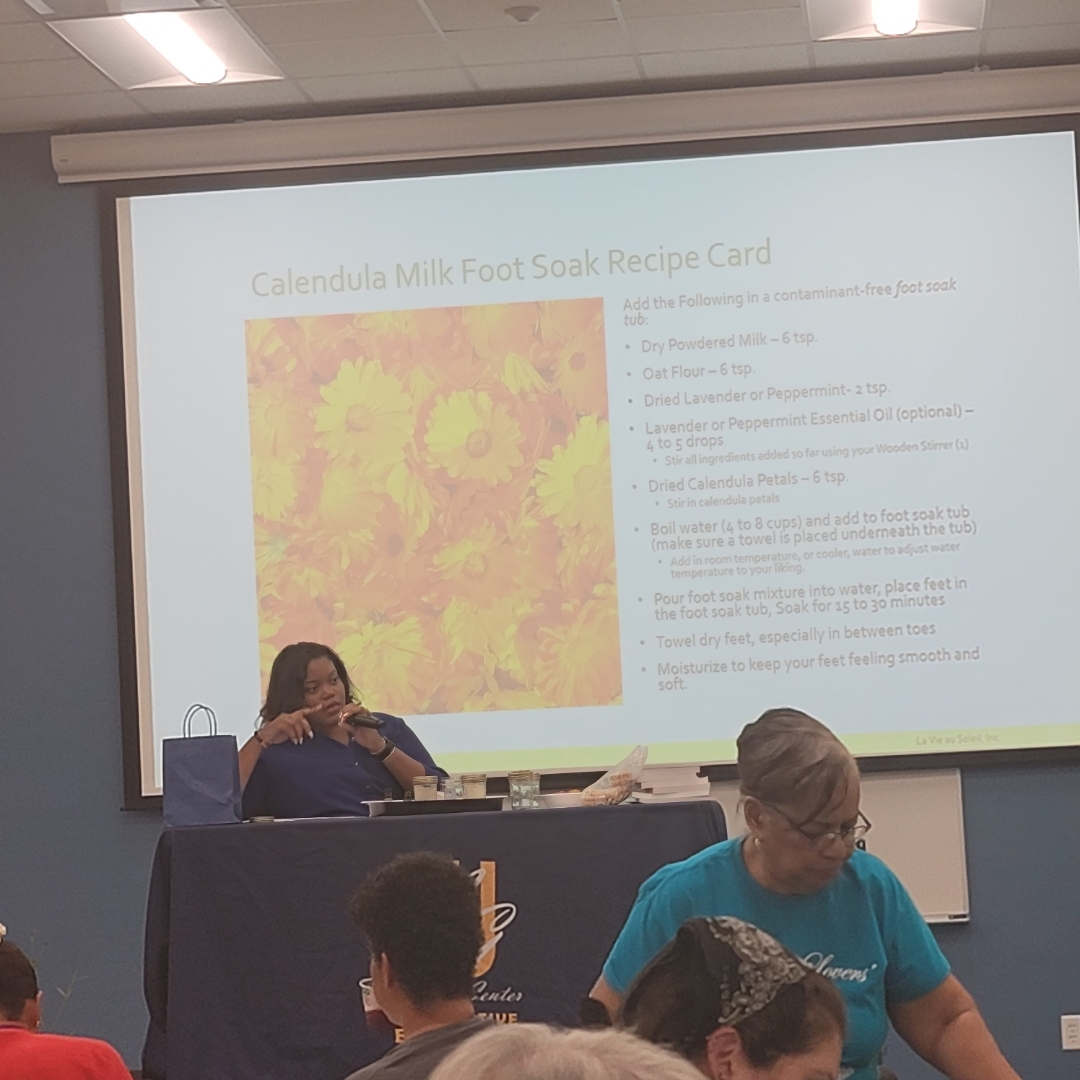
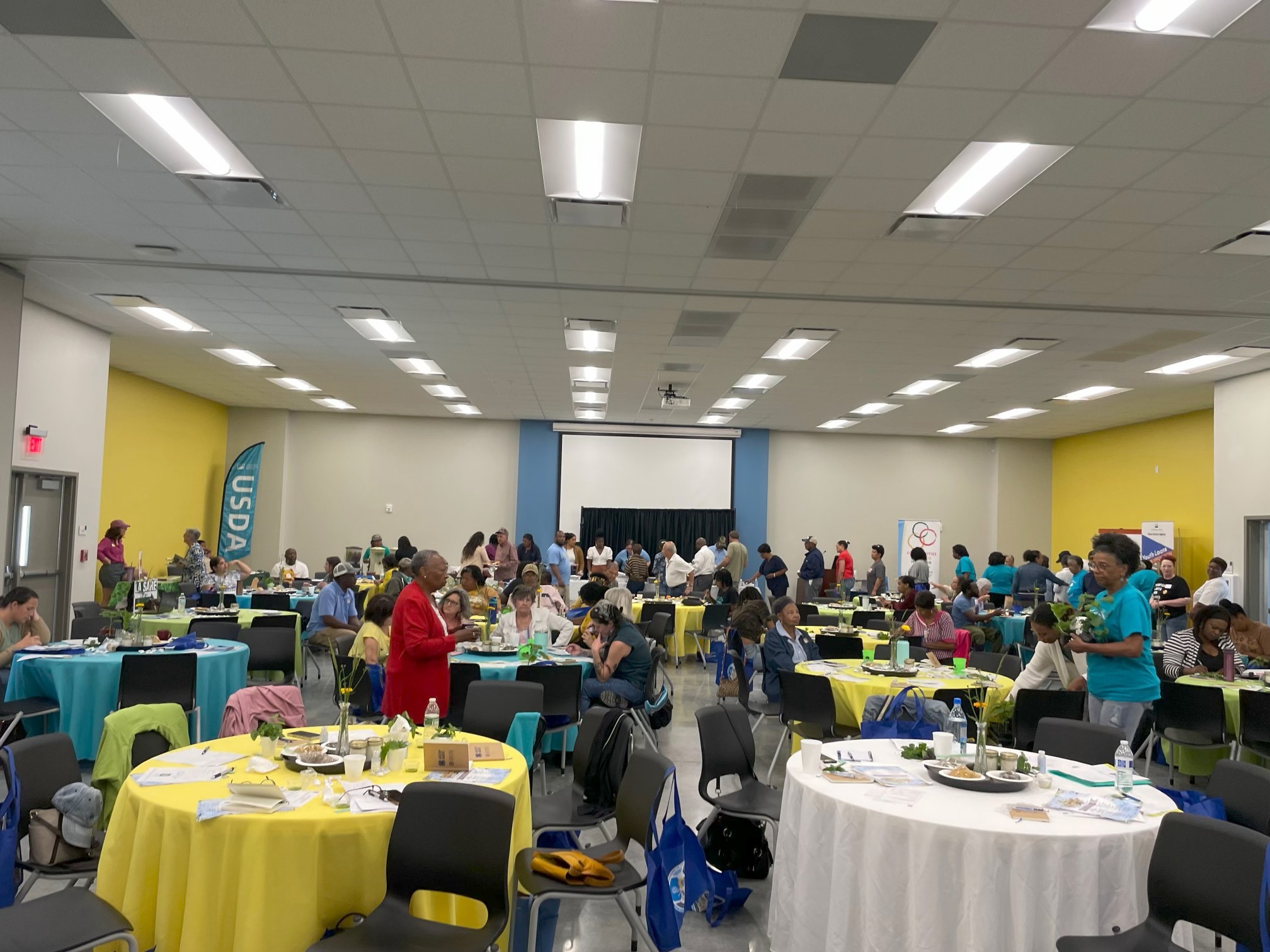

This workshop received outstanding reviews due to record-breaking registration and attendance, teamwork, event organization, and timely announcements. Because of its success, Desiree James, owner of La Vie au Soleil, Inc., has received invitations to give similar presentations and demonstrations at other events. Students selling their plants from the SU Ornamental Horticulture class could experience face-to-face market selling, reserve funding for future greenhouse supplies, and teaching activities. Participants gained multiple hands-on experiences and received copies of the presentations in their emails. SARE books and flashdrives were distributed to participants with relevant information to the workshop.

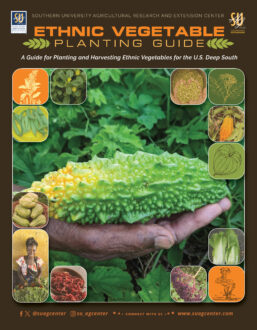
To inform the growers of Louisiana of additional vegetables that will grow in our area, which can increase revenue and expand the minds of conventional farmers to include certain diaspora to include underserved ethnic communities, increasing the reach of outreach extension.
This 50-page compendium contains common names, scientific names, country of origin, USDA Hardiness zone, Soil requirements, Climate Requirements, Uses, widely used in countries, planting dates for Louisiana, planting specifications, pest and disease management, harvesting specifications, and recipes.
The publication was submitted to Communications for graphic design and approval, received final approval, and was printed in Fall 2024. More than 400 copies were subsequently distributed to participants, stakeholders, and community members.
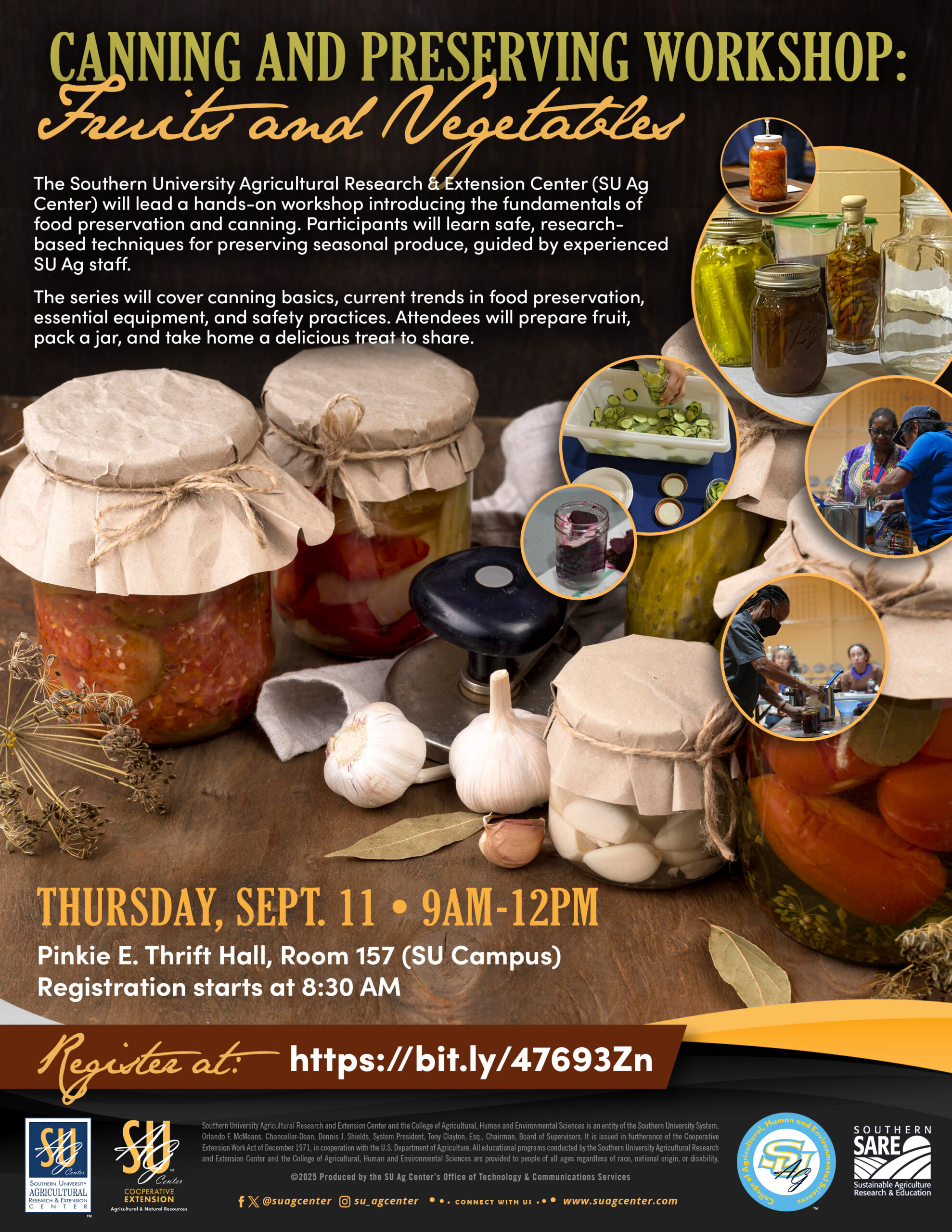
To provide participants with education and hands-on training in safe, evidence-based food preservation practices for fruits and vegetables, strengthen knowledge of food safety standards, build practical skills in canning and preserving seasonal produce, and promote the use of locally sourced foods. The objective also included supporting household food security, reducing food waste, and encouraging the adoption of healthy, cost-effective food preservation methods within the community.
The SU Ag Center and Louisiana SARE's Canning and Preserving Workshop, held on September 11, 2025, provided participants with instruction on safe home food preservation practices focused on fruits and vegetables. The session covered foundational food safety principles, including proper sanitation, prevention of spoilage, and adherence to USDA-recommended guidelines for producing safe, shelf-stable canned goods. Participants were also introduced to essential tools, equipment, and standard procedures used throughout the canning process. The workshop was conducted in collaboration with Southern University SNAP-Ed and the College of Agricultural, Human and Environmental Sciences' Nutrition Department and Center of Excellence, strengthening integrated nutrition education and food preservation outreach efforts.
The workshop included a hands-on training component that allowed participants to actively engage in preparing and preserving produce provided by local farmers. Attendees practiced key steps such as washing, preparing, packing, and processing jars using approved preservation methods. The experience reinforced safe food handling techniques and emphasized practical skills for extending the shelf life of seasonal produce while reducing food waste.
The workshop resulted in participants gaining practical knowledge and skills in safe food preservation, including proper handling, preparation, packing, and processing of fruits and vegetables using research back approved methods. Through hands-on engagement with produce provided by local farmers, attendees strengthened their understanding of food safety principles and improved their ability to apply standardized canning procedures correctly.
As a result of the training, participants demonstrated increased confidence in preserving seasonal produce at home, supporting improved food security and reduced food waste. The initiative also encouraged greater utilization of locally grown produce and reinforced the importance of safe food handling practices, contributing to healthier household food management and stronger connections between local agriculture and community nutrition education.


To educate participants on seasonal fall practices, including fruit tree grafting, garden winterization, foraging, and creative garden-based projects, to support year-round garden productivity and stewardship.
This year’s workshop, themed “Rooted in Fall,” featured guest presenters such as seasoned grafting expert Jerry Dedon and included sessions on fruit tree grafting, an interactive DIY fall décor porch presentation by Yasmyne Wells, [owner of Just Growing Here, LLC], garden winterization, foraging, a “Leave the Leaves” presentation on supporting wildlife habitats in the fall and winter, and a presentation on muscadine growing. The event brought together 108 attendees, including gardeners and farmers, for practical demonstrations, shared knowledge, and seasonal strategies to support healthy, productive gardens throughout the fall and winter months.

-
Participants gained hands-on experience in fruit tree grafting and learned techniques from an experienced elder.
-
Participants learned how to winterize gardens to protect plants and maintain soil health during colder months.
-
Participants understood the importance of “Leave the Leaves” for supporting wildlife and enhancing garden ecosystems.
-
Participants learned strategies for growing muscadines, including care, maintenance, and harvesting tips.
-
Participants discovered creative ways in real-time to incorporate DIY fall décor using garden materials

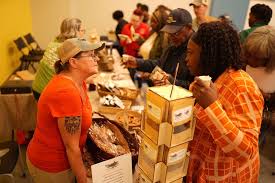

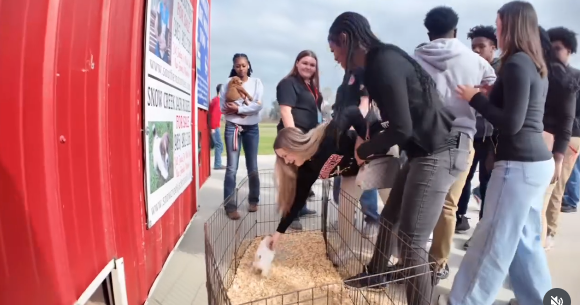
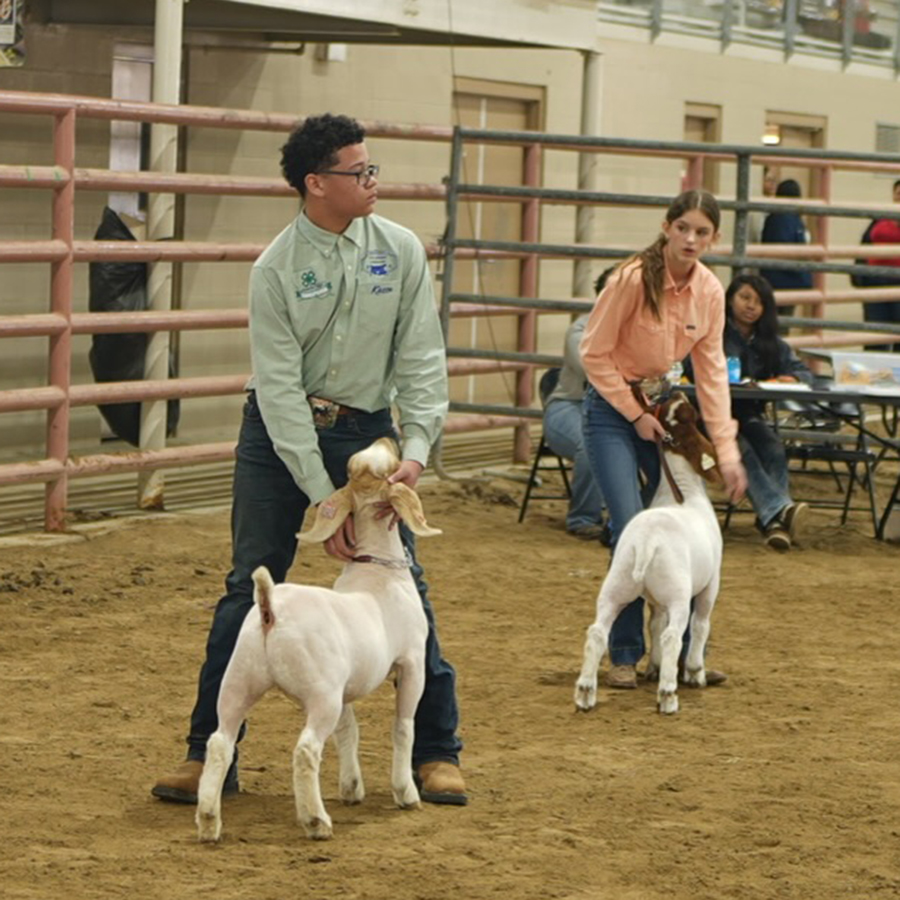
To engage K-12 students in experiential learning activities that demonstrate the connections between agriculture, STEM, food production, and community well-being while encouraging exploration of agricultural education and career opportunities.
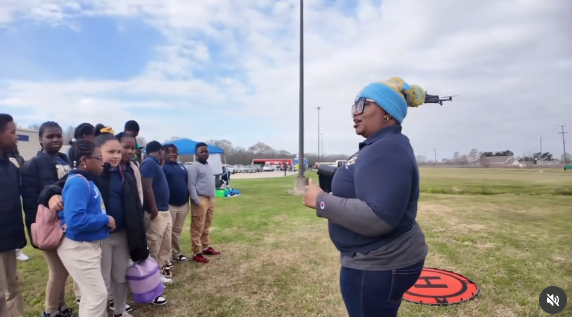
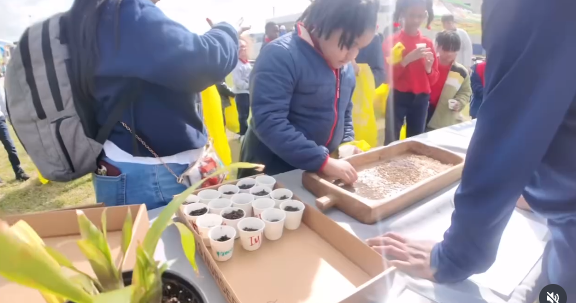
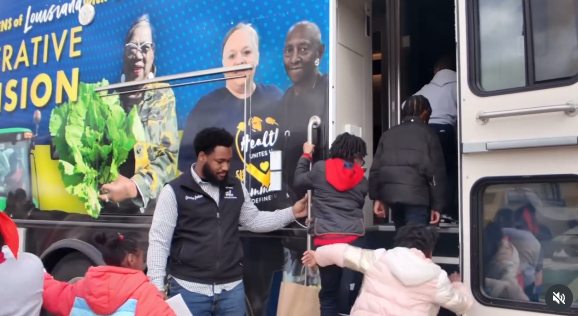
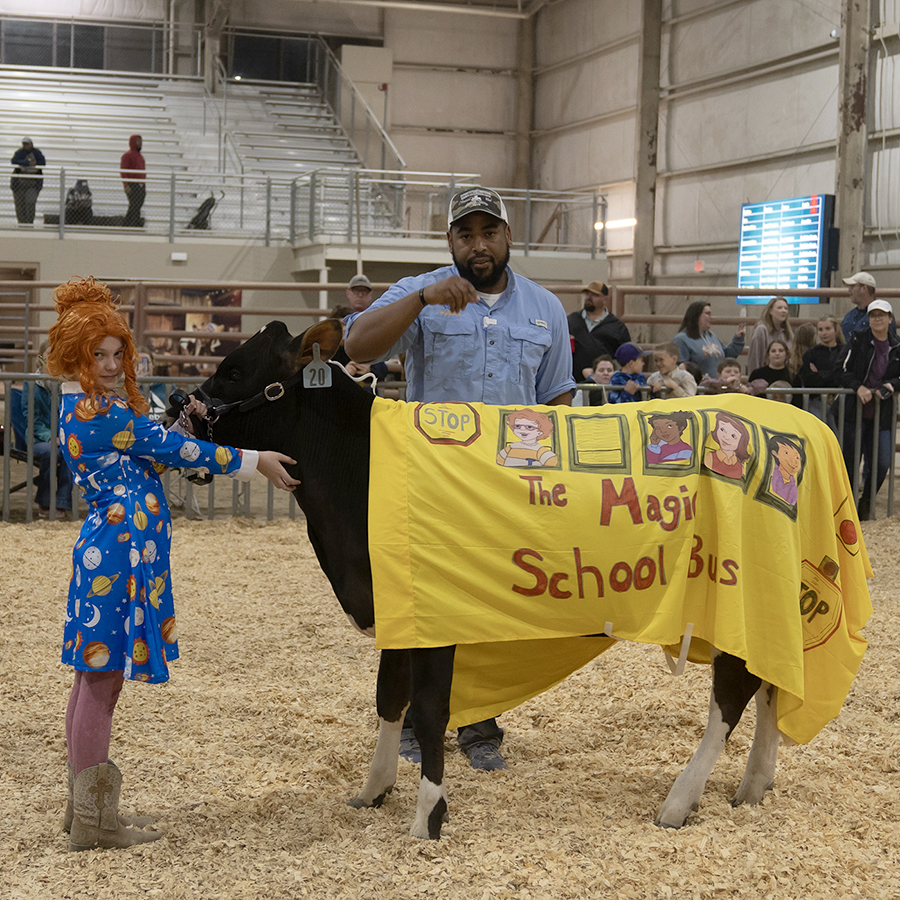
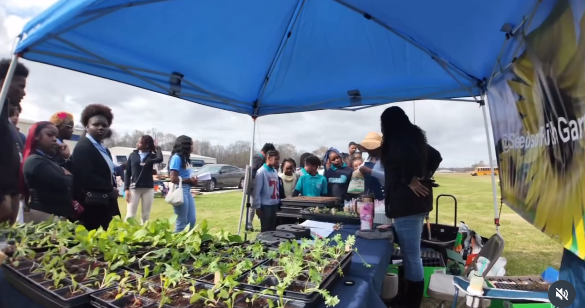
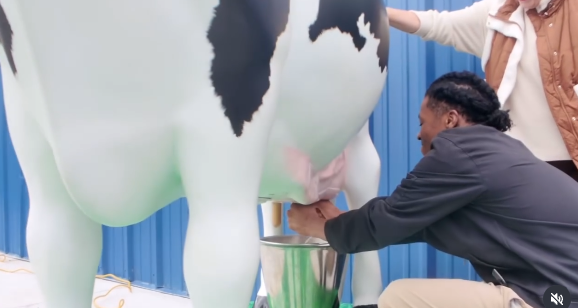
The Livestock Ag Expo, "The Ag Experience," held on February 25, 2026, provided youth with hands-on agricultural learning through interactive stations, demonstrations, exhibits, and live animal displays at the Maurice A. Edmond Livestock Arena & Multi-Purpose Building.
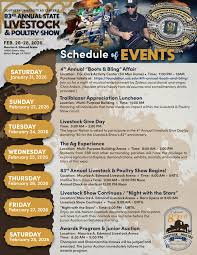
The event welcomed more than 1,200 attendees and showcased various aspects of agriculture, livestock production, and natural resource education. Participants gained increased awareness of agriculture's importance to food systems, natural resources, and career opportunities. Through direct interaction with agricultural professionals, exhibits, and livestock demonstrations, youth were exposed to diverse agricultural pathways while strengthening their understanding of the industry's role in their daily lives.
Educational & Outreach Activities
Participation summary:
Learning Outcomes
Project Outcomes
With the addition of the 1890 Program Assistant, the Southern University Ag Center has noticed more productive communication and participant retention. Both Program assistants from SU and LSU have made an effort to maintain relationships with NGO's and other organizations and support their events as much as possible.
We would like to increase communication efforts with our regional SARE contacts to coordinate with the communities we serve and to be informed of grant awardees/applicants in our state.
Face of SARE
Since the implementation of Program Assistant for Southern University, the listserv has grown to a total of +260 contacts. Terra Polite is able to attend more outreach events and promote SARE in coordination with Izzi Frank by encouraging people to sign up for email contacts and follow Louisiana SARE Social Media pages. Program Assistants have provided informational pamphlets and SARE publications on farm tours, workshops, and conferences to expand Louisiana SARE's reach. At the annual SPROUT Climate Convening at Chicot St. Park, Izzi and Terra were asked to represent SARE and provide an overview of programs, they also used this opportunity to assess the community's needs for future workshops. More students from Southern University are becoming aware of the grant opportunities that SARE can provide and have applied for Graduate Student Grants.