Final report for STN24-001
Project Information
The University of Tennessee and Tennessee State University look to continue the sustainable agriculture training the SARE program offers to Extension agents, specialists and other agriculture professionals. In meeting training needs we gather input from regional agriculture program leaders, Extension agents, program partners, producers and others, along with state co-coordinators. The program assistant will promote awareness of the SARE program, along with a secondary focus on the SARE grant programs, encouraging utilization and promotion of this program while tracking grant recipients within the state. The state co-coordinators working with the program assistant will seek to provide opportunities for more in-depth training related to sustainable agriculture. This will help to develop training with a more direct program focus. All training opportunities provided will be in-line with the overall mission of SARE.
We will work with agriculture professionals that find other training opportunities to participate in as long as these trainings relate to the mission of SARE. These will be treated on a case-by-case basis and the determination of these trainings in meeting the mission of SARE will be determined by the state co-coordinators and the program assistant. All trainees will be required to report on their training opportunities so program impact can be determined and reported. Impacts will be provided in the annual SARE report and the Extension reporting areas. Department information sheets will be developed on major program impacts/research.
We wish to re-vamp our advisory committee to include new members and others willing to assist with program planning and promotion.
- SARE Promotion of Agriculture Planning Days, Professional
Development Association Meetings, and other events to promote the
TN SARE Program – Opportunities to promote, educate and offer
ideas about the SARE program in TN are valuable to continue to
expand the program. These planning days and events will be used
to accomplish these goals. Reports on previous sustainable
agriculture programs conducted, giving Extension Agents the
opportunity to speak about their sustainable agriculture
opportunities, and our SARE display at these meetings and events
will be helpful in promotion of SARE. Included in this
budget is travel expense for the Program Assistant to attend
these events. - Sustainable Agriculture Trainings for Agriculture
Professional will provide an opportunity for up to six
professionals to attend sustainable agriculture trainings - these
trainings will feature the Pick TN Conference and a 2-day farm
tour of sustainable agriculture farms in Tennessee. Farms
to visit will represent a cross-section of various sustainable
agriculture enterprises. This tour may be done on a
regional basis over the next three years, or just various places
across the state. These visits will provide agriculture
professionals the opportunity to see and learn from these
different farm ventures. - These educational opportunities for agriculture professionals
will focus on trainings designed by the SARE program assistant,
such as the Sustainable Agriculture Training held annually the
day before Pick TN. The second day of this training is held
at the Pick TN Conference and allows agents to spend one day at
the conference learning about different subjects relating to
sustainable agriculture. Various speakers include Extension
personnel, industry representatives and producers. Other
professional opportunities will be considered for trainees to
attend such as the SOWN Conference (the new SSWAG to begin in
2025), the Southeast Regional Fruit and Vegetable Conference, as
well as other closely related trainings and activities. - In each of these areas we will work with Tennessee State
University to reach Extension Agents and Specialists who may have
an interest in these training and professional development
activities.
Advisors
- (Educator)
- (Educator)
- (Educator)
- (Educator)
- (Educator)
- (Educator)
- (Educator)
- (Educator)
- (Educator)
- (Educator)
Education
The primary audience for the professional development educational trainings will be County Extension Agents, Subject Matter Specialists, and other professional agriculture professionals in Tennessee. This group of trainees is well-positioned to transfer information learned about sustainable agriculture practices to farmers and landowners in local communities. The Professional Development Program (PDP) is based upon the traditional method of "Train the Trainer," which has proven to be an effective model with the SARE Program.
Education & Outreach Initiatives
To teach participants the basic needs in starting a community garden including land, operating funds and labor resources.
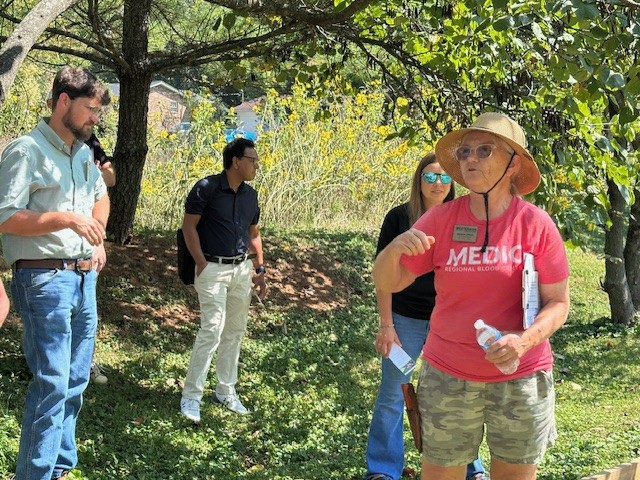
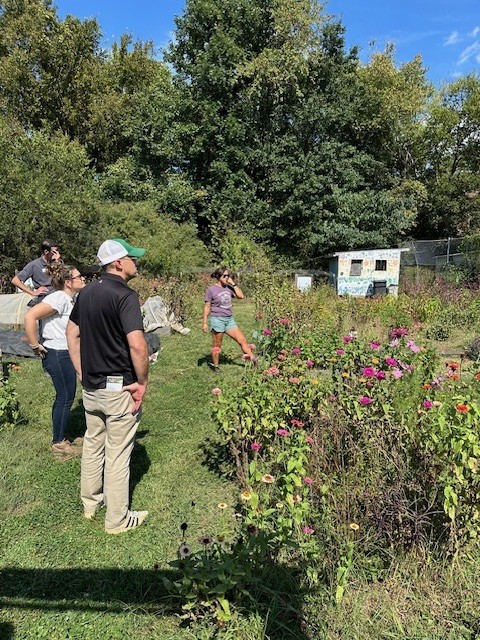
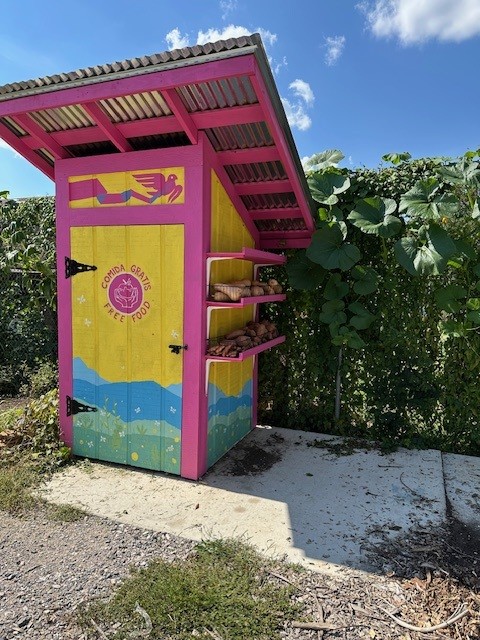
Participate in professional development tours conducted at two local non-profit community gardens. Visits will be made to the Concord Community Garden and the Beardsley Community Farm in Knoxville, Tennessee.
A total of 18 participants, made up of nine members of the SARE Advisory Committee, five SARE program coordinators and assistants and four county Extension ANR agents met in Knoxville on September 17, 2025 to participate in tours.
Information learned:
- First Steps – Obtain soil map of the planned space; conduct soil sampling; become familiar with zoning requirements especially if garden/space is located within the city limits.
- The need for community involvement to include youth groups, Extension, Master Gardeners and other volunteers or include apprenticeship programs to make sure the project can be managed properly.
- A realization of the amount of food produced in these settings and the thousands of pounds of fresh produce readily made available for those in need of these items.
- One garden provided space for refugee gardeners giving them the ability to produce food products with which they are more familiar.
Post Event Follow-up Comments:
- Agent has had the opportunity to share knowledge and found the event useful to see how other urban counties are working with food systems and community gardens.
- Knowledge learned has been shared with parks and recreation and a senior citizens center director. Also, shared with low income housing leaders who have community gardens at their locations.
The SARE Advisory Committee is an essential part of the state’s successful sustainable agriculture endeavors. The committee’s primary purpose is to provide support and guidance for the model state annual training program by providing insights from the trainee and farmer perspective in order to assist in producing effective trainings targeted to local/state needs.
The SARE Advisory Committee will do the following:
- Serve as an on-going focus group to help identify needs, trends and solutions for Extension outreach in the Sustainable Agriculture program space.
- Serve as an advisory team for the Tennessee SARE State Coordinators and Program Assistants in the identification of program priorities.
- Serve as the primary planning team for an annual or biennial ‘sustainable agriculture educational training tour’ for Extension Agents, Industry Partners and other leaders in a training role.
A total of 14 participants, made up of nine members of the SARE Advisory Committee and five SARE program coordinators and assistants met in Knoxville on September 17, 2025.
As a result of the meeting, the following action steps were developed:
- Encourage/invite SARE advisory committee members to attend the SE Regional Fruit and Vegetable Conference.
- Ask Extension ANR regional program leaders to consider having a “TN SARE” segment on their ANR Program Planning Day for agents to share what they learned in a recent SARE-funded training program.
- Develop sub-committees of the advisory committee to develop specific possible group tours, excursions and field trips to events and trainings.
- SARE Advisory Committee members receive the TN SARE Newsletter.
- Develop and discuss guidelines for an inner-state county ANR agent ‘exchange’ program with Extension ANR regional program leaders.
- Consideration for future meetings of the TN SARE Advisory Committee.
For participants to learn about horticulture, hops, turfgrass and organic agriculture.
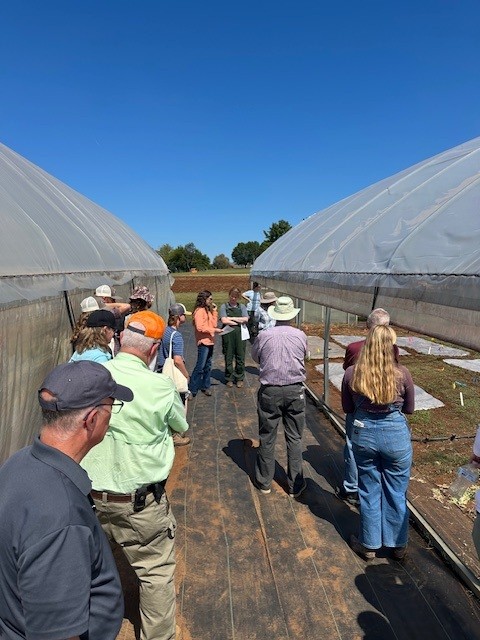
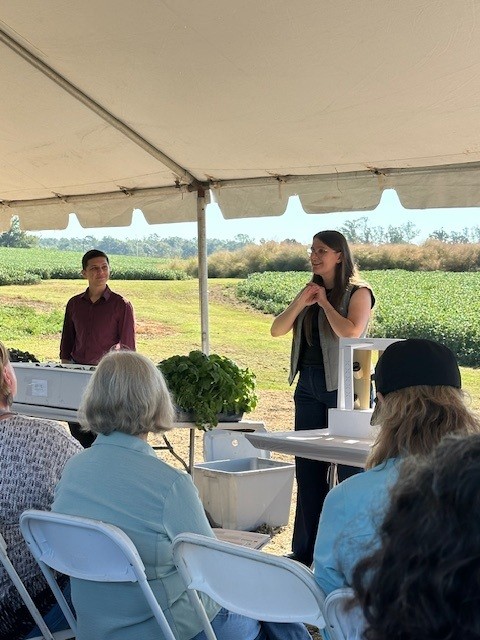
For participants to explore exhibitor booths and equipment displays, attend educational sessions and a special tour of the Plant Sciences Research Farm.
A total of 9 participants, consisting of four SARE Advisory committee members and five other SARE-sponsored trainers joined the nearly 200 attendees at the UT Hort, Hops and Crops Field Day at the East Tennessee Research and Education Center on September 18, 2025.
Participants learned about the following subject areas:
- Eucalyptus for Terpene Production and Sustainable Aviation Fuel
- Leaves contain terpenes (essential oils) that can be distilled
- Terpenes can be converted into renewable jet fuel – reducing dependence on fossils fuels
- Cover Crop Resources
- Species Selection and Seeding Rates
- Variety Selection
- Nitrogen Calculator
- Economics Tool
- Soil Health and Weed Management in Organic Grain Systems
- Building Fertility and Controlling Weeds
- Solarization in High Tunnels to Control Weeds
Hydroponics – What to Consider in Producing a Crop
To bring farmers and agriculture professionals together to test equipment, see innovations in mechanical weeding for specialty crops and attend a trade show.
Participants will test and learn about mechanical weed control equipment, tool adjustment and new technologies for organic/specialty crops.
With over 150 participants attending the Kentucky Mechanical Weed Control Field Day in Lexington on September 23, 2025, there were seven Extension agents representing Tennessee in attendance.
Information learned at the field day:
- Weed control information related to weeding tool designs, components, and stale seedbed techniques.
- Live equipment demonstration of a dozen or more 2-wheel and 4-wheel machines with the opportunity to utilize one for hands-on training.
- Guided tour of research plots which included cut flower production and plants used for dyes.
- Well-organized trade show with vendors from across the U.S. displaying hand tools, soil mixes, irrigation equipment, and several different weed control systems.
Post Event Follow-up Comments:
- The field day was highly recommended by the agents that attended and thought it might be worth duplicating at one of our research farms in Tennessee.
- Knowledge has been shared with smaller farms. The program was geared towards small vegetable farms.


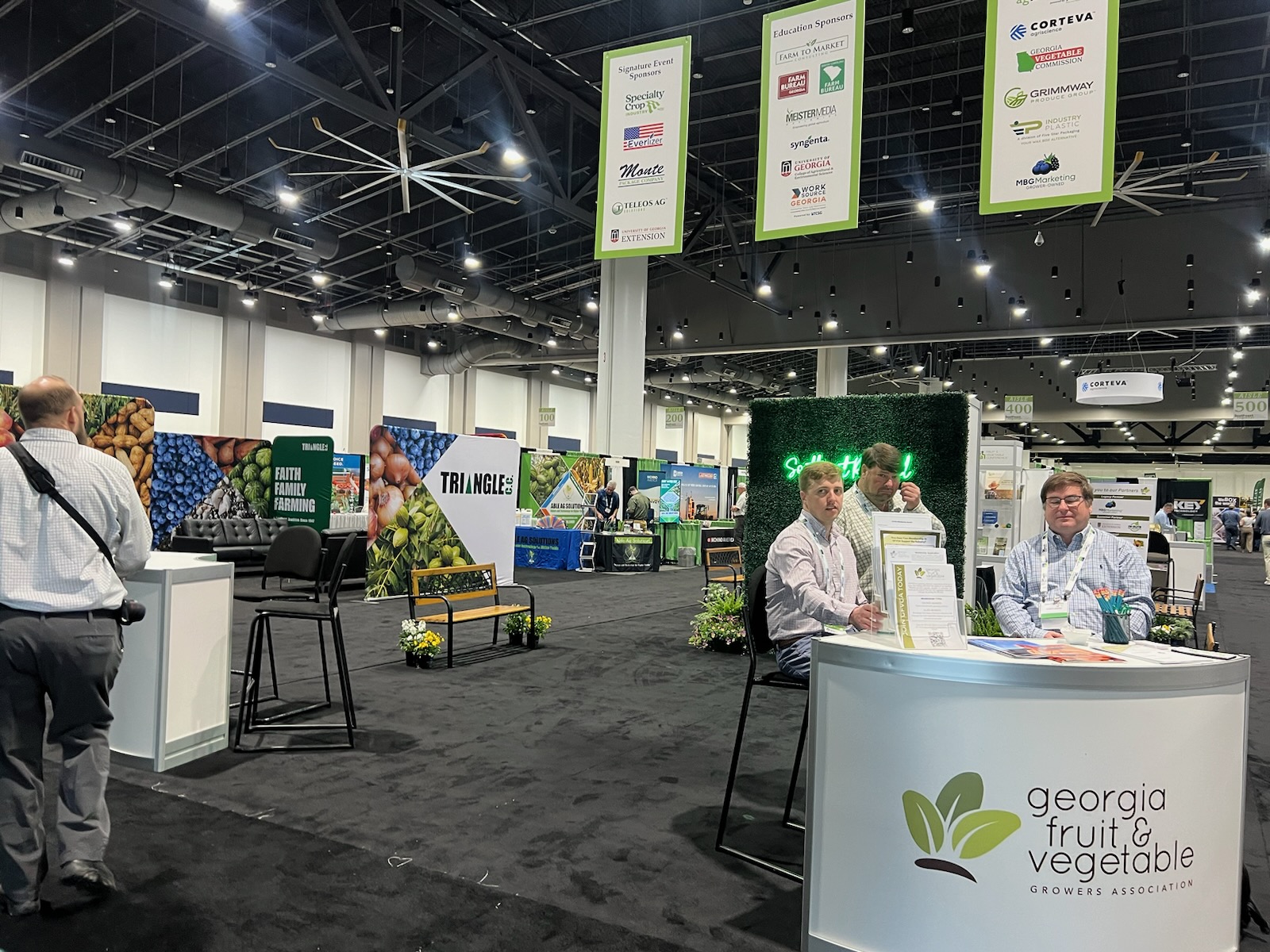
The conference will provide participants numerous educational sessions featuring the latest innovations, research, and hands-on strategies for better efficiency, profitability, and sustainability of the production and marketing of fruit, vegetable, nut and specialty crops in the Southeast. In addition, the conference will feature a large trade show of educational and commercial exhibits for the fruit, vegetable, nut and specialty crop industry.
Sessions at the conference will focus on helping attendees learn how to turn precision into better yields and challenges into progress. The conference will allow attendees to connect with industry leaders and growers and showcases the latest technology, trends and research of the region’s produce.
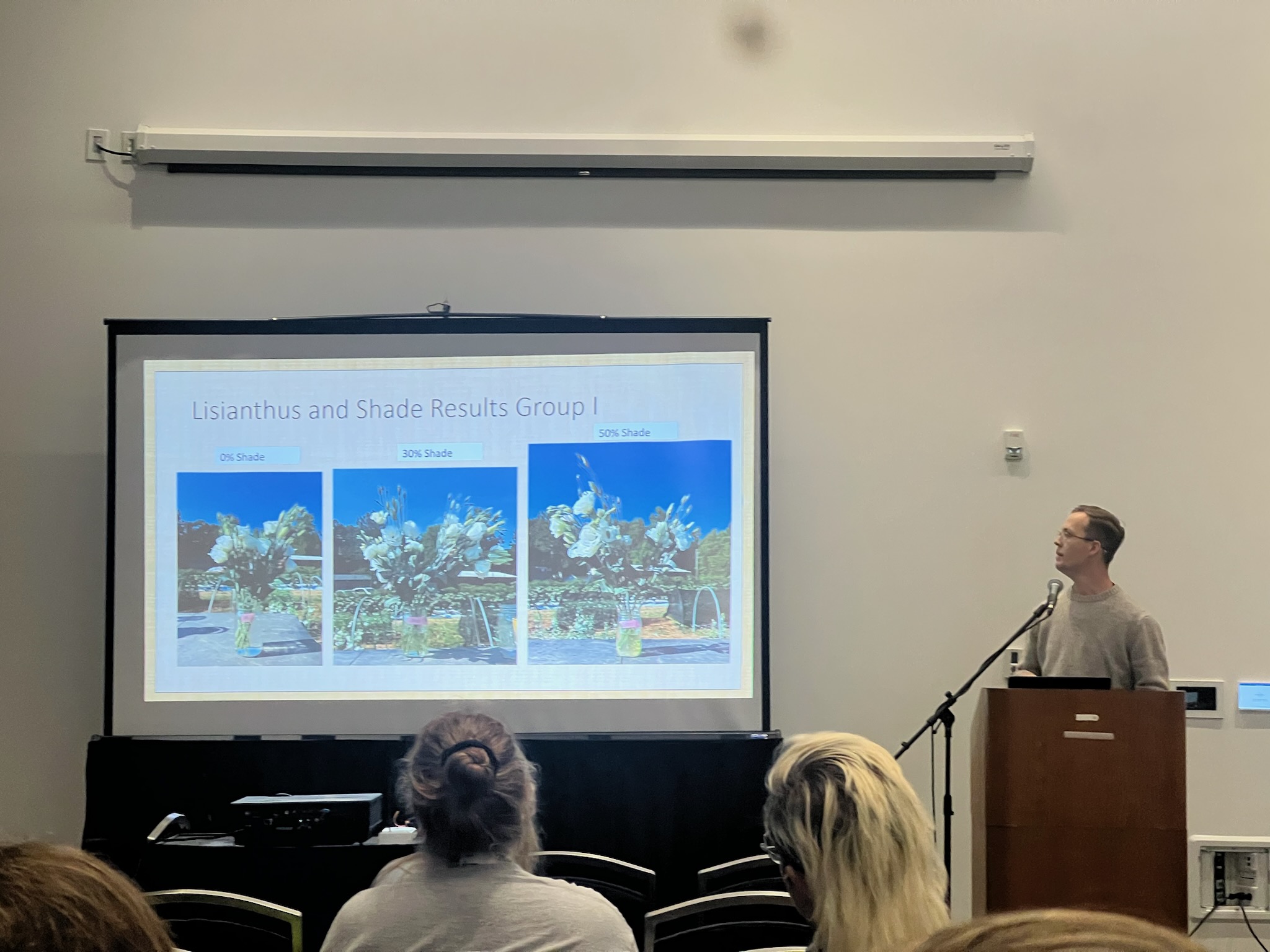
Of the approximately 3500 conference attendees, two agriculture professionals from Tennessee attended the Southeast Regional Fruit and Vegetable Conference in Savannah, Georgia on January 8-10, 2026 for professional development training for Tennessee SARE – one is a County Extension Agriculture Agent and the other an employee of USDA FSA and a member of the TN SARE Advisory Committee. The following is a summary of what these two attendees reported learning/experiencing at the conference:
- Production updates on blueberry, fig, cut flowers and other specialty crops
- Research results of new sprayer technology (Smart Spray) and plasticulture production
- Updates on pre- and post-emergence spraying systems
- Live spray demonstrations
- Updates on market trends and consumer interests
- Valuable networking time with horticulture agent and industry representatives
Post Event Follow-up Comments:
- Has used knowledge learned with producers.
A conference for the specialty crop industry, offering cutting-edge sessions, hands-on workshops and networking opportunities. A place where the produce community can come together and share their knowledge with others by swapping ideas, networking and learning about the reality of their work. The conference reflects on the commitment of strengthening the state’s horticulture industry.
A two-day conference with more than 75 speakers focused on learning about fruit, vegetable and cut flower production, handling, harvesting, marketing, storage and related topics.
Of the more than 500 attendees at the conference, one county Extension agent from Tennessee attended the 2026 Kentucky Fruit and Vegetable Conference in Bowling Green on January 11-13, 2026. The following is a summary of what the attendee reported learning at the conference:
- Educational sessions on business management, advanced vegetable production, beginning farmer, fruit and nut crops, greenhouse, organics, and cut flower
- A key program the state of Kentucky offers and would be great for Tennessee is a tax incentive for sustainable agriculture. It allows tax breaks for those purchasing agricultural land who would like to continue agricultural production, to try to bridge the land market gaps
- Risks and approaches to the rise in neo-p, adapted markets for unique produce, and additional resources for niche product sales
- Opportunity to talk to a Kentucky ANR agent and discuss some insight into their regional system. They had less consistency across the state than Tennessee and had greater program variability
Post Event Follow-up Comments:
- Agent benefited from the contacts and programs while at the event. Has used novel fruit approaches with local producers.


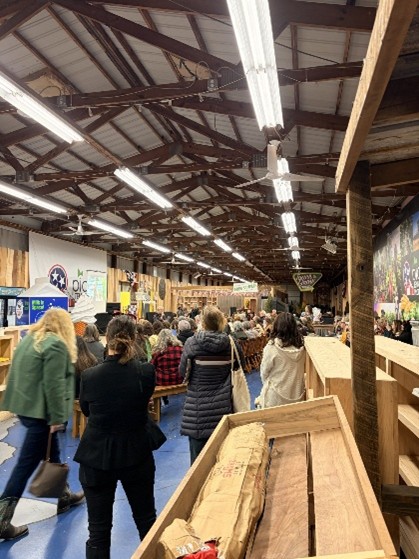
A conference designed to educate Tennessee producers, growers, farmers, educators, and industry partners and strengthen community ties across all 95 counties. It is also a meeting place for leaders, learners, innovators and families to continue to learn about the state’s agriculture. In addition, there are nearly seventy exhibit partners who provide direct access to equipment, tools, products and services for farm operations.
A gathering place for farmers, agritourism operators, value-added producers and agricultural partners in Tennessee while providing educational programming and networking to grow and sustain agriculture. The conference boasts over 120 educational sessions on such things as Horticulture, Nurseries and Greenhouse Operations, Value-Added Agriculture, Specialty Crops, and Farm Business Planning.
Of the more than 1,000 participants at the conference, 13 county Extension agents from Tennessee attended the Pick Tennessee Conference in Lebanon on January 15-17, 2026. The agents stated thoughts on potential trainings for cut flower production, homesteading, safety, business planning and forestry. Networking with other organizations, producers, and fellow Extension agents was very beneficial. The following is a summary of what the attendees reported learning at the conference:
- Sessions addressed core focus areas of UT Extension, including soil health, nutrient management, integrated pest management, crop diversification, marketing education, farm resilience and regulatory compliance.
- Marketing, farm viability and community engagement sessions reinforced Extension’s role in supporting whole-farm sustainability. These concepts will be used to help producers strengthen farm branding, identify alternative income streams, and explore local and institutional markets through workshops, producer spotlights, and collaborative programming with community partners.
- Several sessions that strengthened the agents understanding of broader policy, regulatory and resilience issues.
- Education on grazing safe pollinator habitats for apiary farmers and how to increase yield of cost effectively through beekeeper partnerships.
- Updates and clarification on the Tennessee Cottage Law and how they affect direct to consumer farmers.
- Programs focused on practical production strategies for small-scale growers and specialty crop producers in climates similar to Tennessee.
Post Event Follow-up Comments:
- Understanding the importance of applications in the nursery industry made one participant realize they needed to become more involved in expanded learning and different agriculture techniques.
- A county agent hosted a value-added series and used information learned at this event.
- Information learned was shared with a farmers market manager to share with producers.
- Trainings were conducted based on the pollinator, cottage law and fruit information learned at this event.
- A four-part cut flower gardening seminar was created after this event, with 16 attending

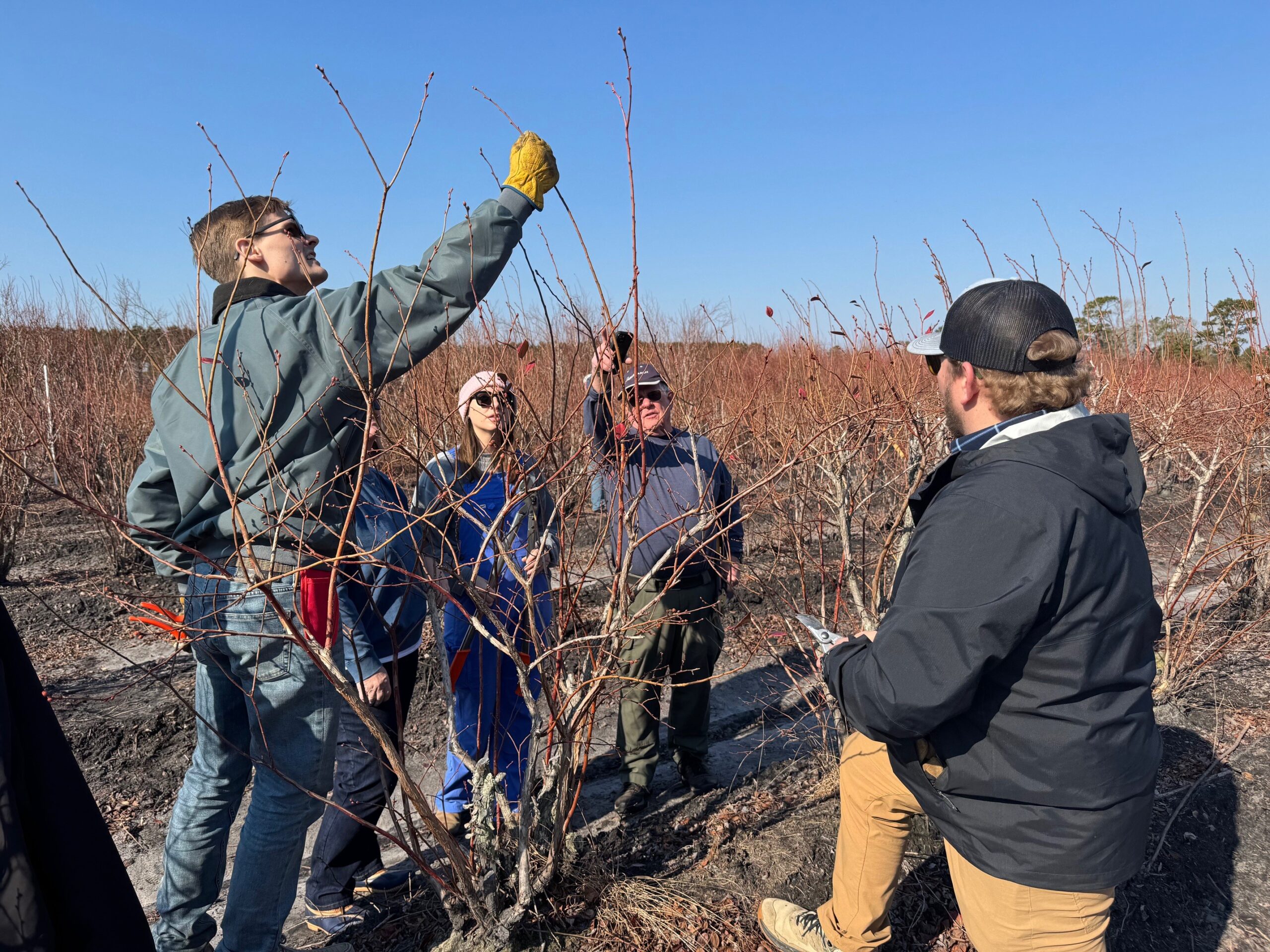
A training opportunity to learn pruning techniques and use an assortment of manual and electric pruning tools.
The sessions for this training include hands-on winter and summer pruning methods, the dos and don’ts of establishing new vines, instruction on cultivars, site selection, and trellising.
Forty participants attended the Southern Region Small Fruit Consortium Fruit Pruning Training in Castle Hayne, North Carolina on February 10-11, 2026. There were agents from nine states represented. Tennessee had six county Extension agents attending with one being funded by SARE. The following is a summary of what the attendee reported learning at the training:
- Hands-on experiences throughout the training from grapes and muscadines to blueberries and cane berries
- Focus on small fruits is invaluable as many of the smaller producers and residential growers in Tennessee have much better success growing small fruits than pome and stone fruits that are more difficult to manage
- Pruned both highbush and rabbit eye blueberries in a native soil pH of 3.9. This extremely acidic soil is perfect for blueberry production and another reason why blueberries in Rocky Top may thrive with acidic soils throughout
- Pruned three different cultivars of muscadines and was able to utilize electric assist pruners that many of us found slow to use, but could be quite helpful for an individual seeking convenience
- Visited a producer’s annual raspberry production system that costs $90,000 per acre with two canes per container and fertilizer monitored daily. In the attendee’s county this is considered to be a rural and suburban area, many clients that they interact with hope to produce fruit for themselves with a dedicated few that focus on yields towards a niche market at the local farmers markets
Post Event Follow-up Comments:
- Agent has conducted two formal pruning demonstrations with 39 Master Gardeners and 12 individuals since the event.
The sessions and tour will provide valuable insight that will help strengthen programming and outreach efforts related to soil health and conservation practices.
A conference of thought-provoking talks, dynamic panel discussions, demonstrations, networking and exploring cover cropping in action with a farm tour. This conference targets producers and Extension agents that produce and work with cover crops.
Two county Extension agents from Tennessee out of the over 200 participants, attended the Southern Cover Crops Conference in Gainesville, Florida on February 25-26, 2026. Information gained from this conference provided updated recommendations and educational programs on cover crop management for the agents to share with their local producers. There were practical examples from the farmer panel and from the farm tour. Some of the presentations were helpful in preparing for one-on-one consultations with producers to help them better understand the benefits and management considerations of cover crops. The following is a summary of what the attendees reported learning at the conference:
- Recommended best management practices for implementing cover crops in southern row crop production systems.
- Presenters discussed species selection, planting windows, and termination timing to maximize soil health benefits while minimizing impacts on cash crop yields.
- Advancements in planting equipment and establishment techniques.
- Speakers discussed improvements in drill technology, high-clearance seeders, and inter seeding methods that allow farmers to establish cover crops earlier in the season.
- Learning about these technologies will help provide producers with updated information on options for improving stand establishment.
- Producers shared their personal experiences with cover crops, including challenges and lessons learned.
- Key takeaways included starting small, selecting species that match management goals, and adjusting fertility and herbicide programs accordingly. Hearing directly from farmers provided practical perspectives that can be valuable when discussing adoption with local producers.
- New planting rates and regional best management practices to encourage adoption of cover crops as a tool for improving soil health and long-term sustainability in row crop systems.
Post Event Follow-up Comments:
- Agent shared information at a row crop and livestock producer meeting about the different methods of using cover crops to improve soil structure, infiltration rate, weed suppression and using livestock on cover crop fields to graze during the winter months.
This in-service training will provide an overview of lessons learned in pasture recovery and riverbank restoration following Tropical Storm Helene.
An in-service training for Tennessee Extension agents with an on-site farm visit at the Will Runion Farm in Limestone, TN.
Of the seven participants one county agent attended the Upcoming Track 2: Flood Recovery In-Service Training on May 12, 2026 in Limestone, Tennessee. The following is a summary of what the attendee reported learning at the training:
- Successful recovery requires site-specific decisions that account for soil type, degree of deposition, and existing stand condition.
- Reestablishing forages remains challenging, particularly where sandy storm deposits have led to soil crusting and lower fertility.
- Thoughtful use of supplemental fertility plays a critical role in re-establishment. In particular, fertility options with more extended-release characteristics can support more consistent early growth, improving stand establishment in stressed or marginal conditions while helping rebuild productivity over time.
- The importance of integrated soil management and fertility strategies rather than relying on a one-size-fits-all approach for post-Helene forage recovery.
Participants will have sessions and demonstrations presented by UTIA researchers and UT Extension experts on topics that range from turf and landscape weed management, pest management for herbaceous and woody plants, and herbicide and fertilizer application. One session will focus on the current state of the Green Industry.
A field day hosted by the University of Tennessee Institute of Agriculture and the Tennessee Nursery and Landscape Association. Participants will enjoy a variety of sessions that will begin at the UT Gardens Friendship Pavilion and end on the UT Institute of Agriculture campus.
Over 60 participants attended the Green Industry Field Day with one county agent having the opportunity to learn useful information from growers, landscape professionals and Extension educators. During this field day the following knowledge was gained:
- Research being conducted regarding automated irrigation vs manual irrigation.
- Discussion regarding capturing container leaching and nutrient loss due to the inefficiencies of manual watering vs calculated automated watering.
- Water being applied to plants may be excessive and costly.
- Growers overlooking the lost dollars of applied nutrients that are leached from containers due to inefficient/excessive watering.
Educational & Outreach Activities
Participation summary:
Learning Outcomes
Project Outcomes
The agents who attended the Kentucky Mechanical Weed Control Field Day highly recommended that this may be worth duplicating in Tennessee.
Face of SARE
The SARE program is a great benefit to agents, specialists and agriculture professionals in Tennessee as it provides them a means to increase their knowledge of sustainable agriculture. This is done by allowing a number of travel scholarships to agents/specialists/ag professionals, where they can learn first-hand by attending conferences, workshops and farm tours covering a wide array of learning opportunities. The need is to branch out more to other agriculture professionals other than Extension to promote teaching, training and application of sustainable agriculture practices to producers. The promotion of the SARE program in Tennessee has this year and will continue to be done in the following ways:
- Agent In-Service Trainings
- Annual Regional/State Agents Professional Association Meetings
- Personal and Group Emails
- Individual Visits with Agents/Specialists
- Farm Visits
- State Website
- Promotional Banners and Exhibits at Trade-Shows, Agent In-Services and Planning Meetings
- Efforts are made to exhibit a seamless SARE program that includes Extension Personnel from the University of Tennessee and Tennessee State University and to continue these close working relationships.