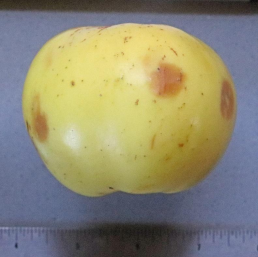
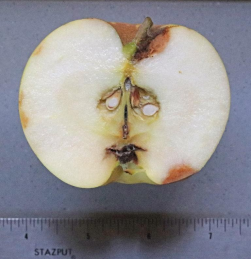
Progress report for WLED25-026
Project Information
Modoc Harvest has been working since 2016 to renew interest in Modoc County’s heritage fruit orchards. Located in California’s remote northeast, Modoc County is home to historic fruit trees that embody the area’s agricultural legacy and offer invaluable genetic diversity. However, these trees face threats from neglect, shifting land use, and limited expertise in their care. Time is running out to save these trees, the fruit varieties, and the stories that surround their origin and cultivation.
The Heritage Fruit Tree Project, a Modoc Harvest initiative, aims to preserve and revitalize these regionally-adapted varieties by fostering hands-on community engagement. Building on successful ongoing grassroots efforts to locate and catalog local heritage orchards, the project seeks to support the long-term care and survival of these unique trees. By offering educational opportunities in grafting, pruning, variety identification, and orchard planning, the project encourages residents to gain practical skills that benefit both the trees and the local ecosystem. This approach aligns with the project’s goal of promoting sustainable practices and highlighting the role heritage fruit varieties play in biodiversity.
The Heritage Fruit Tree Project also recognizes the potential for these trees to strengthen local food security by increasing the availability of climate-adapted fruit varieties to local growers. Partnering with local experts, orchardists, the Pit River Tribe, and the local extension office, the project is designed to share knowledge across the community and offer timely training that respects the seasonal needs of the trees. By building a network of informed caretakers, the Heritage Fruit Tree Project hopes to preserve Modoc County’s heritage orchards as lasting resources that contribute to a more resilient and diverse local food system.
Increase Awareness of Our Shared Legacy: we want to help the community see how important our heritage orchards can be to our regional food system. By sharing the history and significance of these trees, we hope more people will feel connected to this “shared legacy” and inspired to help preserve it. Our goal is to reach 100 local residents through educational outreach, helping them see these trees as a link between Modoc’s agricultural past and its future.
Boost Practical Skills for Orchard Stewardship: we will give 90 farmers, ranchers, and landowners the hands-on skills they need to care for heritage fruit trees. Through workshops in grafting, pruning, variety identification, and orchard planning, participants will learn how to keep these trees healthy and productive, tackling the common barrier of not knowing where to start, while developing marketable skills.
Increase The Number, And Productivity, Of Local Orchards, supporting more resilient orchards and expanding Modoc’s capacity to produce local fruit, strengthening its local food system
Create A Social Network Of Learning And Knowledge-Exchange: we will collaborate with 2 local tribes, as well as landowners and organizations that also care about these heritage tree varieties to build a network of people who want to see these orchards thrive.
Increase The Economic Vitality Of The County By Creating In-Demand Skills, empowering at least 2 participants to pursue self-employment and business opportunities in horticulture, contributing to Modoc’s economic resilience.
Many of the heritage fruit trees in Northeastern California’s Modoc County face threats from neglect, changing land use, and limited local expertise. These trees, including apricot, apple, elderberry, and many others, were introduced by early settlers and have since adapted to the area’s high desert climate, becoming part of its agricultural landscape. They are more than just trees, they’re living representations of the resilience and resourcefulness of the early homesteaders who first cultivated this land (Farmer, 2013; Sanford, 1996). The orchards, especially those with apple trees, were a key component of early homesteads in California, with different varieties selected for hardiness, flavor, and versatility in cooking and storage.
We’ve seen an increasing number of requests from residents wanting to get involved in finding and preserving old apple and other fruit varieties that the early emigrants left in this area. However, limited access to resources such as specialized tools, training, and technical support has made orchard care a challenge. With a small population and limited agricultural infrastructure and market access, many residents simply don’t have the opportunity to learn these skills. This project offers people the chance to learn about sustainable practices that reduce dependence on commercial fruit varieties while keeping Modoc’s agricultural heritage alive.
By teaching people how to care for these unique tree varieties and to perfect the skills required to help fruit trees of any kind thrive, we’re helping preserve a valuable part of the county’s past while strengthening its future food security and sustainability by opening up new opportunities for local food production and income generation.
Through this project, we will expand our offerings of hands-on workshops to teach community members how to prune, graft, and identify different fruit tree varieties. By providing these practical skills, we’re helping ensure that these trees will keep contributing to Modoc’s food systems and genetic diversity for years to come.
Local expertise in caring for fruit trees is limited and pruning and grafting need to be done at specific times of the year, so we’ll carefully schedule workshops during the best times for tree care and work with experienced orchardists to guide the process. There are factors that could influence the success of the project, mainly participants being discouraged by grafts not working, or intense weather affecting workshop turnout. To address these setbacks, we'll provide ongoing support and flexibility to ensure participants stay engaged and motivated.
Year 1
Q1 (April - June):
Activities: Purchase tools and materials, conduct mentor training. Continue the work of surveying heritage trees– cataloging will not be done until fall when fruit is available to study.
Expected Outcomes: DNA samples collected from at least 20 trees
Q2 (July - September):
Activities: Continue tree cataloging and set up project exhibits at the Modoc County Fair and Modoc Certified Farmers Markets for community engagement.
Expected Outcomes: Increase community awareness and involvement through public outreach efforts. Survey and catalog 20 trees, further expanding the project’s tree database. (These surveys are key to creating a detailed record of our local heritage fruit trees, capturing information about each tree’s age, health, unique traits, and how well it’s adapted to Modoc’s climate. By understanding what makes each tree special, we can focus on growing the ones that thrive best here.)
Q3 (October - December):
Activities: Continue surveying and cataloging of trees, Conduct pruning workshops, mentor check-ins
Expected Outcomes: Refined resources, refined mentor support system, 30 participants gained hands-on experience in proper pruning techniques, 40 additional trees identified and documented.
Q4 (January - March):
Activities: Complete end-of-year evaluation and reporting, incorporating participant feedback to update and refine the next year’s workshop plan, host grafting workshops
Expected Outcomes: Acquisition of rootstocks, 36 participants (based on previous grafting workshops held in 2019, 2020 and 2024) trained in various grafting techniques (whip and tongue, cleft or bench grafting techniques), distribute 2 grafted trees to each participant Comprehensive report on activities and outcomes, adjustments for Year 2.
(For Years 2 and 3, the cycle will follow a similar structure, adjusting to build on the successes and feedback from previous years.)
Cooperators
- - Producer
- (Educator and Researcher)
- (Educator)
- - Producer
- - Producer (Educator)
- (Educator and Researcher)
Education & Outreach Initiatives
Increase Awareness of Our Shared Legacy
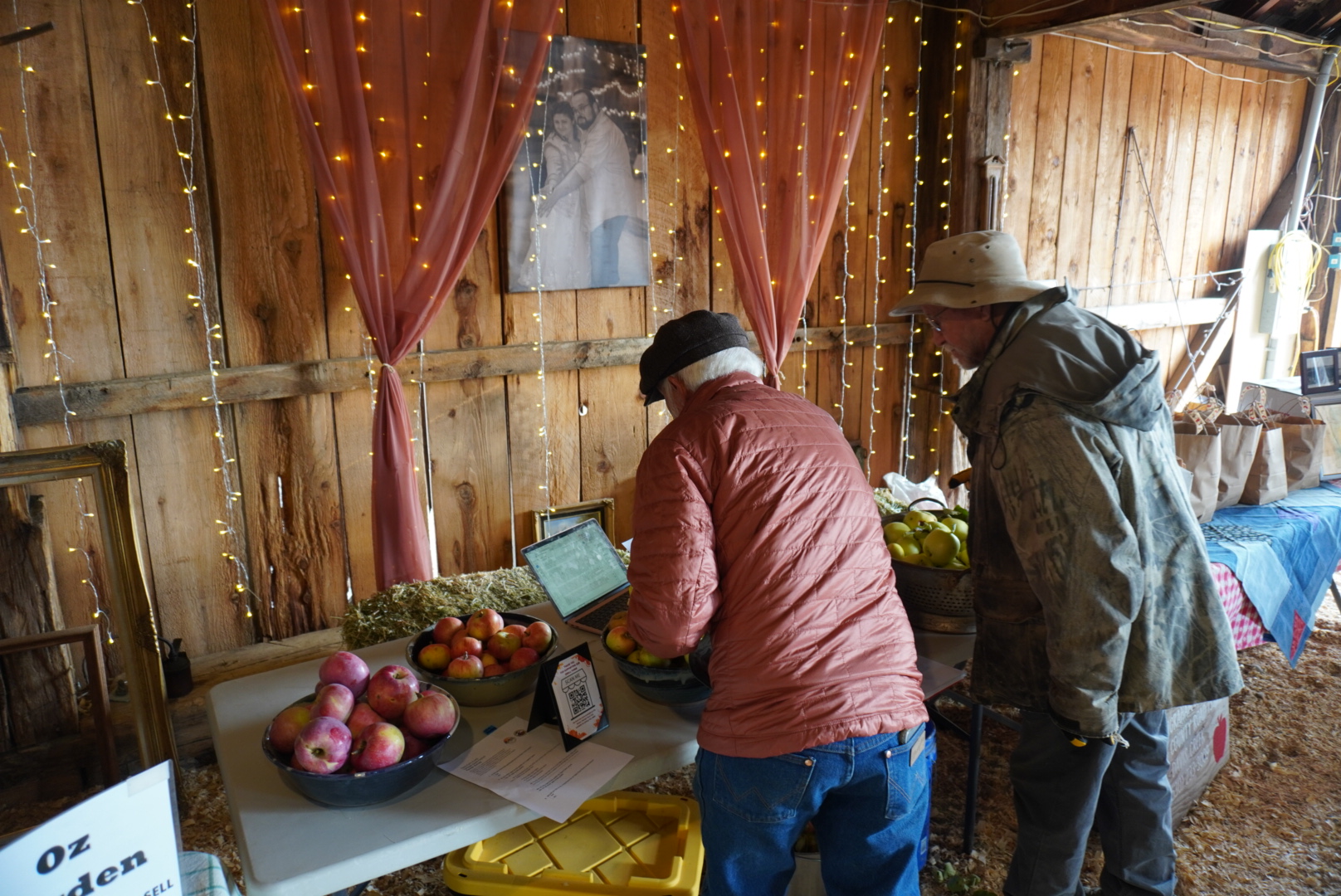
We distributed printed handouts at the farmers markets in Alturas and Cedarville all summer and talked about the Heritage Fruit Tree Project to anyone who would listen throughout the 2025 season, from the market's 1387 recorded attendees. In October, we hosted the first annual Heritage Apple Festival attended by over 150 people.
Create A Social Network of Learning and Knowledge-Exchange.
We initiated conversations with folks at the Pit River Tribe and Fort Bidwell Indian Community and planned for collaborative orchard events in 2026.
Community members are beginning to view the project as a shared effort. The groundwork laid in Year 1 strengthens trust with tribal partners and local landowners.
Boost Practical Skills for Orchard Stewardship
In October 2025, we hosted a Variety Identification Workshop during the Heritage Apple Festival event and encouraged Modoc County residents to bring in fruit and leaf samples from their own apple trees to be identified. HFTP volunteers guided participants through which characteristics to examine and how to use the reference books to make an educated guess to which variety apple they had.
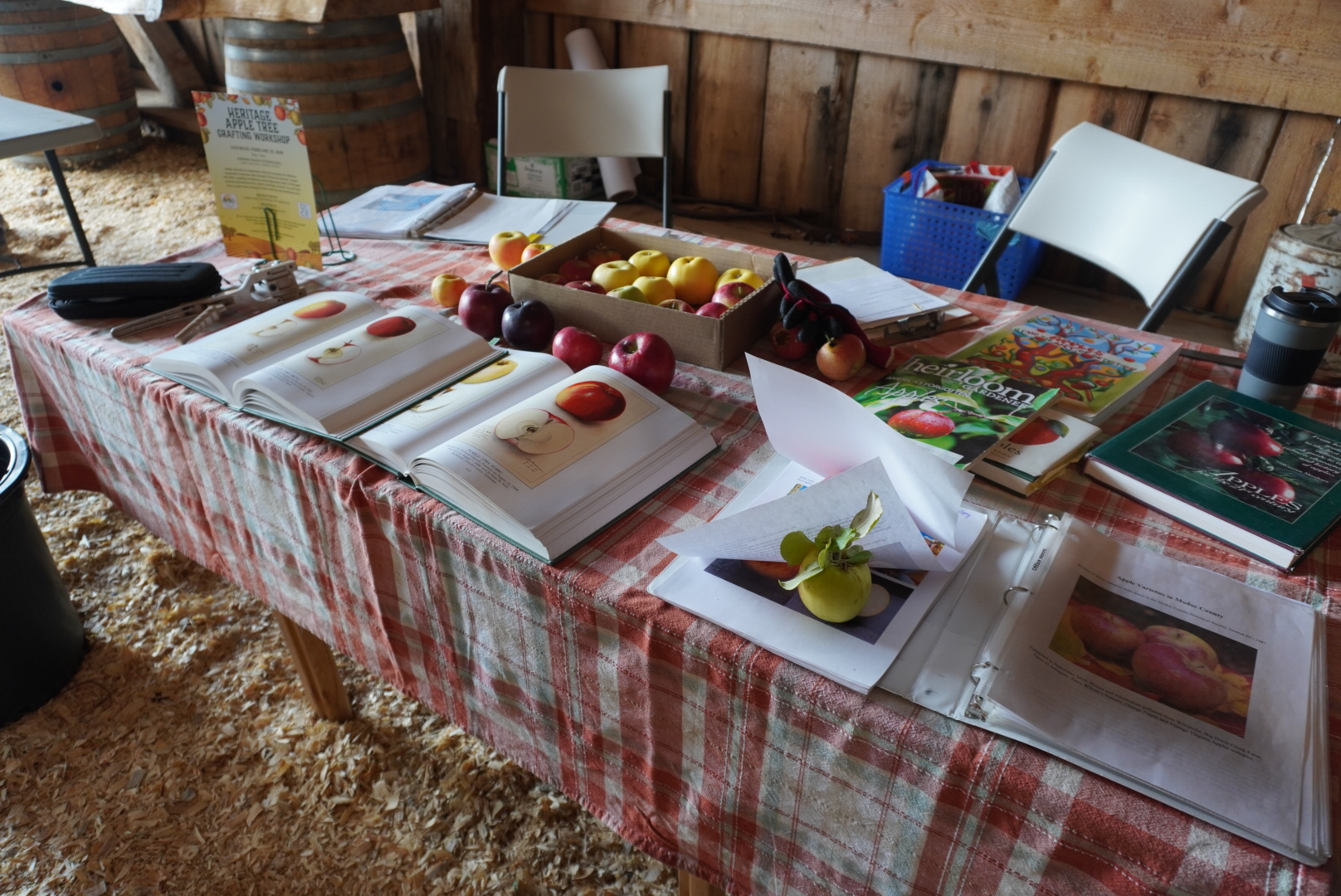
The Variety Identification Workshop fostered curiosity among attendees, many of whom had never attempted to identify varieties on their own. 4 community members submitted samples for identification, including several undocumented apples that are now under further review for inclusion in our catalog. Participants gained insight into the diversity of local fruit and how to evaluate trees on their own land. All 4, in addition to 13 participants who didn't bring their own samples, expressed interest in attending future workshops and contributing to the community’s knowledge base. This session laid a strong foundation for expanding our educational offerings in orchard planning and variety preservation in Years 2 and 3.
Increase the Number, and Productivity, of Local Orchards.
In April 2025, we surveyed the orchards of 12 landowners, collected DNA samples from 19 trees, and cataloged a further 18 trees whose variety we were confident of.
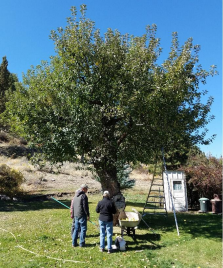
DNA testing was completed in Fall 2025, confirming the identity of several varieties and revealing a few potentially rare or undocumented cultivars. These results have already informed our outreach and our scionwood planning efforts. Cataloged trees are being integrated into our working database to guide orchard planning and variety preservation. This foundational work supports long-term orchard productivity by promoting the propagation of locally adapted, climate-resilient fruit varieties.