Progress report for WUT24-001
Project Information
The Utah Professional Development Program (PDP) provides resources, leadership development and training to agricultural professionals and producers that promote the goals of Western SARE. The program is guided by an Advisory Committee. The Utah PDP to seek answers to the state’s food and sustainability challenges, which include dense urbanization (9th in the nation) and climate change (2nd most arid state in the nation), in a way that protects natural resources and human safety and enhances the quality of life for producers. General topics include supporting existing and new urban and small farms, soil health training, improving sustainable grazing, and support of the next generation of farmers.
The Utah PDP reaches the livestock, forage, specialty crop industries and sustainable agriculture producers broadly. For 2024-26, the program will direct resources to the following activities each year: mini-grant awards, four conferences/workshops, needs assessment, developing future Extension leaders in Sustainable Agriculture and distribution and promotion of WSARE and USU resources. Several conferences are long-standing events that have been supported by the Utah PDP in the past and include a new field day portion of the Urban and Small Farms Conference (reaching over 150 producers and professionals), the Utah-Arizona Annual Range and Livestock Conference (reaching over 500), Sustainable Grazing Institute (reaching 50 producers), and range campus for high schoolers and teachers.
There are four objectives for this proposal that will target the overall goals for 2024-26 to promote sustainable farming, build soil health practices, increase local food production, improve sustainable grazing, and develop future Sustainable Agriculture leadership in Utah Extension.
- Increase knowledge and skills of up to 9 Utah Extension agricultural professionals and up to 300 producers through the award of approximately 12 mini-grants for travel or event-hosting (offered spring and fall of each year), measured by reporting and follow-up surveys of award recipients. (“Travel/Event Hosting Awards”)
- Facilitate adoption of sustainable agricultural practices of up to 900 professionals, producers, and second-generation farmers through the support of three conferences and workshops and two camps, offered in spring, summer, and fall of each year, as measured by retrospective surveys after each event. (“Support of Annual Conferences/Workshops”)
- Conduct a sustainable agriculture needs assessment of agricultural professionals in Utah in and use this information to guide future PDP work. (“Needs Assessment”)
- Develop a three-year SARE Leadership Associate opportunity for engaged, interested, skilled Extension personnel.
Characteristics of Utah’s geography and population create critical needs for the development and adaptation of appropriate sustainable agriculture training. U.S. Census data shows that Utah’s urbanized counties grew a staggering 7% between 2020 and 2022, becoming the 9th most densely-urban state with more than 9 of every 10 Utahns living on just 1.1% of the land. Utah is also the second-driest state in the country, where most of its arable lands are at elevations of 2,500-6,500 ft. and depend on irrigation water derived from mountain snowmelt. Increasingly, Utah’s arable land is urbanized, with food production occurring in close proximity to urban land. Envision Utah reports that the state is not “self-sustainable,” producing just 3% of its fruit needs, 2% of its vegetable needs, and around 25% of its dairy needs on family-owned and often part-time farms. Due to these challenges, more efficient use of water, the protection of natural resources and human safety demands the education of producers and consumers and the implementation of thoughtful and innovative approaches to managing agricultural lands and protecting producers’ livelihoods.
The Utah WSARE PDP Program is committed to fulfilling the professional development goals of SARE, particularly for specialty and forage crops, water efficient systems and rangeland systems. Utah grows over 13,600 acres of fruits and vegetables, valued at $34 million, the majority of which (65%) are grown on farms less than 15 acres. Forage production (alfalfa, corn, and grass) comprises approximately 710,000 acres (valued at $52.3 million), while rangelands cover the majority of “wild” lands in the State (21.8 million acres). Controlled Environment Agriculture and water efficient food systems hold the promise of increasing food production with less water and addressing food insecurity in Utah’s increasingly diverse and growing urban population.
Utah’s past efforts in the PDP program have shown success, and it is important to maintain those efforts. Each year, the program reaches over 900 producers and 120 professionals. Producers reached in the past have shown advances in sustainable agriculture in livestock (livestock health, watershed health, farm profits) and specialty crops (reduction in pesticide use and successful farm succession plans), and of the professionals reached, close to 75% have passed on knowledge learned to their constituents.
The Utah PDP is currently guided by an advisory committee (five members), comprised of three off-campus USU extension faculty, one rep from a non-profit, and one rep from a state ag agency. The composition and scope of a re-envisioned Advisory Committee will be informed by the Needs Assessment (Obj 3). The new Advisory Committee structure is in development. Once organized, the Advisory Committee will approve the budget and proposed programming, and review travel/event hosting award proposals.
Objective 1 (Travel/Event Hosting Awards) – Proposals will be solicited and awarded two-times each year, spring, and fall.
Objective 2 (Support of Annual Conferences/Workshops/Camps) – on-going with support for the four events occurring annually in 2024 – 2026.
Objective 3 (Needs Assessment) – The needs assessment will be initiated in January 2024, with a final report delivered by July 1, 2024.
Objective 4 (Developing sustainable agriculture leaders in Extension)- Recruiting the first WSARE Leadership Associate will occur in early 2024.
Advisors
- (Educator)
- (Educator)
- (Educator)
- (Educator)
- (Educator)
Education
The educational approach of the Utah PDP is rooted in applied, participatory, and needs-based learning focused on sustainable agriculture. It emphasizes capacity building for both agricultural professionals and producers through a multi-pronged strategy that includes:
-
Mini-Grant Awards -These provide funding for travel or event hosting to support experiential learning and local problem solving aligned with sustainable agriculture priorities. This support empowers Extension professionals to develop and deliver custom programming and resources.
-
Conference and Workshop Support -The program provides support for annual conferences, workshops, and rangeland camps that deliver hands on, research based training to producers and Extension, agency, and educator professionals annually. These include field days, concurrent sessions, and interactive learning for youth and educators.
-
Needs Assessment driven content -An in-depth assessment using Dr. Lendel Narine’s Ranked Discrepancy Model ensures that programming is directly responsive to the evolving needs of Utah’s agriculture professionals, especially in climate resilient and water efficient systems.
-
Leadership Development -The program invests in cultivating the next generation of sustainable agriculture leaders within Extension through a multi-year WSARE Leadership Associate role, integrating mentorship, proposal development, and resource promotion.
-
Evaluation and Continuous Improvement -Evaluation of programs is important to determine outcomes and impacts. Standardized WSARE tools and event specific surveys measure changes in knowledge, behavior, and program reach, guiding future educational offerings and demonstrating impact.
Overall, the Utah PDP program uses adaptive, stakeholder informed education to promote knowledge transfer, innovation, and adoption of sustainable practices in Utah’s diverse agricultural landscape.
Education & Outreach Initiatives
Increase knowledge and skills of up to 9 Utah Extension agricultural professionals and up to 300 producers through the award of approximately 12 mini-grants for travel or event-hosting (offered spring and fall of each year), measured by reporting and follow up surveys of award recipients.
In 2024, the Utah Western SARE State Implementation Program awarded nine travel awards. These travel awards were given to Extension faculty that verified they were presenters at the conferences they were attending and that knowledge gained from these conferences would be shared to agriculture producers and other Extension clientele. Conferences that travel awards were provided for included: The National Plant Diagnostic Network National Conference, National Association of County Agricultural Agents (NACAA), National Society for Range Management Conference, National Vertebrate Pest Conference, and the 11th annual IPM Symposium.
In 2025, In 2024, the Utah Western SARE State Implementation Program awarded twelve travel awards. These travel awards were given to Extension faculty that verified they were presenters at the conferences they were attending and that knowledge gained from these conferences would be shared to agriculture producers and other Extension clientele. Conferences that travel awards were provided for included: The National Plant Diagnostic Network National Conference, National Association of County Agricultural Agents (NACAA), Chad Reid Western Region NACAA Conference, National Society for Range Management Conference, International Association for Society & Natural Resources conference, and the 12th annual IPM Symposium.
In 2024, each Extension faculty given a travel award provided a report of their presentation and plans to disseminate knowledge gained to the clientele they serve such as ranchers and farmers, 4-H youth, conservations districts, and federal and state agencies.
In 2025, each Extension faculty given a travel award provided a report of their presentation and plans to disseminate knowledge gained to the clientele they serve such as ranchers and farmers, 4-H youth, conservations districts, and federal and state agencies.
Facilitate adoption of sustainable agricultural practices of up to 900 professionals, producers, and second-generation farmers through the support of three conferences and workshops and two camps offered in spring, summer, and fall of each year, as measured by retrospective surveys after each event.
In 2024, the Western SARE State Implementation Program sponsored the conference proceedings including an entire page dedicated to Western SARE for the 47th annual Utah/Arizona Range Livestock Workshop. Western SARE has supported this workshop for at least a decade. This successful annual workshop is a three day event with two days dedicated to educational workshops and one day for agricultural tours. The event takes place in southern Utah each year in March. The workshop includes participants such as ranchers, federal and state agencies employees (BLM, Forest Service, NRCS), Utah Department of Agriculture and Food staff, Extension faculty, and agricultural business reps and owners. Workshop topics included grazing management and intensity, new EID cattle tag rules, ranch economics, safe livestock handling practices, farm/ranch succession planning, drone use for cattle grazing, benefits of livestock on the range, and agriculture updates from Utah Congresswoman Celeste Maloy.
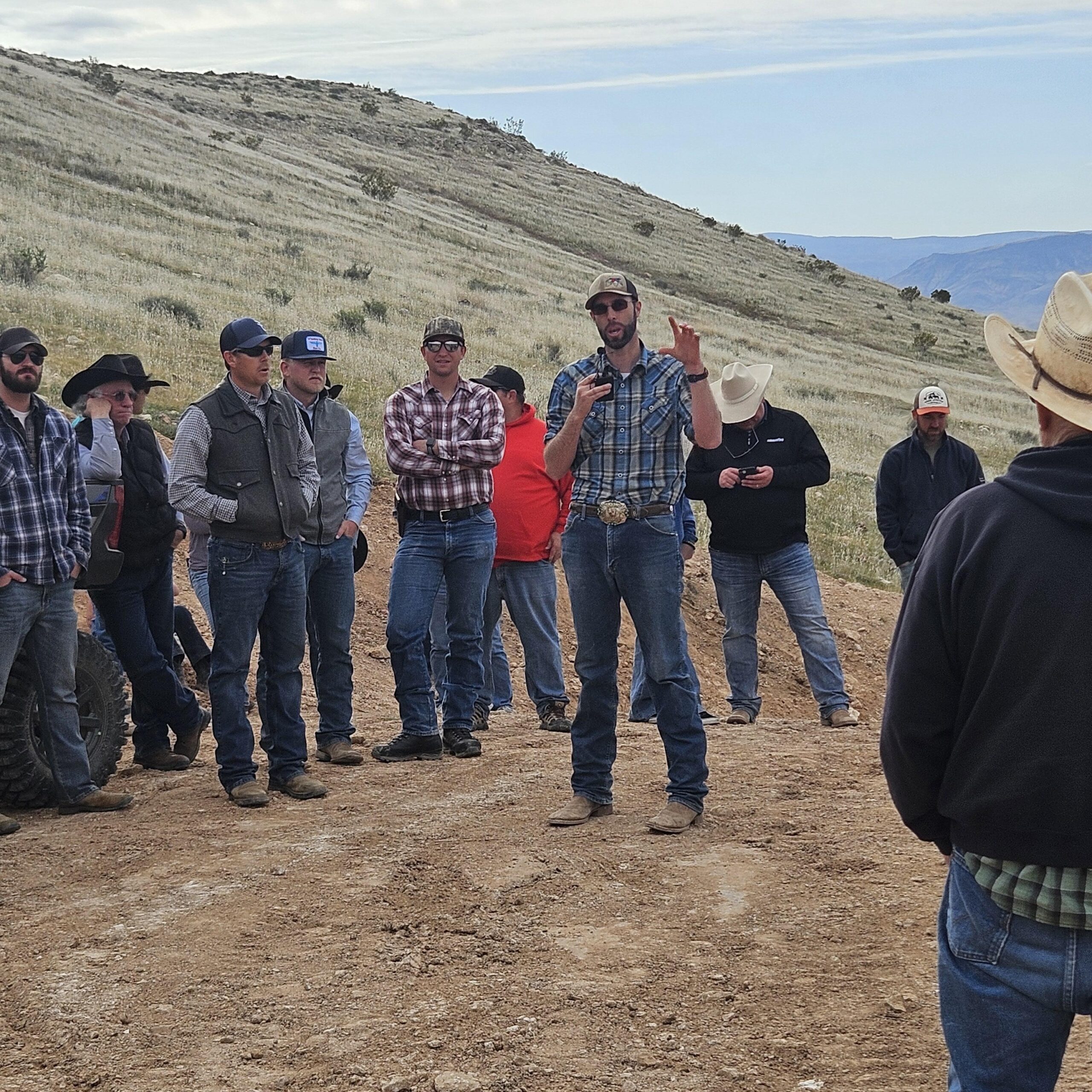
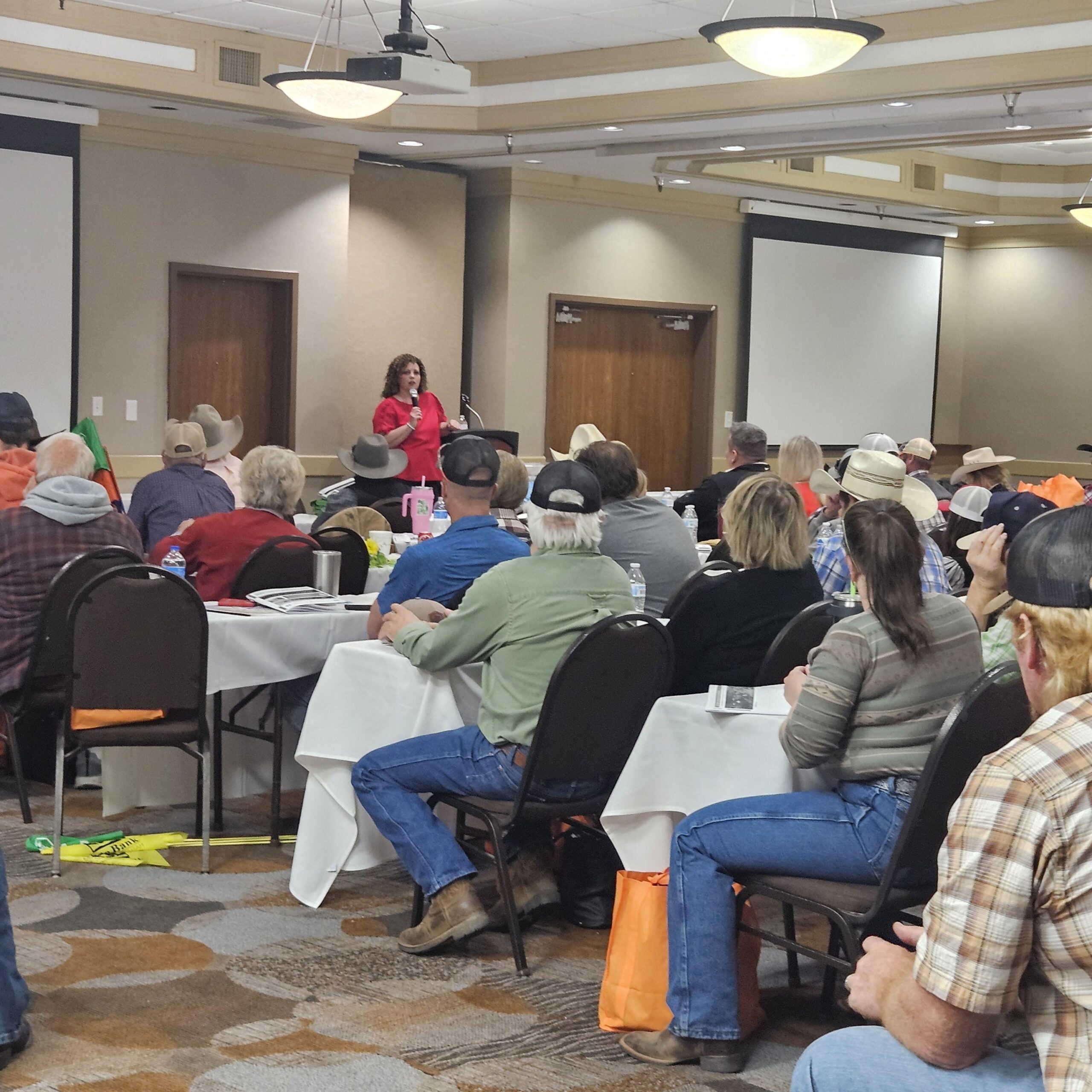
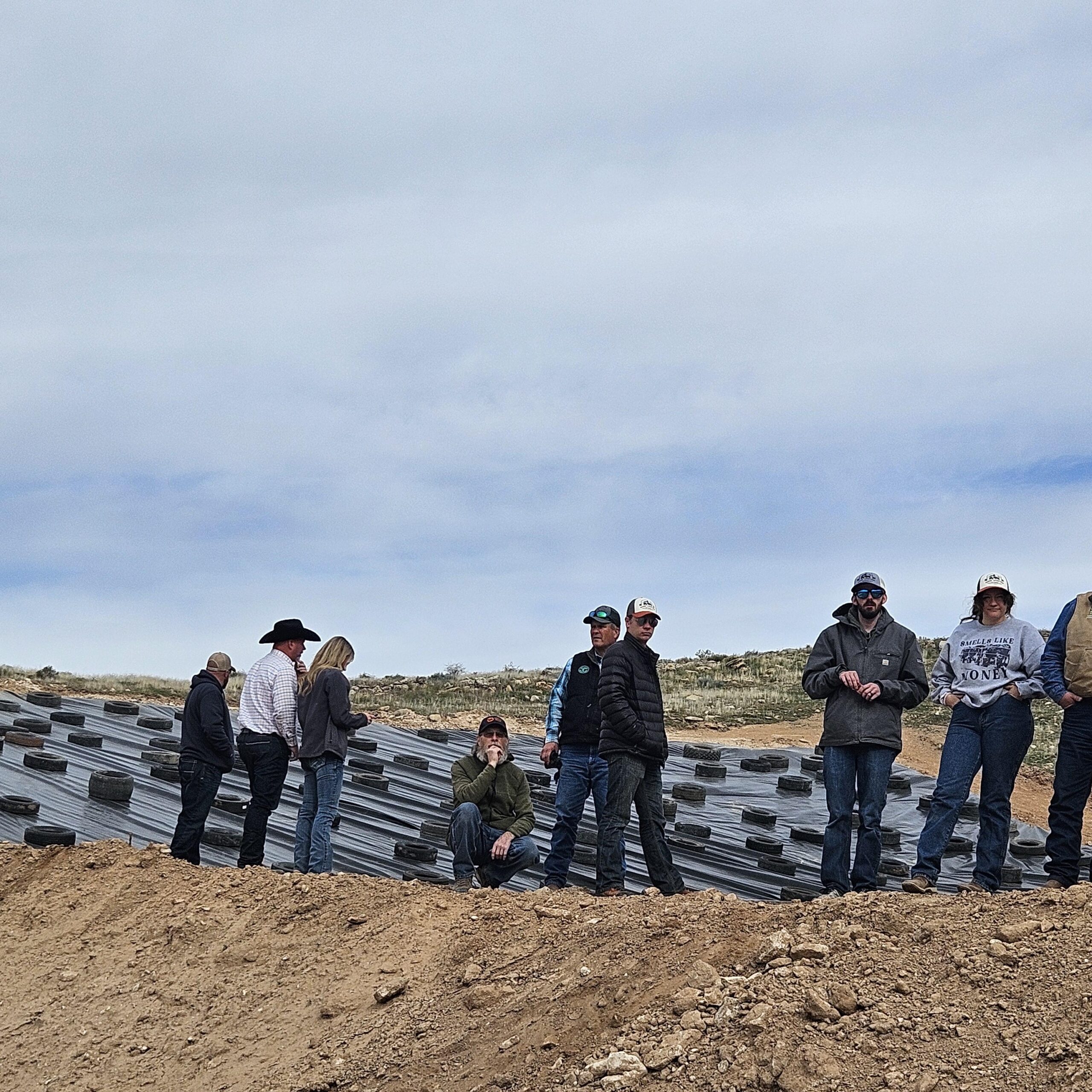
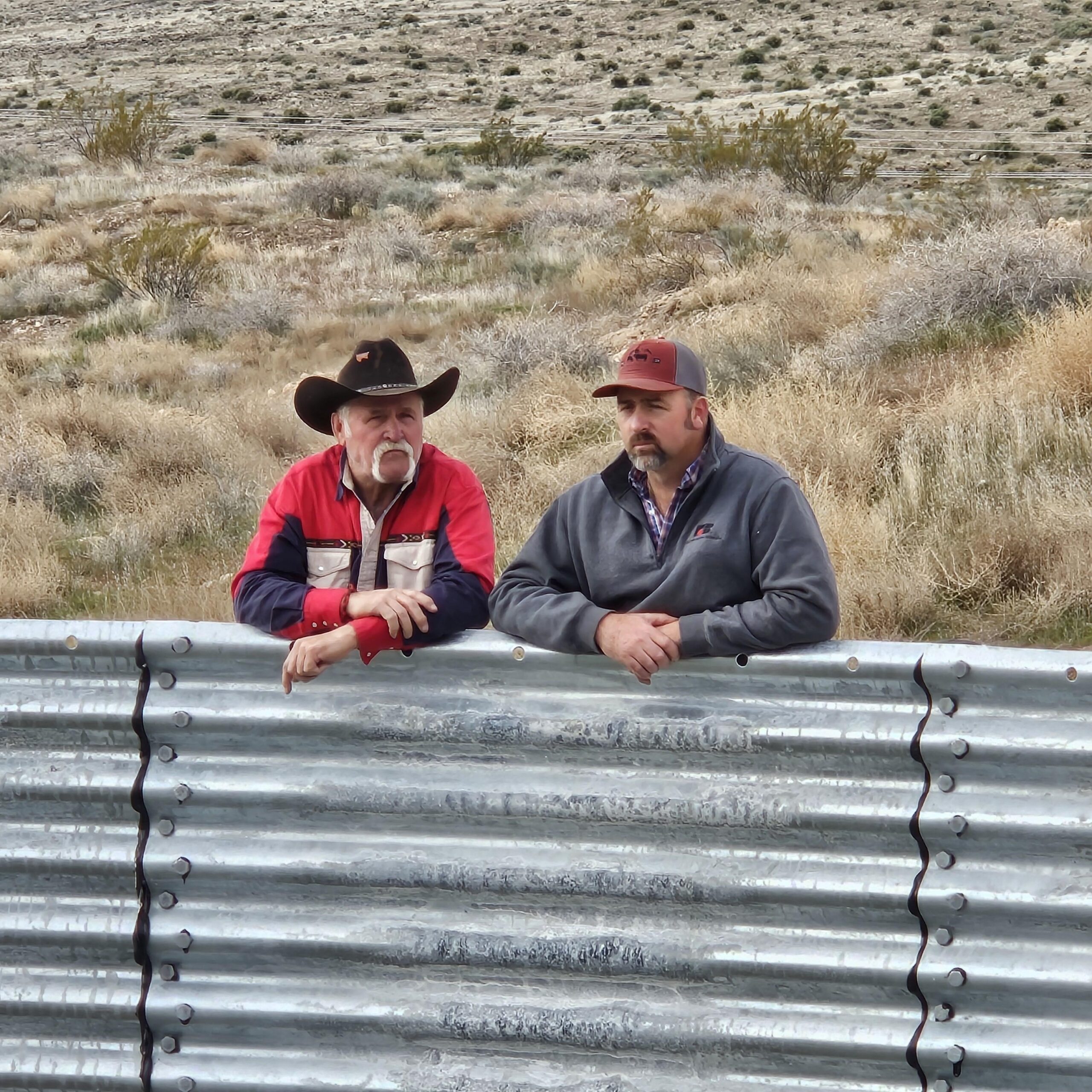
In 2025, the Western SARE State Implementation Program sponsored the conference proceedings including an entire page dedicated to Western SARE for the 48th annual Utah/Arizona Range Livestock Workshop. Western SARE has supported this workshop for at least a decade. This successful annual workshop is a three day event with two days dedicated to educational workshops and one day for agricultural tours. The event takes place in southern Utah each year in March. The workshop includes participants such as ranchers, federal and state agencies employees (BLM, Forest Service, NRCS), Utah Department of Agriculture and Food staff, Extension faculty, and agricultural business reps and owners. Workshop topics included grazing management and intensity, EID cattle tag rules, ranch economics, safe livestock handling practices, farm/ranch succession planning, drone use for cattle grazing, and benefits of livestock on the range. The 2025 conference had 562 attendees (record number) and had as a keynote speaker, Dr. Temple Grandin who spoke on safe livestock handling.


For 2025 the Western SARE sponsored Sustainable Grazing Institute was held in Spanish Fork, Utah.The Sustainable Grazing Institute is an Extension-led educational event designed to bring agriculture producers together for an immersive, whole-systems learning experience focused on sustainable grazing management. This program blends hands-on, field-based learning with classroom instruction to help producers see the “big picture” of how grazing decisions impact soil health, forage productivity, livestock performance, and long-term farm viability. Participants engaged in practical demonstrations and guided discussions covering key sustainable practices, including rotational grazing system design, forage and soil fertility management, irrigation strategies, nutrient management, and pasture monitoring. Emphasis is placed on applying research-based practices in real-world conditions, allowing producers to evaluate trade-offs, ask questions, and learn from both Extension specialists and fellow producers. The Sustainable Grazing Institute is designed for producers at all experience levels who are interested in improving pasture health, increasing efficiency, and building resilient grazing systems that support economic and environmental sustainability.
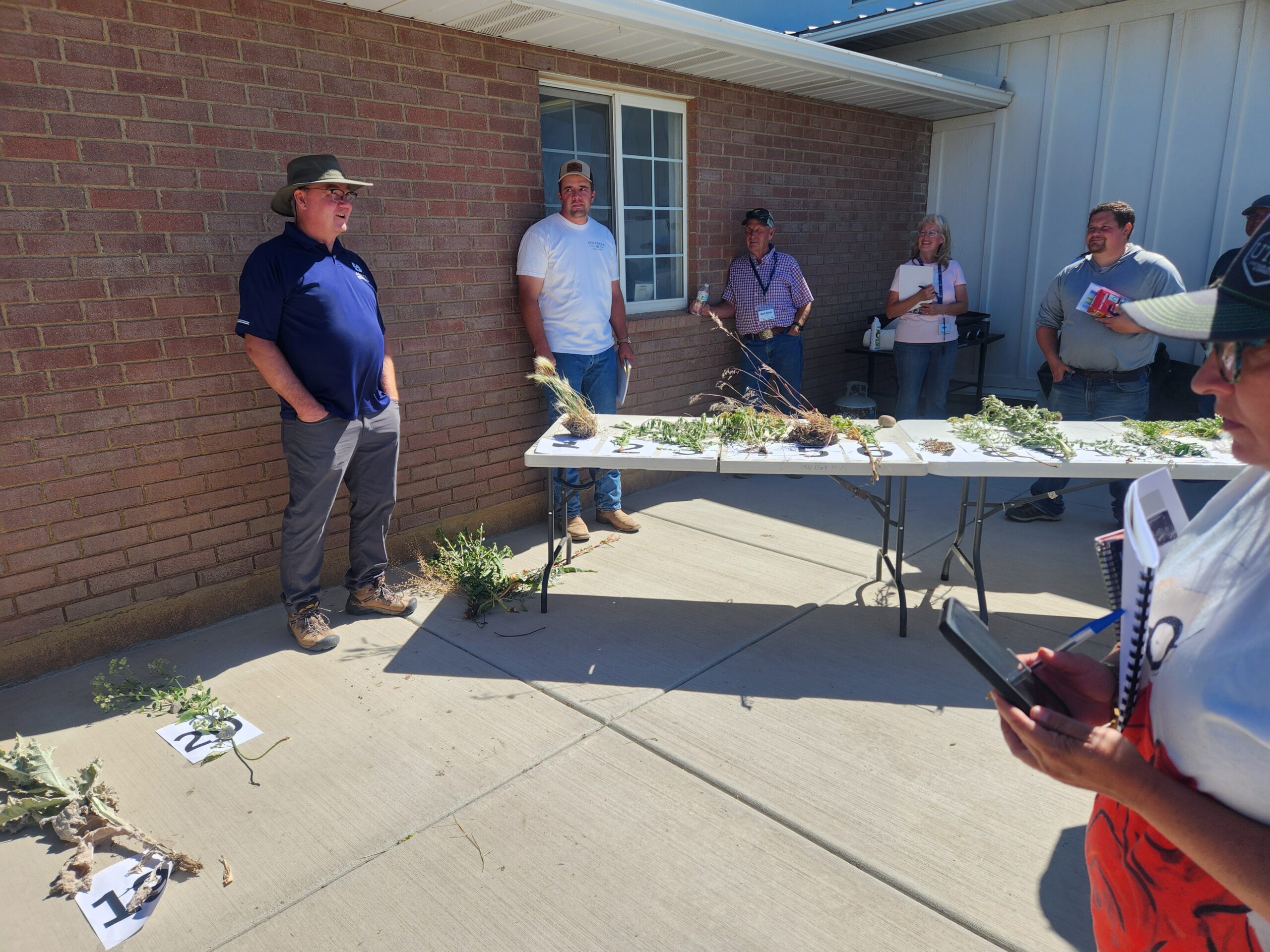
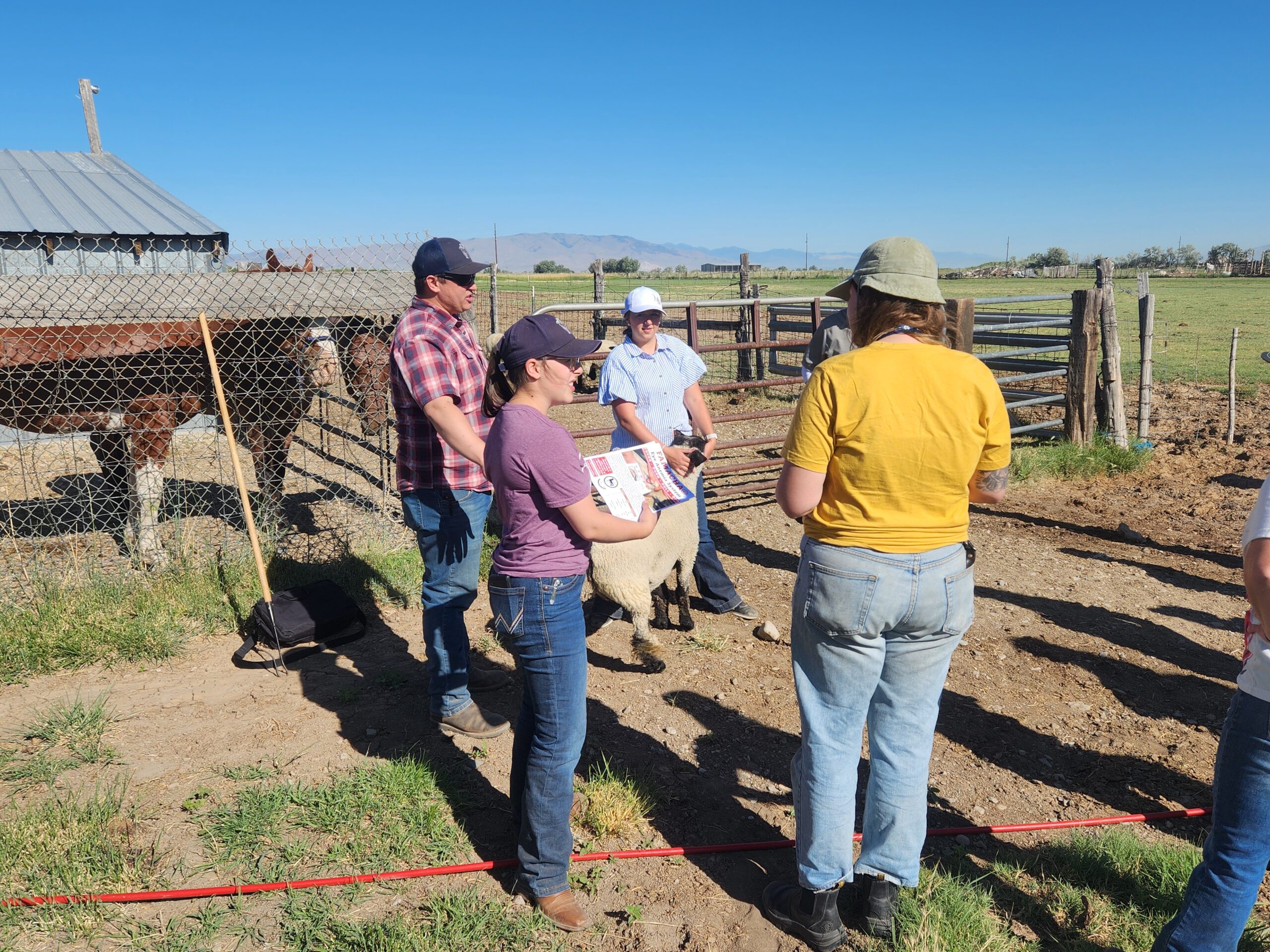
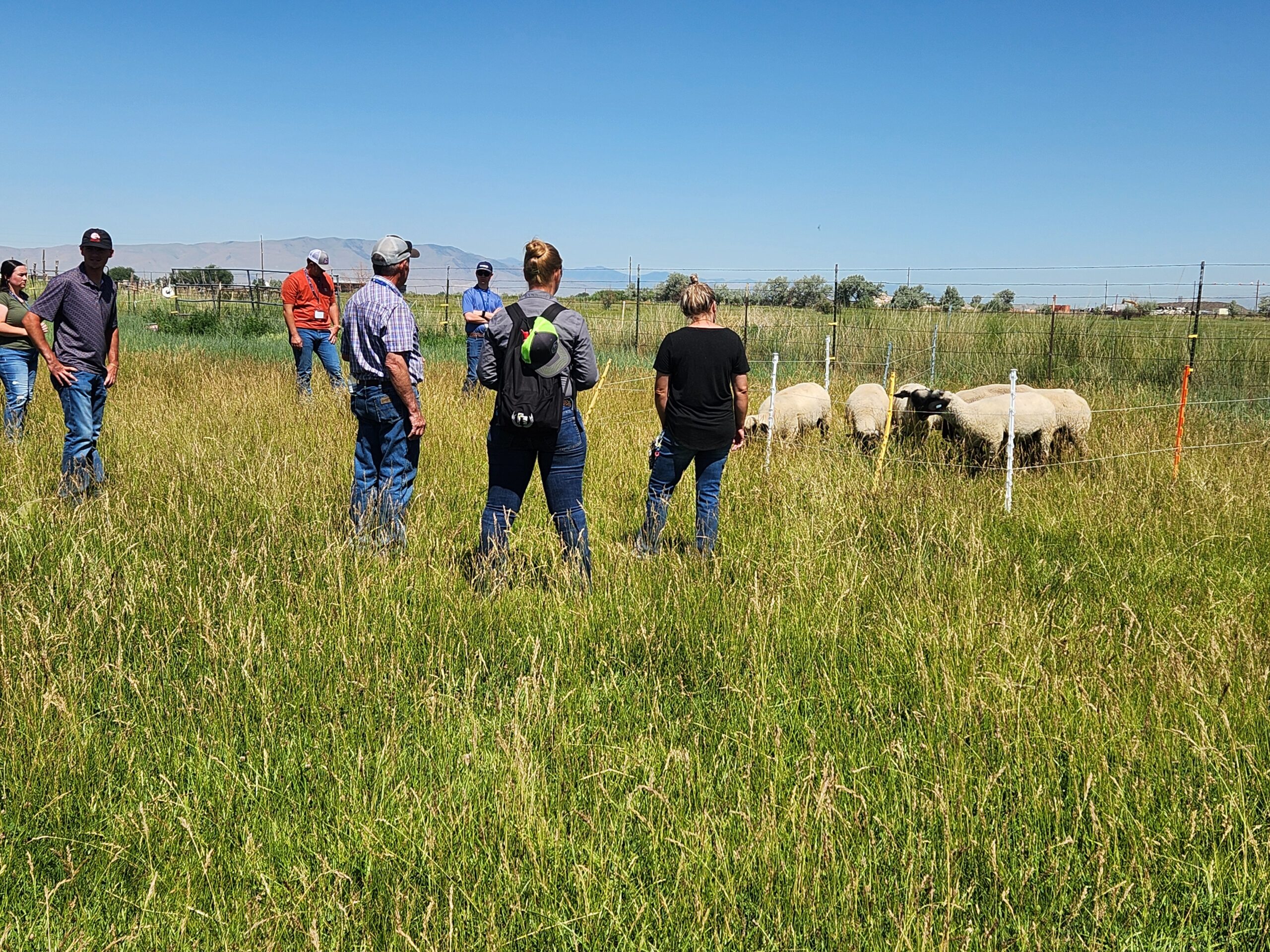
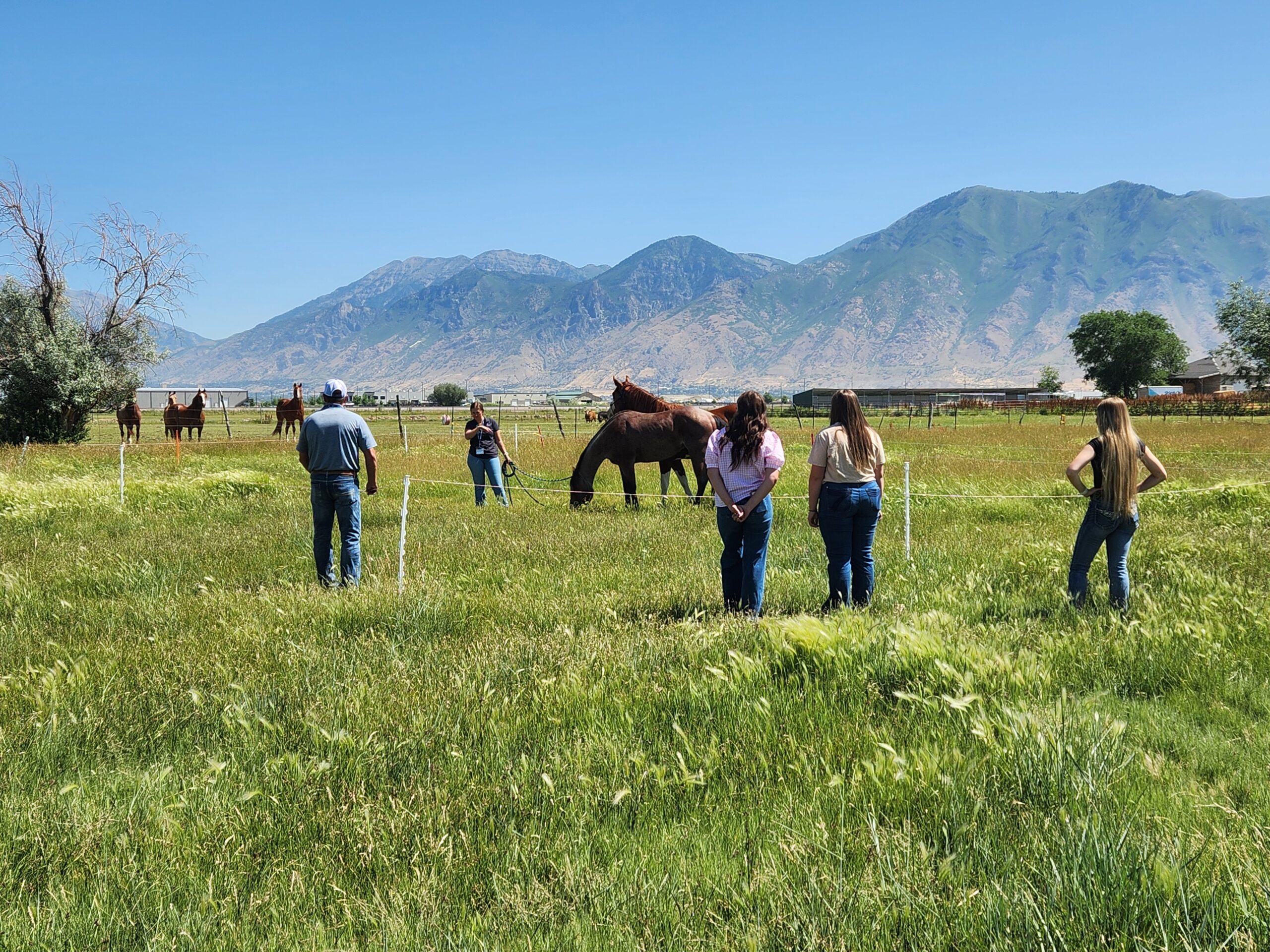
Utah High School youth attend a 4 day camp Utah High School student Range Camp and learn about rangeland management. There were 18 students that gained experience they can use on resumes, meet people who work in rangeland careers, and gain skills needed to help them in FFA Range Contests. This camp gives youth a complete picture of the natural resources system (soil, water, plants, and animals), with an emphasis on the use and management of Utah’s rangelands.
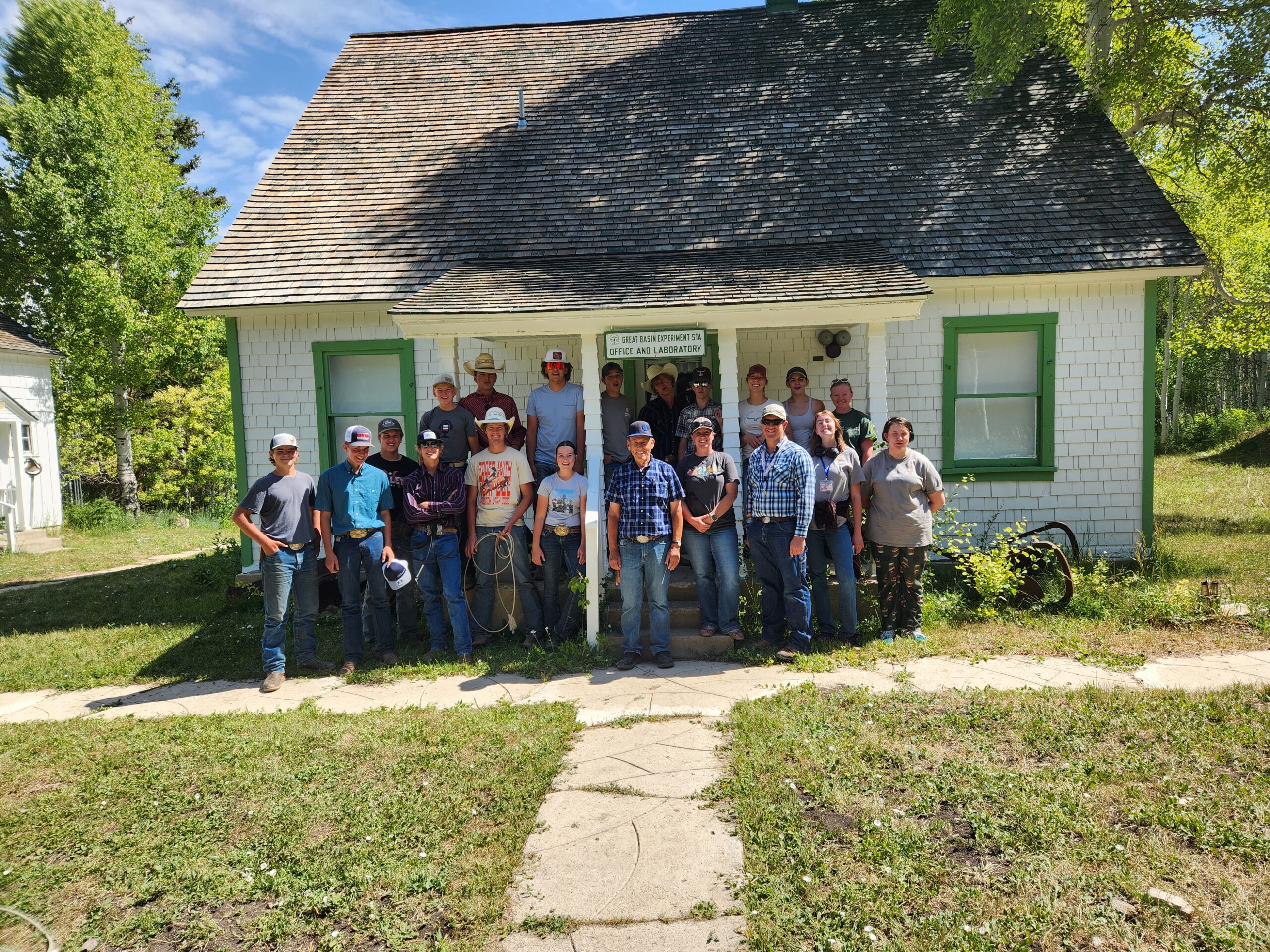
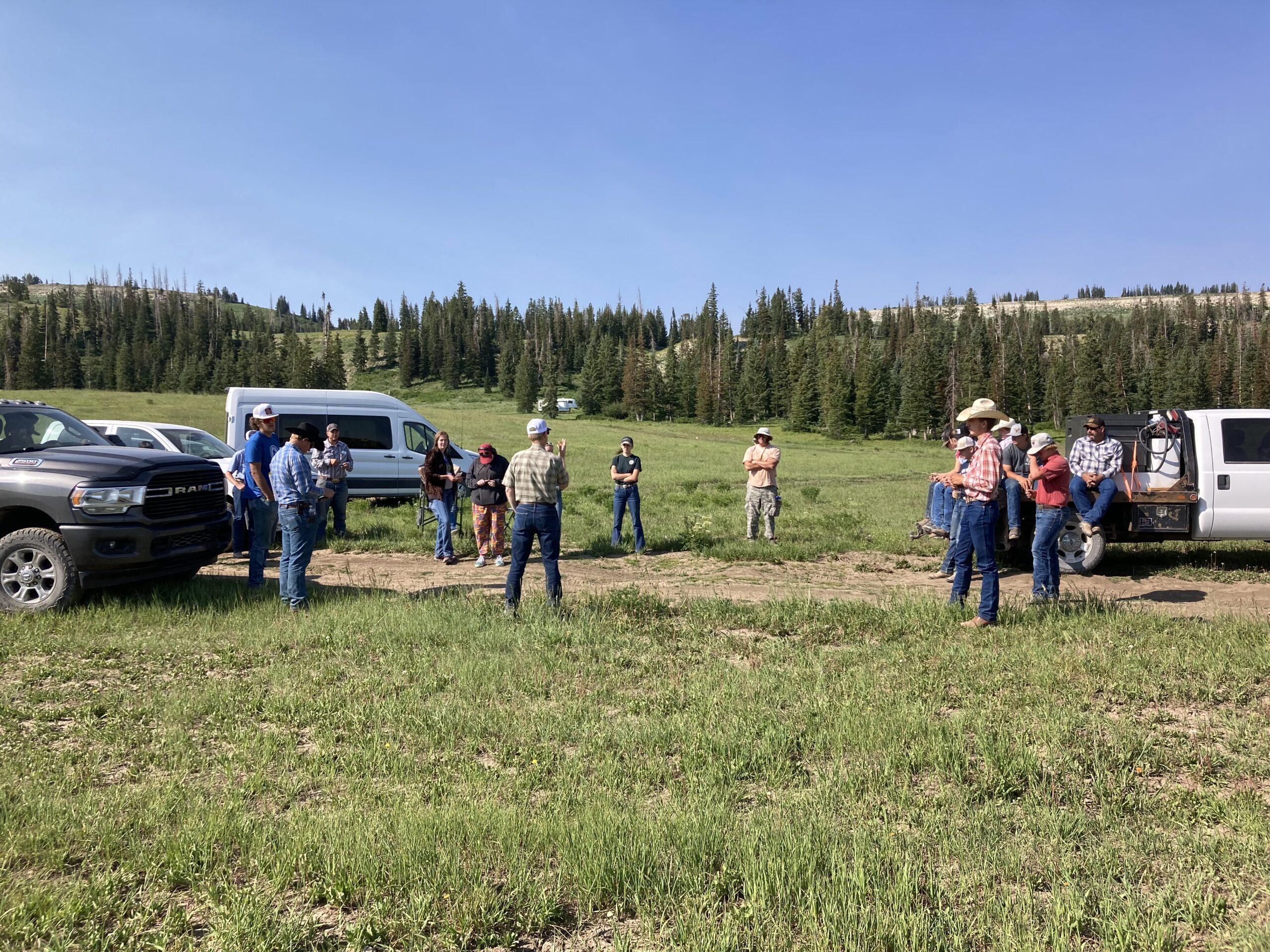
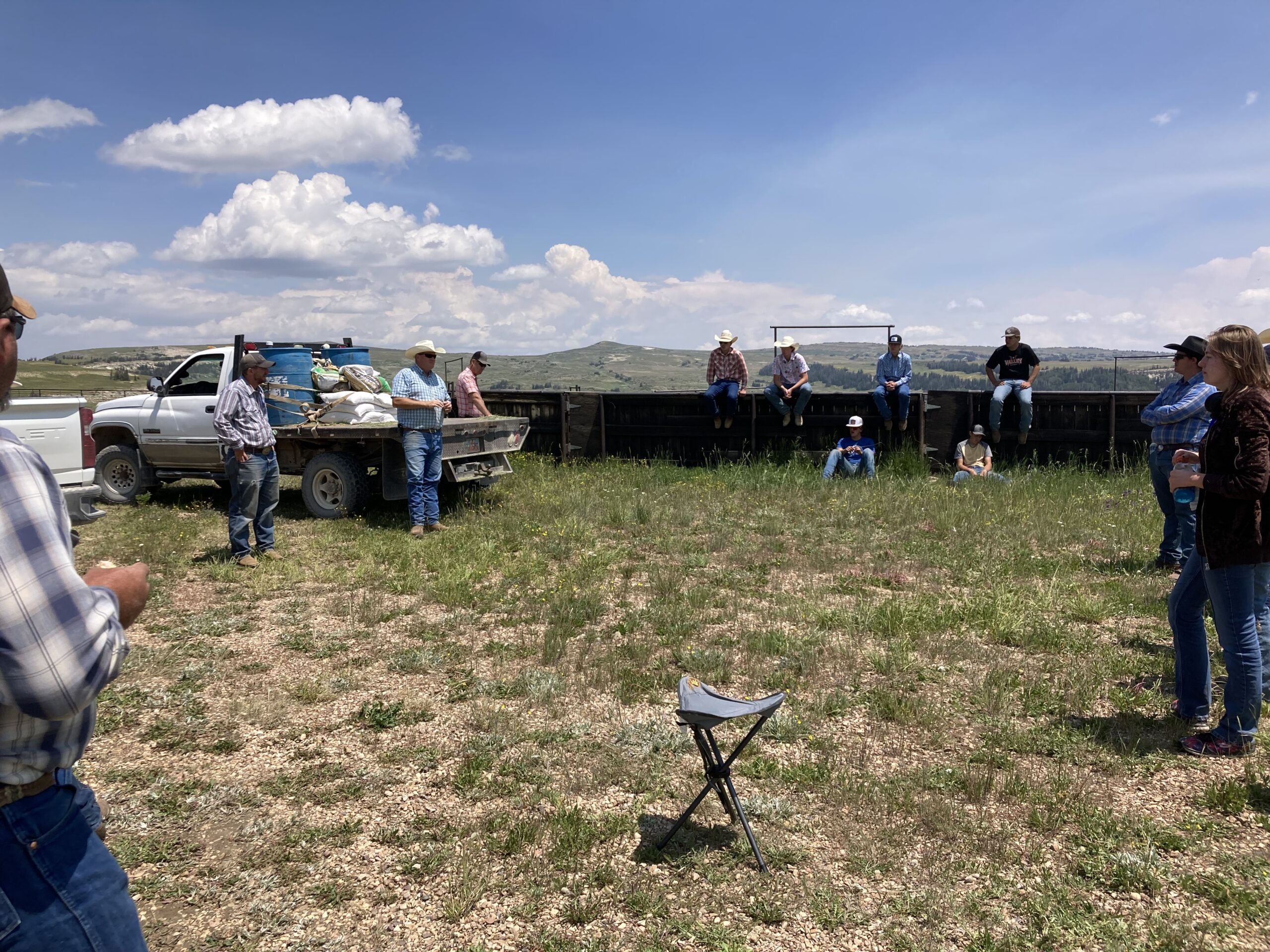
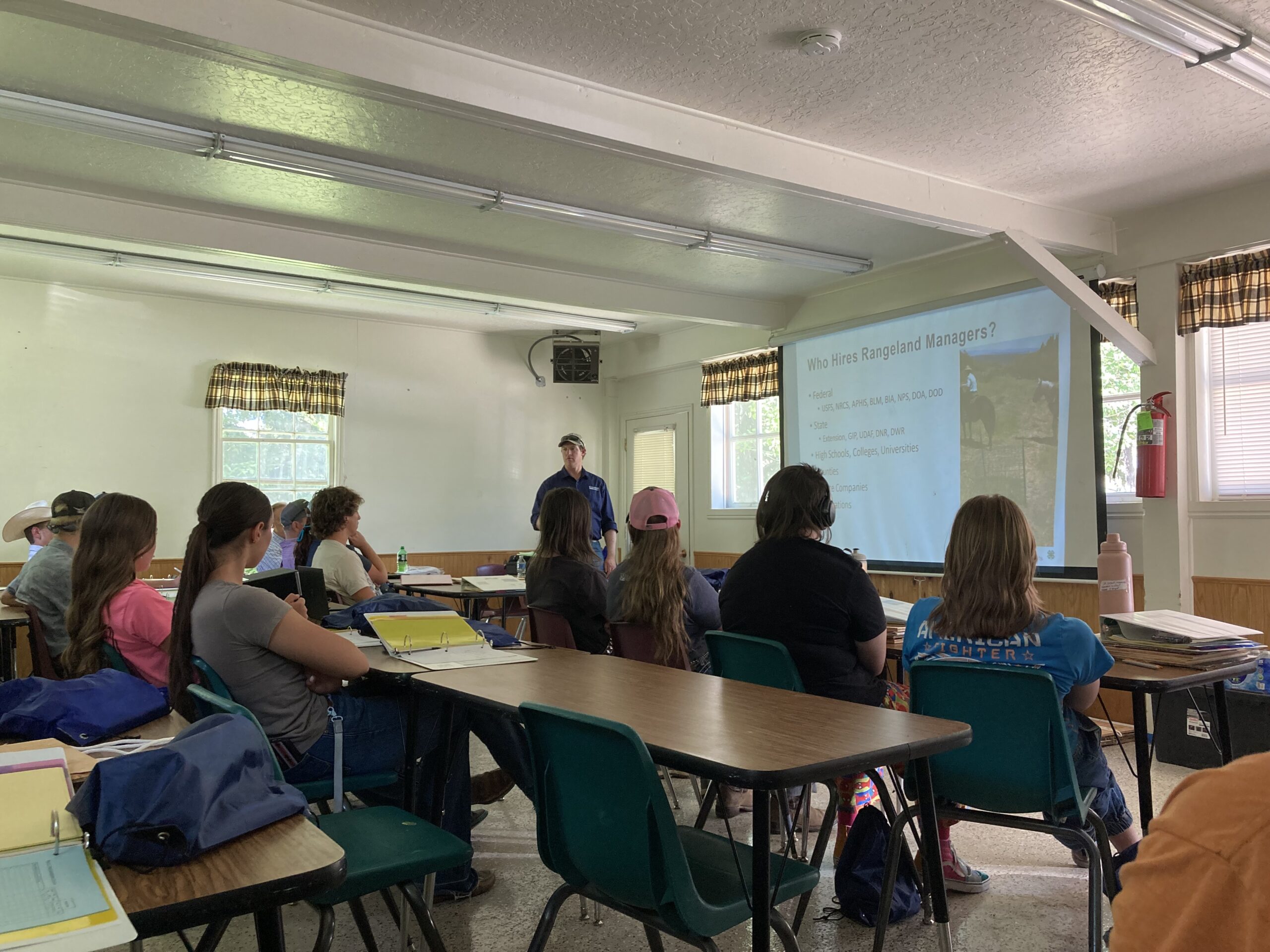
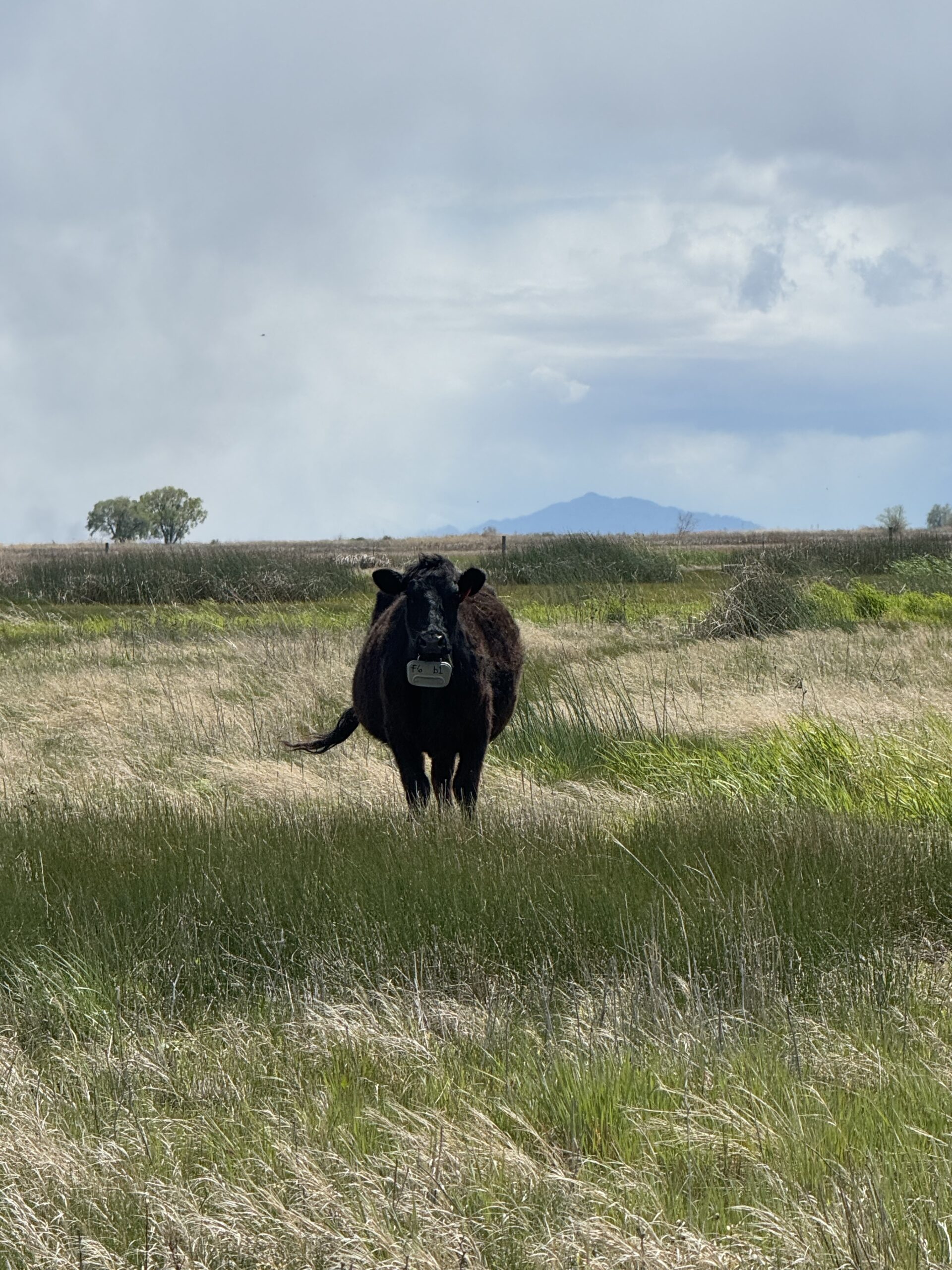
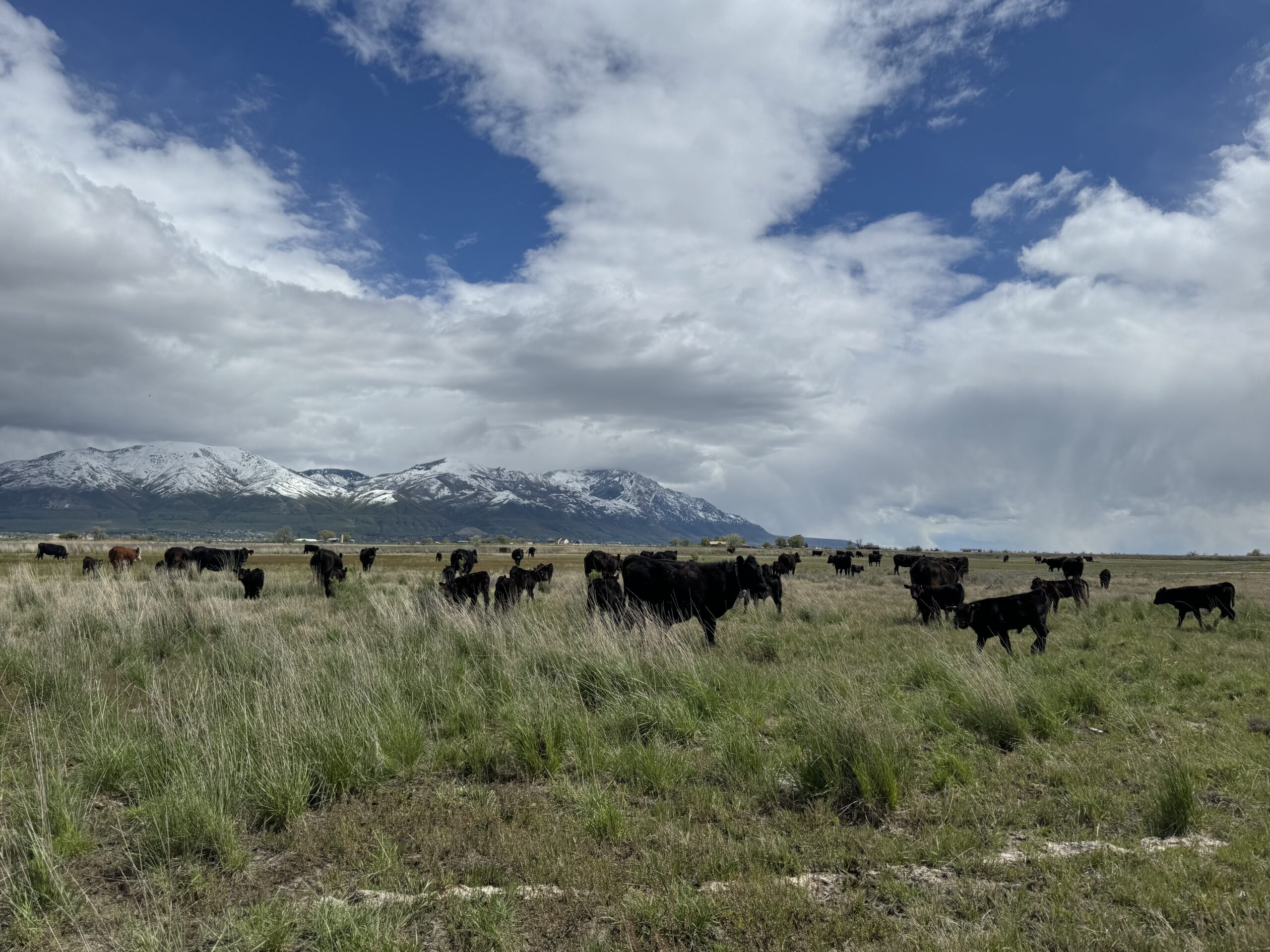
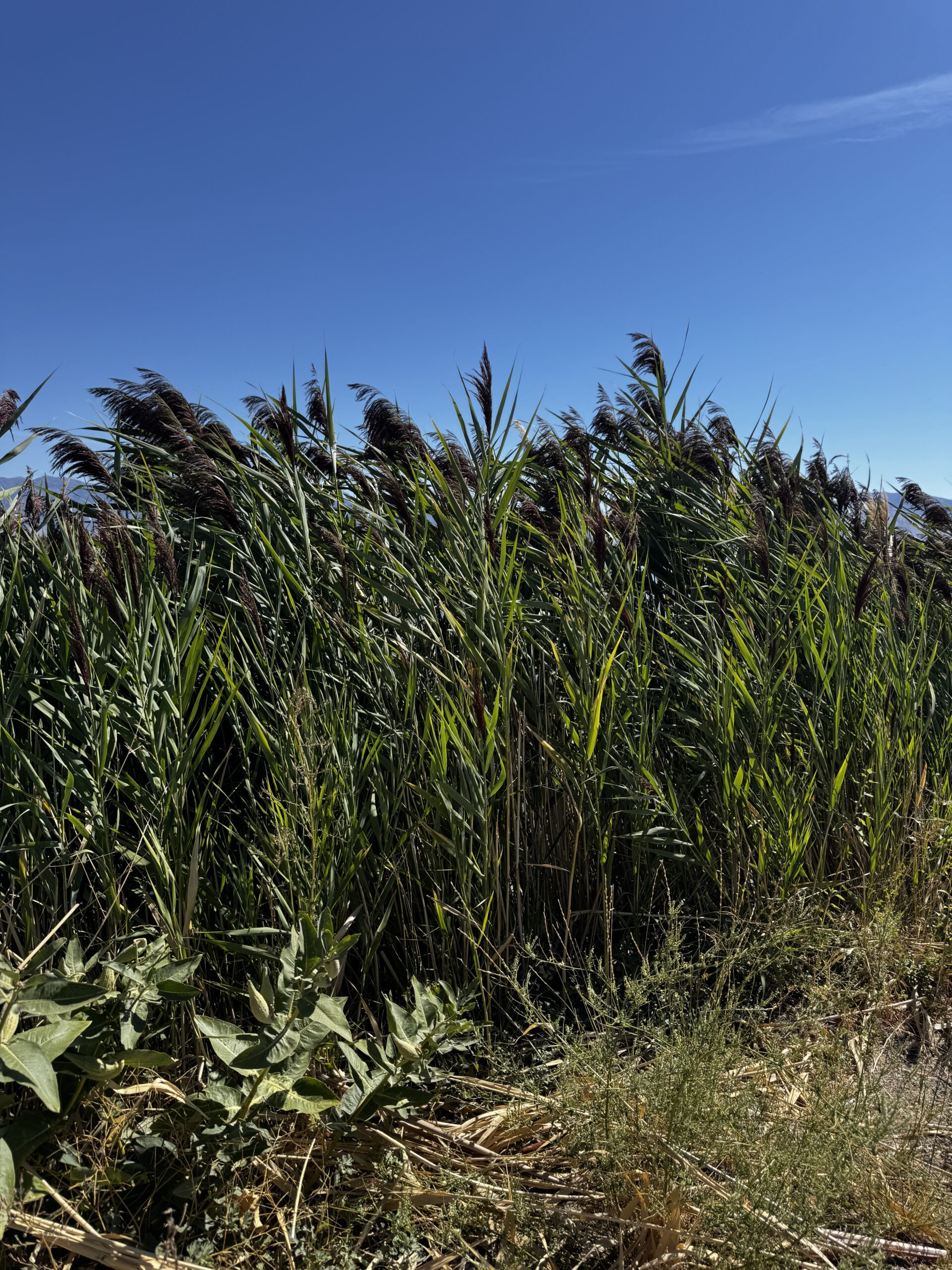
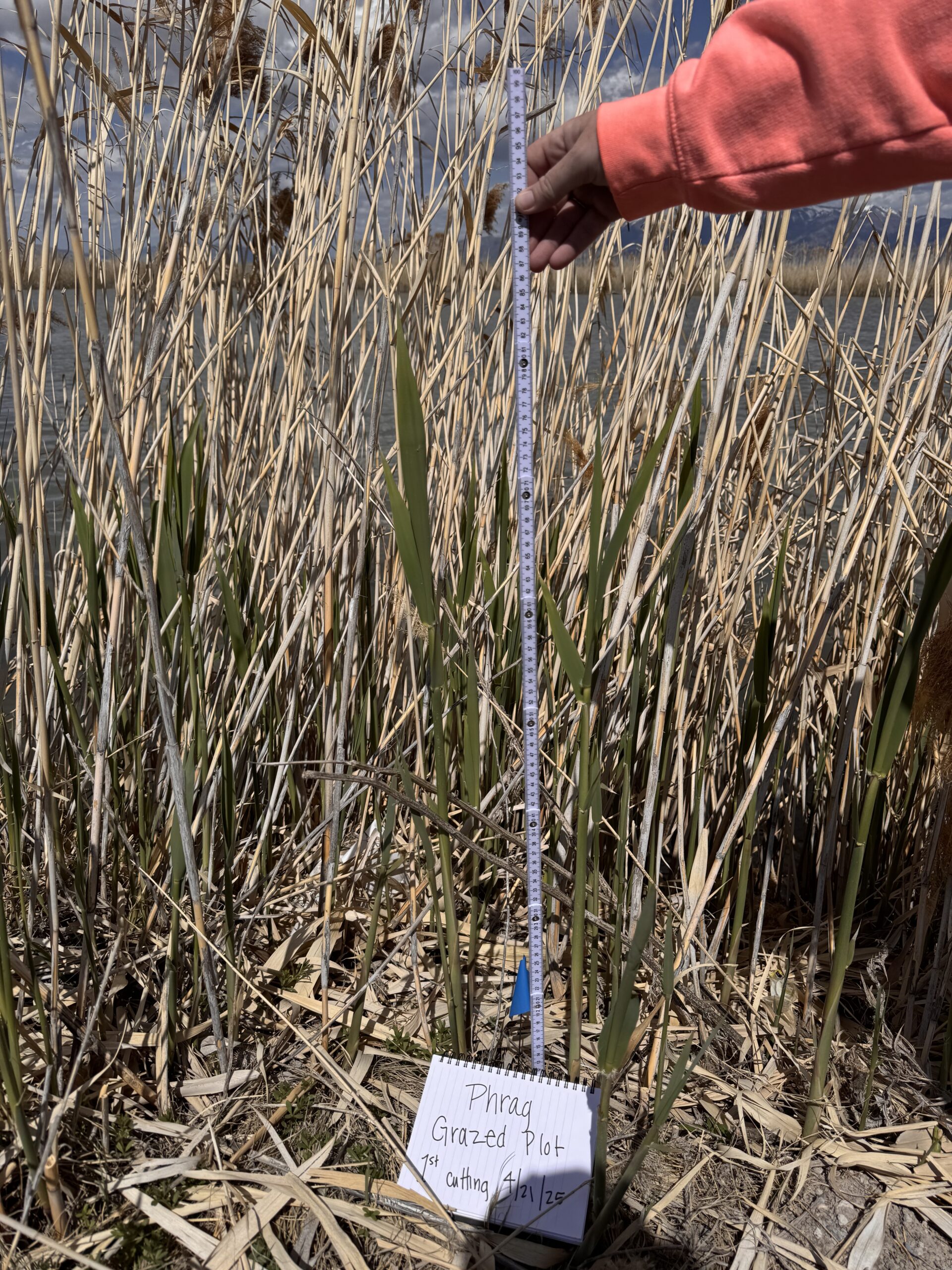
The Ag Educator Range Camp originally planned for 2025 could not be held due to delays in federal funding. A portion of the grant funds ($800) was reallocated to conduct field-based research evaluating the nutritional value of Phragmites under grazing-relevant conditions. Findings from this work were shared throughout 2025 during multiple outreach interactions, including field discussions, extension meetings, and presentations with agricultural educators, livestock producers, and agency professionals.
Improved understanding of the nutritional value of Phragmites increased engagement with livestock producers and land managers and shifted discussions from avoidance of the species to informed consideration of its role within managed grazing systems. These data-supported conversations emphasized site-specific evaluation, forage quality variability, and adaptive grazing strategies. In 2025, this work directly supported implementation of grazing on Phragmites-dominated sites using virtual fencing, with approximately 300 cows grazing these areas.
These applied examples reinforced learning during outreach interactions and generated additional interest among producers and educators. While formal pre- and post-event evaluations were not conducted due to the absence of a single structured education event, participant engagement, questions, and follow-up conversations indicated increased understanding of grazing potential, forage assessment, and management considerations related to Phragmites.
There were 441 participants that attended the 2024 UT/AZ Range Livestock Workshop. Evaluation results from this event show a 43% increase in knowledge gain. In addition the number of cattle managed by participants at this workshop are 20,008 head. Respondents estimated that they would share some aspect of this event to 1,921 people within the next 12 months. The overall quality of the workshop was a 4.4 out of 5.
There were 562 participants (record number) that attended the 2025 UT/AZ Range Livestock Workshop. Evaluation results from this event show a 68% increase in knowledge gain. In addition the number of cattle managed by participants at this workshop are 31,532 head. Respondents estimated that they would share some aspect of this event to 1,828 people within the next 12 months. The overall quality of the workshop was a 4.7 out of 5.
The 2025 Sustainable Grazing Institute evaluation results indicated a strong increase in participant knowledge related to grazing and pasture management practices. All 18 participants (100%) reported an increase in knowledge as a result of attending the event. This increase in understanding also led to greater openness among participants to consider and adopt new grazing and pasture management practices on their operations.
Post-event evaluations showed that 15 of the 18 participants (83%) intend to use the knowledge gained from the event to implement new practices on their farms or ranches. These participants expressed enthusiasm about applying new ideas and experimenting with improved grazing and pasture management strategies.
Three participants (17%) indicated that they did not intend to immediately apply the information. Feedback from these individuals suggested that the content was not specific enough to fully address their unique operational circumstances. Given the broad range of operations represented and the wide scope of material covered, it was not feasible to address every individual situation in detail. However, overall results demonstrate strong intent to apply knowledge gained, with a majority of participants planning to adopt new or improved practices.
The 2025 Utah High School Student Range Camp evaluation results show that:
100% said that range camp improved their awareness of the topics covered
100% said that range camp provided new knowledge and skills
88% said that range camp modified their opions and/or attitidudes
100% plan to use knowledge gained
100% said range camp was beneficial to them
93% said they would recommend the camp to others
58% said they plan to pursue higher education in rangeland management due to range camp
38% said that range camp influenced which college they would attend
69% said that they plan to work in a range related field because of range camp
61% said they would pursue an internship because of range camp
40% said that range camp influenced who they want to work for
Youth estimated they would share information learned to 179 others
Formal surveys were not administered because the planned Ag Educator Range Camp was not held in 2025. However, research findings from the Phragmites grazing studies were shared with multiple agricultural educators, producers, and land managers involved in grazing management, conservation planning, and extension programming.
Over 20 participants indicated intent to apply this information in future programming, producer consultations, and grazing management decisions. Adoption of the information is already occurring, as demonstrated by the use of virtual fencing to graze approximately 300 cows on Phragmites in 2025. Based on continued producer engagement and management planning, more than 1,200 animals are expected to be collared and grazing Phragmites in 2026.
Planning and outreach for the Ag Educator Range Camp continued throughout 2025. Research conducted during the reporting period directly informed curriculum development and applied examples for the camp. The Ag Educator Range Camp is scheduled for June 22–25, 2026, at the Great Basin Field Station in Ephraim, Utah, and will focus on grazing management, rangeland ecology, stocking rates, plant physiology, and soil health.
Remaining 2025 funds will be combined with 2026 grant funds to support delivery of the 2026 Range Camp. Formal evaluation tools will be implemented during the event to document changes in knowledge, intent to use information, and application in programming or practice.
Conduct a sustainable agriculture needs assessment of agricultural professionals in Utah and use this information to guide future PDP work.
Background
Agricultural extension professionals are expected to provide education to clientele on a broad range of issues and topic areas. While this requires soft competencies such as program planning and evaluation, communication, and leadership, it also requires ongoing development of subject matter expertise in priority topic areas. Therefore, Extension professionals should possess the competencies to address complex issues and topics in sustainable agriculture. The literature recommends using a competency-based model to identify and develop the subject-matter competencies of Extension professionals.
Purpose and Objectives
The purpose of this assessment was to identify priority topic areas related to sustainable agriculture to inform professional development. Following a professional development needs assessment framework, the objectives of this report were to (a) identify topic areas relevant to WSARE, (b) assess gaps in Extension professionals’ ability to provide education on each topic, and (c) rank priority topic areas for professional development.
Methods
The professional development assessment followed a correlation design and gathered survey data from a sample of Extension faculty in the Agricultural and Natural Resources Department of Utah State University Extension (n = 42). A self-assessment questionnaire was designed to identify gaps in ability across traditional and emerging topic areas related to sustainable agriculture. The Ranked Discrepancy Model (RDM) was used to assess priority topic areas for agricultural extension professionals at Utah State University Extension.
The results of this needs assessment survey was shared with all Utah State University Extension professionals and administration. In addition, this needs assessment was shared with all Western SARE state PDP's so that they could replicate this same needs assessment in their states if they choose. The results of this survey have been attached with this 2024 report.
Develop a three-year SARE Leadership Associate opportunity for engaged, interested, skilled Extension personnel.
Leadership associate opportunities have been provided for Ashley Butler, Extension Agriculture and Natural Resources Department Program Coordinator. Ashley has provided a history of leadership for the Extension Agriculture and Natural Resource department for the past three years and having her involved in the Western SARE State Implementation Program (SIP) as a Leadership Associate will continue to build her leadership skills and overall involvement in Utah Agriculture. Ashley has been involved in reviewing and decision making for travel award applications, as well as attending the events that the Western SARE Utah SIP sponsors. In addition to Ashley, there are three other Extension faculty that have been included for leadership opportunities related to this PDP program. They are Ashley Longmore, Cheyenne Reid, and Melanie Heaton. All three plan and implement Western SARE Utah SIP events such as the Sustainable Grazing Institute, High School Student Range Camp, and UT/AZ Range Livestock Workshop. In addition, these three Extension faculty have shown leadership in developing a new USU Extension Program called "Women in Agriculture Initiative" with workshops taking place across Utah as well as a strong social media presence.
In 2025, the Women in Agriculture Initiative continues to be successful. The program name was changed to "Voices in Agriculture". An article for this program was published in the Journal of NACAA as well as highlighted in the USU Extension Outcomes and Impacts Quarterly publication which goes to all county and state elected officials in Utah. Ashley Butler, Ashley Longmore, Cheyenne Reid, and Melanie Heaton continue their strong leadership in key Western SARE sponsored programs such as the Sustainable Grazing Institute, UT/AZ Range Livestock workshop, and High School Student Range Camp.
The expected outcome and impact of these four Extension professionals is increased leadership roles within Extension and the overall Utah agriculture community. Their leadership will continue to help plan and implement sustainable agriculture professional development events with an increased focus on Women in Agriculture initiatives statewide.
Educational & Outreach Activities
Participation summary:
Learning Outcomes
Project Outcomes
Face of SARE
In 2024, the Utah State PDP Coordinator promoted Western SARE funding opportunities and programs to 105 agriculture professionals and 198 agriculture producers through one workshop and one tour, two conferences, and numerous phone calls, e-mails, and personal consultations. Please note that the 2024-2027 Western SARE PDP State Implementation grant overlapped in 2024 with the 2021-2024 State Implementation grant that was administrated by a previous PDP Coordinator. As a result funds from the 2021-2024 grant were utilized for additional workshops and events and are included in a separate report. In 2025, funding from the 2021-2024 State Implementation grant will be used for all of these events and travel awards in Utah until the end of 2026.
In 2025, the Utah State PDP Coordinator promoted Western SARE funding opportunities and programs to 456 agriculture professionals and 811 agriculture producers through one workshop and one tour, two conferences, and numerous phone calls, e-mails, and personal consultations.