Final report for YENC23-206
Project Information
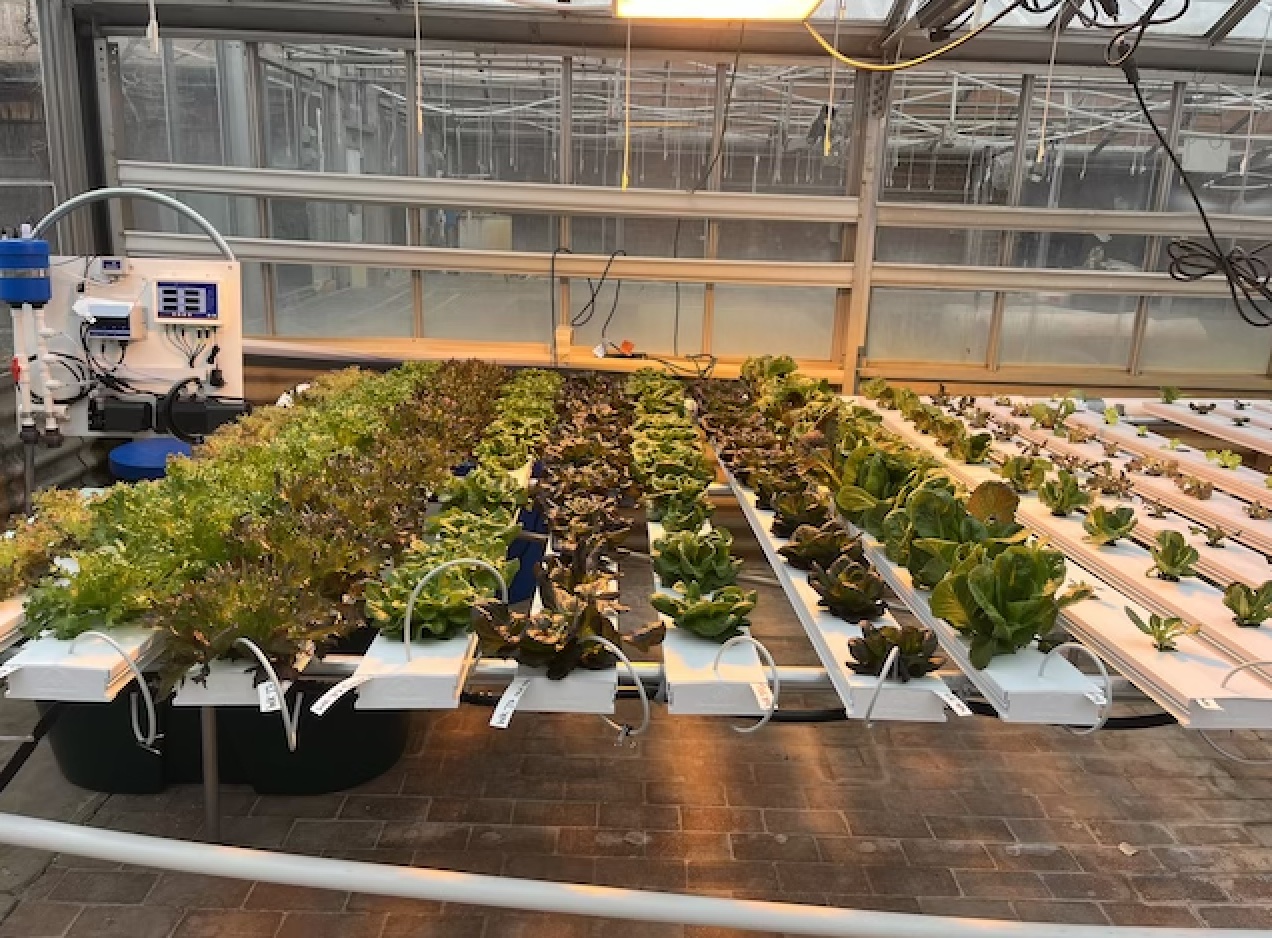
This project helped me to show my students and our small agricultural community the value, efficiency, and sustainability of the practice of growing hydroponically. The students built, grew, maintained, solved problems, marketed, and shared their experiences with our agricultural community showing an alternative method to traditional agriculture. The students are learning the benefits to using a sustainable hydroponic method as a possible source to combat the food deserts that are prevalent in our area.
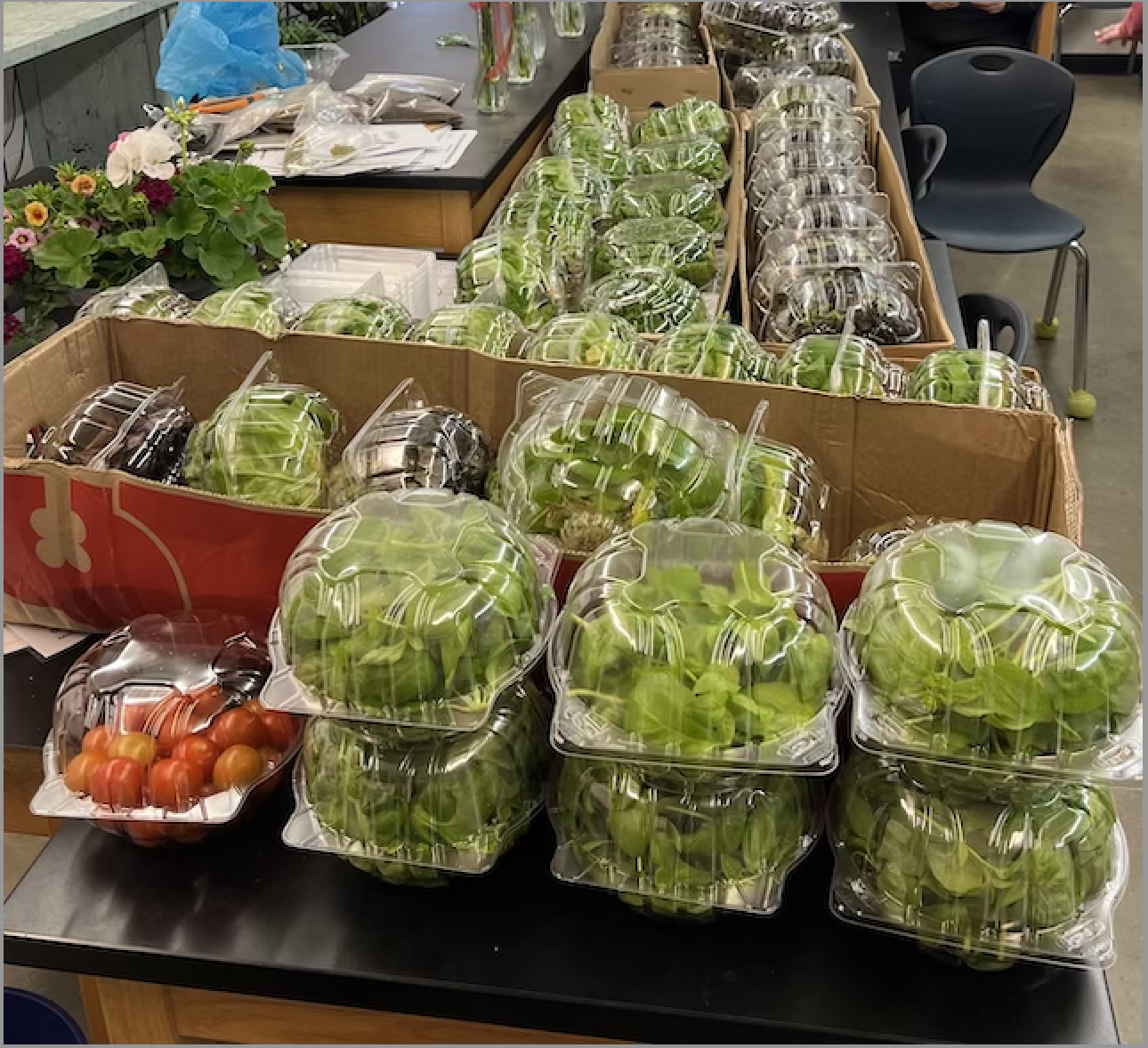
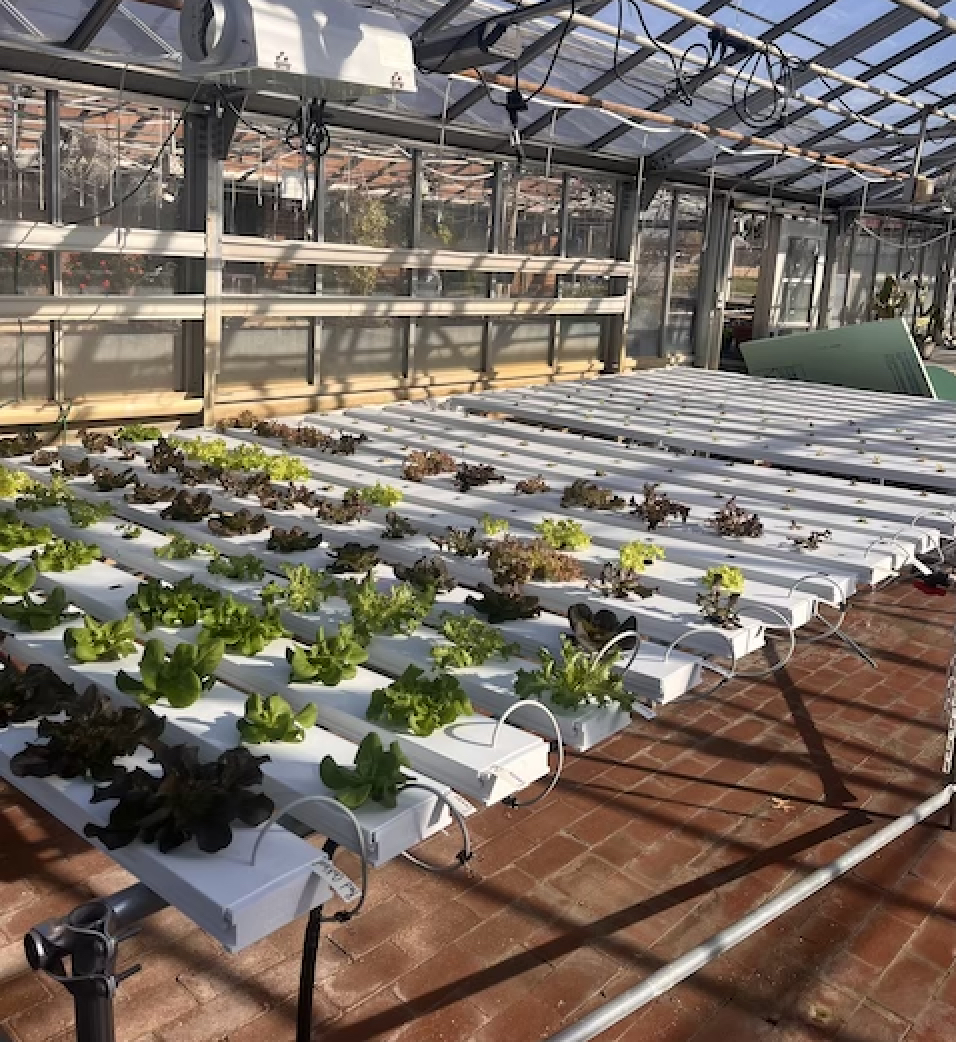
- Introduced students to the idea of sustainable agriculture through hands-on activities in our greenhouses by implementing a hydroponic leafy greens production program. Students planned, built, grew, maintained, and marketed the crop.
- Take students on school funded field trips to local hydroponic commercial growers to learn their best demonstrated practices on how to implement sustainable practices in their businesses. This will also introduce them to the various agricultural career pathways. This trip is planned for spring of 2025.
- Hosted open houses and gave student-led tours of our facilities. This included district elementary and middle schools. We planned to have community workshops and tours, but our pest pressure has prevented this from happening so far. We hope to do this in the spring this year as long as we can keep our crop looking good.
Cooperators
- (Educator)
Educational & Outreach Activities
Participation summary:
We have hosted several tours for our elementary and middle school students but our pest pressure has prevented us from hosting farmers and educators for workshops/tours. We hope to pick this up once we get the crops stable again.
Learning Outcomes
Water quality and management
Food access
Crop production and efficiency
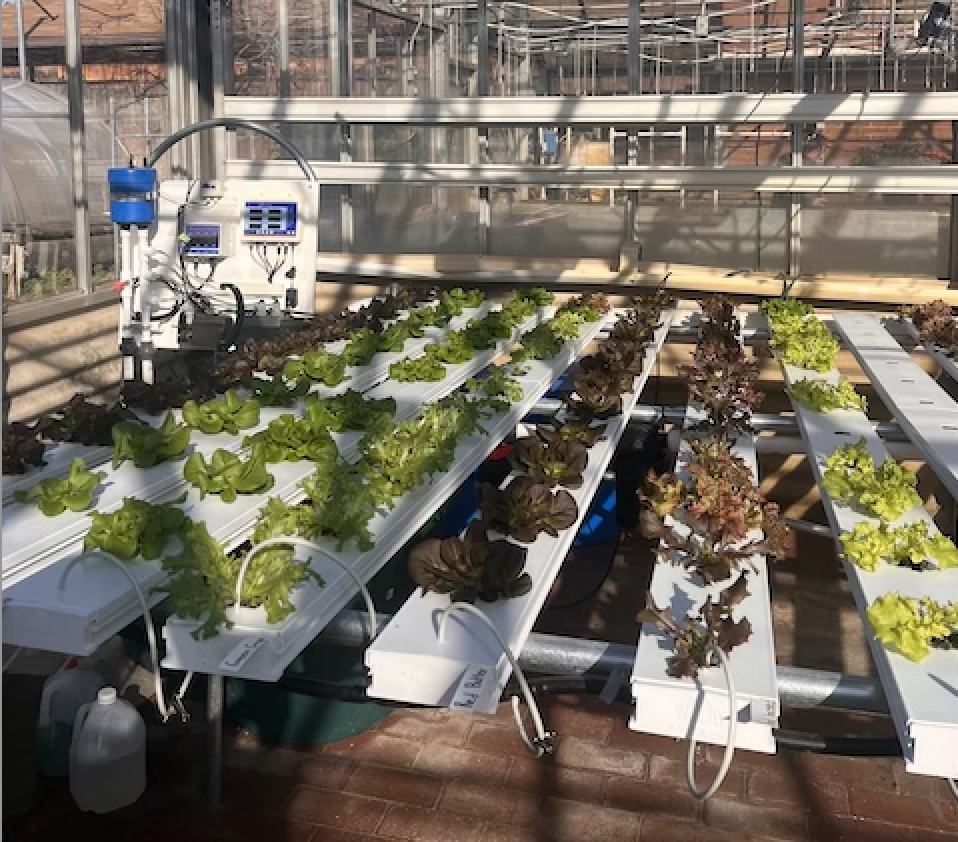
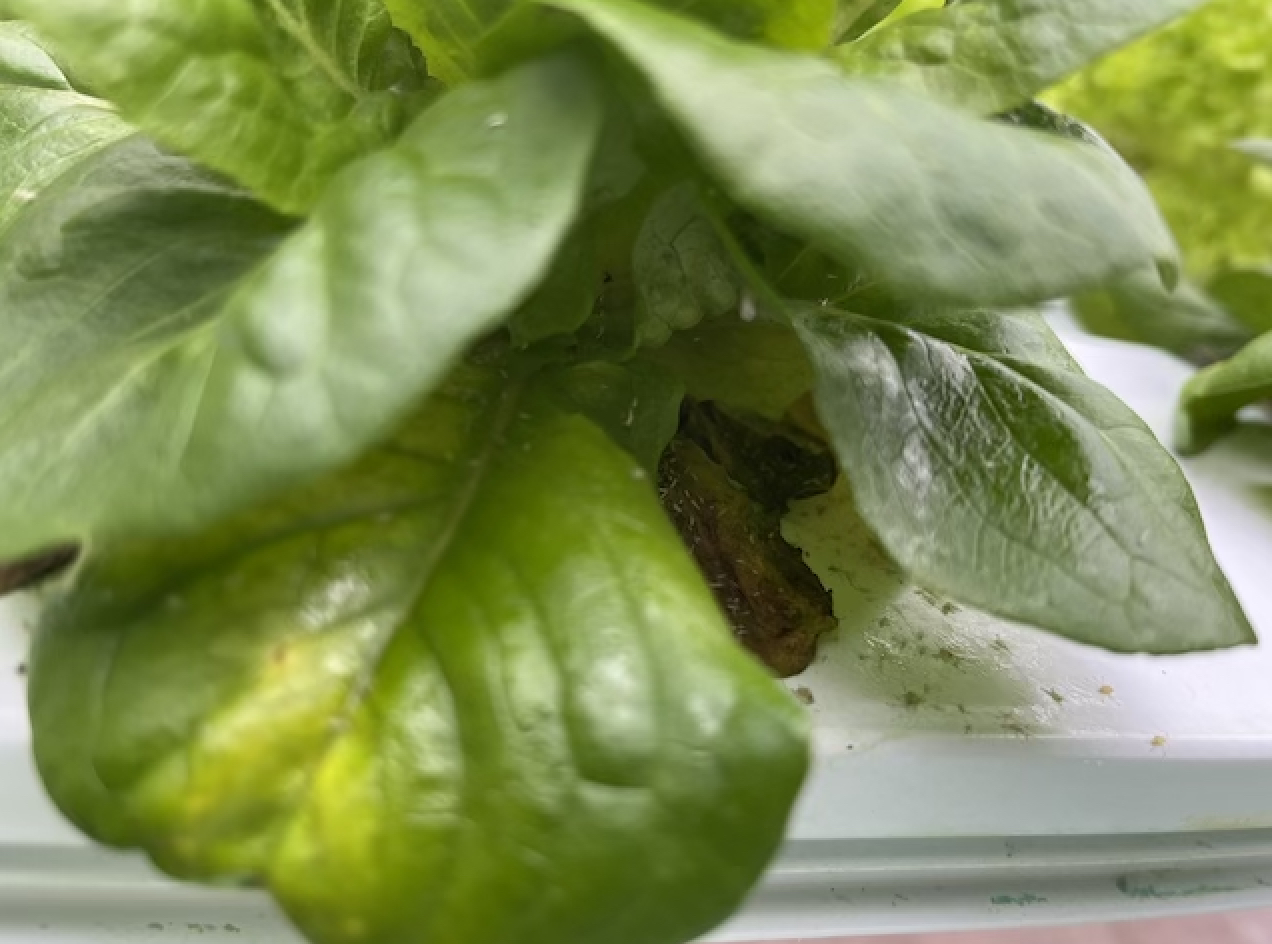
This project has had it's share of issues. The. equipment we purchased with the grant funds has been great and worked as expected. However, we have had an extreme amount of pest pressure. We have dealt with powdery mildew and aphid pressure the last year. This has prevented us from hosting the public for tours, but we have still had student from the district's elementary and middle schools. The automated fertilizer controller has done an amazing job at regulating our water chemistry for us, but with the pest pressure, we have not had the best crops. This has produced some unintended learning moments about pests. This has led us to discuss the role that pesticides play in sustainable agriculture. The students used our pest infestations as part of their pest identification studies, IPM practices, and pesticides and their uses in food production. We learned that we need to be more proactive in our scouting and also used biological methods in the form of predatory insects to fight the pests. We have definitely solved our water quality issues with the Crop King Fertroller and reduced our water usage with the closed NFT system. The hydroponics system was implemented with our other growing projects to continue the students horticultural education, so no additional curriculum was needed, but the difference in our water usage was a visible. We have plans to split the system into two sections next year that will allow use to experiment with nutrient ratios and their potentially different yields.