Final report for YENC24-223
Project Information
Children 1st has long-standing partnerships with several farms in the Wichita area. Starting in the Spring 2024 semester, our K-8 students will visit these farms on field trips, interview the farmers, and learn sustainable farming techniques they can replicate in their school gardens. The students will also organize a science fair to present the lessons they’ve learned to the public, and lead tours of their school garden. Planned activities will focus on pollinators and beneficial insects, permaculture, sustainable energy, vermiculture, value-added products, and agribusiness careers.
What We Taught Youth
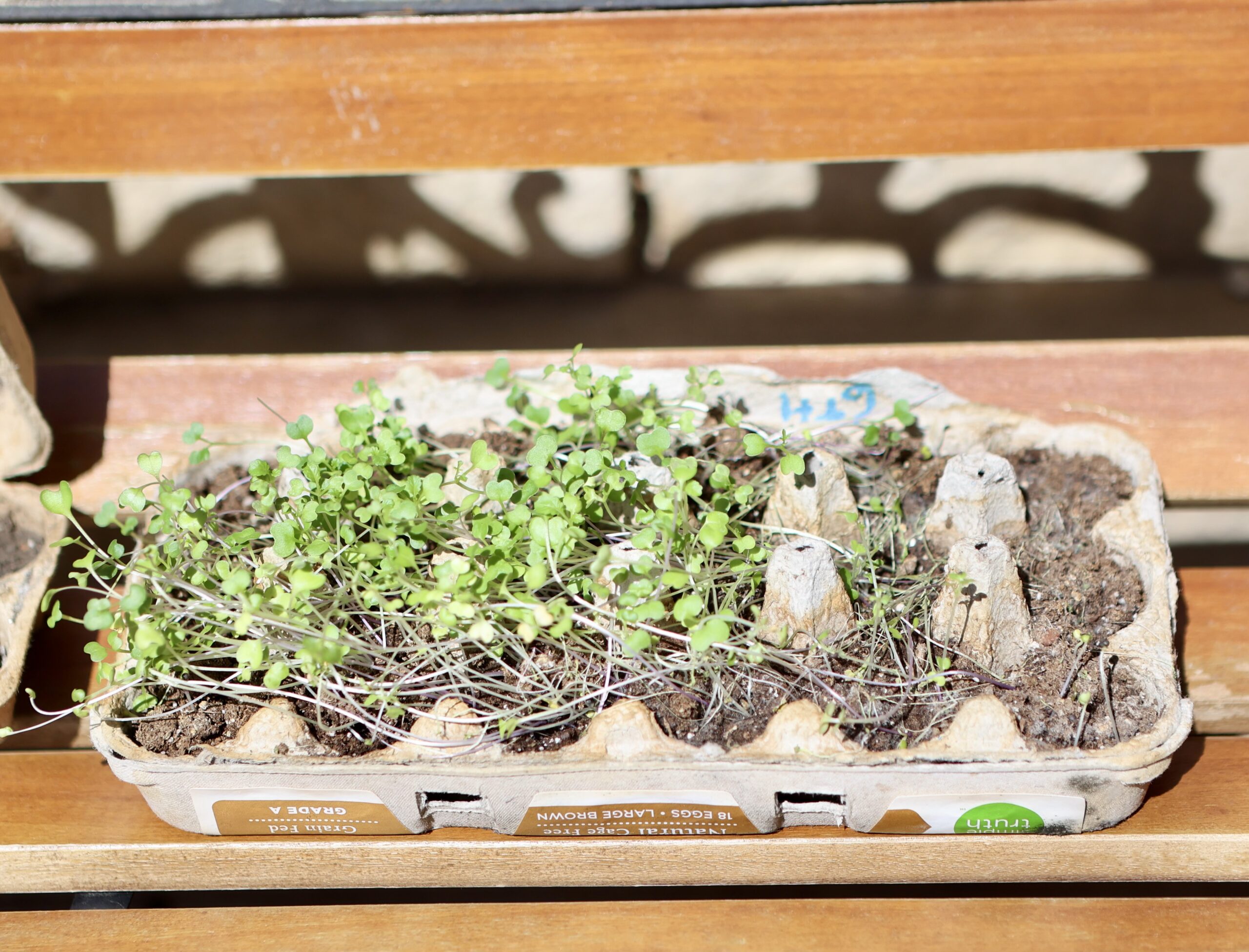
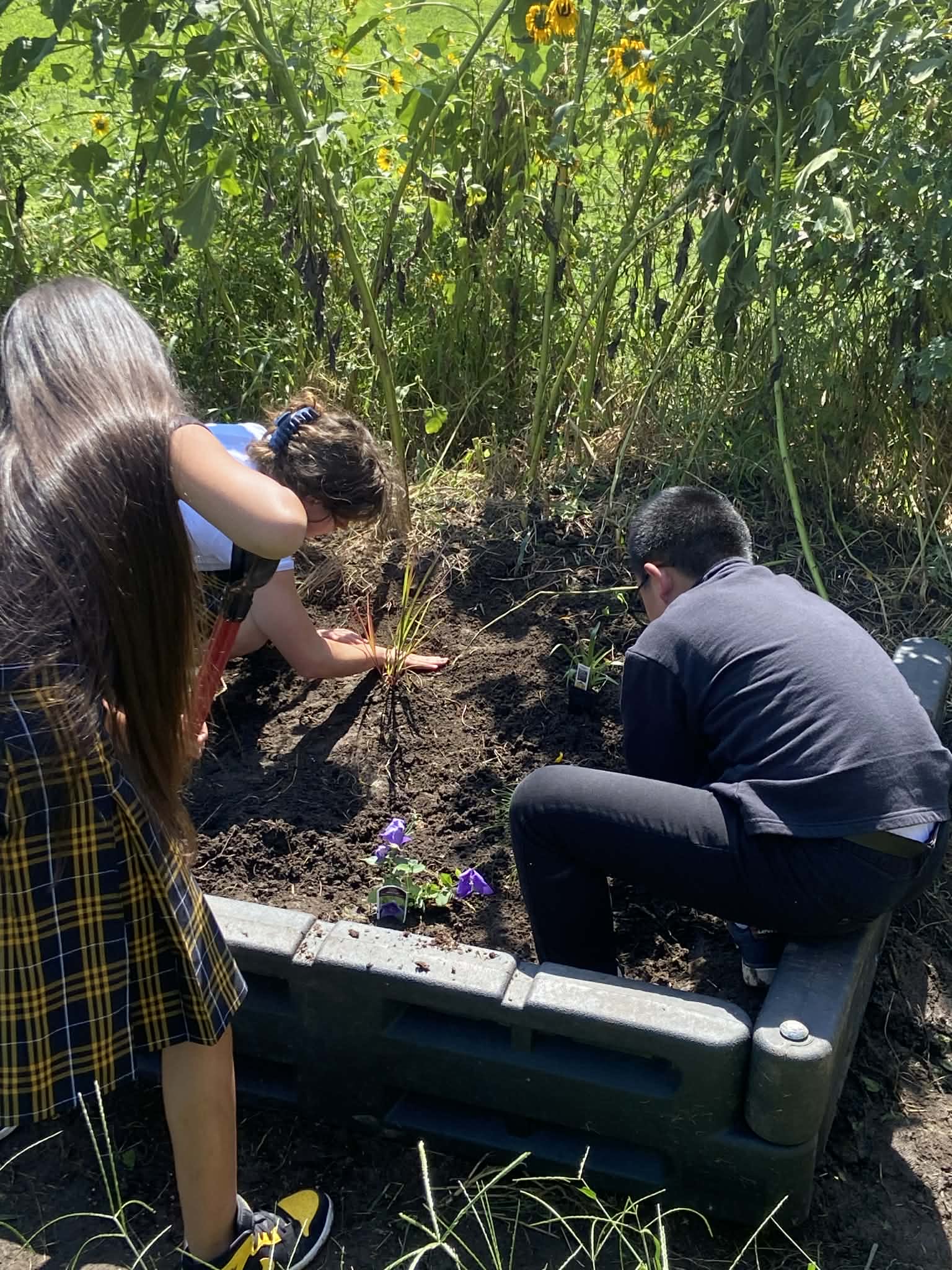
Students are taught, through the school gardens and through garden field trips, about sustainable growing practices including crop rotation, pollination, beneficial insects, cover crops, and drip irrigation. Students also learned about value-added food production by creating recipes from the gardens.
Educational Approach
Children 1st provided education about sustainable agriculture to 570 students in K-8th grade, including 1) field trips, 2) lessons, 3) education about agriculture careers, 4) science fairs, and 5) lessons using food from the garden.
Conclusions
Through the use of guest speakers, food and farm field trips, weekly garden lessons, after school garden times, science fairs focusing on growth and production of various seeds in classrooms, and a multitude of recipes, students and families have learned more about where food comes from, how it is grown, how to use it, and how to cook it in a variety of ways. This program provides a holistic take on how gardens and farms play major roles in our food system, especially for the students that we serve.
Youth/Educator/Parent Adoption
As educators, we grew to adopt more sustainable farming practices in our school gardens as we learned more with students. We also were able to connect with local farmers who also use these practices and support each other through shared seeds, knowledge, and resources. Parents informed us that students are trying and eating more fruits and vegetables at home after growing them at the school. There was also a 40% increase in the last two years of students that have home gardens as compared to the numbers at the beginning. Youth have shown an increased interest in gardening through the excitement they have about going to the garden each week, enthusiasm over learning about and visiting new farms, and willingness to try new foods.
- 100 low-income students from four K-8 Wichita schools will visit three or more local farms to learn sustainable farming practices.
- Four schools hosting C1st Education Gardens will incorporate lessons learned (e.g. permaculture, pollinators, vermiculture) from field trips.
- One or more guest speakers will come to each C1st school with an Education Garden and talk about sustainable agriculture and careers in agribusiness.
- Two science fairs at All Saints School.
- Ten or more nutritious recipes (e.g. salsa, smoothies, pizza) developed by students using produce from the Education Gardens to introduce the concept of Value-Added agribusiness.
Cooperators
- (Educator)
Educational & Outreach Activities
Participation summary:
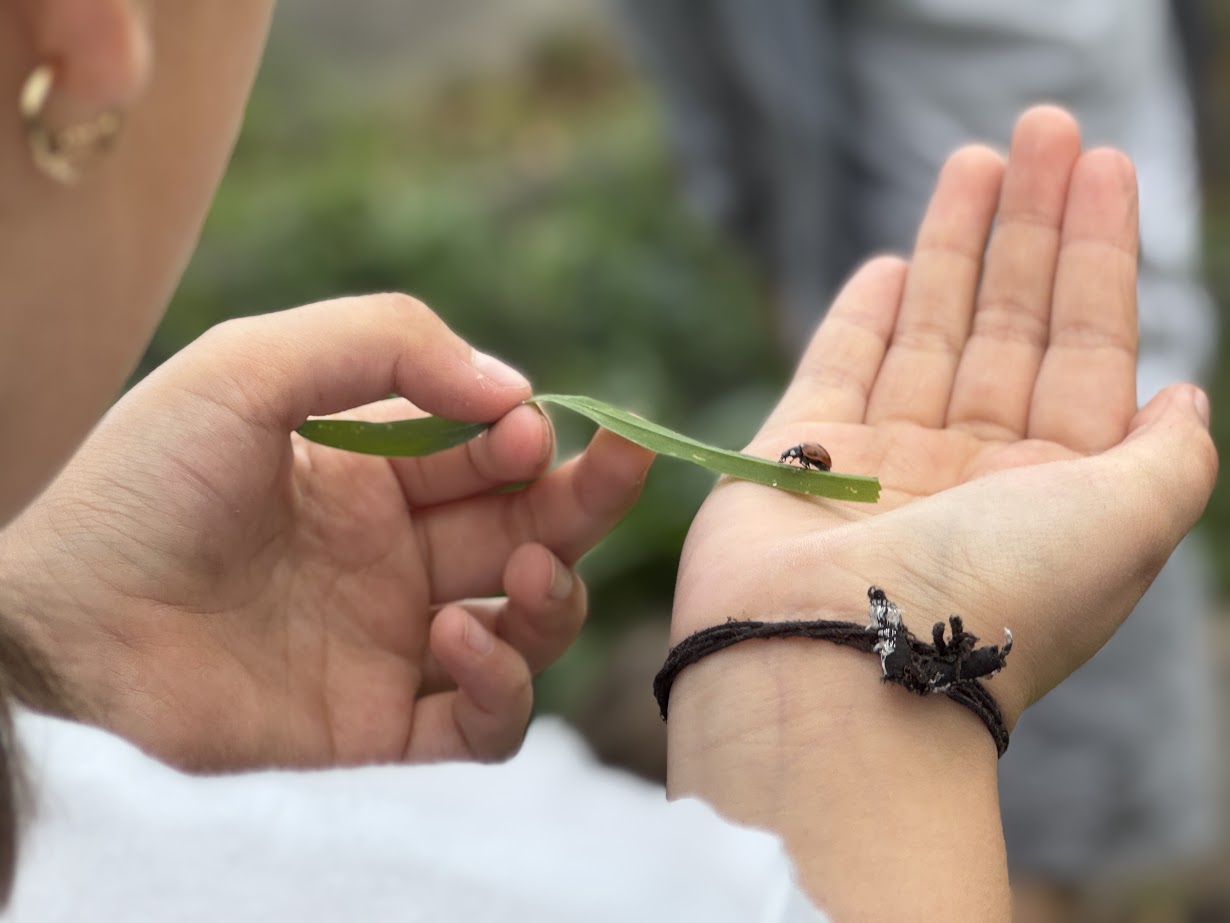
Students are taught, through the school gardens and through garden field trips to rotate crops through different garden beds and areas and to have a diverse array of plants that are grown in order to promote pollination and provide the right nutrients for every plant. They are also taught about cover crops and how to decrease and avoid erosion of soil over the winter. None of the school gardens use any pesticides or chemicals of any kind. Instead, natural plant supports like increasing the amount of ladybugs in the garden, using banana water, and adding compost are added as needed to support plant health. In the school gardens, we also use a drip irrigation system to teach about water waste through evaporation and about how much water plants really need to grow.
Children 1st provided education about sustainable agriculture to 570 students in K-8th grade, including 1) field trips, 2) lessons, 3) education about agriculture careers, 4) science fairs, and 5) lessons using food from the garden.
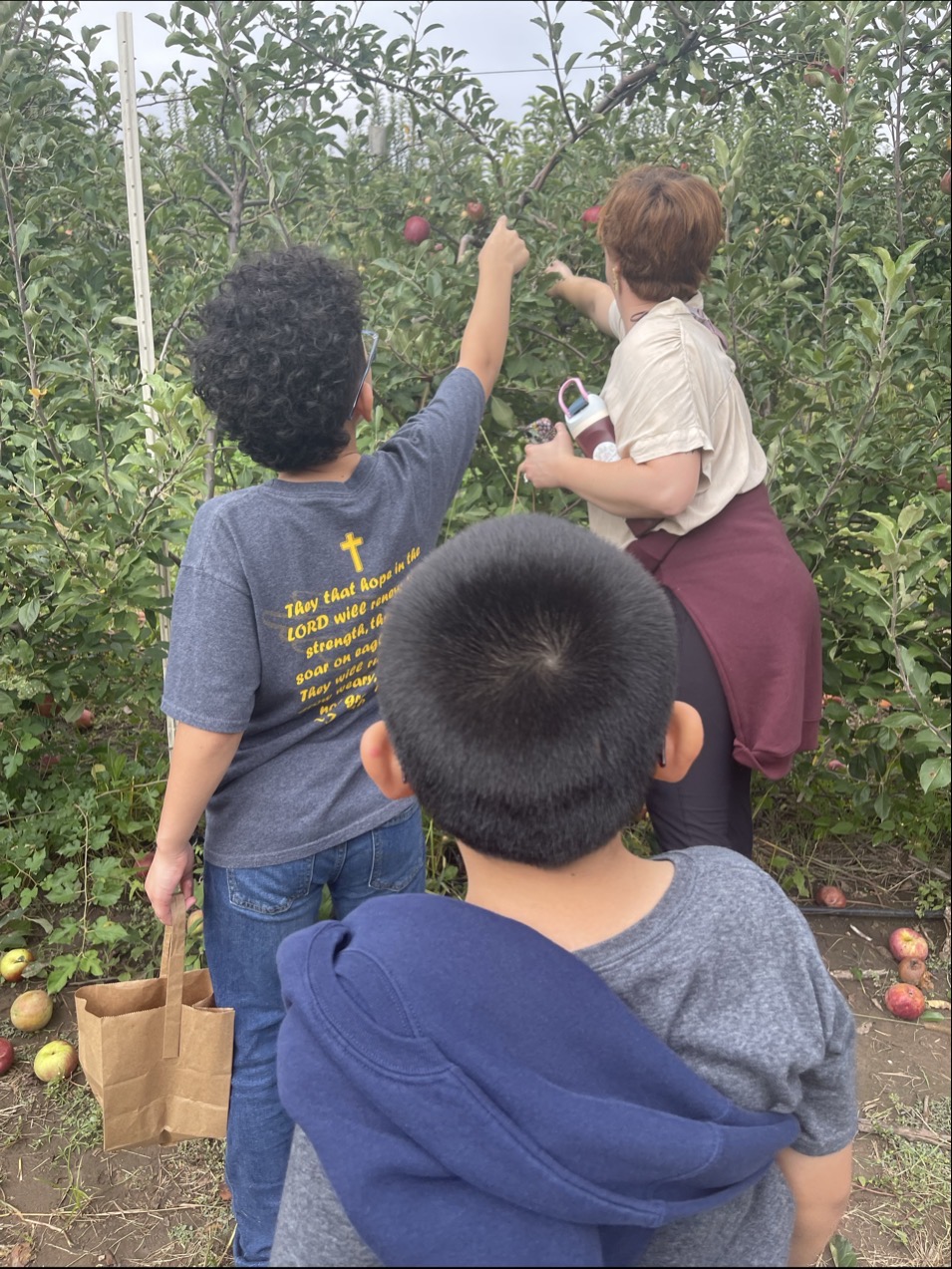
Fields trips for the schools included: 1) October 9, 2024, to Meadowlark Farm, 2) October 15, 2024 to Meadowlark Farm, 3) April 27, 2024 to Elderslie Farm, 4) April 18, 2025 to the Pizza Company using fresh food from the garden, 5) April 27, 2025 to RISE Farm, 6) May 4, 2024 to Elderslie Farm and Creamery, and 7) May 9, 2025 to Firefly Farms.

- Host webinar or in-person workshop
- Other
Learning Outcomes
Interest in growing gardens
Asking parents to add more vegetables to their diet.
Through the use of guest speakers, food and farm field trips, weekly garden lessons, after school garden times, science fairs focusing on growth and production of various seeds in classrooms, and a multitude of recipes, students and families have learned more about where food comes from, how it is grown, how to use it, and how to cook it in a variety of ways. This program provides a holistic take on how gardens and farms play major roles in our food system, especially for the students that we serve.
Lessons plans and curriculum are built with the following resources:
- Kids Gardening
- Life Lab
- Mystery Science
- Junior Master Gardener
- Ag in the Classroom
- Teachers Pay Teachers
Creating a curriculum from scratch with the use of outside materials can be a lot of work to tackle, but we love how we can pull what we need when we need it. These lessons come from a variety of resources, which means students are being exposed to knowledge coming from a wide range of experiences. Life lab and Kids Gardening are definitely more of a go-to resource than others, but overall information is pulled from many gardening and cooking experts. Many recipes have come from families and friends who have shared tried and true recipes that have worked for their kids. Lessons are tested and altered as we go and new lessons are constantly being added as we learn new activities to bring to kids.
Project Outcomes
At one of our schools, we have a fourth-grade student that has selective mutism. She speaks at home but has never felt comfortable speaking at school. I always see her smiling and laughing in the garden, having fun with friends and engaging at her comfort level. I thought she engaged in all activities like this, but I have recently found out that she is much shyer in other spaces in school and really does love the garden program a lot. She chooses to come to after school garden time. I recently found out she told her parents she wanted to go to very badly and they made sure that she could go. She also helps me with other garden tasks and when I have a random task that needs done, is one of the first to offer to help. In November, I took a picture of her helping me with a garden project and her brother saw it later and said "she never smiles in pictures!" I am so grateful that she feels comfortable in the garden program and safe enough to participate in the ways that make her feel comfortable.
None.