Final report for YENC25-226
Project Information
We created a team of Young people who are able to horse log, and better care for our forests. To do this, we hosted a workshop with Cedar River Horse Logging offered to approximately 12 youth on the White Earth reservation. Our goal was to teach safety, equipment, directional felling and how to care for our forests with horses, protect our natural world, strengthen relationships with animals and each other and have safe ways to be in the forest.
- Foster biodiversity protection through horse logging, which minimizes ecological damage by up to 30% compared to conventional methods.
- Restore respect for the forest and careful logging methods, while strengthening our skills as horse people and harvesters.
- Train the next generation to be safe, effective, and create essential skills for the regional forested economy while keeping our horses and teams in shape for maple syrup harvest, the summer and farming.
- Create a premium quality industry standard, which carries with it a valued price.
Educational & Outreach Activities
Participation summary:
Since we have had horses, we have horse logged. Our project aimed to reinvigorate this age-old practice by infusing it with modern ecological and safety training, making it a cornerstone of sustainable forestry within the White Earth Reservation.
The funding allowed us to establish a comprehensive training program that incorporated modern safety protocols, ecological assessments, and sustainable forestry practices tailored specifically for the White Earth Reservation. We were able to introduce young participants to advanced techniques such as directional felling, which minimizes impact on the forest ecosystem, and the proper maintenance of both equipment and horse health, ensuring safe and effective logging operations.
Moreover, the project expanded beyond practical logging skills to include lessons on the ecological roles of forests, the importance of flora and fauna, and the responsibilities of forest management. This holistic approach not only preserves the environment but also enriches our people's connection to their land and traditions. The grant provided essential resources for purchasing modern safety equipment and materials, which were beyond current budget constraints but critical for implementing these practices safely and effectively. Additionally, funds supported the engagement of experts like Tim Carroll, whose expertise is invaluable but financially not feasible without support.
This initiative represents a significant innovation for our area by formalizing horse logging training, making it a viable and attractive career path for youth. It promises to build a bridge between traditional knowledge and modern ecological practices, creating a sustainable model that can be replicated in other communities.
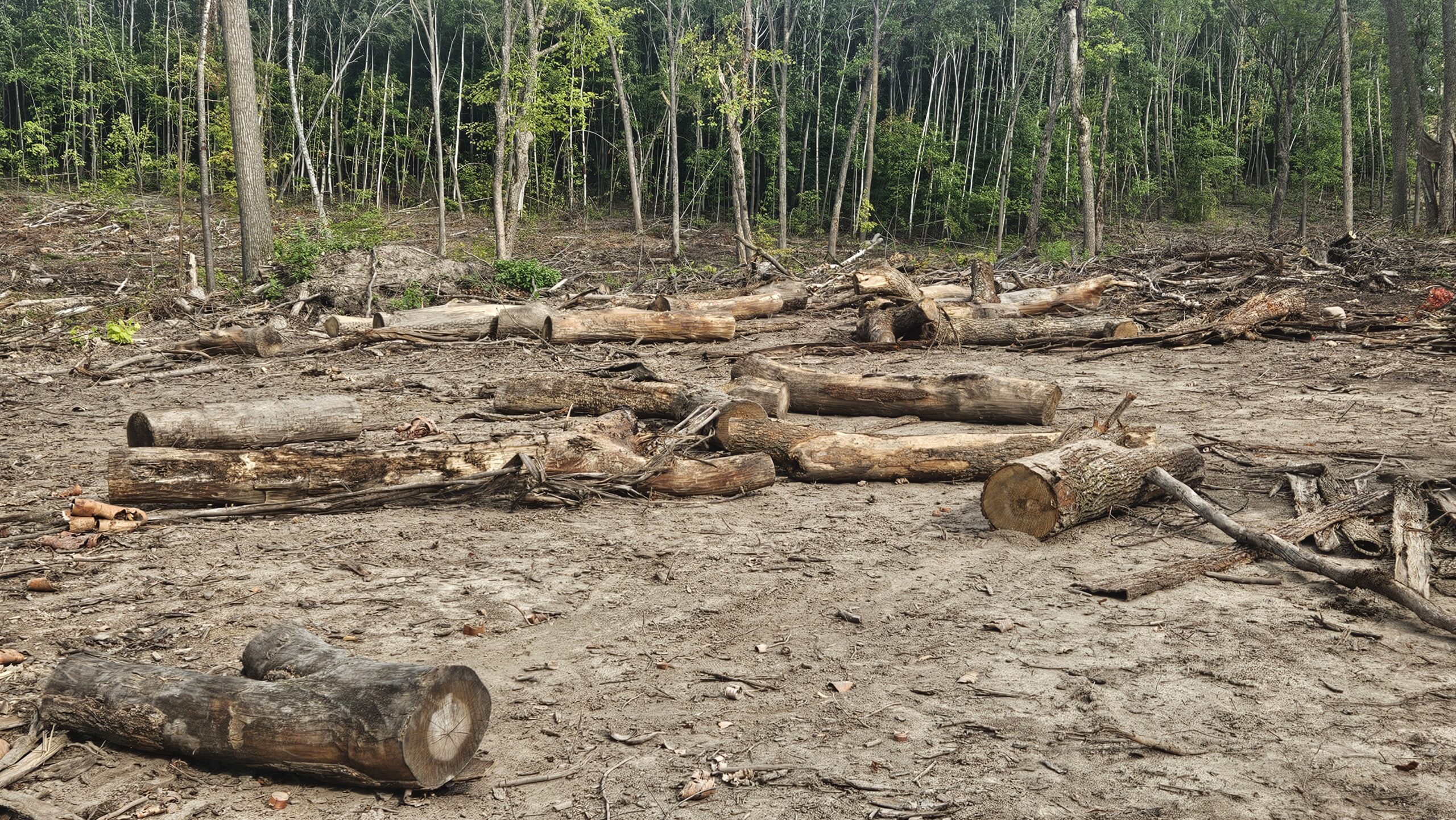
Horse logging stands in stark contrast to conventional logging methods, which often rely on heavy machinery that can strip entire hillsides of trees as if they were uniform rows of crops. This mechanized approach disregards the unique and interconnected nature of forest ecosystems. For millennia, woodlands have sustained themselves through natural cycles: as older trees fall, new growth emerges to fill the spaces, ensuring continuous cover. Large clearings are not typical in undisturbed forest settings, where a wide range of trees and layered plant life create intricate habitats.
Our approach, inspired by continuous cover forestry, embraces these processes. This method takes only a sustainable yield, leaving the ecosystem to naturally restore itself. Using horses for logging significantly reduces soil compaction, prevents erosion, and minimizes habitat disruption. Unlike machines that can damage vast swaths of land, horses move gracefully through the forest, extracting only the selected trees and allowing the ecosystem to heal naturally.
This technique not only sustains plant and animal life but also respects the delicate balance of the forest. Horse logging brings us back to time-honored forestry practices, where sustainable cuts ensure that the forest continues to thrive, creating a model of stewardship that aligns with ecological integrity.
This was a training session, and it produced a group of youth trained with chainsaws, horses, and forest assessments. Our evaluation focused on tracking skill development and community impact to measure the success of this training. Participants are now proficient in chainsaw operation, horse handling, and forest assessment techniques. Tim Carroll, an experienced horse logger, conducted hands-on evaluations during and after the training, providing individualized feedback to participants and highlighting areas for improvement.
- Other
Learning Outcomes
Sustainable logging
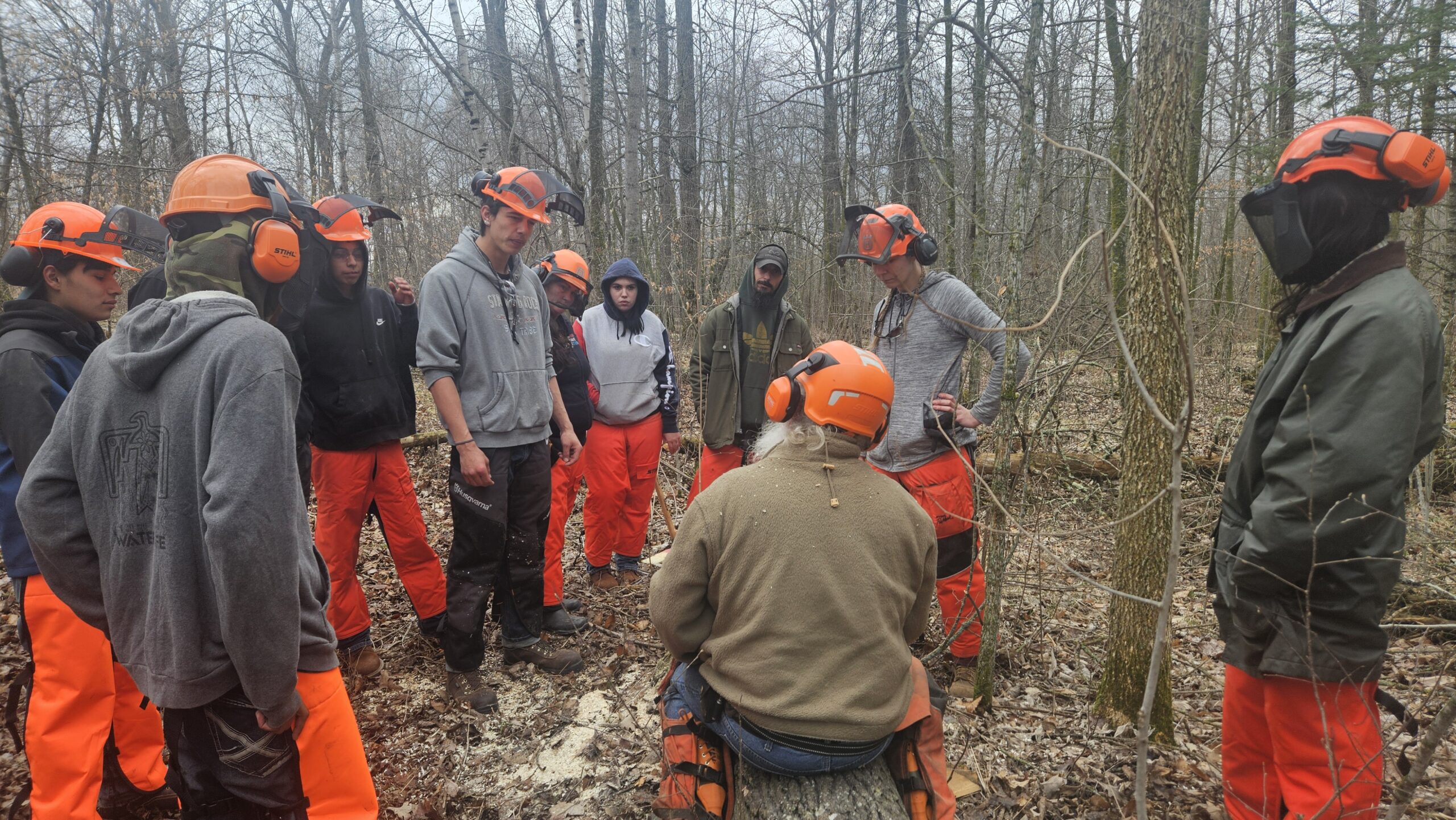
Tim provided the three-day training.
Hands-on. Allowed youth to find their skills.
Project Outcomes
Thank you for your support.