Final report for YENC25-243
Project Information
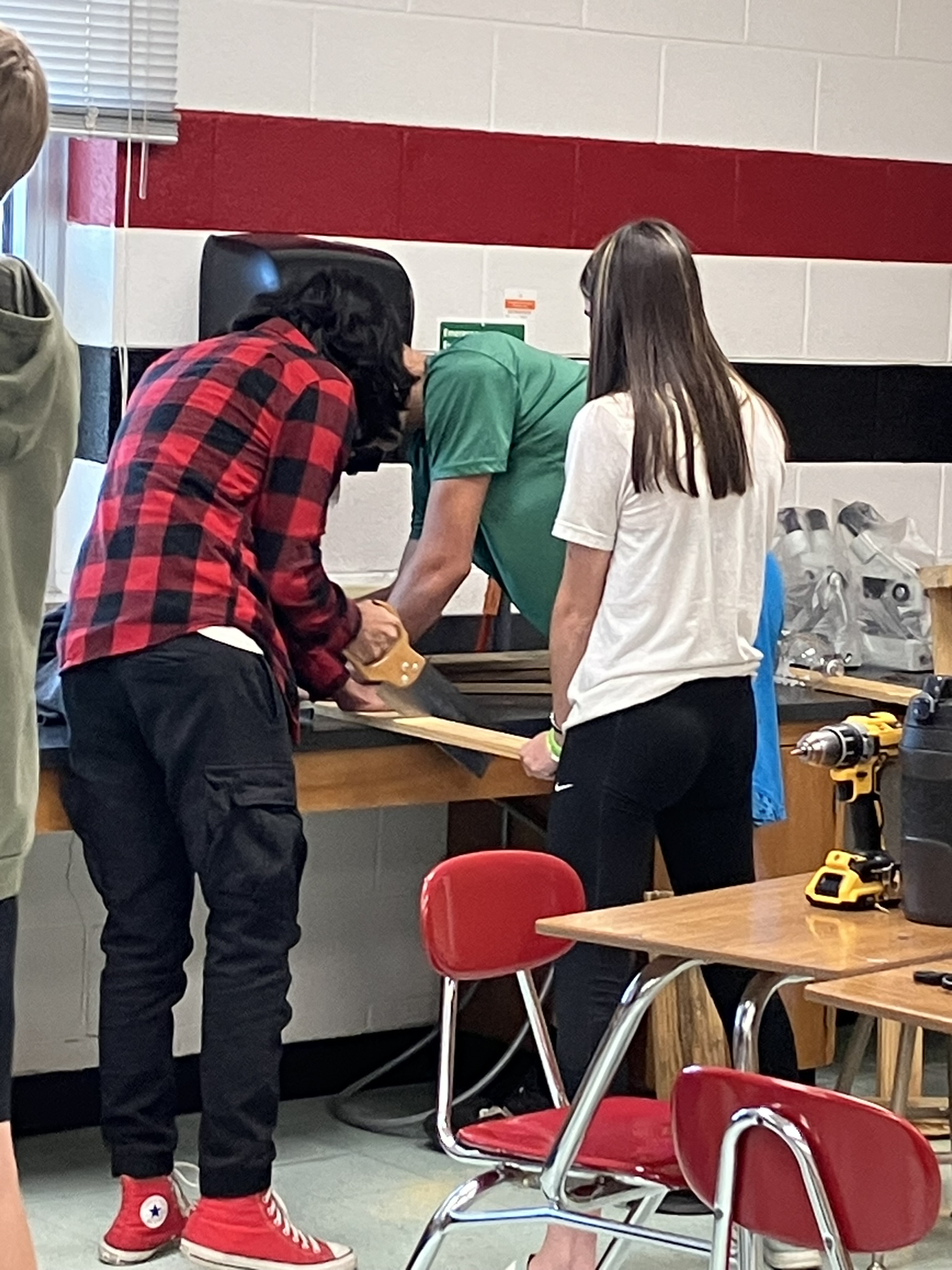
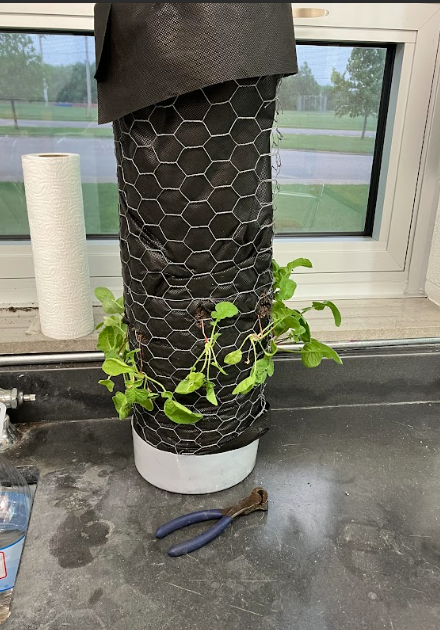
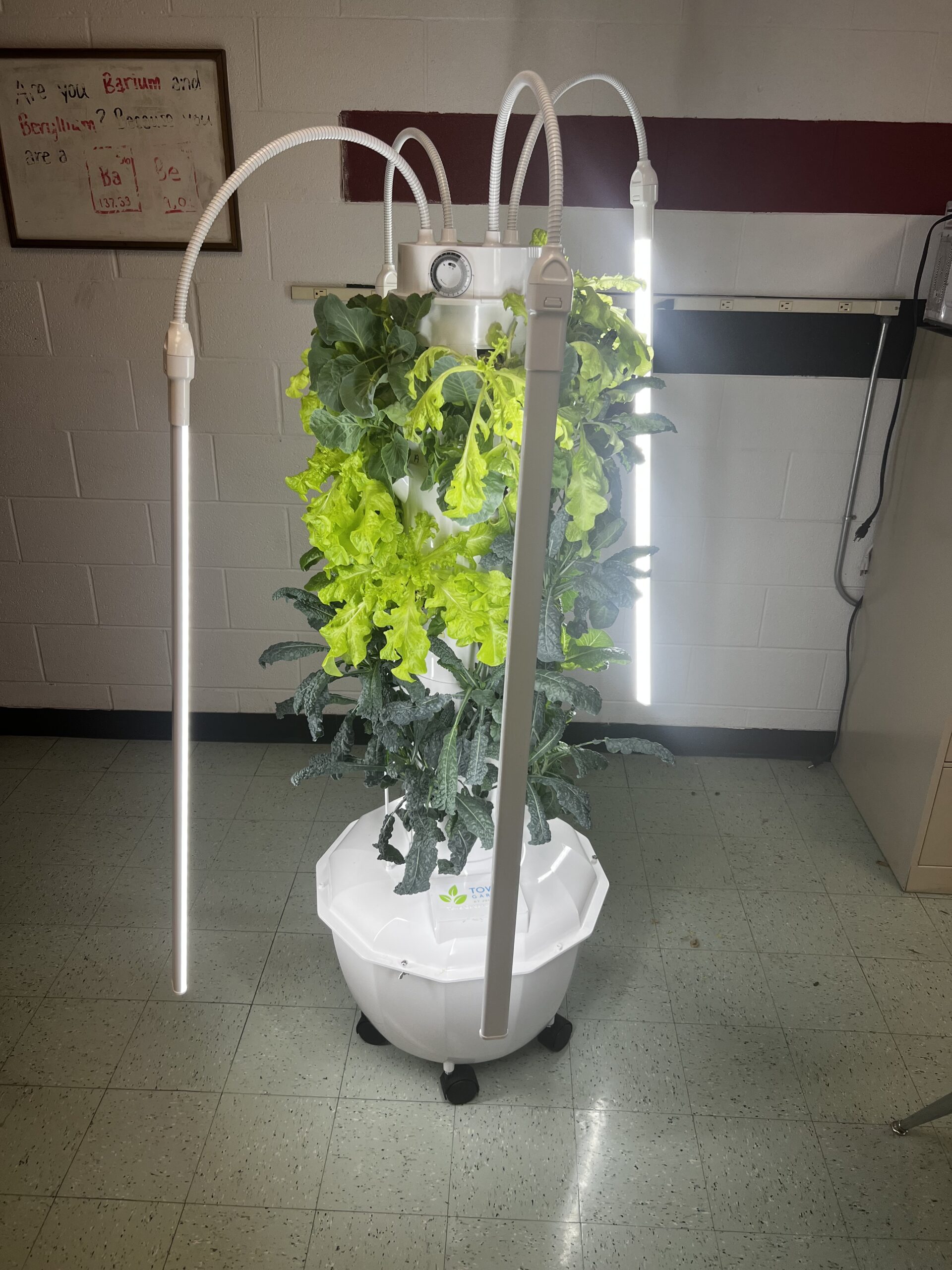
The Tower Garden Giveaway Project by the Kansas Foundation for Agriculture in the Classroom (KFAC) was designed to increase opportunities to hands-on, sustainable agriculture learning by providing classroom Tower Gardens, paired with a vertical gardening curriculum and educator support. The project focused on generating awareness of vertical gardening as an instructional tool, building educator interest, and supporting successful classroom implementation.
To launch the project, KFAC hosted a targeted social media promotion to generate interest and build awareness among educators statewide. This campaign highlighted the benefits of vertical gardening, showcased examples of classroom use, and promoted the availability of KFAC’s vertical gardening curriculum.
In addition to online promotion, KFAC actively shared information about the Tower Garden Giveaway Project at various in-person professional learning events. Educators were introduced to the project during a summer workshop hosted at the Kansas Wheat Center, where participants explored the vertical gardening curriculum and discussed classroom applications. The project was also promoted at the National Agriculture in the Classroom Conference, where KFAC staff presented on vertical gardening and sustainable agriculture.
Interested Kansas educators submitted applications describing how they planned to use the Tower Garden and curriculum to support student learning. From these applications, three teachers were selected to receive Tower Gardens based on their instructional plans and commitment to implementing sustainable agriculture education.
Following selection, KFAC provided direct support to the awarded teachers to ensure successful classroom implementation. This included guidance on garden setup and implementing the vertical gardening curriculum.
Through coordinated promotion, strategic outreach, thoughtful selection, and sustained teacher support, the Tower Garden Giveaway Project increased educator capacity, expanded opportunities to use vertical gardening, and strengthened the integration of sustainable agriculture curriculum for more than 450 Kansas youth.
- This project will encourage hands-on agricultural education about sustainable practices by promoting the KFAC Vertical Gardening curriculum.
- This project will pilot the Vertical Gardening curriculum and generate impact data.
- This project will introduce 450 youth to VG and agriculture career opportunities.
Educational & Outreach Activities
Participation summary:
Education and outreach efforts focused on promoting sustainable agriculture through the use of Tower Gardens and an integrated classroom curriculum reached educators and students across Kansas and beyond. These activities were designed to increase awareness of vertical farming, provide hands-on professional learning opportunities, and support teachers in implementing sustainable agriculture concepts in meaningful, classroom-ready ways.
A central component of this outreach was the Tower Garden giveaway initiative, promoted through social media, which not only generated interest in using Tower Gardens and in the sustainable agriculture curriculum but also provided three teachers with Tower Gardens to implement it in their classrooms. In addition to coordinating the distribution of the gardens, direct consultation and ongoing support were provided to each awarded teacher. This support included guidance on classroom integration, lesson planning, plant selection, maintenance, and strategies for connecting vertical gardening to science, literacy, and nature education standards. Across these three classrooms alone, more than 450 students have engaged in hands-on learning in sustainable agriculture, plant science, and food systems.
Outreach efforts extended beyond the recipient classrooms through professional development and conference presentations. A summer workshop hosted at the Kansas Wheat Center introduced 15 teachers to the Tower Garden giveaway program and demonstrated how vertical gardening can be used to teach sustainable agriculture concepts. Teachers participated in hands-on activities, explored aligned curriculum resources, and discussed practical strategies for implementation in a wide range of classroom settings. This workshop emphasized scalability and cross-curricular connections, enabling educators to envision how vertical gardening could fit within their own instructional contexts.
To further expand reach, presentations were delivered at multiple state and national conferences. The Tower Garden initiative and sustainable agriculture curriculum were presented at the National Agriculture in the Classroom Conference, the KACEE State Conference, and the Soybean Institute. Across these events, more than 90 educators were introduced to vertical gardening as a tool for teaching sustainability, conservation, and agricultural systems.
The impact of these outreach efforts extends well beyond the direct numbers. While the three Tower Garden classrooms reached more than 450 students, the broader impact is amplified by the educators who were introduced to vertical gardening and sustainable agriculture curricula through workshops and conference sessions. Many of these educators reported increased interest and confidence in incorporating vertical farming concepts into their teaching, multiplying the reach to additional classrooms and student populations.
Surprisingly, the three teachers selected for the Tower Garden giveaway had not previously attended any of our trainings; they learned about the opportunity through our social media outreach. Once the selection committee identified the winners, we initiated email correspondence to confirm delivery details and timelines, which required three separate orders to ship the gardens directly to their schools. Through multiple email exchanges, we introduced the teacher to the Tower Garden curriculum and followed up with a phone call to each teacher and one in-person visit to support implementation. We also connected them with two experienced teachers who had already used the curriculum and were willing to serve as mentors. The most time-consuming issue was that one garden was shipped without all the parts, so we provided support to help the teacher obtain the products that should have come with the package. Overall, I estimate we spent about 3 hours with each teacher. I don't know how much interaction took place between the new teachers and the mentors, but I haven't heard of any issues.
Collectively, these education and outreach activities strengthened educator capacity, increased students' opportunities to engage in hands-on sustainable agriculture experiences, and expanded awareness of vertical gardening as an innovative, scalable approach to agricultural education. By combining tangible classroom resources with professional learning and ongoing support, this initiative created both immediate and lasting impact across schools and educational communities.
- Host webinar or in-person workshop
- Series of short videos and/or social media posts
- Present at education conference
Learning Outcomes
Knowledge: Student understanding increased on many topices including plant life cycles, germination, and growth requirements; the role of water, nutrients, and space in plant development, differences between traditional soil-based agriculture and hydroponic/vertical farming; how vertical gardening supports sustainable agriculture through water conservation, cost effective land use, and local food production; and connections between agriculture, food systems, nutrition, and daily life.
Attitudes: Students showed enthusiasm in the classroom with a more positive attitude toward agriculture, science, and sustainability; students demonstrated increased curiosity about how food is grown and greater appreciation for agriculture; many students demonstrated heightened interest in land stewardship and problem-solving, as well as increased confidence and ownership in their learning as they cared for living plants over time
Skills: Students developed scientific skills such as observing, predicting, measuring, collecting data, and drawing conclusions, critical thinking, and problem; literacy skills through journaling, vocabulary development, discussion, and speaking; mathematical skills such as measuring growth, tracking changes over time, and interpreting simple data; and collaboration and communication skills developed through group tasks and shared responsibility for the gardensolving by doing activities within the curriculum.
Awareness: Students demonstrate a greater awareness of where food comes from and how it is produced; agricultural technologies and careers related to sustainable agriculture; the importance of resource conservation; and individual actions connect to larger food and ecological systems
I have not been able to collect the survey results from teachers to provide specific numbers of students reporting changes in knowledge, attitudes, skills, and/or awareness, but teachers have reported anecdotally that they saw a significant increase in student engagement in their classes, which resulted in enhanced learning in the key areas I noted above. One student asked a teacher if they could not work on the Tower Garden the following day because she had to miss school and didn't want to miss what they were going to be doing in class. Students reported experiencing hunger, and because of that experience, they were drawn to learn more about how food is grown and sustainable practices that protect food production. All of the students who are exposed to this curriculum will have a greater understanding of where their food comes from and how ecological conditions influence the quality and availability of food.
Overall, teachers have provided very positive feedback. We plan to continue promoting this curriculum and collecting data on its impact. We will be including this project in our workshop in the summer of 2026 and presenting at the National Agriculture in the Classroom Conference, increasing the reach and impact of this project.
This unique group of lesson plans was completed as part of a grant from the National Institute of Food and Agriculture, in partnership with the Rural Education Center in Kansas State University’s College of Education, to attract students to degrees in agriculture and food science. The curriculum comprises 11 lessons, with many taking 2-3 days to complete. The curriculum is flexible, allowing educators to select lessons when they don't have time to complete the entire curriculum.
https://ksagclassroom.org/kansas-lesson-plans/vertical-gardening/
The KFAC Vertical Gardening Curriculum was developed to support hands-on learning in sustainable agriculture through the use of Tower Gardens in classroom settings. Designed for elementary and middle school learners, the curriculum introduces students to vertical farming as an innovative agricultural practice that addresses challenges related to land use, water conservation, and food production.
The curriculum provides teachers with ready-to-use lesson plans that guide students through the full plant growth cycle, from seed selection and germination to harvest and reflection. Lessons emphasize core agricultural concepts such as plant needs, nutrient delivery, photosynthesis, and growing condition factors that influence growth, while highlighting how vertical gardening differs from traditional soil-based systems. Students explore how hydroponic systems function, why water use is critical to sustainability, and how indoor growing spaces can increase food production in limited spaces.
Cross-curricular connections are embedded throughout the curriculum. Science lessons focus on life cycles, ecosystems, and human impacts on the natural world; mathematics activities incorporate data collection, measurement, and analysis; and literacy components encourage observation journals, vocabulary development, and explanatory writing. The curriculum also prompts discussions about food systems, nutrition, and the role of agriculture in daily life, helping students connect classroom learning to real-world applications.
A key strength of the KFAC Vertical Gardening Curriculum is its emphasis on inquiry-based learning. Students make predictions, collect and analyze data, and reflect on results, thereby building critical thinking skills and agricultural literacy. The curriculum is flexible, allowing teachers to adapt lessons based on grade level, available time, and instructional goals.
By pairing classroom-ready curriculum with Tower Garden technology, the KFAC Vertical Gardening Curriculum empowers educators to teach sustainable agriculture confidently. It provides students with authentic, engaging experiences that build understanding of modern agricultural practices and encourage curiosity about how food is grown in an increasingly resource-conscious world.
Project Outcomes
In working directly with SARE on this grant, I gained a deeper understanding of the breadth and impact of SARE-supported projects across our region. Through conversations with other grantees, I learned about innovative projects and high-quality educational resources that support sustainable agriculture. This knowledge strengthens our organizational capacity by allowing KFAC to intentionally share and promote SARE opportunities and resources as we work with educators, expand professional development offerings, and connect teachers to regional networks focused on sustainability and agricultural innovation.