Project Overview
Commodities
- Additional Plants: native plants
- Animals: bees
Practices
- Animal Production: therapeutics
- Crop Production: pollination, pollinator habitat, pollinator health
- Farm Business Management: agritourism
- Sustainable Communities: urban agriculture
Summary:
Context:
Between 1826 and 1921, Mt. Pleasant thrived as rural farmland owned by local farmers. Over the subsequent century, urbanization has led to the migration of Cleveland's wildlife to suburban areas from Downtown and the urban areas, resulting in a dearth of biological diversity in the corridor between these two zones. Mt. Pleasant's diverse native flora habitat has experienced a steady decline, exacerbated by a notable decrease in the population of native pollinators.
Our project aims to address this ecological challenge by focusing on enhancing the presence of native pollinators and native flora in the region. We will explore the impact of increased native flowers to see if we can increase the sightings of native pollinators, contributing to the restoration of ecological balance in the Kinsman corridor.
Additionally, the region surrounding our farms faces economic challenges, with low household incomes and prevalent mental and physical health issues among residents. As educators in urban beekeeping and farming, we've observed the positive impact of our educational programs on participants like ourselves. Sharing this experience with the community at large and studying the effects of being in close quarters of honeybees and other pollinators, we aim to measure the benefits experienced by community members engaging in the project.
Summary:
- Problem, low pollinator diversity and high stress/anxiety environment in inner city Cleveland. Our solution involved adding pollinator gardens to residents' front and back yards to provide more food for pollinators through out their lifecycles. We added Apitherapy beds to provide residents with an experimental treatment from Eastern Europe used to easy stress and anxiety.
- Our research on the Apitherapy beds showed that all but one of our participants' levels of Anxiety, Stress and Tension where charted lower by them after each of their three visits. Each participant took a survey of how they felt before coming in to the apitherapy beds. After the experience another survey was given about their experience during and after. We will update project on studies with pollinators and people. Pollinator gardens will be installed in 2026.
- Our research conclusions on apitherapy beds are positive and straight forward. Participants almost always showed lower stress, anxiety and tension levels. Next we believe that more research should be conducted to see if Apitherapy beds and Apitherapy in general should be taken seriously and used here in America alongside mainstream Medicine.
- About 1/4 of our participants are local farmers within 2 miles of our Apitherapy beds, all 9 of are gardeners and farmers are signed up to participate in regularly occurring Apitherapy visits to Hood Honey in 2026.
Project objectives:
 Solution:
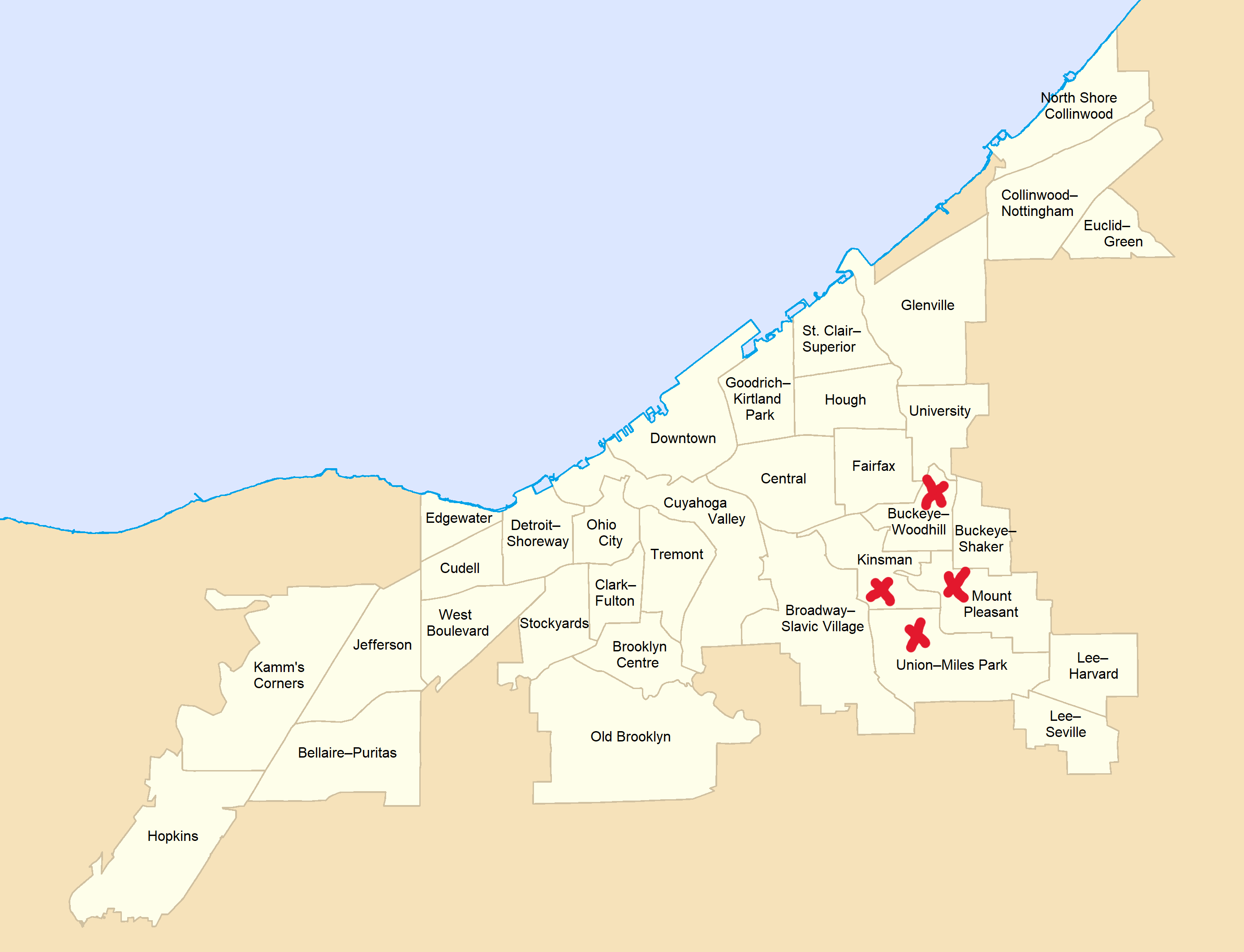
Our collaborative project, led by farmers Trey Williams and Aharone Ben Keymah, aims to address the environmental challenges in the Mt. Pleasant, Kinsman, Union-Miles and Buckeye-Woodhill neighborhoods through sustainable agriculture practices. Our two-fold approach encompasses expanding access to sustainable gardening and positives social activities for residents through interconnected pollinator garden installations. We then educate the participants on pollinator identification to encourage them to spend time in the garden observing their insect neighbors.
On the other side of this project, we invite the volunteers and residents along with other local farmers and people in the food system to participate and relax in our bee beds on a regular schedule. The impact of close exposure to Honeybees for our residents, volunteers and especially local farmers may help lower stress levels and increase the economic vitality of their personal projects. This type of therapy is comparable to treatment with horses, dolphins, etc., but is simpler, because sleeping on a bed is easy.
1. Improving Environmental and Social Sustainability:
- Pollinator Gardens and Migration Stations: Our project involves strategically establishing native pollinator gardens and migration stations across the target neighborhoods. This network will create corridors for wildlife and contribute to the overall health of the regional environmental ecosystem.
- Community Engagement: Through planned cohorts and volunteer opportunities, community members will actively participate in creating and maintaining these green spaces. This engagement not only supports the environment but also fosters a sense of community ownership and responsibility. We will encourage participants to start a garden club in the area after or during the project.
2. Studying the Impact of Bee Exposure: - Research Design: We will implement a research study to analyze the effects of bee exposure on volunteer community members. This will involve documenting experiences before, during and after bee bed therapy opportunities.
- Bee Bed Therapy Sessions: Integrating therapeutic sessions involving bee beds, we aim to explore the potential mental health benefits for participating volunteers, residents and local farmers by engaging with bees. This unique approach connects sustainable beekeeping practices with wellness, fostering a holistic understanding of the environment's impact on community health possibly leading to less stress and improved efficiency in the participants lives.
- Data Collection: Gathering qualitative and quantitative data on mental health, stress levels, and overall well-being, we aim to identify potential positive impacts on individuals engaging with bees regularly.
Objectives:
(1) Increase honeybee and general pollinator population within the Mt. Pleasant, Union -Miles, Kinsman, and Buckeye-Woodhill neighborhoods by planting 20 pollinator gardens within the 23-month project period,
(2) Educate approximately 50 neighborhood residents and volunteers on how to grow their own pollinator gardens through two 6-month cohorts (April - Sept),
(3) decrease the barrier to access by providing access to all tools and resources to cohort participants, including but not limited to seeds & seedlings, garden hand tools, containers, labor, etc.,
(4) install 1 bee bed structure with 4 hives for the purposes of wellness therapy studies.