Final report for EDS23-048
Project Information
The US sheep industry only produces roughly half of domestic demand for lamb. With low supply, market value of lambs at auction has approximately doubled in the last 10 years, which provides significant opportunity for new and existing sheep farmers and ranchers. Traditional sheep breeds and management systems have focused on extensive management common to semi-arid environments. Recent developments in breeding technology has demonstrated that sheep can be selected to thrive in higher rainfall, pasture-based systems common to the Southern region. Specifically, to improve sheep's ability to naturally resist internal parasites, while producing large lamb crops that can reach market weight in less than a year. The National Sheep Improvement Program (NSIP) provides seedstock breeders the tools and technologies to quantitatively accomplish this goal. Seedstock breeders use NSIP to generate estimated breeding values (EBVs) for a variety of traits, such as growth, litter size, parasite resistance, and carcass merit. Commercial producers can then source breeding animals that are equipped with the genetic potential to thrive in pasture-based systems not commonly used for sheep farming. This technology has been proven to work in other livestock species and sheep producers across the world. However, the US sheep industry has been slow to adopt this technology. Fortunately, there are innovative sheep breeders that have committed to this and they have been able to document impressive advancements. For the Southern region, Katahdin breeders have been the leaders in this field. Furthermore, genetic potential can only be expressed under the appropriate management system, which will vary from farm to farm. Our goal is to host five field days spread across the Southern region at innovative sheep farms to educate and demonstrate how to apply these technologies and management systems. The first objective is to provide hands-on educational events to train sheep farmers on how the NSIP program to generate EBVs for the betterment of the sheep industry. This will include how to collect performance data and how this data is translated into EBVs. Then work with attendees on how to interpret the information to make the most informed genetic selection decisions for their unique operations. The second objective is to provide educational tools and trainings on how whole farm management practices, such as targeted nutrition, multi-species grazing, and integrated parasite management, will complement optimal genetics to sustainably produce a healthy animal for market. The third objective is to build a social network of like minded farmers in a region that can share insights and knowledge during and after the event. This education grant is a continuation of a USDA-SARE professional development grant that Texas A&M AgriLife coordinated in the West Central Region of Texas. This educational grant would take the learning outcomes and successes from the prior grant to rest of the Southern Region of the US.
This proposal addresses 4 major objectives:
- Educate sheep farmers and ranchers on emerging genetic technologies to improve animal health and performance, specifically targeting selection of sheep for internal parasite resistance and production parameters fit to environment.
- Educate sheep farmers on how to match genetic potential of sheep and sustainable flock management strategies, such as multispecies grazing, targeted nutrition, selective deworming, rotational grazing, and flock performance data management, to optimize the entire farming system.
- Demonstrate these genetic technologies and production practices that have been successfully applied by farmers in 5 different environmental regions within the SARE southern section.
- Provide networking opportunities for sheep farmers and ranchers with each other and educators.
Cooperators
- - Technical Advisor
- - Technical Advisor
- - Technical Advisor
- - Technical Advisor - Producer
Educational & Outreach Activities
Participation summary:
 Final Report - 5/13/2026
The leadership of this project transitioned from the original PI to Dr. Jake Thorne during the grant period. Following this transition, project efforts focused on organizing and delivering producer-focused educational workshops across the southern United States centered on the use of genetic technologies and management strategies to improve sheep flock productivity, health, and sustainability.
Through this grant, three in-person field day workshops were successfully conducted in different regions of the southern United States. These workshops emphasized practical, hands-on education and peer-to-peer learning opportunities designed to improve producer understanding and adoption of Estimated Breeding Values (EBVs), performance recording, genomic technologies, parasite management, reproductive management, and flock data collection systems.
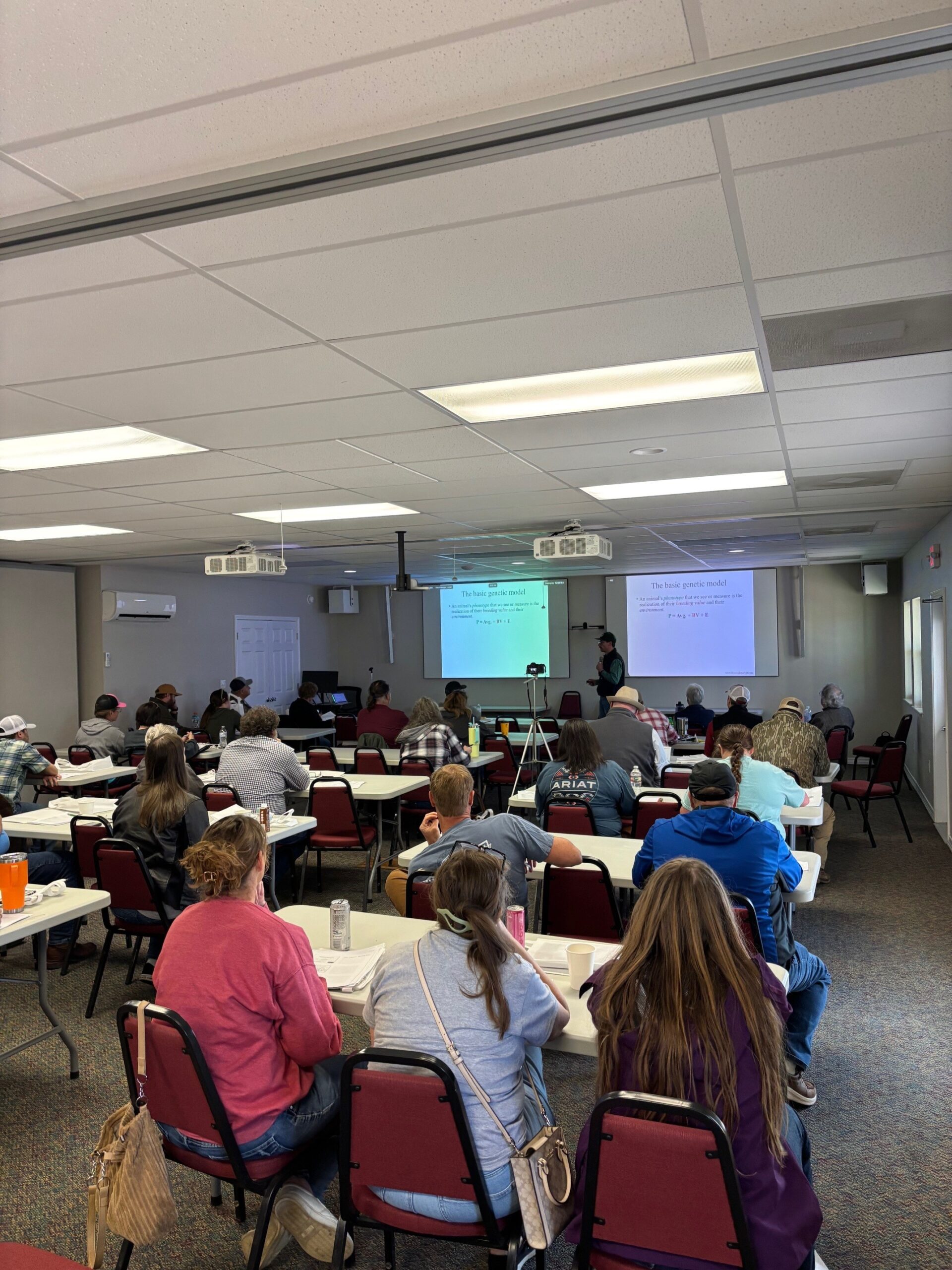
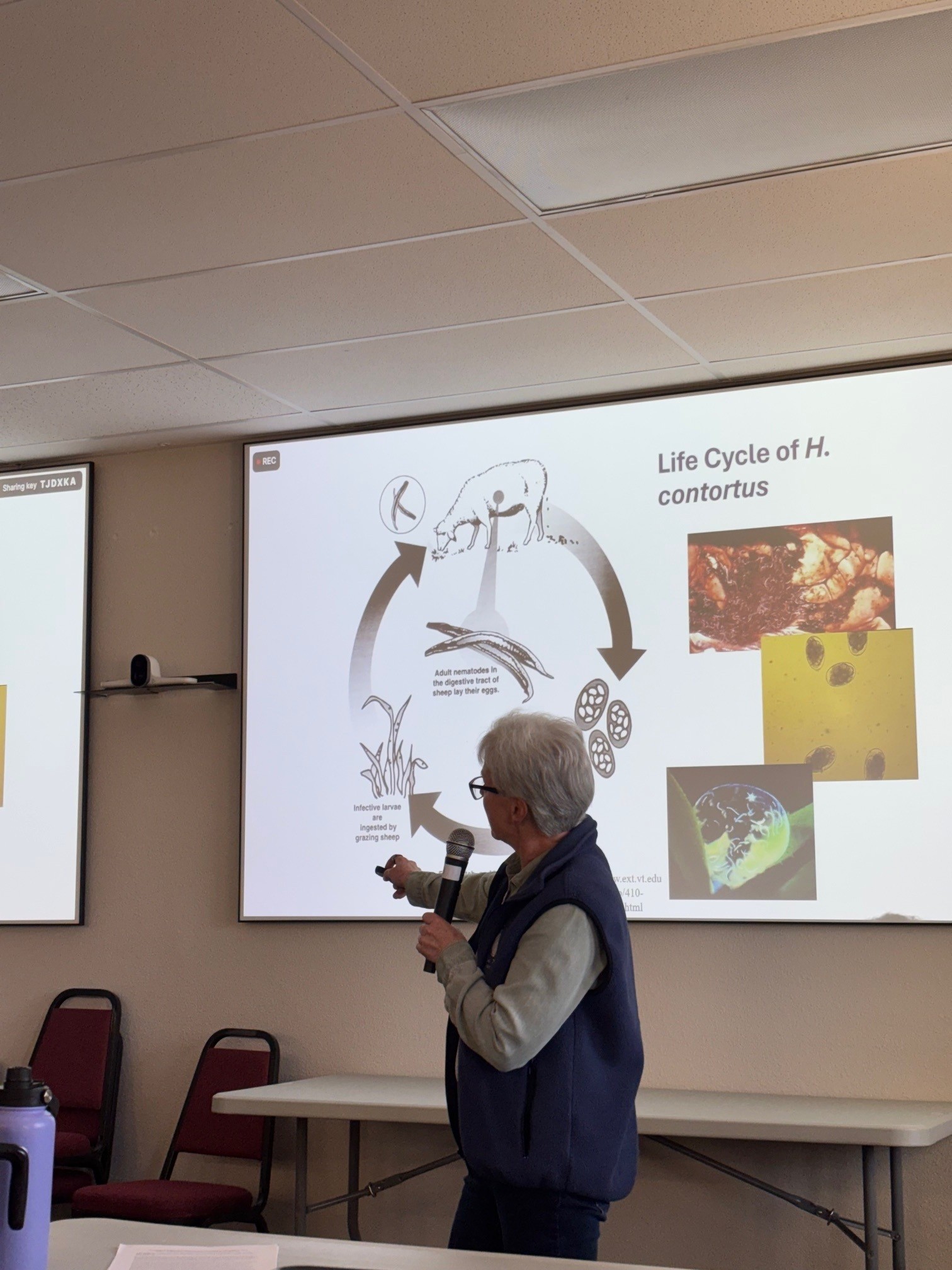
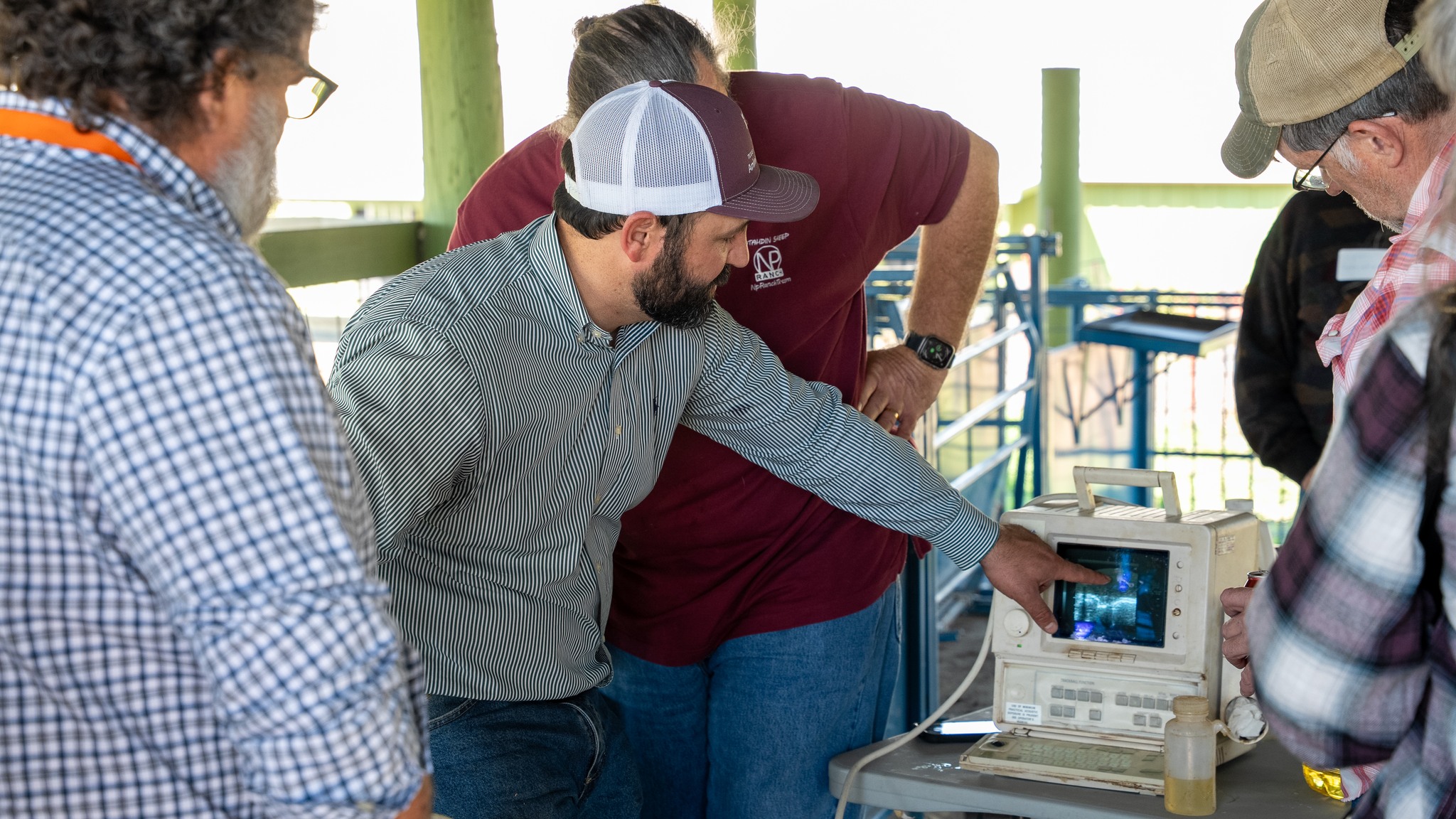
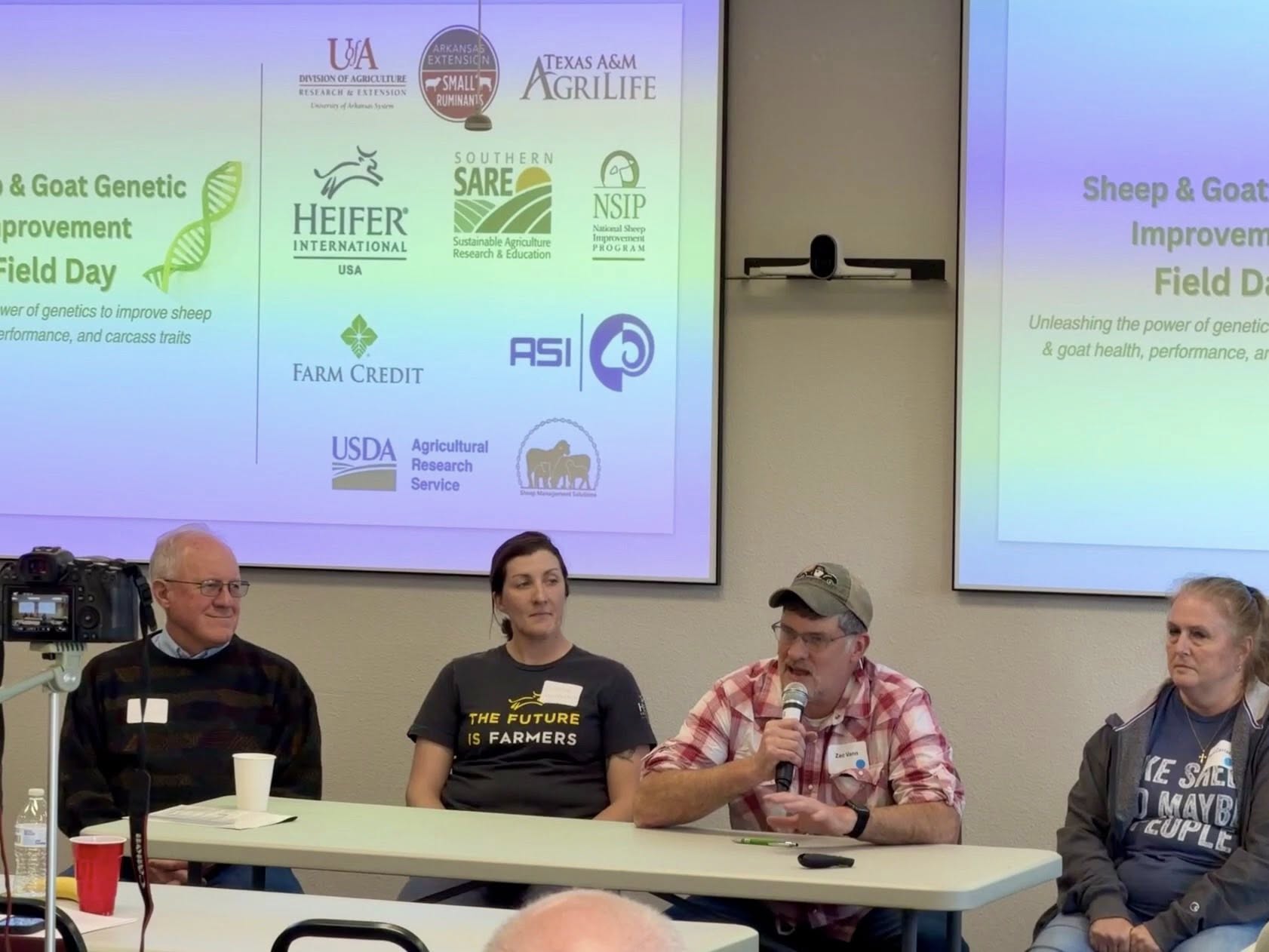
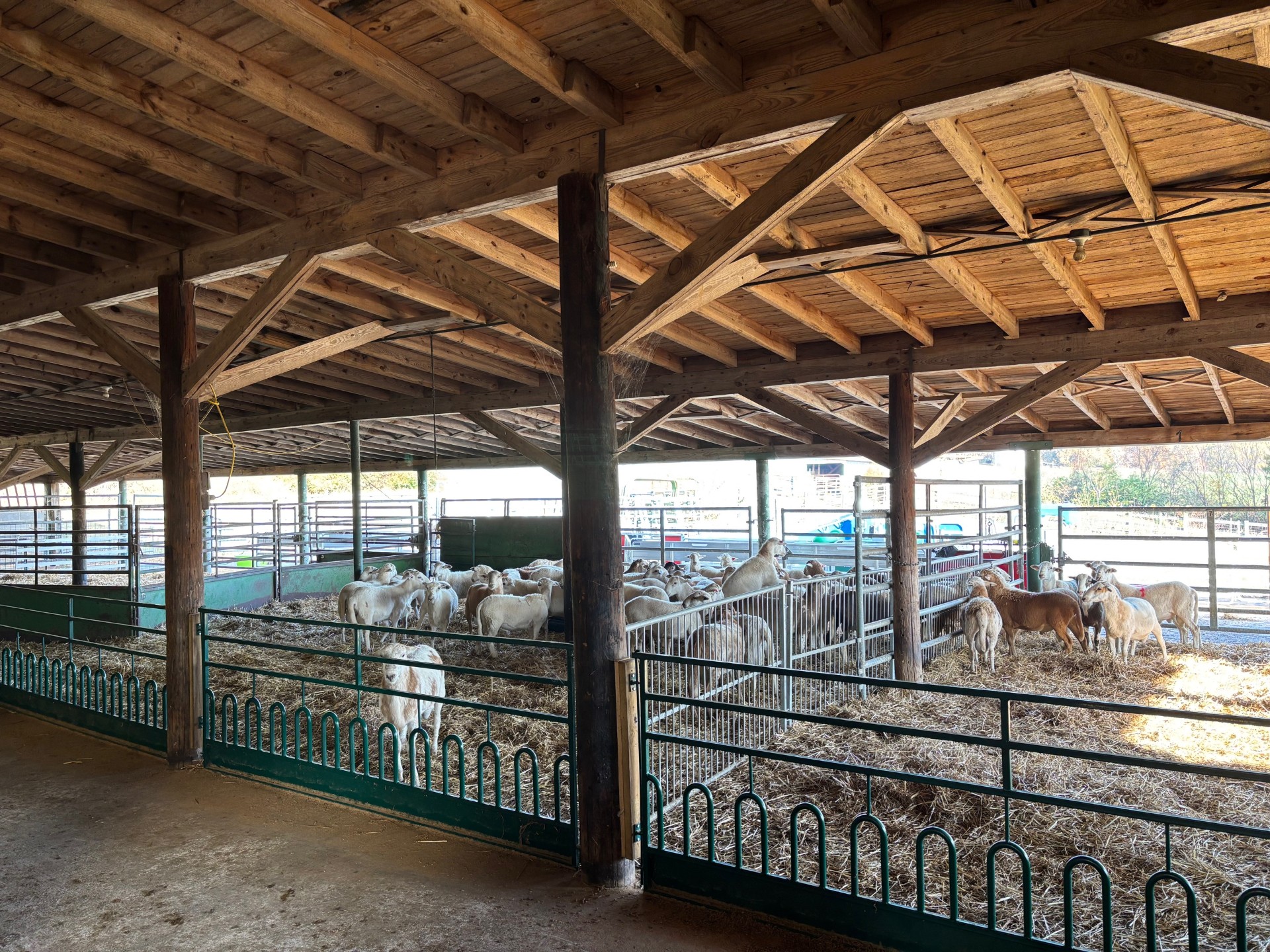
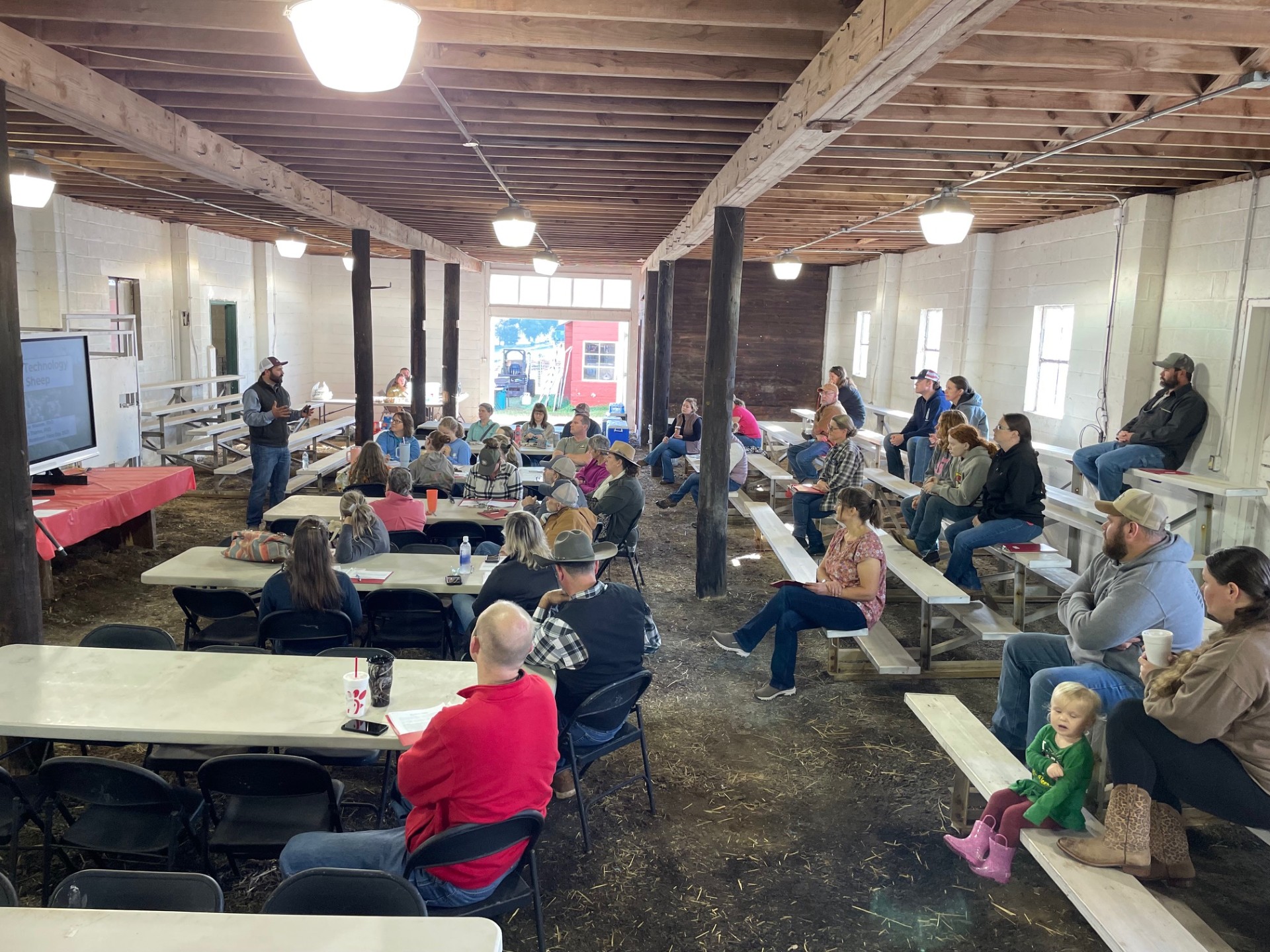
The first workshop was conducted on November 8, 2025, at the Upper Piedmont Research Station in Reidsville, North Carolina in collaboration with Dr. Andrew Weaver from North Carolina State University. This event included 42 producer attendees and 7 agricultural service providers. The workshop was intentionally hosted at a university research station to provide an environment conducive to hands-on demonstrations and applied learning. Educational sessions included parasite management and FAMACHA scoring, fecal egg count (FEC) collection and analysis demonstrations, growth and performance data collection, ultrasound utilization for pregnancy diagnosis and carcass evaluation, and discussions regarding the economic value of EBVs. A producer panel featuring three established sheep producers allowed participants to hear directly from producers currently utilizing NSIP and EBVs within their operations. Additional demonstrations included the use of a Te-Pari sheep handling system and an interactive ram selection activity where participants evaluated animals using both visual appraisal and genetic information.
The second workshop was conducted in Weatherford, Texas at Brad Cook Dorpers on January 9th, 2026 and was led by Dr. Jake Thorne in conjunction with Texas A&M AgriLife Extension Service. Attendance included 17 producers and 2 agricultural service providers. This field day was hosted on a working seedstock sheep operation specializing in purebred Dorper sheep, allowing attendees to observe how genetic technologies are implemented within a commercial breeding program. The event emphasized live-animal demonstrations and practical application of genetic technologies within a seedstock production system. Topics included parasite resistance and resilience, fecal egg counting methodology, genomic testing, carcass ultrasound evaluation, reproductive ultrasound, and integrating EBVs with visual appraisal during ram selection decisions. The event also highlighted how management factors such as nutrition and parasite control interact with genetic potential to influence flock productivity.
The final workshop was conducted at Heifer Ranch in Perryville, Arkansas on February 27th, 2026 in collaboration with Dr. Dan Quadros from the University of Arkansas Division of Agriculture. This event was very well attended, with 50 producers and 8 agricultural service providers participating. The Heifer Ranch facility proved to be an excellent location for experiential learning due to the availability of livestock, handling facilities, and ample space for demonstrations and producer interaction. Sessions included FAMACHA scoring, fecal egg counting, body condition scoring, growth performance data collection, ultrasound technologies, implementation of on-farm genetic improvement programs, and producer panel discussions focused on the application of EBVs in commercial production environments.
A major emphasis of this project was to ensure that producers were able to observe these technologies and management practices in real-world production environments rather than solely through classroom-style instruction. Workshops were intentionally hosted at research stations and active sheep operations so participants could directly observe data collection procedures, animal handling systems, performance recording, and genetic evaluation concepts in practice. Considerable time was allocated for producer interaction, networking, and peer-to-peer learning throughout each event.
Promotion of these educational opportunities was conducted through Extension networks, state and national sheep industry organizations, social media platforms, and producer networks throughout the southern region. Outreach efforts targeted both existing sheep producers and new or prospective producers located in regions where sheep production continues to expand.
Overall, this project successfully increased producer exposure to genetic improvement technologies and management systems designed to improve sheep health, productivity, and sustainability. Interest in technologies such as NSIP, EBVs, genomic testing, and structured performance recording continues to grow across the southern sheep industry, particularly among seedstock producers and progressive commercial operations. The educational workshops supported by this grant helped provide producers with practical knowledge and confidence needed to begin implementing these tools within their own operations.
Learning Outcomes
Understanding of Estimated Breeding Values in Sheep/Goats
Understanding of how genetics influence livestock productivity and health
How to collect phenotypic records for the development of EBVs
Project Outcomes
Producer evaluations from the Texas and Arkansas field days demonstrated strong gains in knowledge, confidence, and anticipated adoption of genetic and production technologies that support long-term agricultural sustainability. Participants consistently reported increased understanding of sheep genetic technologies, parasite management tools, and performance-based selection strategies that can improve flock productivity and profitability. At the Texas field day, producer self-rated understanding of sheep genetic technology increased from an average of 5.9/10 before the program to 8.7/10 after the program, while overall satisfaction with the event averaged 10/10. All surveyed participants indicated they anticipated an economic benefit from the information presented, with most estimating a potential benefit of $5–$20+ per head of livestock managed. These anticipated returns were largely associated with improved ram selection, better reproductive management, more informed culling decisions, and enhanced parasite control practices.
The project also contributed to environmental sustainability by promoting management approaches that improve animal efficiency and reduce unnecessary input use. Educational demonstrations focused on technologies such as Estimated Breeding Values (EBVs), fecal egg counting, FAMACHA scoring, pregnancy ultrasound, and performance data collection. Increased adoption of these tools supports more targeted deworming strategies, which can reduce anthelmintic resistance development and lower chemical use in small ruminant systems. Improved genetic selection for economically important traits, including parasite resistance and productivity, also contributes to more efficient resource utilization and more resilient production systems over time.
Socially, the project created valuable opportunities for producer education, peer-to-peer learning, and collaboration between researchers, Extension personnel, and livestock producers. Participants consistently highlighted the hands-on nature of the field days, live animal demonstrations, and interaction with experienced producers as some of the most beneficial aspects of the programs. Comments from attendees emphasized that the events increased their confidence in implementing new technologies and validated management practices already being considered on their operations. The project also strengthened relationships between producers and Extension programming, helping build a stronger network for future educational outreach and technology adoption within the sheep and goat industry.
Overall, this project improved producer awareness and understanding of practical genetic and management technologies that can increase profitability, improve environmental stewardship, and strengthen the long-term sustainability of small ruminant production systems.