Progress report for ONE24-450
Project Information
This project seeks to:
- Analyze the impact of the CT Farmers Market Seasonality Consumer Education Campaign on consumer awareness, purchasing, and consumption of seasonal specialty crops;
- Evaluate the effectiveness of the CT Farmers Market Seasonality Consumer Education Campaign in increasing access to and sales of specialty crops; and
- Assess the role of the CT Farmers Market Seasonality Consumer Education Campaign in supporting year-round market participation by local farmers.
1. Analyze the impact of the CT Farmers Market Consumer Education Campaign on consumer awareness, purchasing, and consumption of seasonal specialty crops.
CitySeed aims to educate a total of 20,000 consumers about seasonal specialty crops - approximately 18,000 adults and 2,000 children. This will increase the familiarity of these crops for a significant number of market-goers.
This anticipated increase in consumer knowledge and subsequent interest will also drive demand, benefiting farmers by expanding their customer base and raising the profile of the crops they produce. Any heightened awareness will also create a deeper connection between consumers and the local agricultural system, promoting food sustainability.
- Evaluate the effectiveness of the CT Farmers Market Consumer Education Campaign in increasing access to and sales of speciality crops.
An increased demand for seasonal specialty crops provides an opportunity for farmers to produce and distribute more of these crops at year-round markets and beyond. CitySeed aims to impact 150 farmer partners to increase their crop production and distribution.
We expect that approximately 15% of the 20,000 educated consumers - or 3,000 individuals - will then go on to purchase and consume these specialty crops, resulting in an additional $90,000 for our farmer partners.
- Assess the role of the CT Farmers Market Seasonality Consumer Education Campaign in supporting year-round market participation by local farmers.
With the creation and distribution of seasonality campaign materials, as well as the hosting of off-season cooking demonstrations, and the expected increase in consumer education and sales, CitySeed aims to encourage the participation of local farmers in year-round markets.
Reliable sales are important to maintaining a stable income stream for our farmer partners and for ensuring fresh local produce to our communities throughout the calendar year. Consistent market attendance also helps to increase the viability and sustainability of our local markets, ensuring both farmers and community members can rely on them for this critical connection.
While many local farmers markets operate year-round, these markets and the farmers who participate in them tend to experience a significant decline in sales outside of Connecticut’s peak growing season. This decline is more than likely due to a lack of consumer awareness with regard to the seasonal specialty crops locally available in the spring, fall, and winter seasons—and how to prepare them in healthy, appealing ways.
CitySeed works closely with farmers in our network, and we are attuned to both their needs and the needs of our four farmers markets. While operating year-round markets is meant to create opportunity for our network of local farmers and small food businesses to sell products and maintain livelihoods, we know that the seasonal decline in market attendance poses an economic hardship for them. This loss of income can prevent their participation in these year-round markets and consequently reduce the availability of locally-produced and healthy foods.
Addressing these issues is at the heart of our mission, particularly as food insecurity rates continue to climb in Connecticut. CitySeed is committed to conducting an analysis of the impact of a seasonal produce consumer education campaign on consumer purchasing behavior and farmers’ sales during off-peak seasons.
CitySeed will pilot a consumer education campaign focused on off-peak season produce such as kale, kohlrabi, beets, and winter squashes. This campaign will utilize cooking demonstrations, recipe cards, and culturally-relevant print and social media material to inform customers about produce available at CT farmers markets in the off-peak season. Budget-friendly marketing materials will be available for download and can be used as print or social media content.
At the end of the pilot, CitySeed will create a CT Farmers Market Seasonality Promotion Guide that will be available to all Connecticut farmers and farmers market managers in both print and electronic form. These guides are designed to increase consumer awareness of seasonal produce and provide education around preparing seasonal dishes, with a special emphasis on residents who rely on CitySeed and our regional markets. By creating these guides, we will increase knowledge of seasonal produce, as well as access to and demand for healthy local food.
CitySeed plans to expand the project by translating the CT Farmers Market Seasonality Promotion Guide into multiple languages, guided by the needs of our market attendees and ensuring accessibility for some of our most marginalized community members.
Ultimately, we aim to evaluate how a seasonality campaign can support year-round market participation and mitigate the economic hardship of our farmer partners.
This CitySeed project primarily addresses two key aspects of sustainable agriculture:
(2.) Improved Productivity, Reduction of Costs, and/or Increase of Net Farm Income.
Ultimately, this project strives to raise awareness of and demand for locally-available seasonal produce, as well as encourage increased sales of seasonal specialty crops from Connecticut farmers. By educating consumers about the diversity and variety of local crops available outside of the summer market season—and how to prepare them—we help to create a year-round demand for these products. Farmers can reduce waste, better plan for crop demand, and increase net farm income. Analyzing the effectiveness of the seasonality campaign will help us course-correct as necessary, adjusting the content for better outcomes.
(5.) Improvement of Quality of Life for Farmers, Their Families, Employees, and the Farming Community:
This project aims to bolster the economic resilience of farmers and their families by creating higher demand for their products throughout the calendar year. The broader community, as well, benefits from: access to fresh, nutritious, and seasonally-appropriate foods; educational resources about the various products and how to prepare them; and more inclusive markets that feature culturally-appropriate materials. Combined, these outcomes increase the sustainable wellbeing of farmers, their families, and the community at large.
The fast-paced nature of farmers markets and common language barriers often make individualized interactions difficult. Because of the limited capacity of farmers and market vendors to provide consumer education independently, CitySeed’s involvement will play a pivotal role in filling this gap, ensuring all community members can fully participate in and benefit from our local food ecosystem.
The CT Farmers Market Seasonality Consumer Education Campaign project represents a community-centric approach to sustainable agriculture through consumer education and increased sales of specialty crops.
Cooperators
- - Producer
- - Producer
- - Producer (Educator and Researcher)
- - Producer (Educator and Researcher)
- - Producer (Educator and Researcher)
- - Producer (Educator and Researcher)
- (Researcher)
- (Educator and Researcher)
- (Educator)
Research
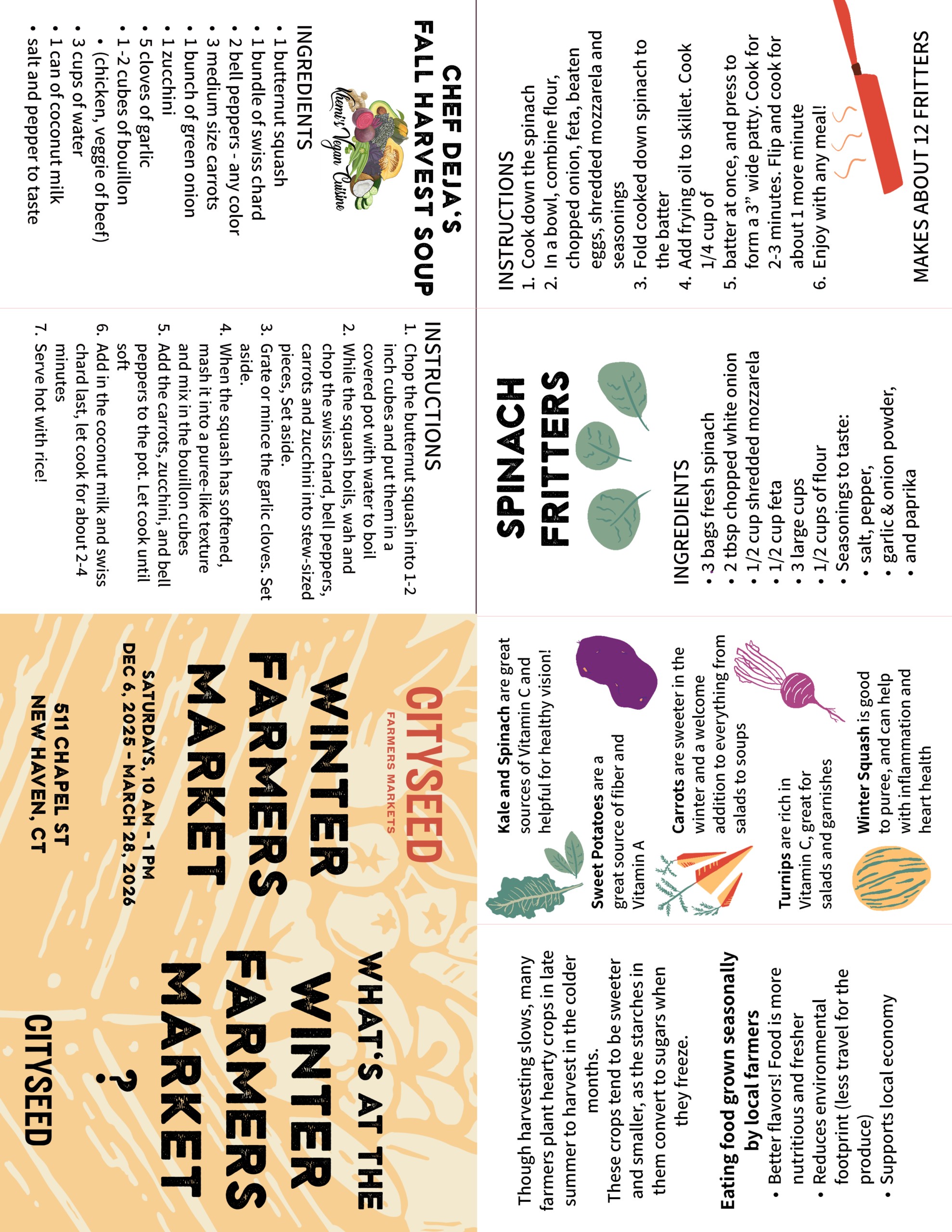 In January of 2025, CitySeed's Director of Agricultural Programs began to identify 5 farmers that will participate in our educational pilot. We identified Sunset Farm, The Hickories, Starlight Gardens, Waldingfield Farm, and Massaro Farm as participants in our campaign to promote spring, fall, and winter vegetables. Additionally, our Director of Agriculture identified several farmers market managers to work in partnership with this campaign, including managers from The Westport Farmers Market, CitySeed's Winter Farmers Market, and The Litchfield Hills Winter Market. CitySeed is still seeking two additional winter farmers markets to participate in our pilot program and outreach will continue. Additionally, our Director of Agricultural Programs has established a meeting schedule for outreach, meeting bi-weekly with farmers market managers and weekly with farmers. In February of 2025, CitySeed began a "Winter Vegetable Club" campaign for its winter market, engaging four of the above farms- Sunset Farm, Starlight Gardens, Waldingfield Farm, and Massaro Farm. This program involves highlighting a vegetable of the week, promoting a recipe to accompany that vegetable, as well as farmer promotion of the vegetable through graphics at their individual booths. This mini promotion will inform give us insight into how we should design and frame our larger research project in the fall of 2025.
In the fall of 2025, CitySeed's Director of Agricultural Programs, Kaitlyn Kimball, began meeting with farmers to determine which items we should promote for 2026's Winter Vegetable Club. We received feedback from farmers that marketing support is needed for root vegetables, as well as winter squash, as they report feedback from the public that there is a lack of understanding on how to prepare these items compared to winter greens. In preparation for winter produce promotion, CitySeed contracted with a local culinary educator and chef, Deja Smith of Khemi's Vegan Cuisine. To date, Deja has led three cooking demonstrations at the market, with six additional dates planned for January, February, and March. Working in collaboration, CitySeed meets with Deja before each cooking demonstration to identify which winter squash and root vegetable Deja will use from the market during her demonstration that day. Deja also provides a printed recipe card and samples to customers at the market. Additionally, CitySeed's Communications Manager, Mik, has produced several social media posts detailing the recipes, nutrition facts about the produce, as well as a "Winter Vegetable Club" booklet to distribute to customers. The booklet contains nutrition information and recipes from the demonstrations. 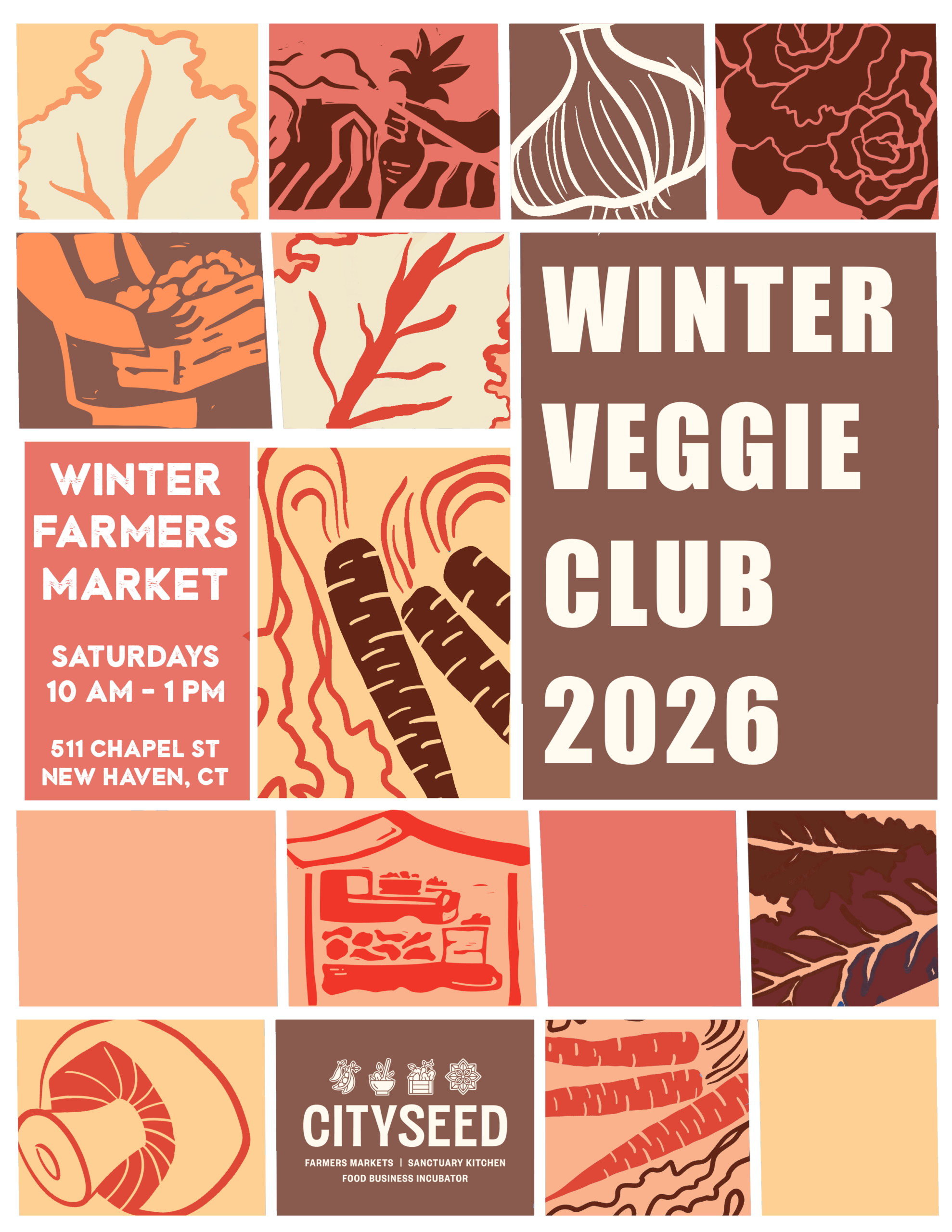
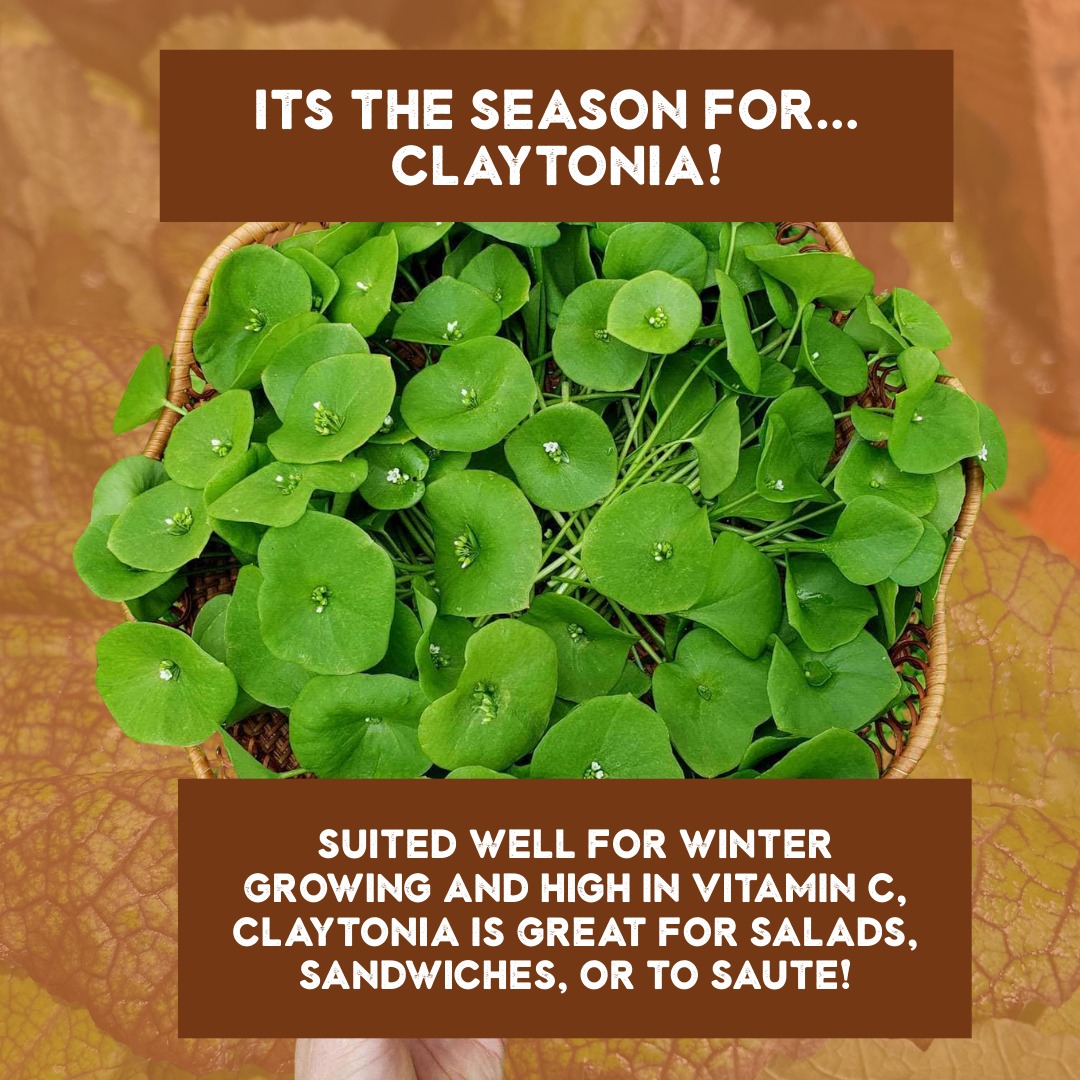
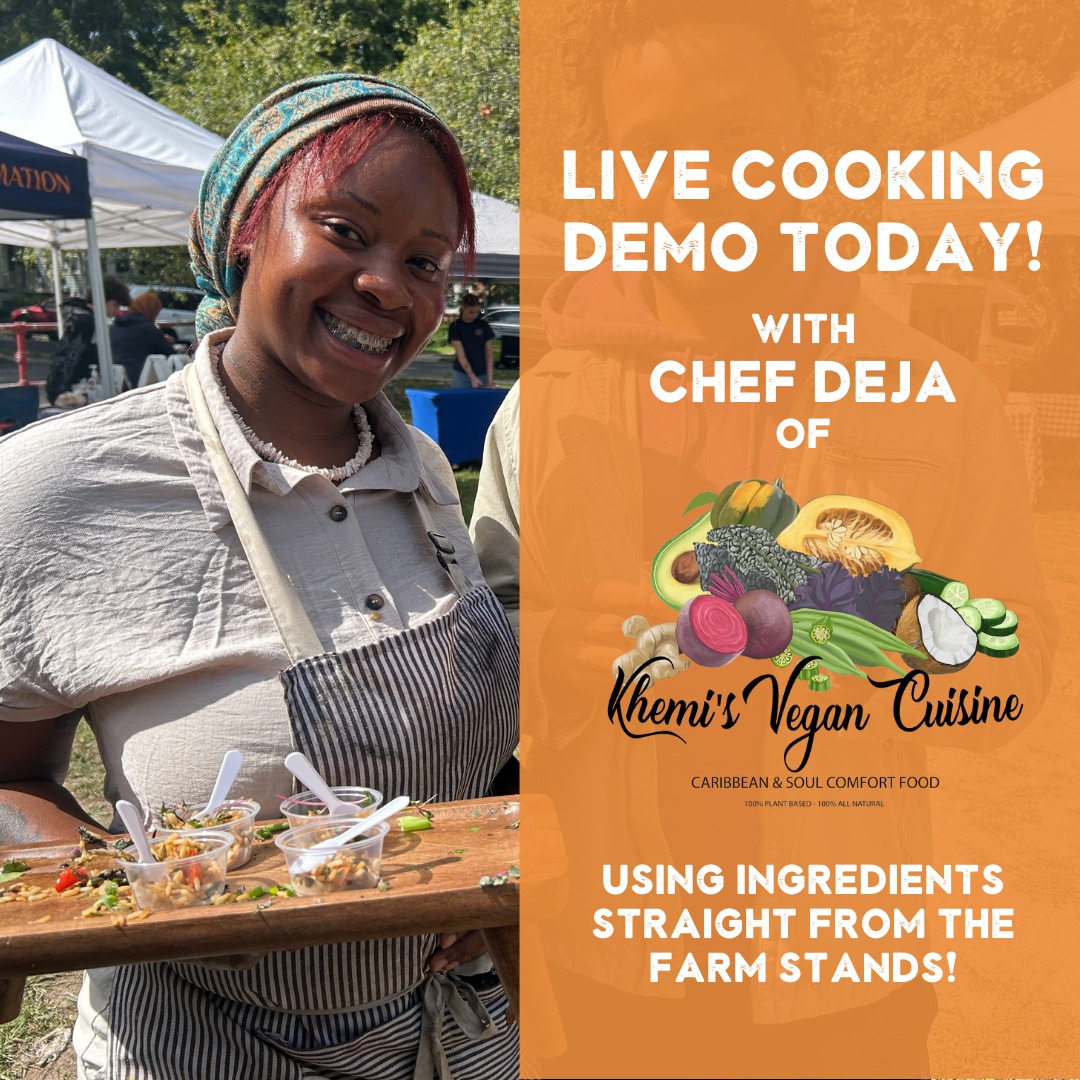
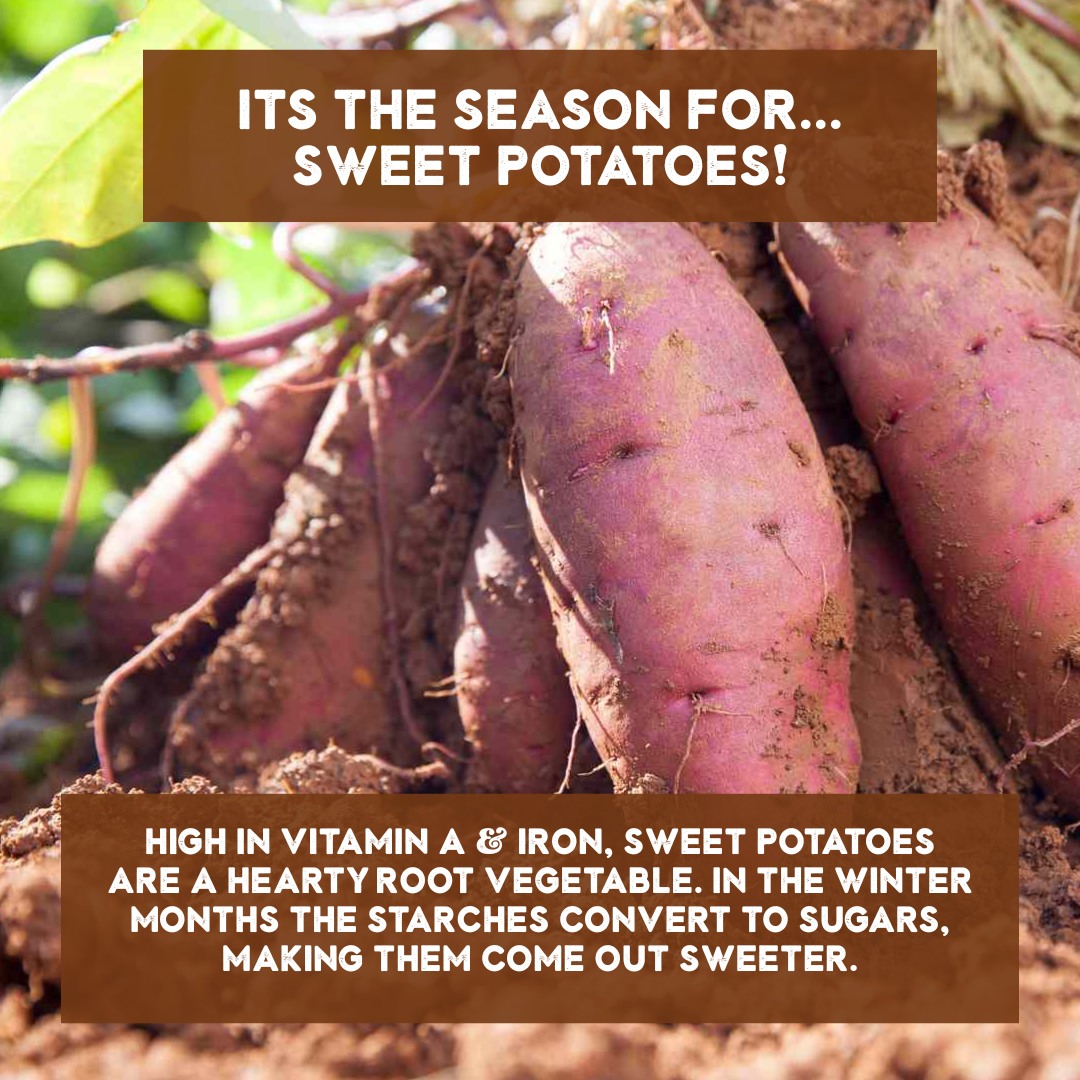
Since the start of our "Winter Vegetable Club" campaign on 2/1, we have seen a slight increase in winter market vegetable sales at CitySeed farmers market. We have positive feedback on the recipe of the week promotion, seeing an increase in sales in carrots at the 2/1 winter farmers market. The recipe cards have also anecdotally increased communication between customers and between customers and farmers at the markets.
Since beginning our "Winter Vegetable Club" in 2026 and contracting with a culinary educator for a series of cooking demonstrations at the market, we have seen a 16% increase in vegetable sales compared to the 2025 season. CitySeed tracks sales data for every vendor, including farms, giving us a detailed view of sales by week and by year. Farmers report seeing additional customers purchase items promoted during the cooking demonstrations that week by using the recipe cards distributed. Farmers report more questions and interest around winter vegetable items, compared to a lack of engagement or lower sales for these items during the previous year. Customers have commented to CitySeed staff that the recipe cards and cooking demonstrations have motivated them to purchase and utilize more winter vegetables in new ways. We've noted that for 2 out of the 3 cooking demonstration dates, items utilized in the demos have sold out from farms at the market, including sweet potatoes and carrots. CitySeed believes that the addition of a cooking demonstration, paired with print materials, has resulted in an increase in vegetable sales this year.
Although we are not finished with our research, we can conclude at this point in the project that a combined approach of print media and in person demonstrations regarding seasonality, nutrition, and uses of winter produce results in higher sales for farmers at farmers markets. Customers report more confidence and interest in utilizing winter produce items when they are given information and shown live how to prepare these items.
Education & outreach activities and participation summary
Participation summary:
CitySeed has over 15 years of experience conducting outreach around our farmers markets, disseminating results of vendor surveys and customer surveys, and analyzing market data regularly to stakeholders. Our dissemination routes include: CitySeed Staff Meetings, the Farmers Market Advisory Committee, an annual All Vendor Meeting (attended by all of CitySeed’s market vendors), CitySeed Board Meetings, the New Haven Food Policy Council monthly meeting (reaching all those working in the food system in New Haven), and our CitySeed Newsletter (reaching over 7,000 constituents weekly).
We will present the findings of the pilot campaign to the project team, and will make the completed guide available to other CT farmers and farmers Markets. To inform farmers of this guide, we will share at local and statewide meetings and within our existing farmer network. We also plan on disseminating our results to the Connecticut farmers market social media group, on CT Food System Leaders listserv, the Farmers Market Coalition’s listserv, and on our website. We anticipate distributing a minimum of 100 printed guides.
In late January and early February 2025, CitySeed published information about a "Winter Vegetable Club" Campaign in our newsletter and on social media, with a total of 20,000 followers, Additionally, we presented information about the campaign at our farmers market, with an attendance of 600 people at our 2/1 market.
In late December 2025 and January of 2026, CitySeed held 3 live cooking demonstrations at our Winter Farmers Market, utilizing winter produce. More than 1,600 market goers viewed the demonstrations over the three dates. CitySeed distributed 1,600 recipe cards, as well as handed out more than 100 samples of prepared dishes from Chef Deja Smith. Additionally, CitySeed has distributed more than 200 Winter Vegetable Club booklets in 2026, with seasonality and nutrition information, as well as several recipes from Chef Deja. CitySeed has several social media posts promoting the cooking demonstrations, as well as nutritional and seasonal information about produce.
Learning Outcomes
In February of 2025, farmers informed our design of a "Winter Vegetable Club", providing us with 6 popular and seasonally available winter vegetables. Farmers reported an increase in sales in carrots, the first item in this campaign, as well as increase in sales for carrots for the day.
So far in January 2026, 5 farmers at our winter farmers market report gaining additional insight into how to market seasonal produce items to customers. Farmers report gaining knowledge on how providing recipes and nutrition information is a strategy that can increase their sales. However, farmers do report having limited capacity and time to do this in addition to farming, so the additional help from a nutrition educator and chef has helped develop a blueprint for future use. Farmers seem more positive about the winter farmers market with increased interest from the public. Additionally, the more than 1,600 customers CitySeed has seen at our winter farmers market so far this year report a renewed enthusiasm about winter produce, as evidenced by high attendance for cooking demonstrations and increased sales of specific winter items.
Project Outcomes
In early February 2025, farmers reported an increase in sales in carrots, the "Winter Vegetable Club" item of the week for 2/1. Farmers reported feeling supported by our recipe of the week for maple glazed carrots, describing how customers purchased more of this item when they had inspiration for how to cook it. Similarly, CitySeed's farmers market manager reported more dialogue between customers as a result of the recipe.
So far in 2026, our actions and research with this project indicate outcomes of success for educating consumers on the seasonality and nutritional facts of winter produce, as well as providing live cooking demonstrations and recipes to increase interest and use of produce. Our research and actions also indicate that farmers have benefited from additional education around marketing opportunities for winter produce, outside or just setting up and selling winter vegetables. Although farmers report a concern for lack of capacity to incorporate these strategies into their marketing, the products from this project, like recipe cards and the Winter Vegetable Club booklet, do create baseline materials that CitySeed and farmers can adapt for themselves.