Final report for WRGR22-006
Project Information
Building Comb from Castle to Castle: Interdisciplinary approaches between Queen Breeders & Researchers for supporting Adaptive Reproductive Practices
is a cross-country project of the Adaptive Bee Breeders Alliance which is rooted in 2 previously funded WSARE Farmer grants: The Southwest Survivor Queenbee Project (FW 07-32) and The Rocky Mountain Survivor Queenbee Cooperative (FW 12-096). These initial and secondary farmer-inspired projects focused on bringing queen honey bee producers together to develop regionally-fortified genetic pools for sharing enduring stock lines. Both projects created networks of beekeepers in diverse communities which helped to raise awareness of distinct bee breeding practices and challenges in the American west. They have inspired the formation of The Adaptive Bee Breeders Alliance (ABBA) which includes beekeepers from New Mexico, California, Oregon, Texas and North Dakota, Massachusetts, New York and Florida. ABBA participants are appreciative of scientific inquiries and review. As such, ABBA has connected with diverse scientists focused on complementary bee research in Texas, Nebraska, Pennsylvania, Maryland, Michigan, Indiana, and Georgia working to support healthy bees across our great country. Building Comb from Castle to Castle project shares collaborative findings and media guides helping to build bridges between the field and the lab that can help us become better producers and stewards. This project includes genetic stock analysis for both Mitochondrial (maternal) assessment and genomic techniques to understand drone fertility in each of the participating producers breeding areas, Instrumental Insemination (I.I.) training in advanced breeding techniques for sharing across distances and times, cryopreservation of honey bee germplasm for inclusion in the USDA American Honey Bee Germplasm Respository Program, determining drone congregation area research with UAVs, and mentorship educational outreach opportunities via webinars and in-service workshops to support continued professional growth of both producers and researchers which enhances quality of life and market availability for changing times and climes.
Building Comb from Castle to Castle: Interdisciplinary approaches connecting Queen Breeders & Researchers for supporting Adaptive Reproductive Practices is a multifaceted interdisciplinary project that:
- increases knowledge of both producers, scientists, and agriculture professionals through joint participation in field assessments and scientific analysis for evaluation and result integration.
- develops partnerships between producers and the scientific community for nurturing industry support and integration adding to the collective body of knowledge
- creates collaborative producer driven research queries to develop approaches for adapting to variable environmental challenges
- processes producer queries through facilitated academic participation regional
The Adaptive Bee Breeders Alliance (ABBA) is a grassroots network of queen honey bee producers located across the United States. The formation of this network manifested as continued metamorphosis and evolution rooted in 2 Western SARE funded Farmer/Rancher grants that occurred in 2007, The Southwest Survivor Queenbee Project (SWSQB; FW 07-32) and in 2012, The Rocky Mountain Survivor Queenbee Cooperative (RMSQB; FW12-96) which focused on bringing queen honey bee producers together to develop regionally-fortified genetic pools for supporting enduring stock lines. Each began as seed ideas, one building off the other metamorphosizing the potential of small to mid-scale queen breeders in an ever-increasing challenge-filled industry. Both of these preliminary and secondary projects were initiated by Zia Queenbees (ZQB) based in northern New Mexico that invited additional beekeepers in New Mexico and Colorado to share their chosen honey bee stock. The SWSQB project helped to develop camaraderie and initiate a network of NM bee producers. Several years later, it metamorphosized into the RMSQB which was also facilitated by ZQB to nurture educational and professional development opportunities for bee producers spanning 2 states through 7 counties, and nearly 500 miles from Santa Fe, New Mexico to Fort Collins, Colorado establishing a mountain-adapted genetic pool of naturally-resilient intermountain bee stock and for sharing techniques. Both projects created networks of beekeepers which helped to raise awareness of the distinct practices and challenges in the American west. These projects inspired similar efforts around the country. Now we expand these collective efforts with the producer-inspired Adaptive Bee Breeders Alliance which connects breeders with researchers across the U.S. for interdisciplinary collaborations nurturing production techniques carrying apiculture into the future by enhancing our collective understanding of mating behavior, regenerative production paradigms, and a network with which to support the many diverse existing and next generation of professionals.
Timeline for this third and final year of this grant project was delayed and impacted first by federal freezing of funds from January through May, and then subsequently, there was a federal furlough which impacted the ability of the USDA-ARS Bee Breeding & Genomics Laboratory personnel in Baton Rouge, LA from moving forward with our genomics objectives. We were able to switch to the Dr. Garett Slater's Texas A&M Bee Lab as he was our original collaborator (and he had completed his post doc at the Baton Rouge Lab). Samples were collected from producers or mailed in directly. Videos that were filmed with cinematographer are being edited and will be uploaded by final report deadline. The Anthology is also almost complete as it was delayed to the federal funds freezing. A request for extension was submitted and granted by WSARE.
Cooperators
- (Educator)
- (Researcher)
- (Researcher)
- (Researcher)
- (Researcher)
- (Researcher)
- (Educator)
- (Researcher)
- (Researcher)
- (Researcher)
- (Researcher)
- (Researcher)
- (Researcher)
- (Researcher)
- (Educator)
Education & Outreach Initiatives
Gather participating bee breeders and researchers online to meet and discuss grant parameters.
Group gathering included everyone but 2 participating breeders and 3 researchers.
First in-person gathering of participating queen breeders and researchers to discuss 2023 bee season research objectives and timeline.
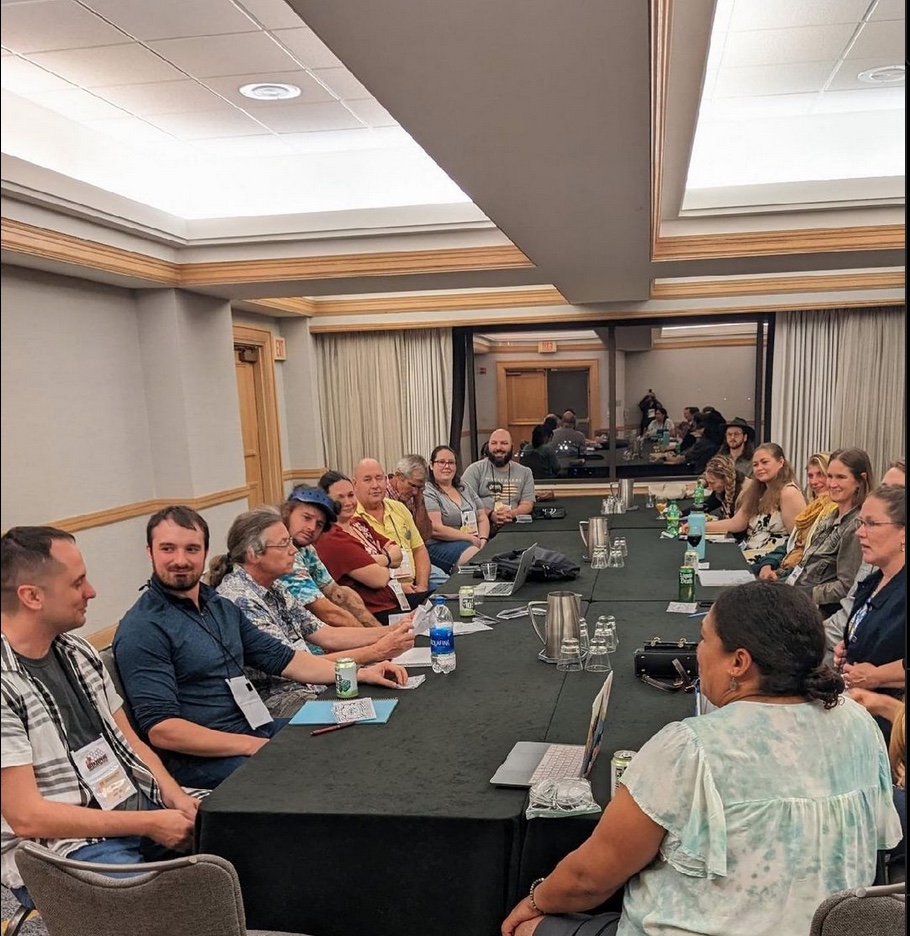
Discussion of 2023 bee season objectives and research timeline discussion.
Discuss genomics process and potentials for producers to learn more about their genetic stock origins.
Dr. Garret Slater's zoom presentation recording for ABBA producers on genomic potentials.
Producers learned about the process of genomic analysis for honey bees and what information could be learned from having genomic sampling and testing of their stock.
Outreach objective to share the process of the program.
To introduce the program to beekeepers, researchers, and industry affiliations on the process and goals of this project.
ABRC Building comb 2024 MKirby
BRAP Bridging Research & Practice Presentation 2023
A Queen for All Seasons- Heartland Apicultural Society presentation 2023
- Share information on Adaptive Bee Breeders Alliance (ABBA)
- What it is?
- Who is participating in this initial cohort.
- Where are they are each from.
- Why this project is important.
- When- timeline and future goals to expand program to include all interested beekeepers and researcher.
Annual gathering of participating bee breeders and researchers.
Annual gathering of participating bee breeders and researchers to share updates, schedule 2024 spring-fall schedule for fulfilling objectives, open forum for discussing needs, interests, and ideas for research.


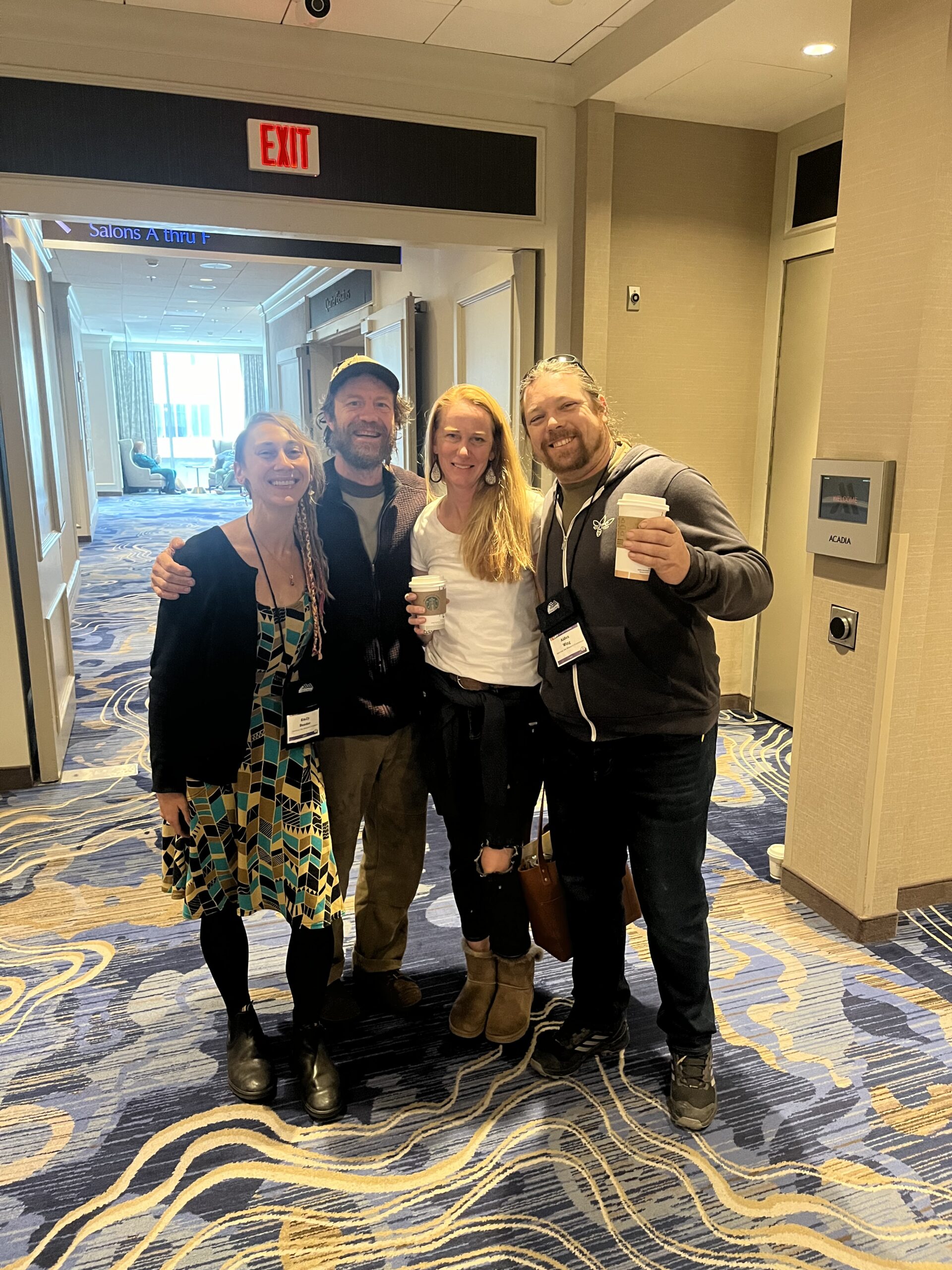
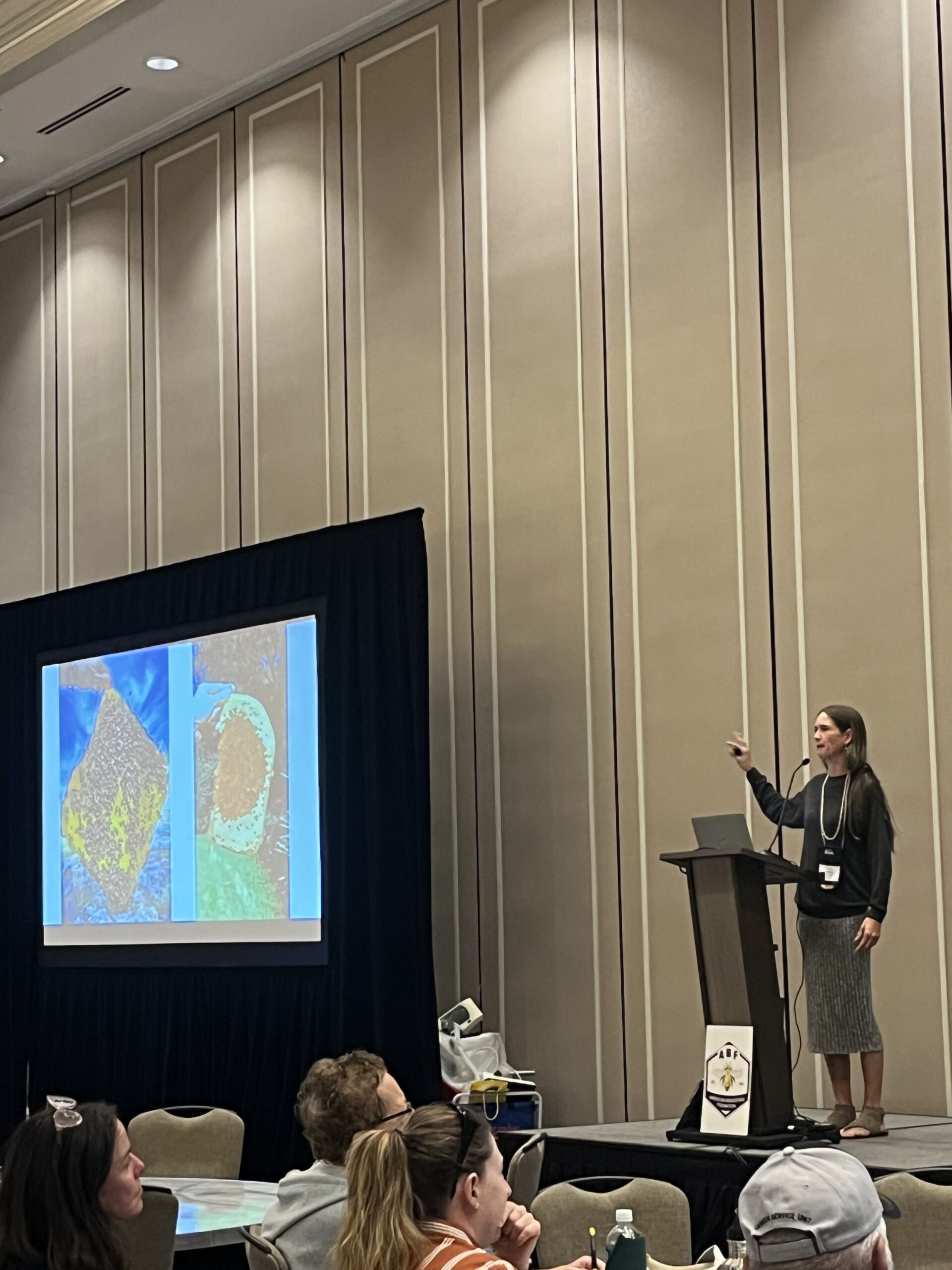
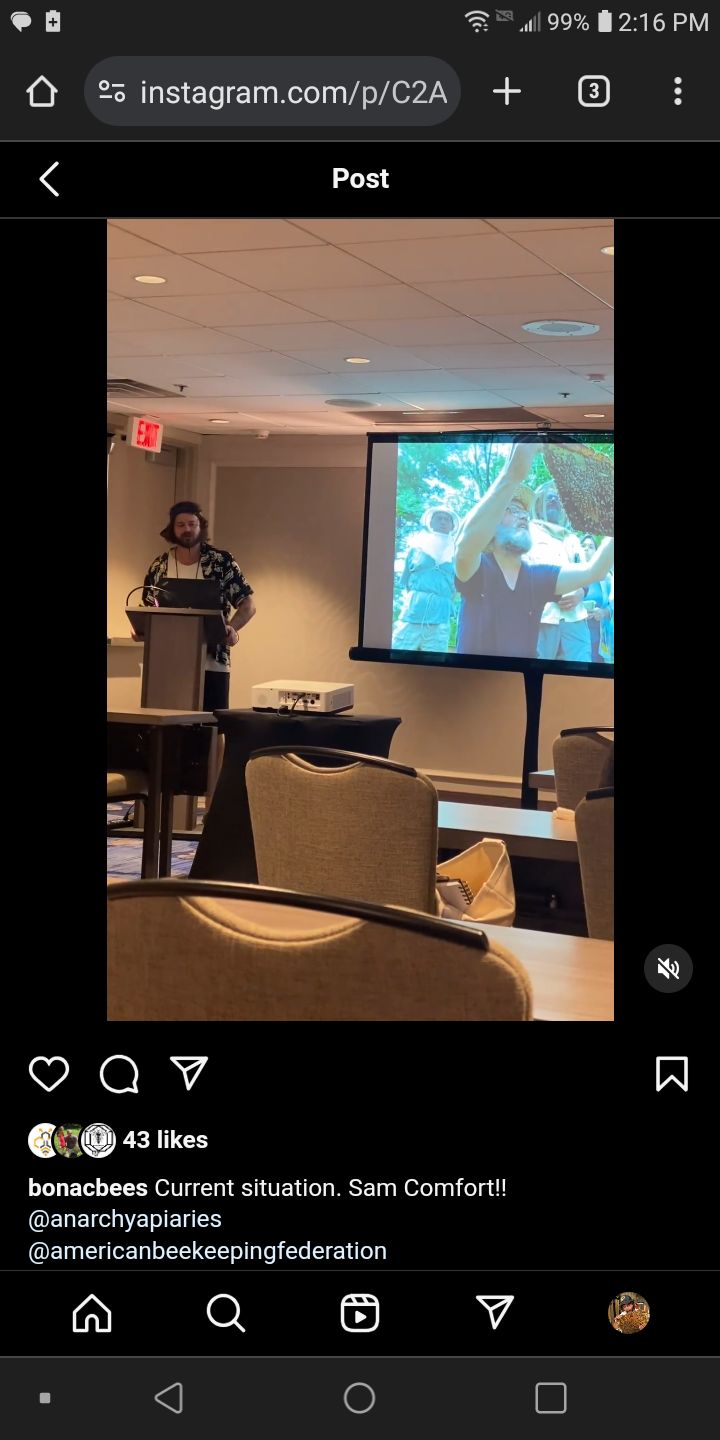
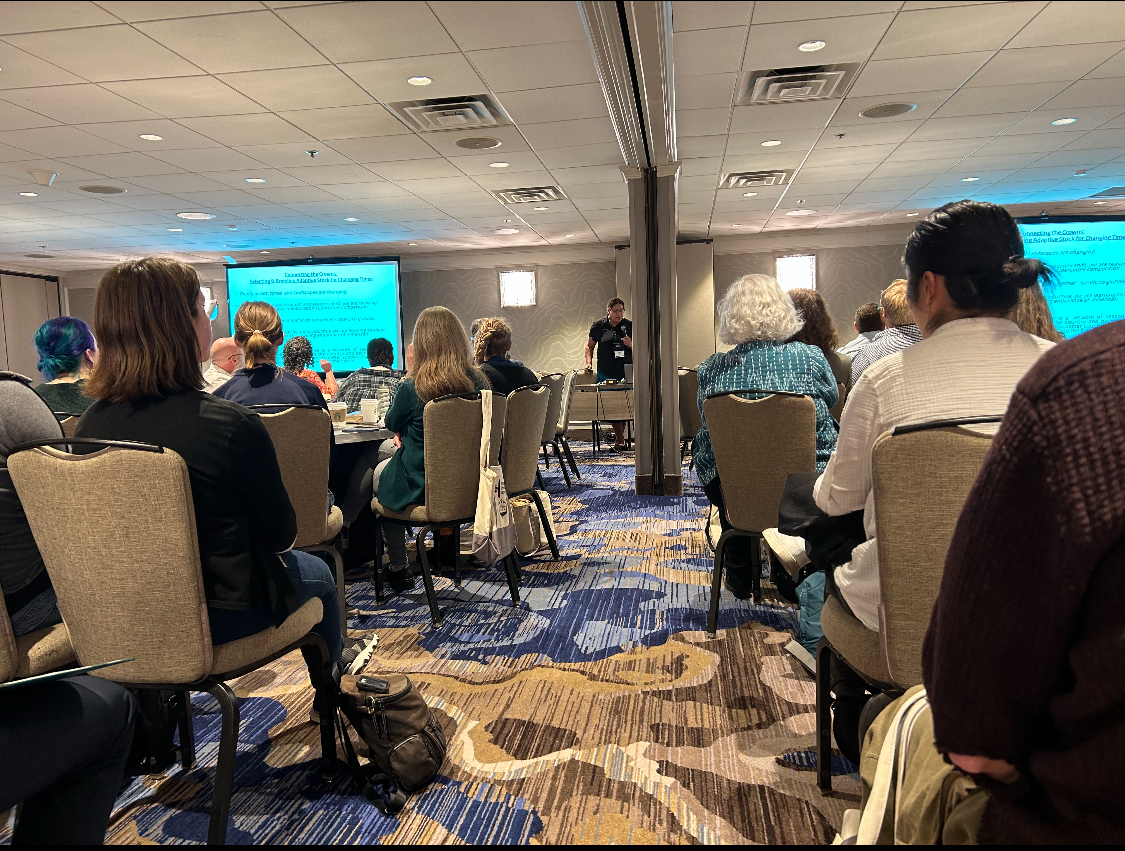
2024 January meeting was held at the American Beekeeping Federation and American Bee Research Conference which included the following agenda:
ABBA January 2024 Meeting recording
- Brief introductions (Breeders & Researchers, and interested beekeepers)
- Recap of 2023 achieved objectives
- 2024 objectives and 2025 objectives reviewed
- Germplasm collection
- Genomics analysis of each breeders' stock
- Bee health
- Comparative Studies
- Schedule for 2024 Objectives
- Proposed workshops & webinars
- DCA with UAV and II demonstration in collaboration with Emily Bondor of Santa Cruz Bee Co, Julia Mahood of MapMyDCA, and Melanie Kirby of Zia Queenbees- April/May 2024
- DCA with UAV and II demonstration in collaboration with Eric McEwen of Diggin' Livin' Apiaries in Oregon, with Julia Mahood of MapMyDCA, and Melanie Kirby of Zia Queenbees- June 2024
- I.I. workshop & Queen rearing course in New Mexico in July 2024 with Melanie Kirby of Zia Queenbees & Mark Spitzig of LongeviBees (invited guest speakers include ABBA members)
- I.I. intermediate workshop in North Dakota in August 2024 with Megan Mahoney
- Future of ABBA: ideas, interests, grant opportunities- development potential of organizing a 2-3 day intensive symposium in 2025 or 2026?
- Open Forum
Overview of genomics objectives
Dr. Arian Avalos of USDA-ARS Honey Bee Breeding, Genetics and Physiology Research Laboratory in Baton Rouge, LA who serves as the contact and coordinator (along with Dr. Garret Slater) for ABBA genomics sampling and processing shares an overview of the different kinds of analysis.
Process and Protocol for sampling and genomics analysis.
Proposed Comparative study of queens from diverse regions for field testing with beekeepers in U.S. Heartland area.
Discussion of pilot project for interested ABBA producers for comparative study as presented by Dr. Judy Wu-Smart.
Proposed pilot project by Dr. Judy Wu-Smart for ABBA collaboration. Producers learn about process for research design, and goals for assessing introduction, performance and fitness over a season with central U.S. beekeepers of ABBA queens from diverse producers.
Comparative queen study zoom recording with Dr. Judy Wu-Smart
ABBA producer check-in; annual review and upcoming plans.
Recap of 2024 season, overview of 2025 objectives for finalizing project. Reassessment of timeline and plan for adapting timeline to complete by deadline.
Prepare for 2025 bee season and ABBA objectives.
web presence for posting project info
Adaptive Bee Breeders Alliance website:
www.adaptivebeebreedersalliance.org
ABBA Instagram:
www.instagram.com/adaptivebeebreedersalliance
The ABBA website has been through a few iterations with web designers that weren't fully available so we had to pivot to a self-published model and will now be able to hire a web reviewer and web maintenance support. The ABBA Anthology will be published on the website along with videos.
Teach beekeepers how to monitor and assess drone (male bee) mating congregation areas utilizing UAVs
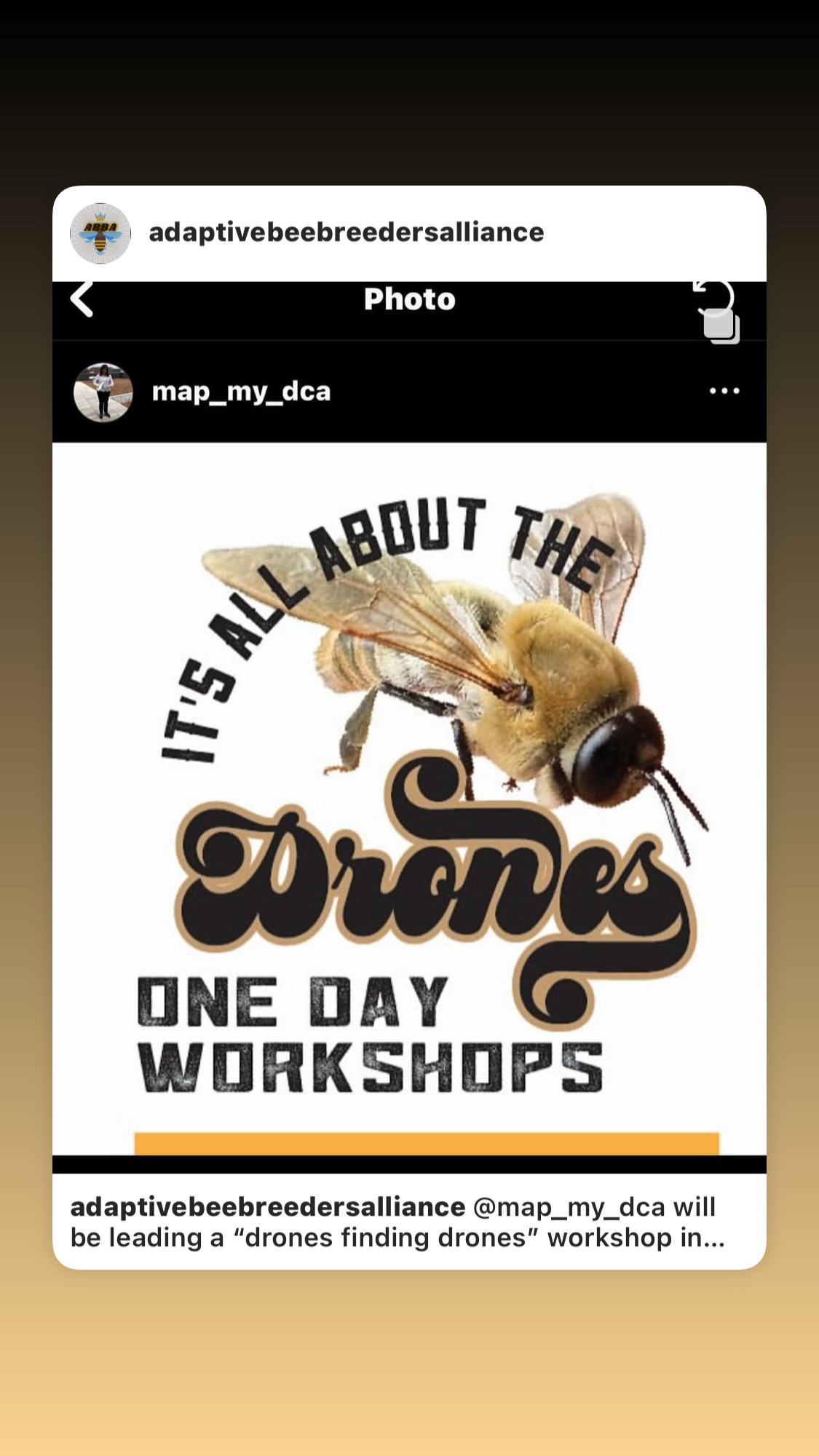
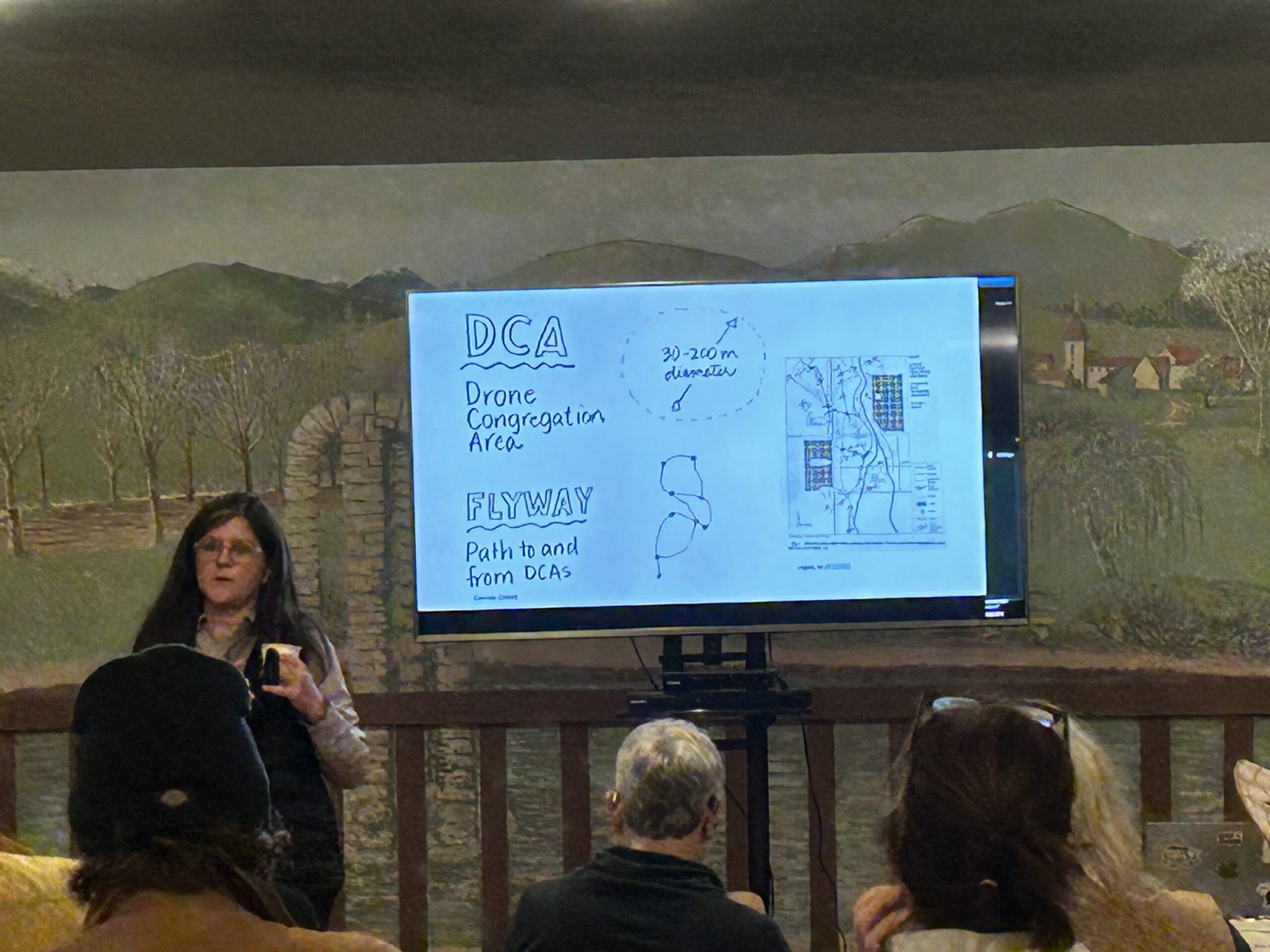
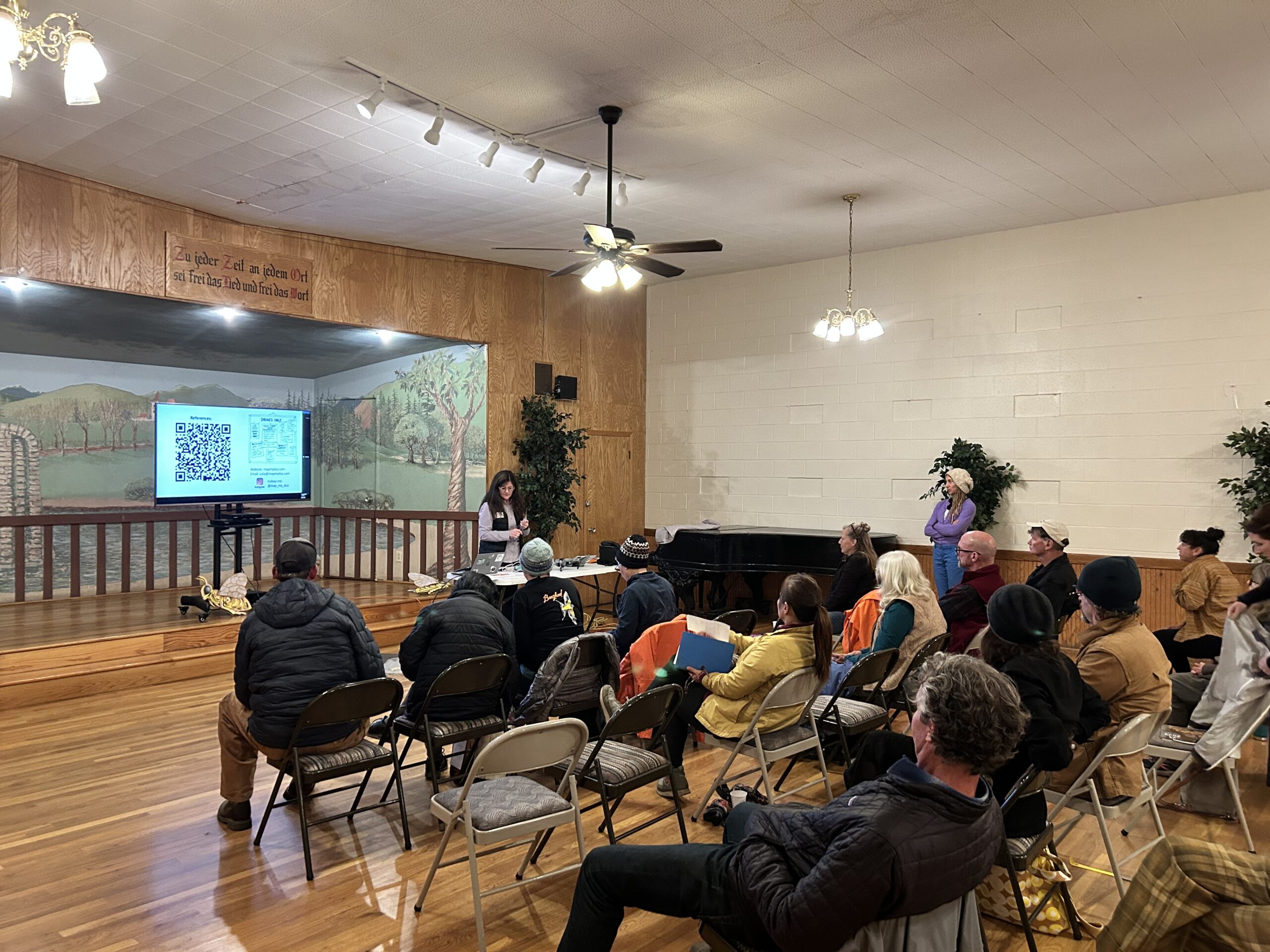
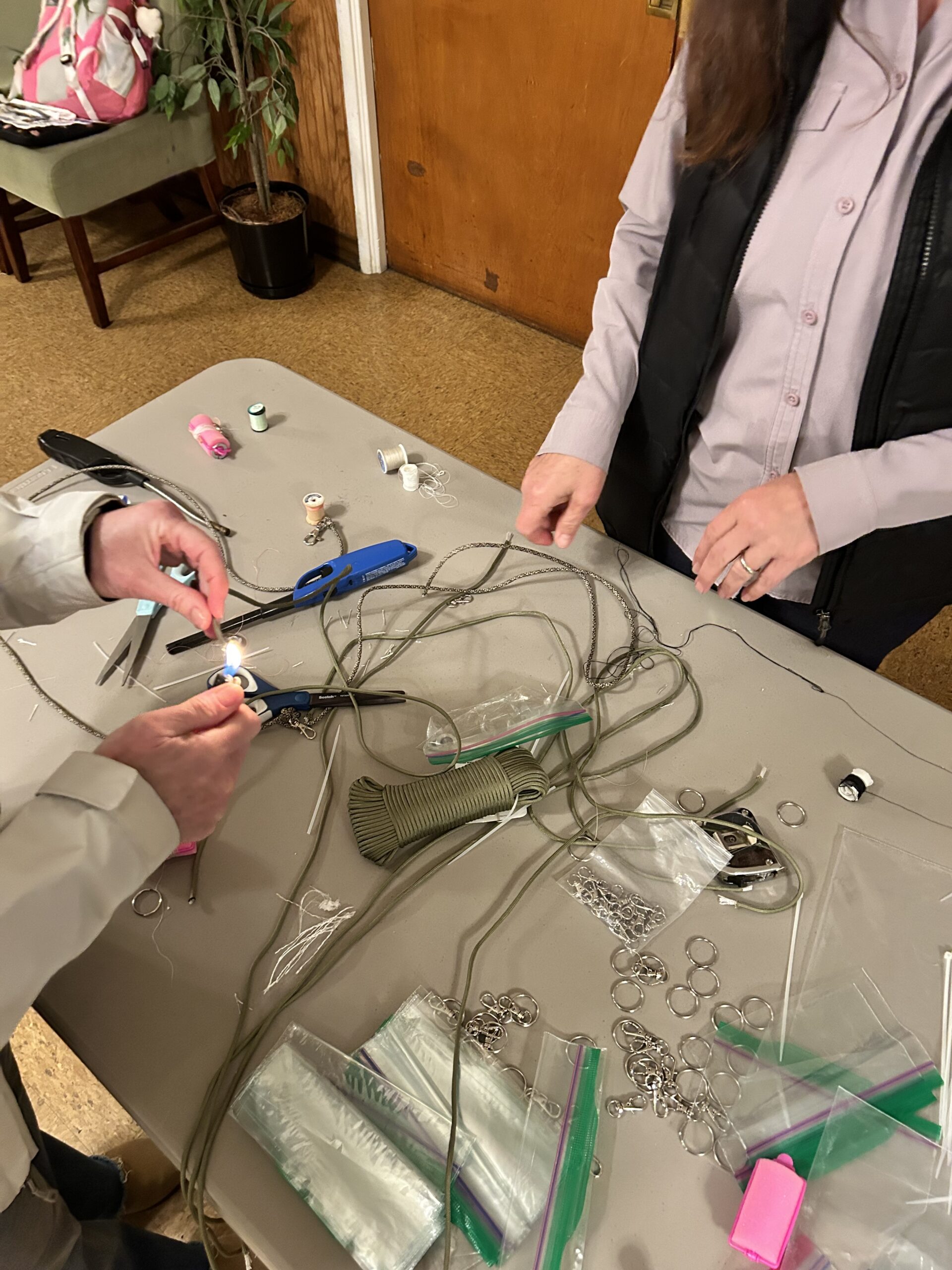
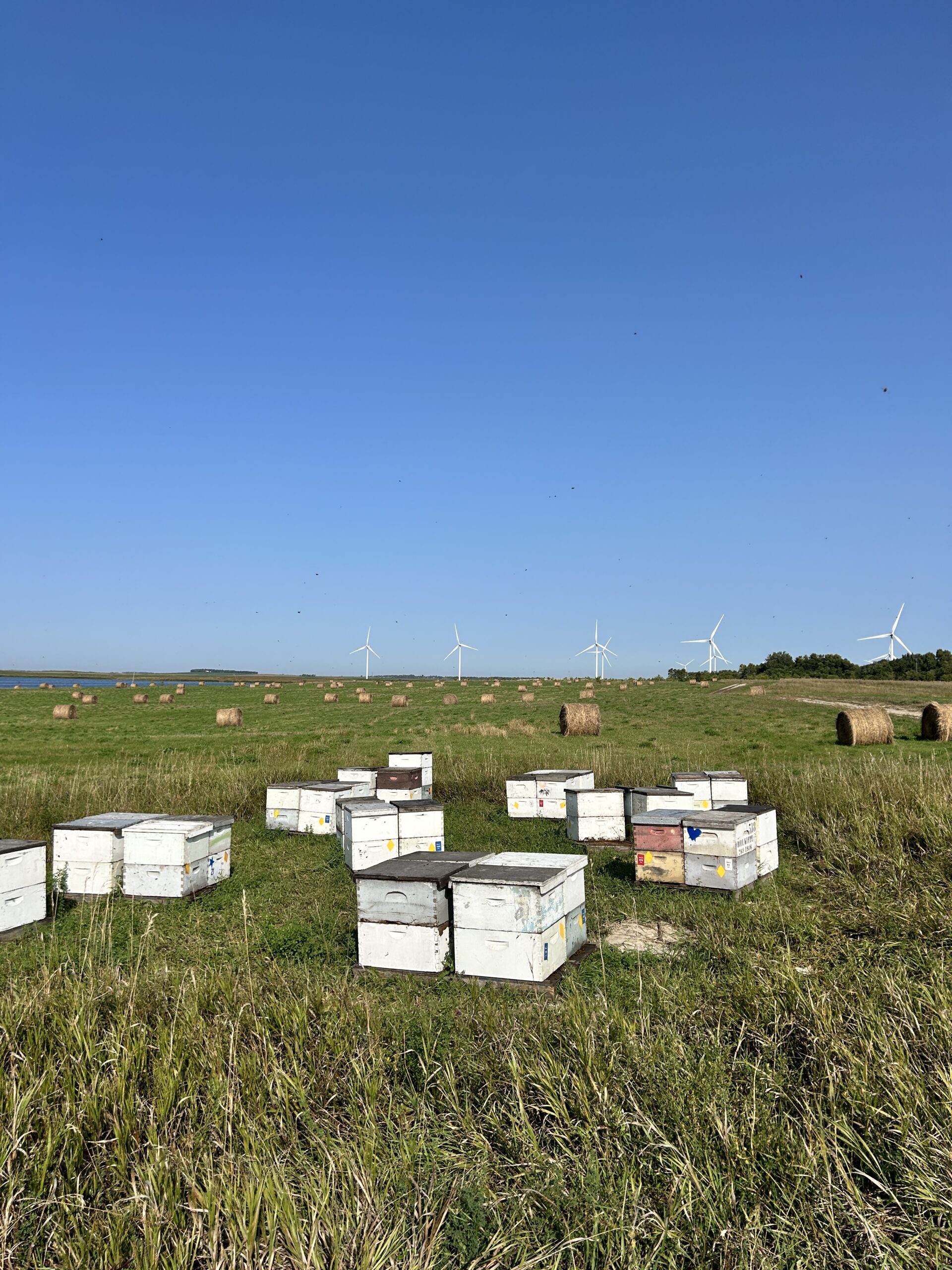
DCA workshop attendees learned about drone male bee reproductive anatomy and mating behavior as it relates to needed queen mating. Julia was able to conduct an additional DCA workshop in Massachusetts.
Targeted ABBA insemination crew training.
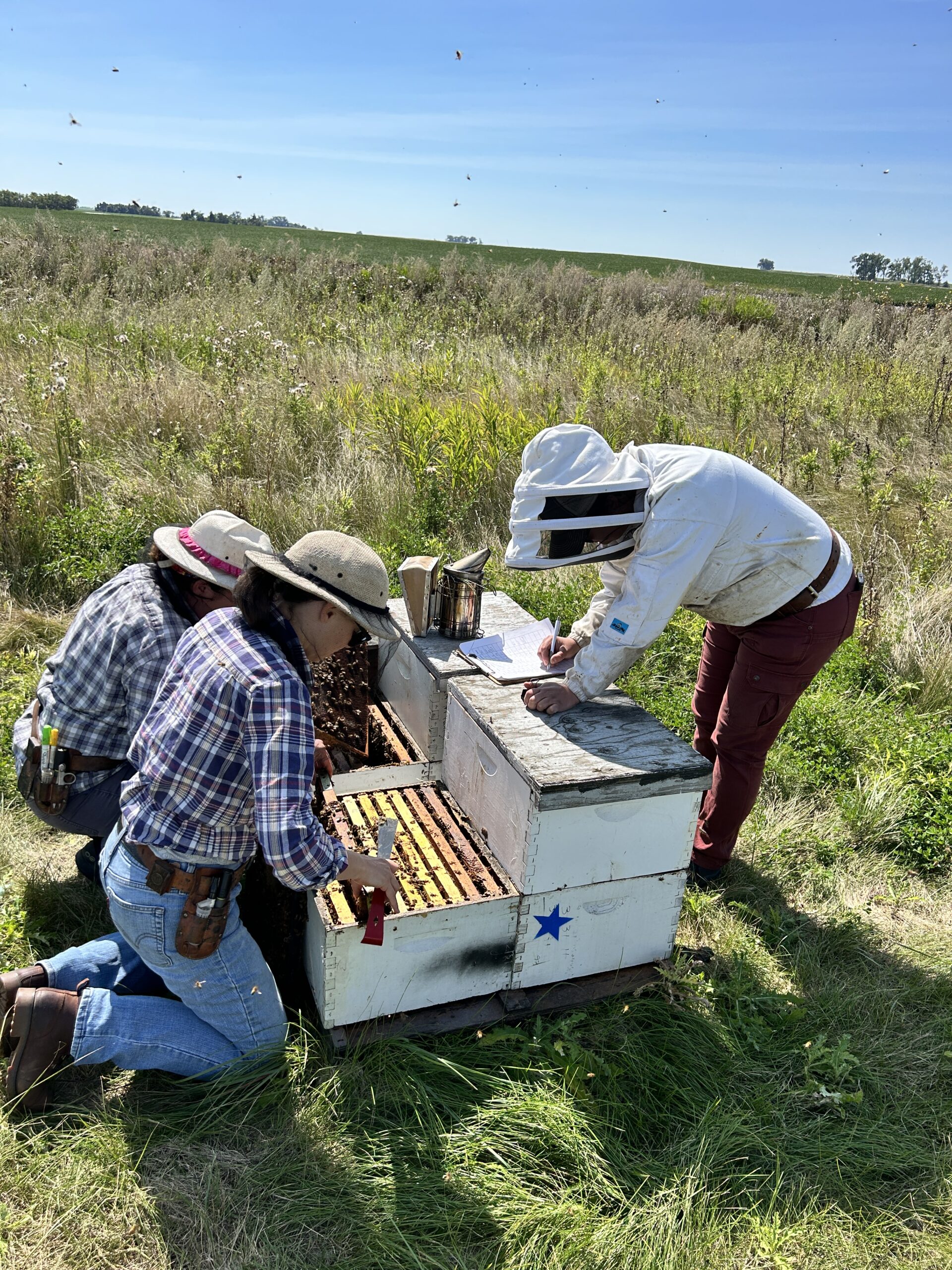
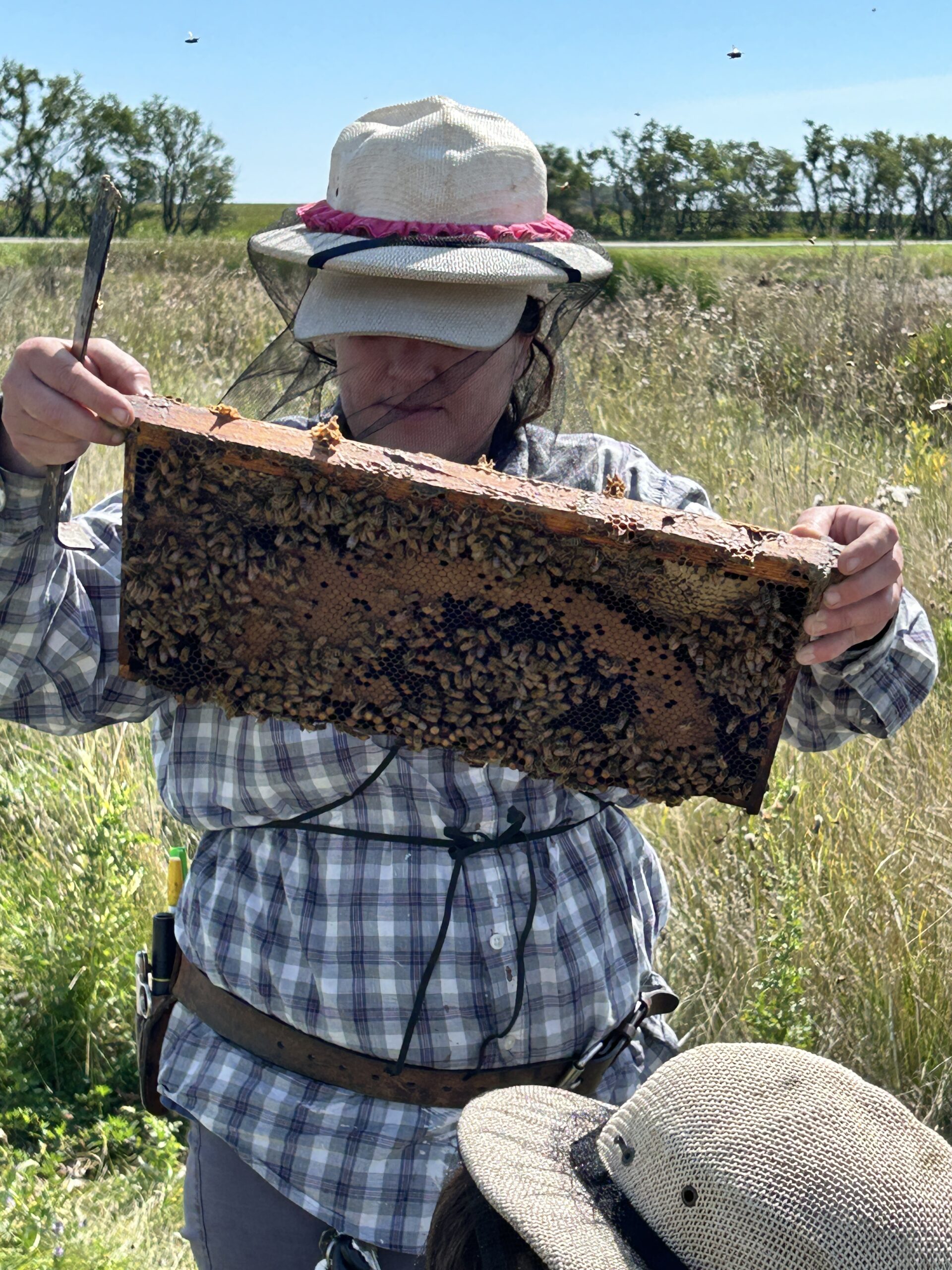
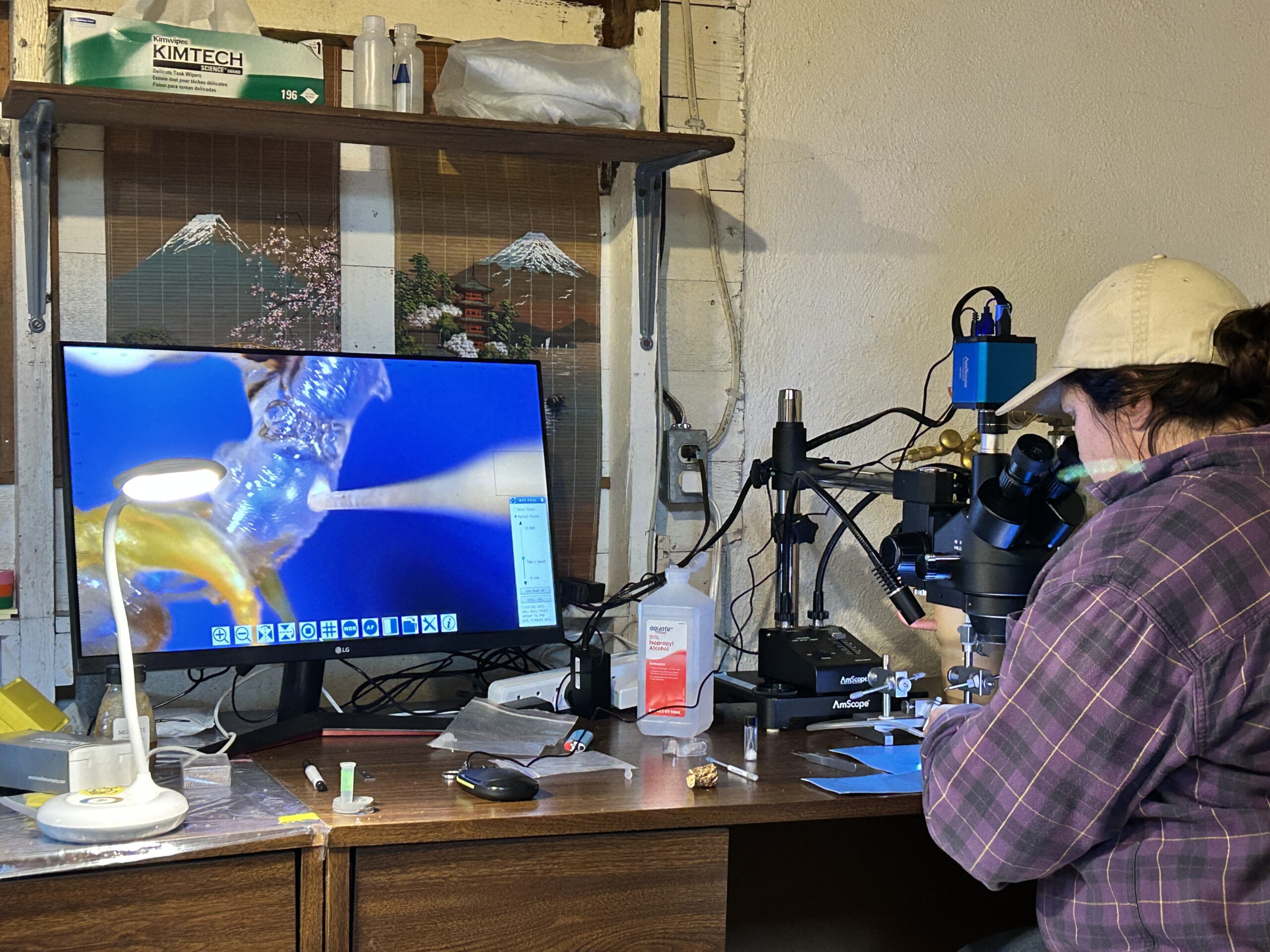
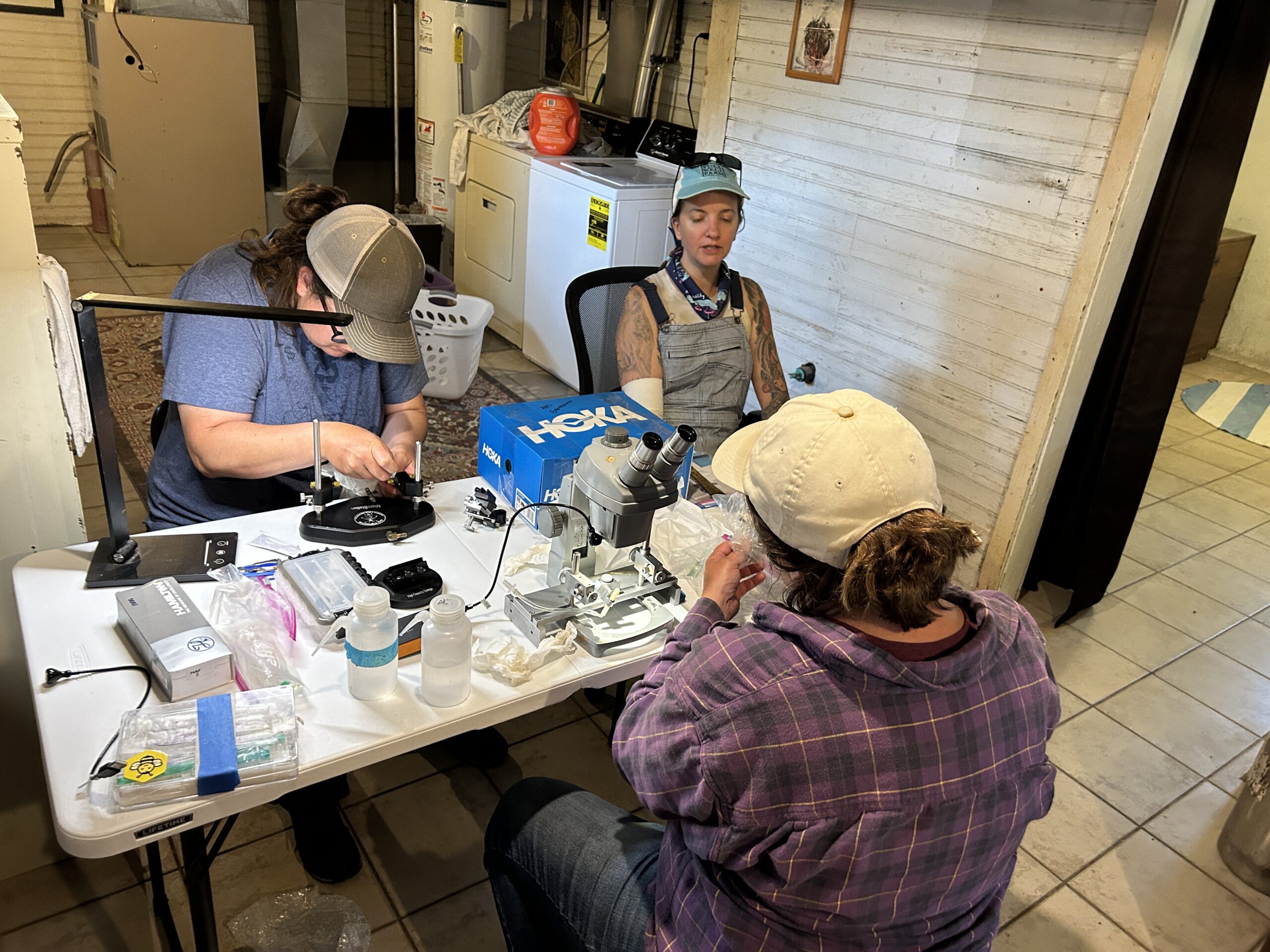
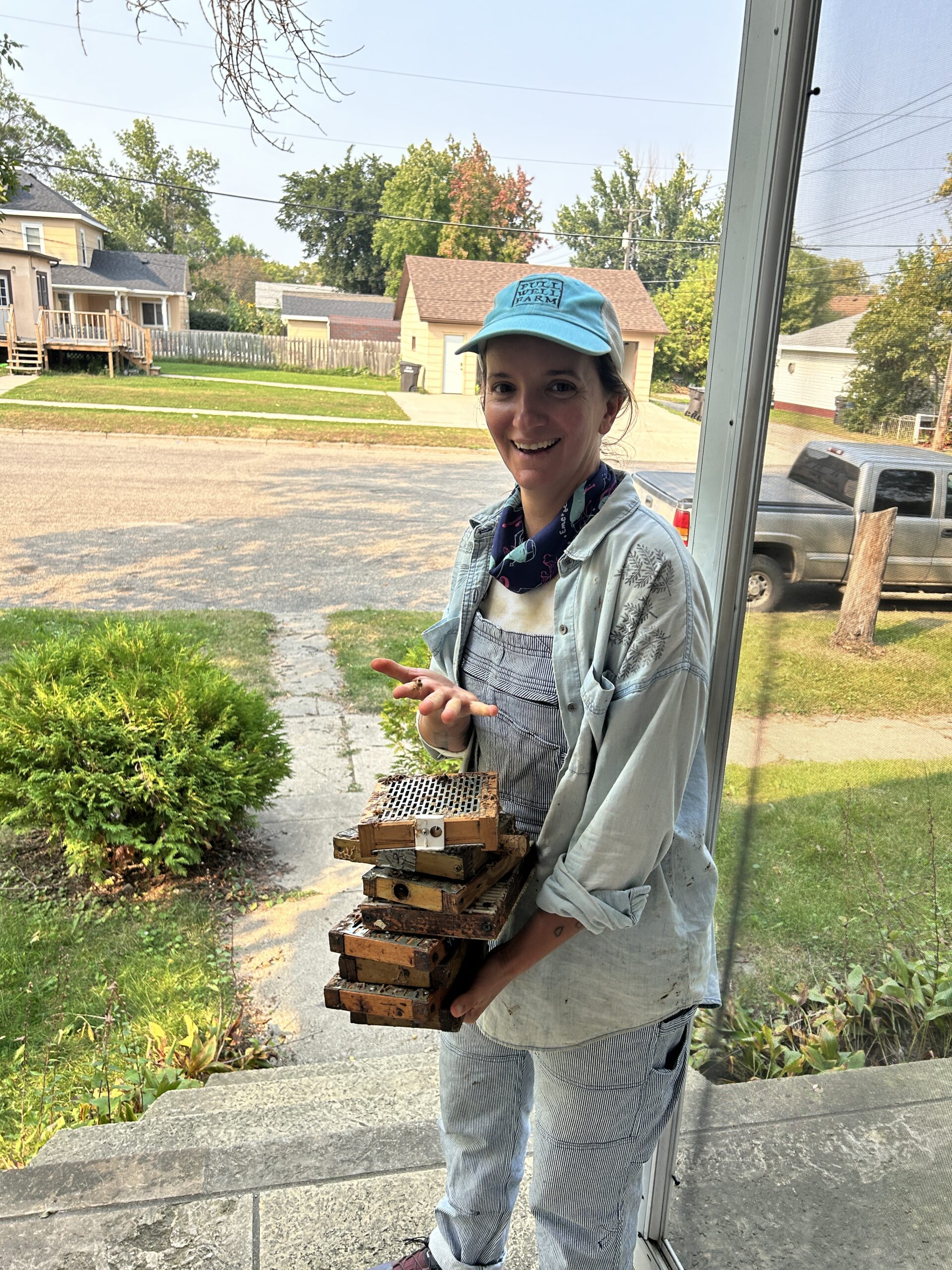
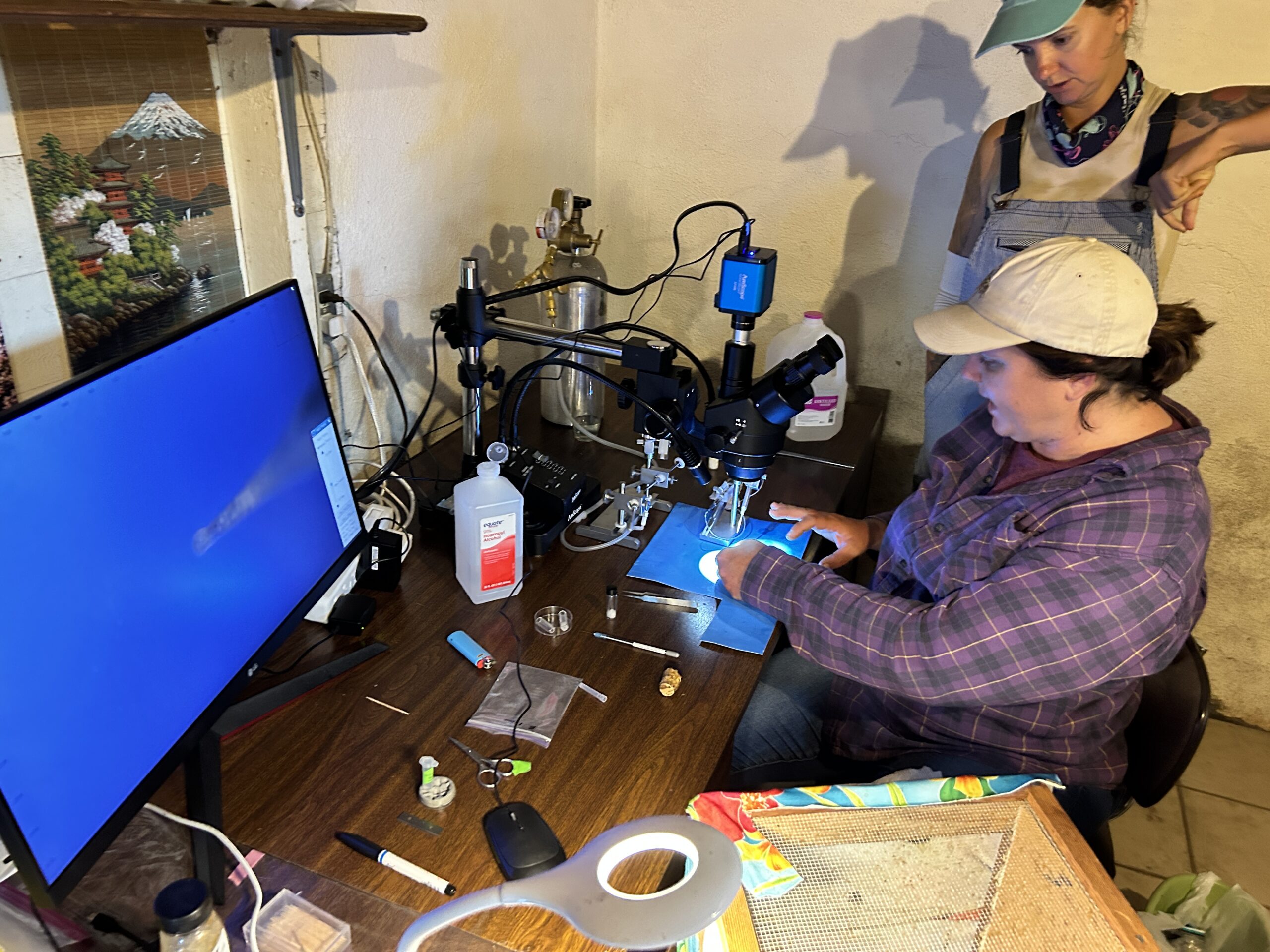
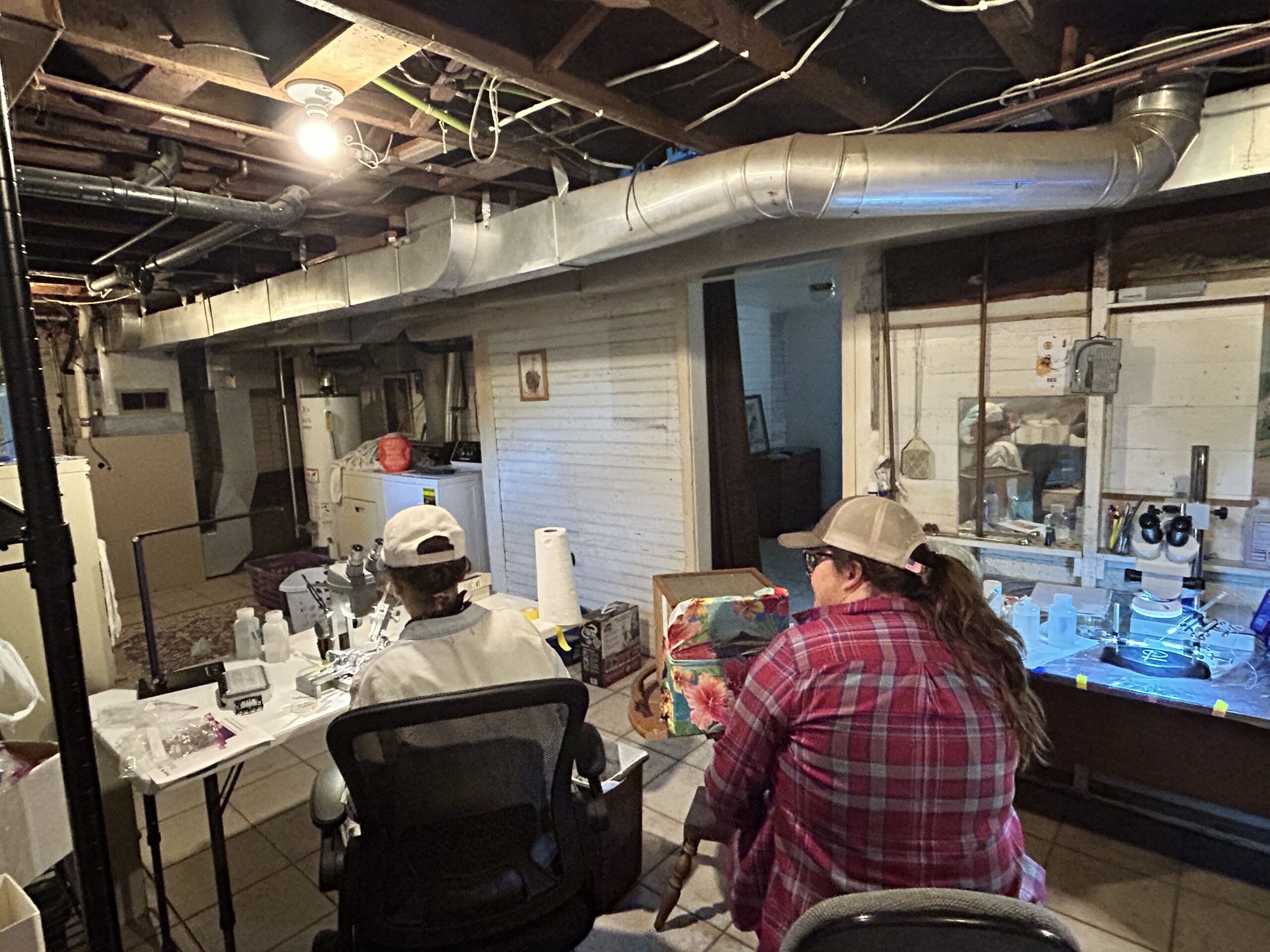
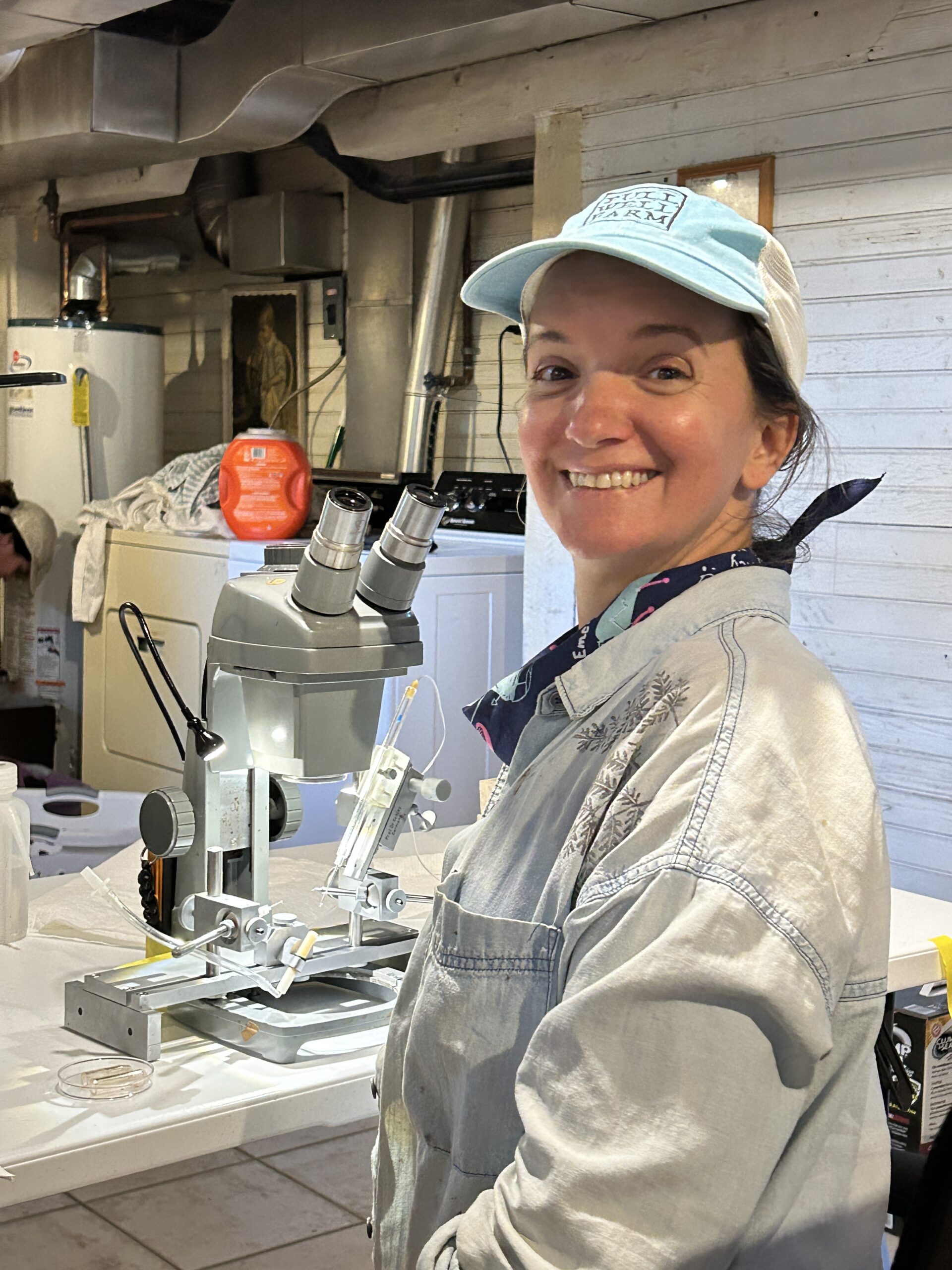
Practice with drone semen collection and instrumental insemination protocol. This is a very nuanced and detail-oriented techniques so discussion ensued on working on a subsequent proposal to obtain more practice and to develop skill set so that regionally each can serve as a collection and insemination specialist. Another training was conducted in Massachusetts (September 2025) and germplasm was collected in California (May 2025).
Learning about advanced breeding techniques; professional development.
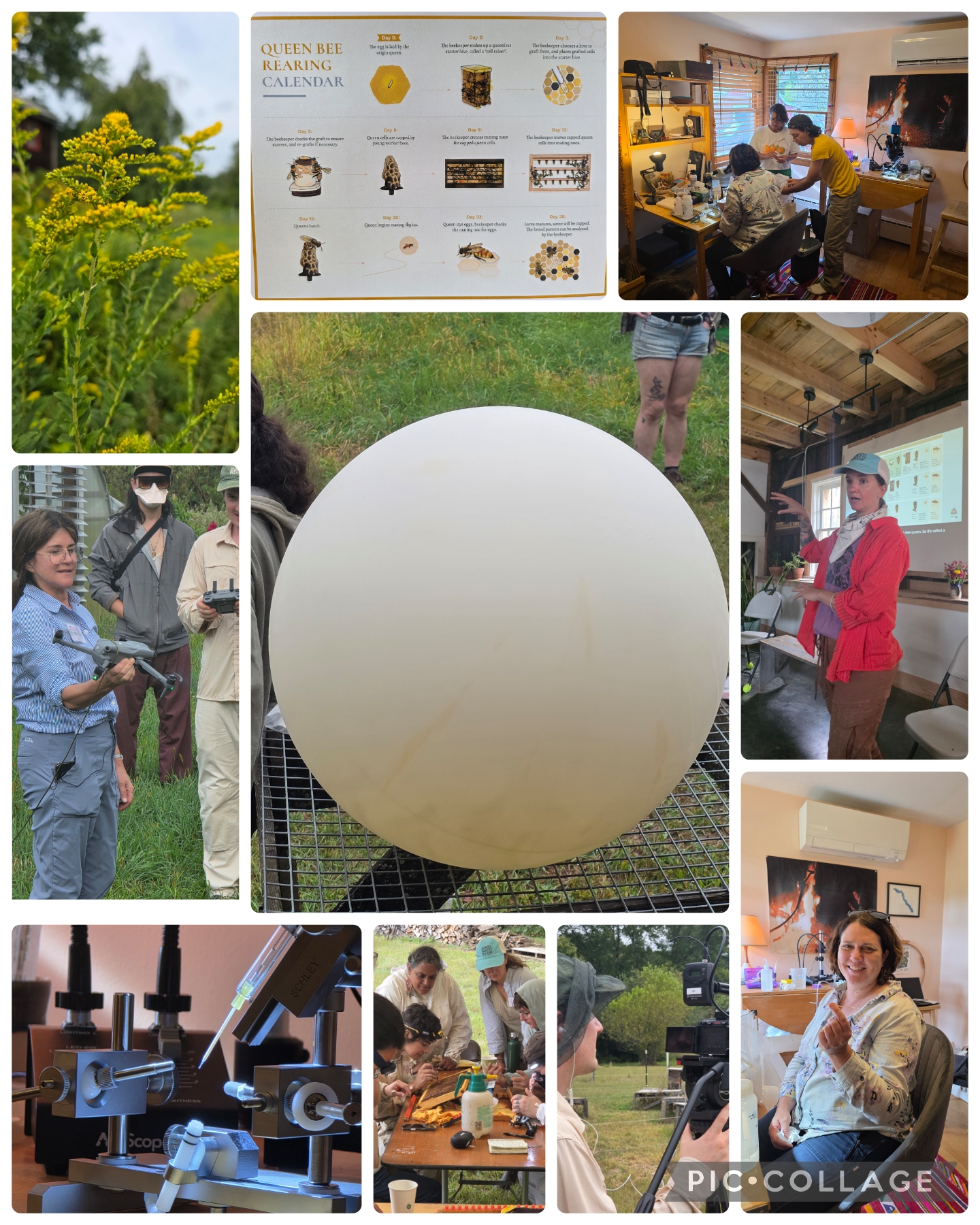 Presentation at They Keep Bees Queen Rearing Workshop:
Middle photo: spermatheca analogy
Clockwise starting bottom right: Megan Mahoney with a straw of drone semen, Ang Roell presenting about queen cell management, ABBA members learning about Instrumental Insemination, They Keep Bees Queen cell chart, Goldenrod fall nutrition for bees, Julia Mahood of Map my DCA demonstrating finding drone congregation areas for mating, insemination equipment
30 students attended They Keep Bees Queen rearing workshop where ABBA information was shared.
Video with Mark Spitzig of LongeviBEES and Melanie Kirby of Zia Queenbees Farm & Field Institute
https://www.wevideo.com/view/4030970549
Full video and segments with captions will be uploaded to website
Learn insights of queen rearing- from varroa mite control, to grafting...
Learn about diverse ABBA members and their practices and philosophies for rearing queens and conducting bee breeding research.
Anthology of inaugural bee producers and scientists participating in Adaptive Bee Breeders Alliance with clickable links, videos, and educational materials.
Learn about each producers and researcher and resource links to learn more about each.
Education on queen rearing techniques.
Video featuring Mark Spitzig of LongeviBEES and Melanie Kirby of Zia Queenbees Farm & Field Institute sharing insights of queen rearing including varroa control, and grafting...
Learn techniques and tips for rearing queens
Sharing information about ABBA and adaptive breeding practices
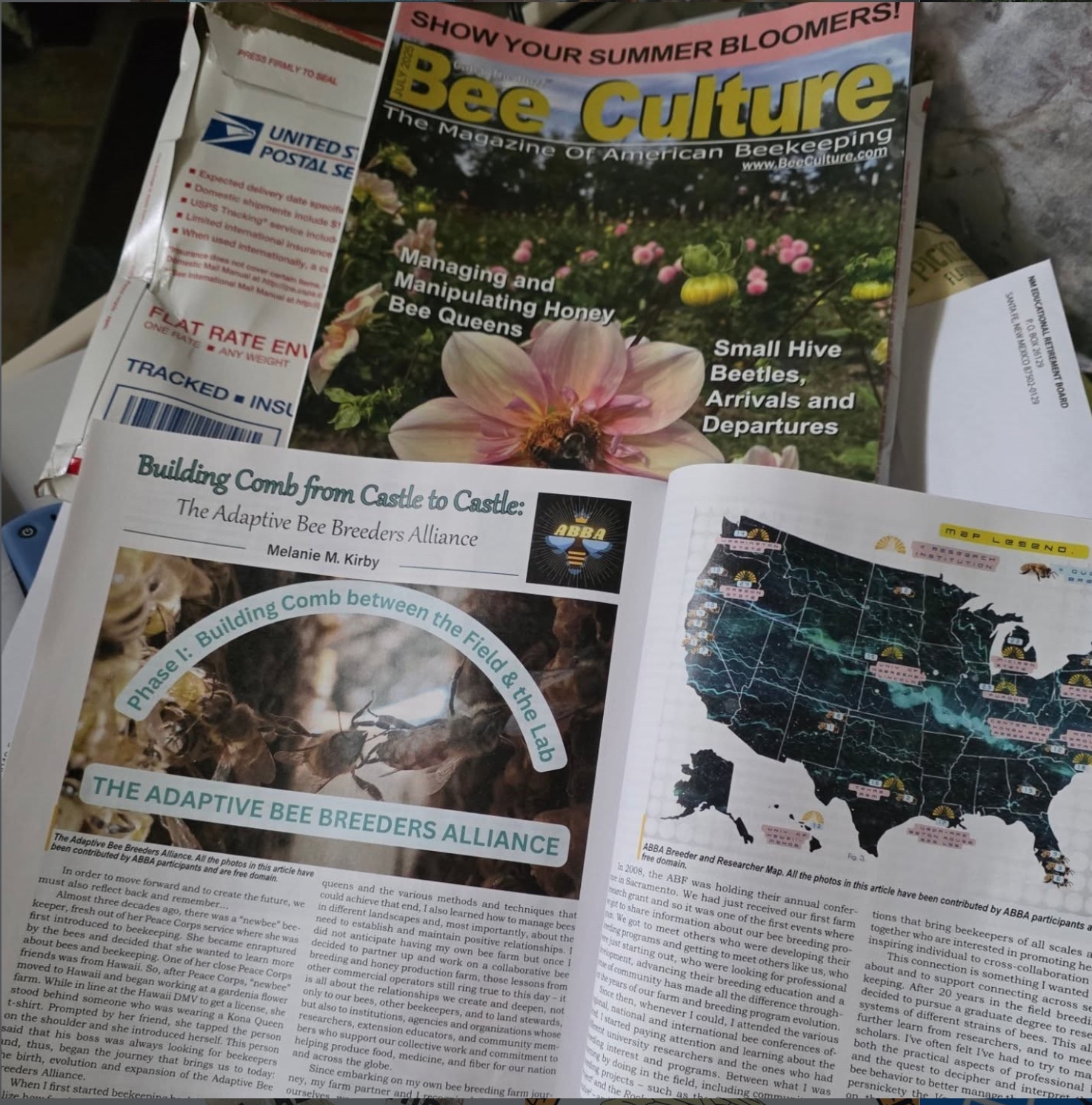
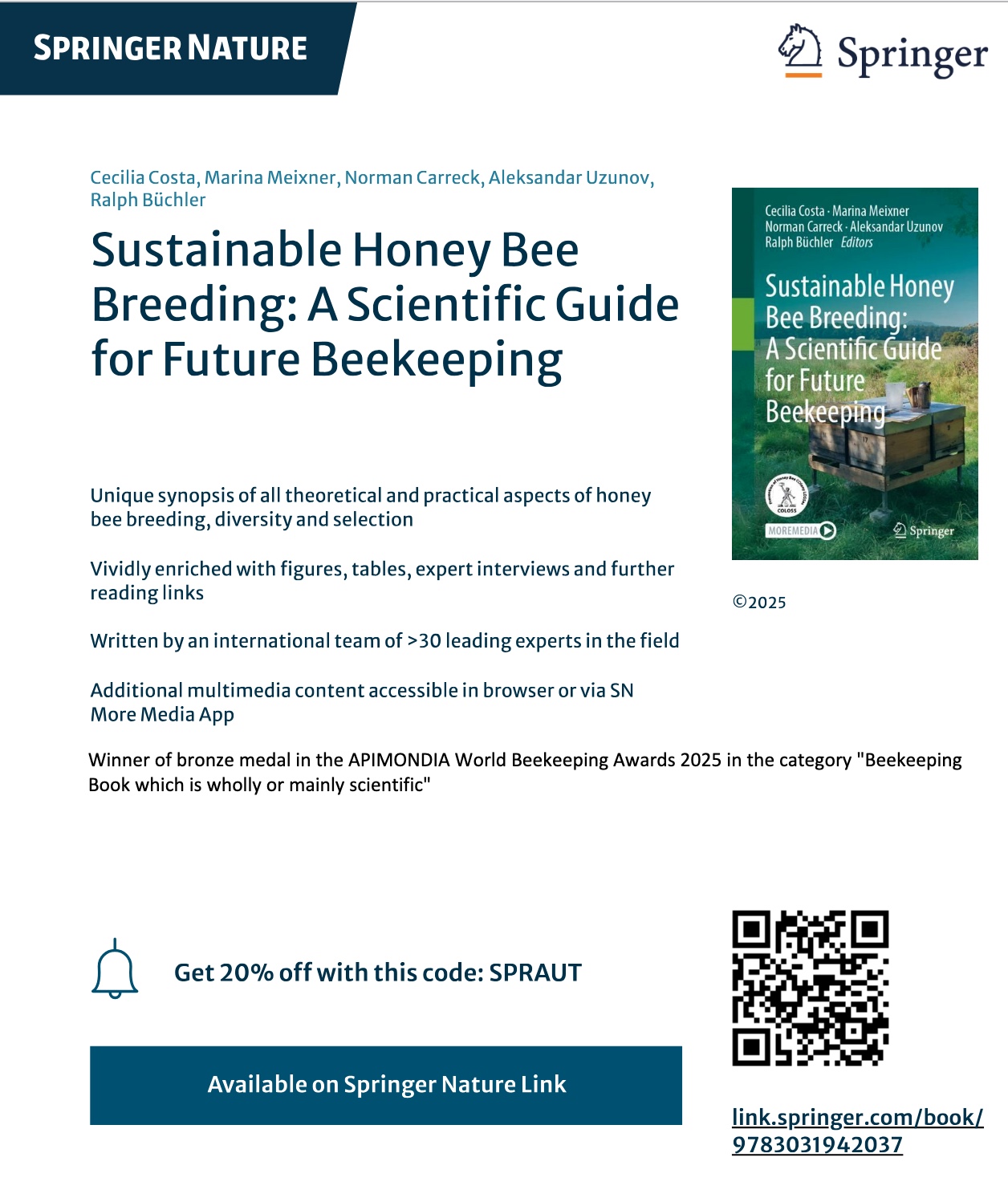
Articles written about ABBA and adaptive bee breeding methodologies and applications.
Educational & Outreach Activities
Participation summary:
Workshops:
Instrumental Insemination (I.I.) demonstrations for aspiring bee breeders; I.I. training for ABBA producers (9: 3 ABBA members x 3 times and 1 Researcher 2x)
Drone Congregation Area assessment workshops (DCA) demonstration and training for aspiring bee breeders in Massachusetts, California, and training for ABBA producers in New Mexico, Massachusetts, and California.
Queen rearing workshops: New Mexico 2x; Massachusetts 2x; Texas 1x; California 2x;
Learning Outcomes
Project Outcomes
Final outcomes:
- Instrumental Insemination: learning of equipment set-up, importance of appropriate supplies and hygienics, harvesting and aging drones (male bees), collecting semen, gassing and insemination of queens, incubating, and installation, marking, clipping, numbering.
- Discussion groups for selection traits.
- Video interviews with bee producers and researchers available for online viewing which highlight the diversity of methodologies in each region.
- Anthology of inaugural alliance participants.
- Invitation to be included in international Research Network for Sustainable Bee Breeding Network (COLOSS publication).
- Presentation invitations for various bee groups across the United States including:
-
- Washington State University Queen Rearing Workshop Keynote (June 2025)
- Entomological Society of America Workshop presentations (November 2024)
- Michigan Beekeepers Association Pre-Con and Conference presentations (September & October 2024)
-
- Invitation to participate in international conferences to share presentations.
- Invitation to participate in podcasts highlighting ABBA.
- Requests for presentations continues.
- Researchers organized a workshop at the American Beekeeping Federation 2026 conference.
- Interest is gaining momentum as more beekeepers and researchers are interested in joining the alliance. We aim to apply for funding to hold an in person conference specific to queen breeding and queen and drone health in the next few years.
With our project based in the western region but spanning across multiple regions, we would like to recommend that funding for cross-regional projects be made into their own category.