Final report for EDS24-062
Project Information
Tennessee Local Food aims to increase sustainable agriculture and economic viability of farms in Tennessee and the Southeast region by hosting educational events and opportunities for farmers and also networking events that connect farmers to their consumers. This project will enhance and expand the work being done by Tennessee Local Food by allowing them to address the issue of sustainable agriculture, food sheds and food circles, direct marketing, slow food, chef collaborations, urban ag systems and food policy in the state of Tennessee and throughout the region through educational activities and opportunities for farmers, technical assistance providers and consumers to engage in, such as hands-on workshops, panel discussions, demonstrations, screenings, field days, and annual conferences. This project’s educational activities will focus on helping farmers to increase productivity to meet the food and fiber needs of the region through education, enhancing the quality of land, water, and air by helping farmers to learn and implement better stewardship practices, improving the economic viability of farms, and promoting the resilience and well-being of producers, their families, and society as a whole.
This funding will help us grow beyond an annual conference that has been a considerable catalyst in the local food movement in the southeast, into a multi-event series of opportunities for education and networking through a formal and supported collaboration across several organizations which will bring multiple significant benefits to farmers and consumers in the region. This project builds upon the existing work of TN Local Food by adding organizational capacity in the form of a Communication Specialist and increases the time of our single, part-time staff person in addition to funding peer-to-peer learning opportunities, workshops and more.
- Educate farmers so that they can grow ample food and fiber for the southeast by hosting events that will reach a minimum of 1,000 attendees
- Educate farmers in sustainable stewardship so that they can enhance the quality of air, water, and soil through their farming practices which will be measured by the increase in positive stewardship practices in surveys post-season
- Increase the economic viability of farms by educating farmers on business and marketing and by connecting them directly to consumers which will be measured in post-season survey on economic viability and growth, new markets reached, etc.
- Increase the quality of life of producers and their families and society as a whole through specific workshops offered and by providing space for building connections and relationships.
Cooperators
- - Technical Advisor - Producer
- - Technical Advisor - Producer
- - Technical Advisor
- - Technical Advisor - Producer
- - Technical Advisor - Producer
- - Technical Advisor - Producer
- - Technical Advisor - Producer
Education
The educational approach used in this project centered on immersive, accessible, and community-driven learning experiences. A range of formats—including an on-farm demonstration, hands-on workshop, panel discussion, and guided tour—were strategically chosen to meet farmers where they are, both geographically and in their learning journeys. Events took place on working farms and at restaurants to maximize relevance, accessibility, and impact.
Key activities included:
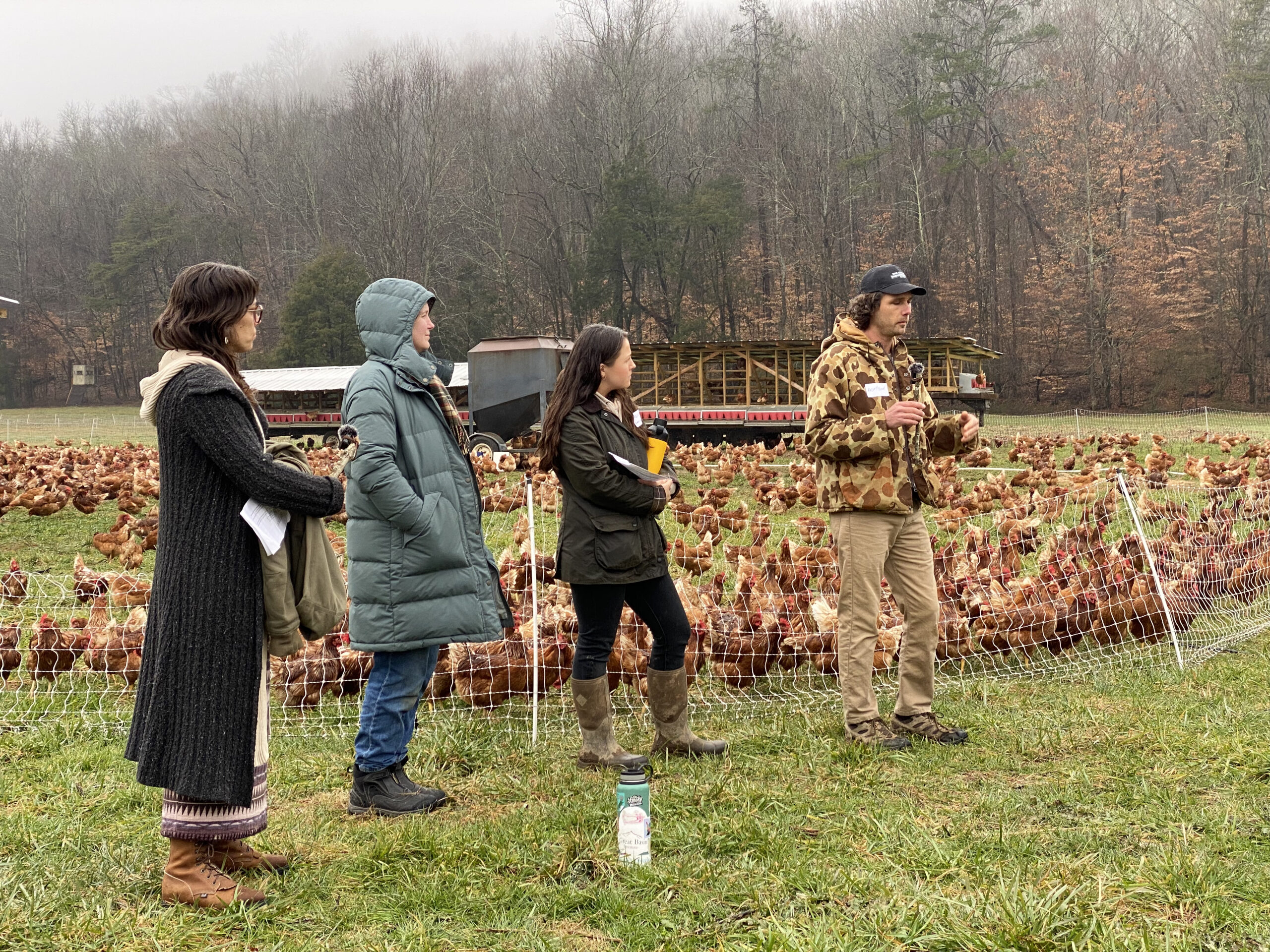
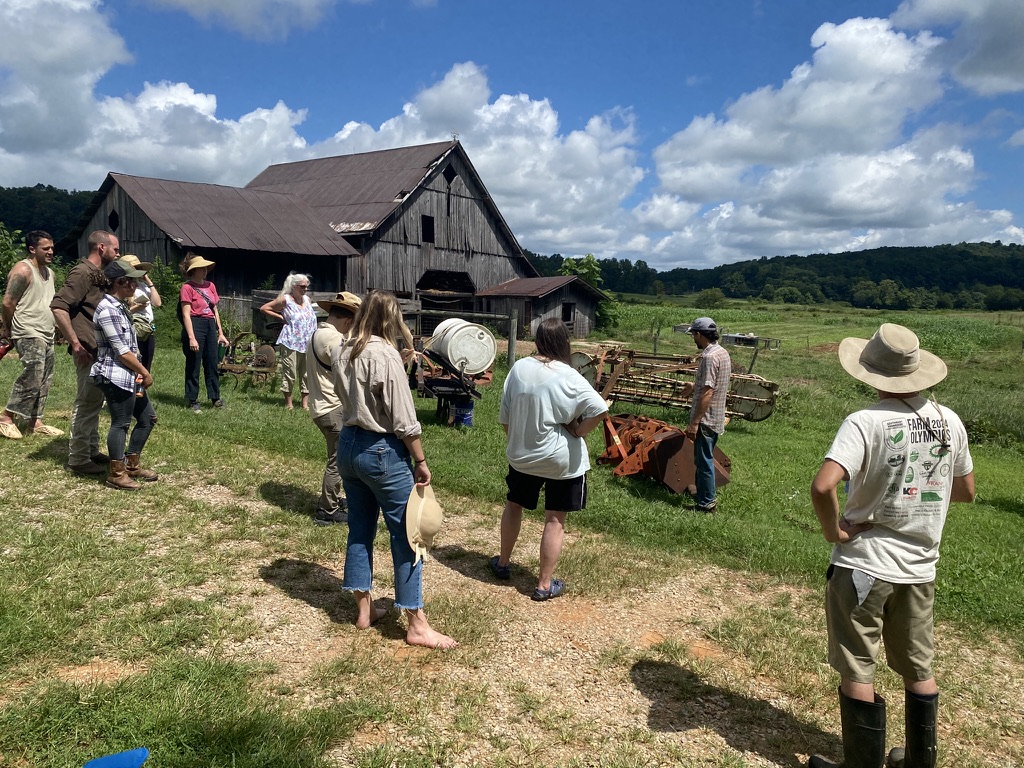
- Regenerative Grazing Field Day (Sequatchie Cove Farm): Provided an in-depth look at rotational grazing techniques through guided tours of multi-species pastures, led by farmers and soil scientists.
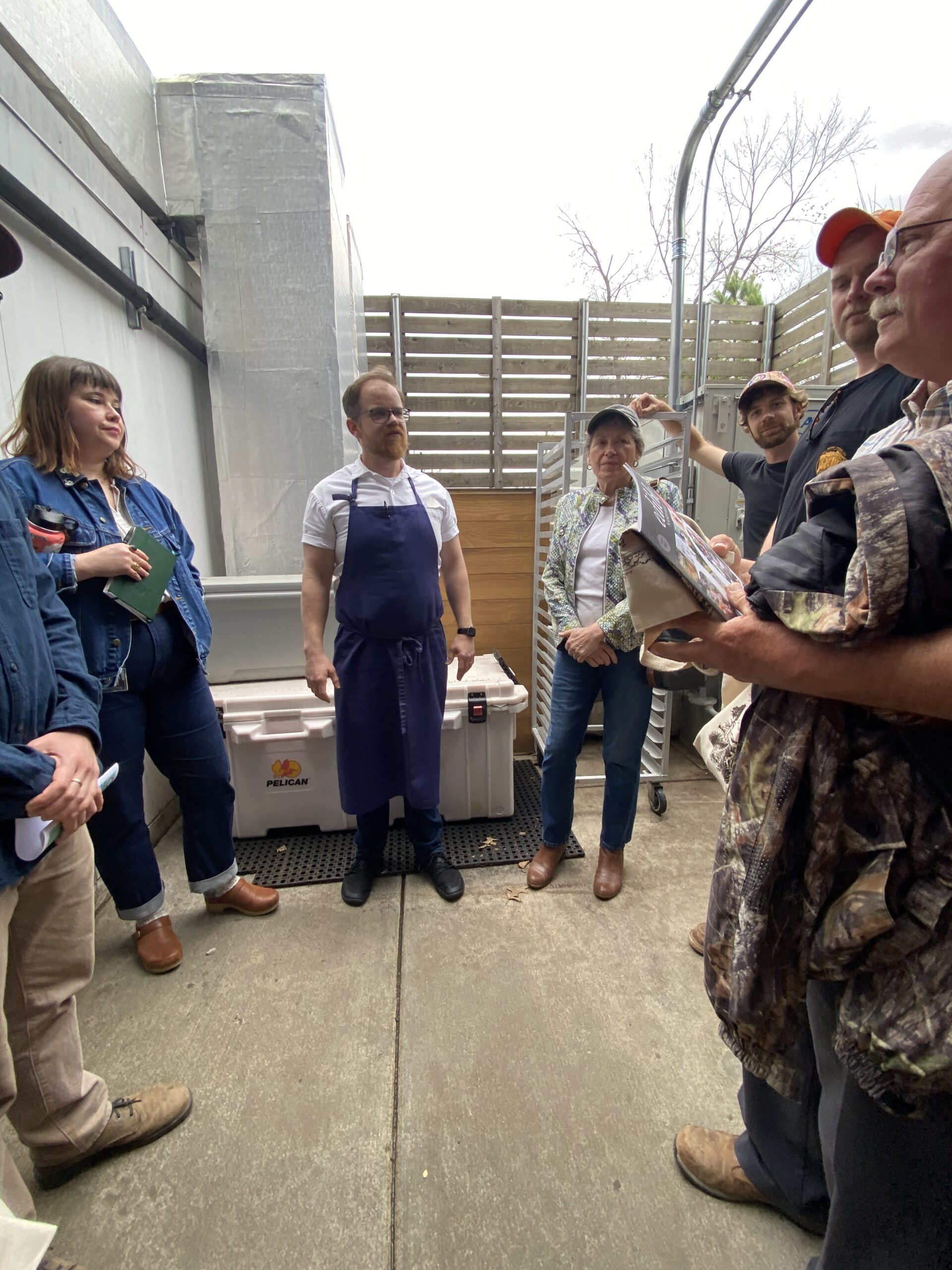
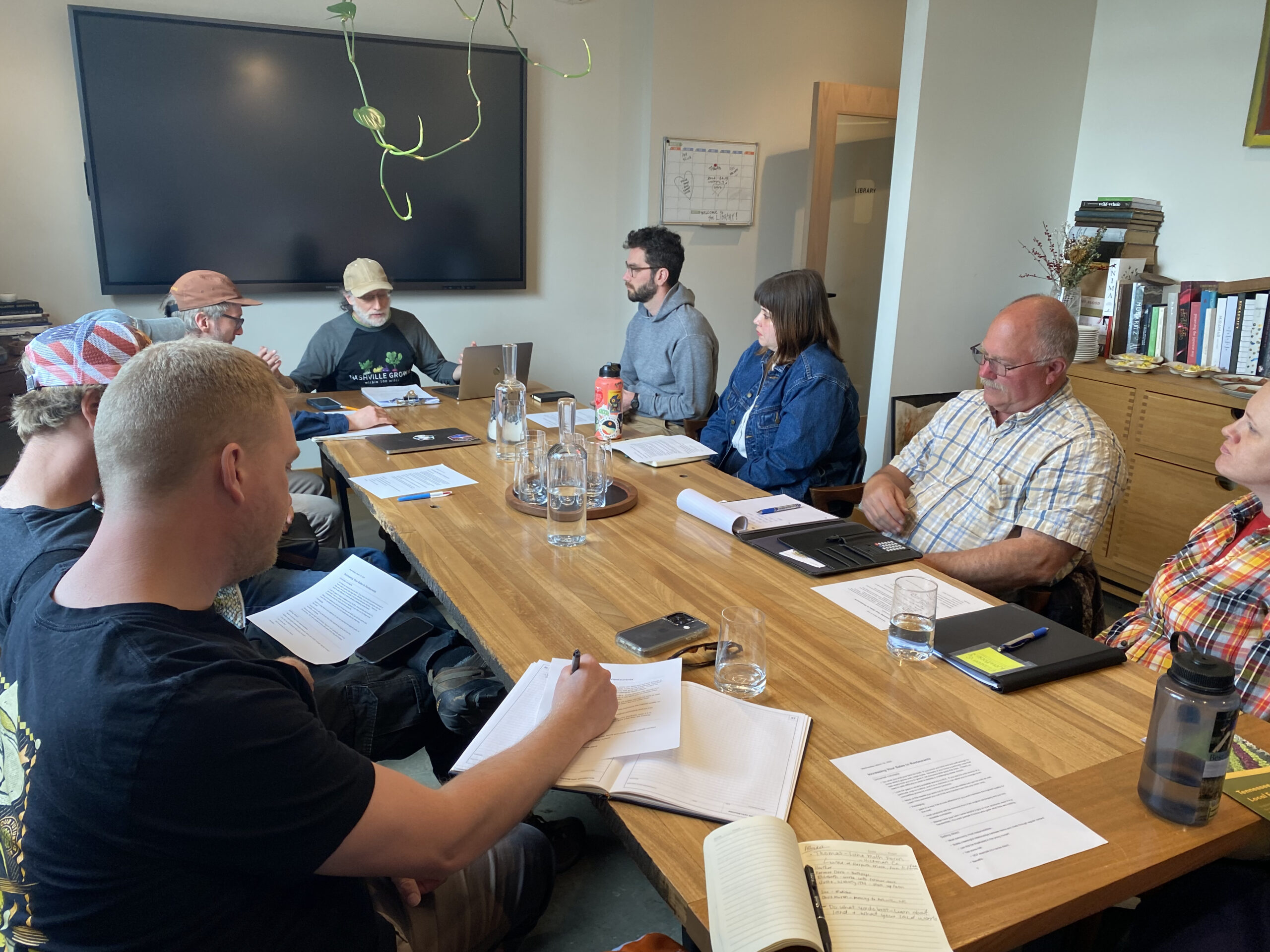
- Marketing & Restaurant Sales Workshop (Nashville Grown): Paired a panel of chefs and food hub operators with a restaurant tour to help farmers expand direct-to-market sales. A blog summary was created for broader reach.
- Conservation Tillage (Villa Acres): A demonstration and hands-on workshop provided insights into strategies for maintaining soil health through conservation tillage practices. Video recordings were made available as online resources.
- Ecological Pest Management (Rooted East Knoxville): This workshop supported urban farmers’ ability to grow food while enhancing the quality of soil, water, and air. A video recording was made available as an online resource.
- Social Resilience (Brooklyn Heights Community Garden): This workshop focused on fall gardening as an act of food sovereignty. Attendees gained practical knowledge on seed saving and starting crops for fall production.
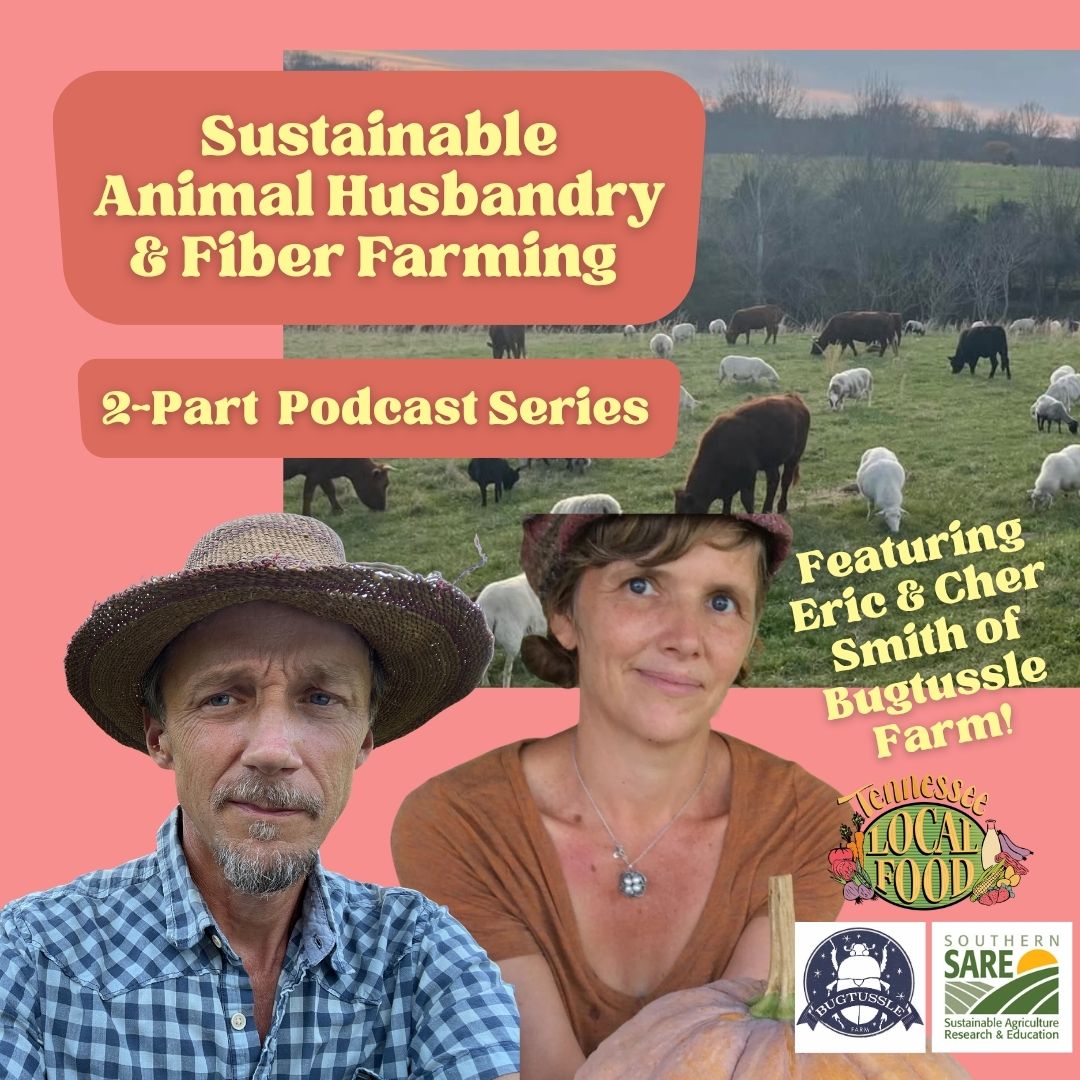
- Sustainable Animal Husbandry & Fiber Farming Webinars (Bugtussle Farm): This 2-part virtual workshop series educated livestock producers about multi-species grazing techniques and opportunities to diversify revenue streams by raising livestock for fiber. The recordings were adapted into a podcast format to increase accessibility.
These educational offerings not only conveyed technical skills and sustainable practices but also fostered peer-to-peer learning and community building—critical for long-term resilience in the farming sector. Participants reported increased knowledge, inspiration, and social connection, which are foundational to adopting and sustaining new agricultural practices.
Educational & Outreach Activities
Participation summary:
Educational Tools:
Throughout the program, we developed twelve educational tools in various formats. Across YouTube, our website, and social media, these tools have reached over 23,453 viewers and listeners.
- We produced a series of four educational videos—three short-form and one long-form—highlighting on-farm resilience. Topics included rotational grazing, pasture management for soil health, strategies for navigating extreme weather events like flooding and drought, and building social resilience through strong community networks. These videos serve as ongoing learning resources accessible to farmers across the region.
- We produced another series of four educational videos —three short-form and one long-form—as part of our Conservation Tillage event, which explored low- and no-till cultivation techniques, cover cropping, and tools and equipment for optimizing soil health.
- We produced one reflection video at our Social Resilience workshop that showcased the essential role that local food systems play in developing food sovereign communities.
- We recorded one educational video of our Ecological Pest Management presentation, which provided strategies for navigating pests and diseases using organic methods.
- We adapted our 2-part webinar series on sustainable animal husbandry and fiber farming into 2 podcast episodes that highlight the essential role livestock plays in regenerating soils and the diverse market opportunities available to livestock producers.
Newsletters:
Both the TN Local Food and Southeast TN Young Farmers newsletters featured and promoted project-related activities, reaching a combined audience of over 2,250 readers.
Tours:
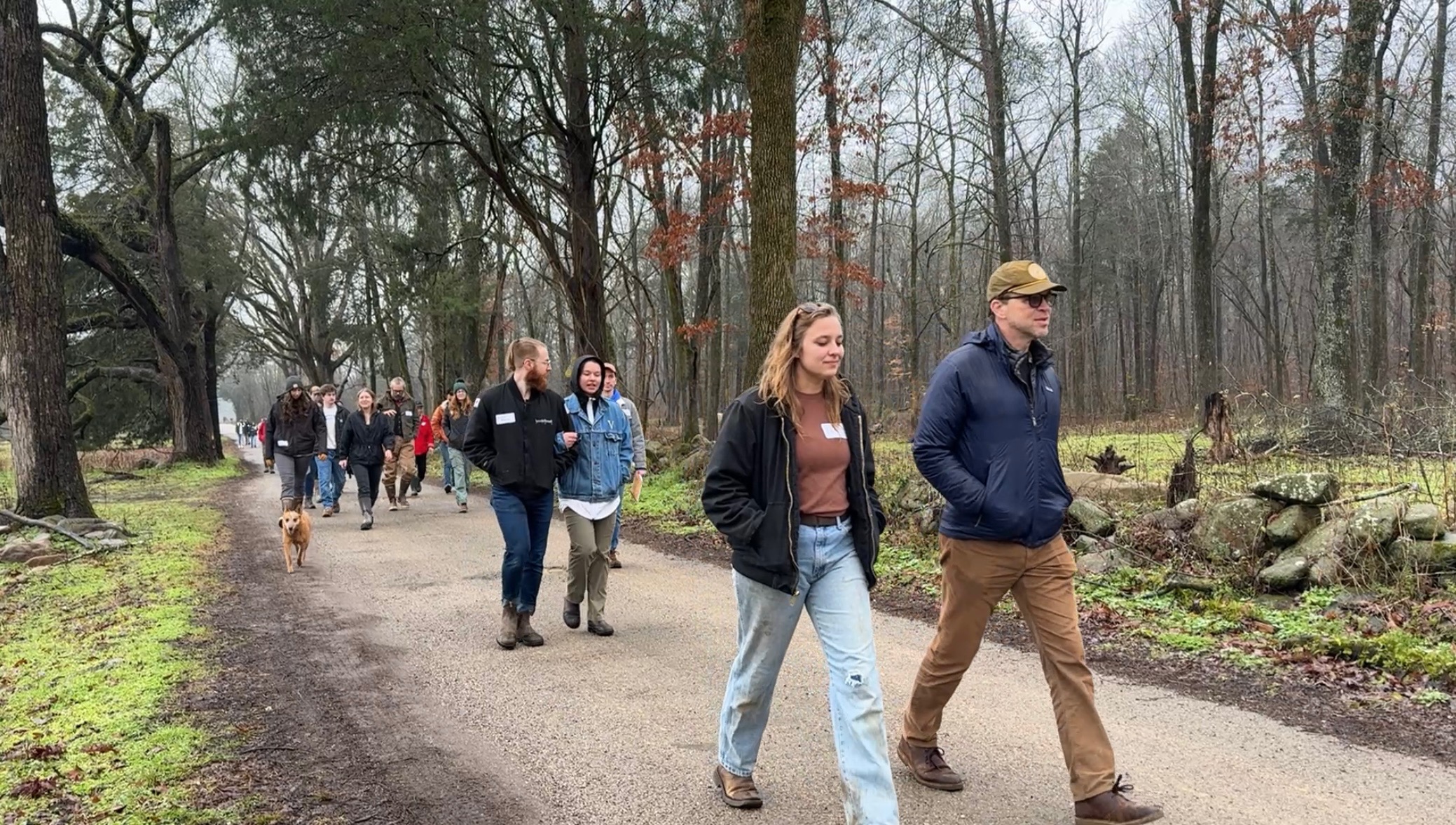
As part of the Resilience Farming field day, farm manager Kelsey Keener led a walking tour of Sequatchie Cove Farm. Attendees observed and learned about his multi-species rotational grazing system, including a deep dive into practices for a growing regenerative poultry operation.
Presentations:
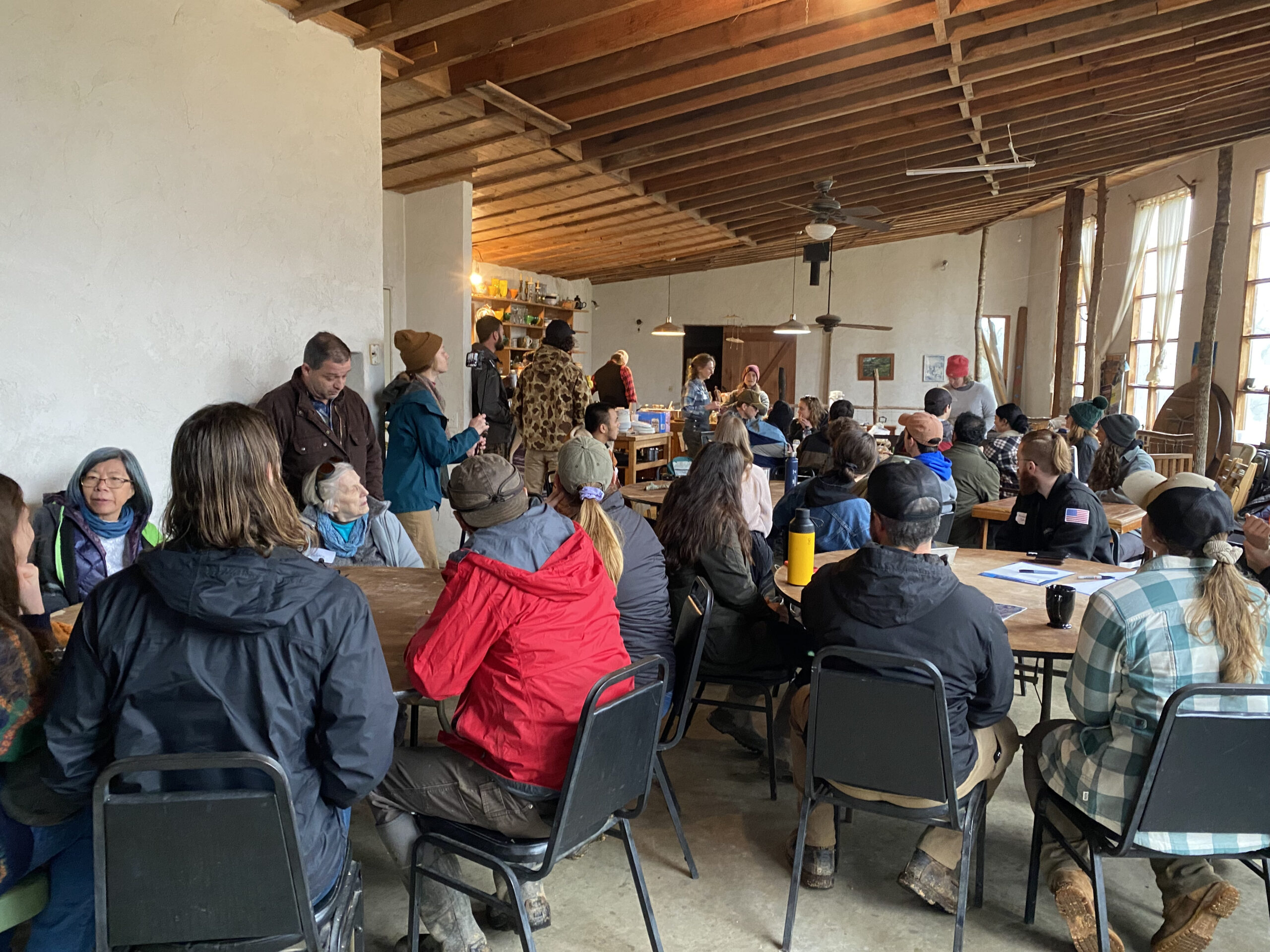
During Increasing Your Sales in the Restaurant World, Alan Powell of Nashville Grown delivered a detailed presentation on selling to chefs. His session covered pricing, packaging, distribution, and the benefits and tradeoffs of direct sales vs. working with aggregators. The event also included a moderated panel with chefs and farmers, fostering a rich dialogue around improving restaurant market access for both beginning and experienced farmers.
The Ecological Pest Management presentation by Laila Malik of Rooted East Knoxville provided urban farmers with a range of strategies for managing pests and diseases using organic methods.
Our 2-part webinar series on Sustainable Animal Husbandry and Fiber Farming provided an opportunity to learn about the role of livestock in regenerating soil and fiber as an alternative market avenue for livestock producers.
Workshops and Field Days:
At the Resilience Farming event, farmers from across the region formed a panel to share strategies for building environmental, financial, and social resilience. Attendees toured the farm in small groups, pausing at key locations for hands-on learning and conversation with each speaker about sustainable practices and community-building on the farm.
At the Conservation Tillage event, Villa Acres facilitated a farmer-to-farmer demonstration and workshop that focused on maximizing soil health through strategic tillage practices and cover cropping. Farmers in attendance discussed tools and equipment, and ample opportunity for questions and conversation was offered.
The Social Resilience workshop provided an opportunity to learn about seed saving and fall gardening as an act of food sovereignty. Attendees gained practical, hands-on experience in seed saving and herb pruning and were able to take seeds and plant starts home for their own gardens.
Learning Outcomes
A better understanding of obstacles to selling wholesale and strategies to overcome them
Deeper insight into market dynamics and restaurant sales
New perspectives on farm finances and pricing models
Increased awareness of available farmer resources and local support networks
Improved understanding of pasture management strategies
Greater knowledge of regenerative grazing methods and their environmental benefits
New strategies for organic pest and disease control
Increased knowledge of seasonal cover crop varieties
Increased knowledge of cover crop implementation and termination strategies
Improved understanding of equipment and tools for conservation tillage
Increased knowledge of seed germination testing and seed varieties adapted for our region
Project Outcomes
Through hands-on workshops, panels, and events that brought together farmers, producers, consumers, chefs, policymakers, and advocates from across the region, the project has measurably advanced sustainable agriculture and farmer resilience in Tennessee. These learning opportunities offered economic, environmental, and social benefits by providing both practical tools and a strong sense of community support. Feedback from our event activities highlighted that farmer-to-farmer learning and building a regional peer network were among the most valued and impactful aspects.
Key takeaways and outcomes from our event activities include:
-
- Resilience Farming Workshop Feedback:
- 100% of respondents said they gained what they hoped to from the event
- All participants indicated they would attend similar events in the future
- Most useful elements included the farm tour, hearing from the panel, and peer conversations
- Suggestions included offering more focus on timelines and farm systems.
- Sales to Restaurants Workshop Feedback:
- Average usefulness score: 4.4 out of 5
- 60% of participants reported significantly increased knowledge
- 80% reported increased access to resources and new markets
- Farmers especially valued the farmer/chef panel, restaurant walkthrough, and actionable sales strategies
- Conservation Tillage:
- 90% reported a significant increase in knowledge
- 80% reported that the information shared was highly relevant to their operations
- 70% reported an intention to implement the conservation tillage practices they learned on their operations
- Farmers highly valued the demonstration and hands-on activities
- Key takeaways included seasonal cover crop varieties and strategies for cover crop implementation and termination
- Ecological Pest Management:
- 92% reported a significant increase in knowledge
- 100% reported an intention to implement the strategies learned in this workshop
- Farmers especially valued learning about specific strategies, tools, and supplies to deter pests and disease organically
- Social Resilience:
- 100% of participants reported an increase in knowledge of how to grow their own food
- Participants especially valued learning about seed varieties adapted for the southeast region and gained skills in seed germination testing
- Sustainable Animal Husbandry & Fiber Farming Webinars
- Only one farmer attended our webinar series, which provided a unique opportunity for farmer-to-farmer learning with our presenter.
- The farmer participant was able to provide context and nuanced information about his operation and gained pertinent insights into how to use livestock to regenerate his family’s land, which has been conventionally farmed with extractive tillage and harsh chemicals for decades.
- Resilience Farming Workshop Feedback:
Beyond knowledge transfer, these events helped reduce isolation, deepen peer-to-peer networks, and advance sustainable agriculture and farmer resilience in Tennessee.
Additional outcomes include:
- Strengthened collaborations with seven partner organizations
- Continued demand for future events and on-farm learning opportunities
- Growing digital resource library to reach broader audiences
- Increased organizational knowledge about ideal timing and scheduling for both on-farm and virtual learning opportunities