Final report for SPR24-002
Project Information
The Puerto Rico Agricultural Extension Service (PRAES) will use SARE definitions on Sustainable Agriculture to describe sustainable farming activities similar in spirit and practice. This project will unite Sustainable Agriculture definitions with Extension faculty previous knowledge to establish the framework of extension on sustainability practices. We will translate, edit, and adapt SARE’s existing manual (“SARE Sampler of Sustainable Practices: What is Sustainable Agriculture?”) to be used by Extension faculty, farmers, and ranchers. This project intends to build knowledge and skills (train the trainers) on participants through virtual and field capacity building activities. Basic concepts are important in understanding the importance of those who want to perform farming as nontraditional agriculture. Is important for Extension faculty to recognize the benefits of those practices and how to implement them in different ecosystems. Participant Extension faculty will develop four sustainable farming practices in different ecosystems around the Island as a learning experience and a teaching tool to other Extension faculty, farmers, ranchers, and other agriculture professionals. This train the trainer’s capacity building strategy will help to pass knowledge to other Extension faculty, farmers, ranchers, and other agriculture professionals.
The principal objective is to combine some definitions on what is Sustainable Agriculture? Participants includes Thirty (30) Extension faculty. The main objective will be to translate a publication from SARE, SARE Sampler of Sustainable Practices, What is Sustainable Agriculture? Using the translated manual, we are going to create eight (8) educational modules based on sustainable practices. These modules will consist of eight (8) main topics, and they are going to be created by Extension Specialists. The eight (8) topics include Extreme Events, Soil Health, Livestock Health and Husbandry, Community Vitality, Health and Wellbeing of People, Ecological Pest Management and Innovative Technologies, and Enterprises. Each topic will have a component of evaluation that consists in a pre and posttest, to measure gained knowledge. A translated publication and the capacity building activities for Extension faculty are important for create a homogeneous definition and concepts of Sustainable Agriculture. The outcome of the project objectives will benefit farmers and ranchers, which are the end users of the passed knowledge and educational material through Extension activities. Capacity building activities to Extension faculty (train the trainers) will improve the sustainable agriculture information provided to farmers and ranchers on sustainable agriculture.
Once the manual is completed in the Spanish language, two workshops for farmers, ranchers and stakeholders will take place to share the publication and other SARE materials and let them know about the opportunity to become SARE grantees. Workshops are going to take place in the Southwest and Southeast PRAES regions and if be necessary in the other regions of Puerto Rico. Participant Extension faculty will develop four sustainable farming practices in different ecosystems around the Island as a learning experience and a teaching tool to other Extension faculty, farmers, ranchers, and other agriculture professionals. This train the trainer’s capacity building strategy will help to pass knowledge to other Extension faculty, farmers, ranchers, and other agriculture professionals. All work in the practice’s implementation will be documented with pictures and videos. This train the trainer’s capacity building strategy will help to pass knowledge to other Extension faculty, farmers, ranchers, and other agriculture professionals during four field days.
Two (2) meetings will take place with the Sustainable Agriculture Advisory Committee members to evaluate whether it is necessary to update the SARE’s strategic plan. Other outreach activities include visiting some agriculture festivals or activities related to the agriculture sector to reach farmers about the opportunity to become grantees.
Advisors
- (Educator and Researcher)
- (Educator)
Education
A manual was prepared featuring SARE-approved projects in Puerto Rico, focused on 8 topics: resilience to extreme events, soil health, livestock and animal husbandry, community vitality, human health and well-being, coffee farming sustainability, and education. Additionally, we are in the process of creating short educational videos about these 8 topics to raise awareness about the benefits of these sustainable practices.
Sustainable practices are being implemented on four farms, related to cover crop establishment, efficient irrigation system management, waste management in a pig farm, soil preservation and health, and the use of biodegradable plastic. Field days will be held to train farmers and extensionist in the implementation of these sustainable practices and the benefit for the ecosystem.
Education & Outreach Initiatives
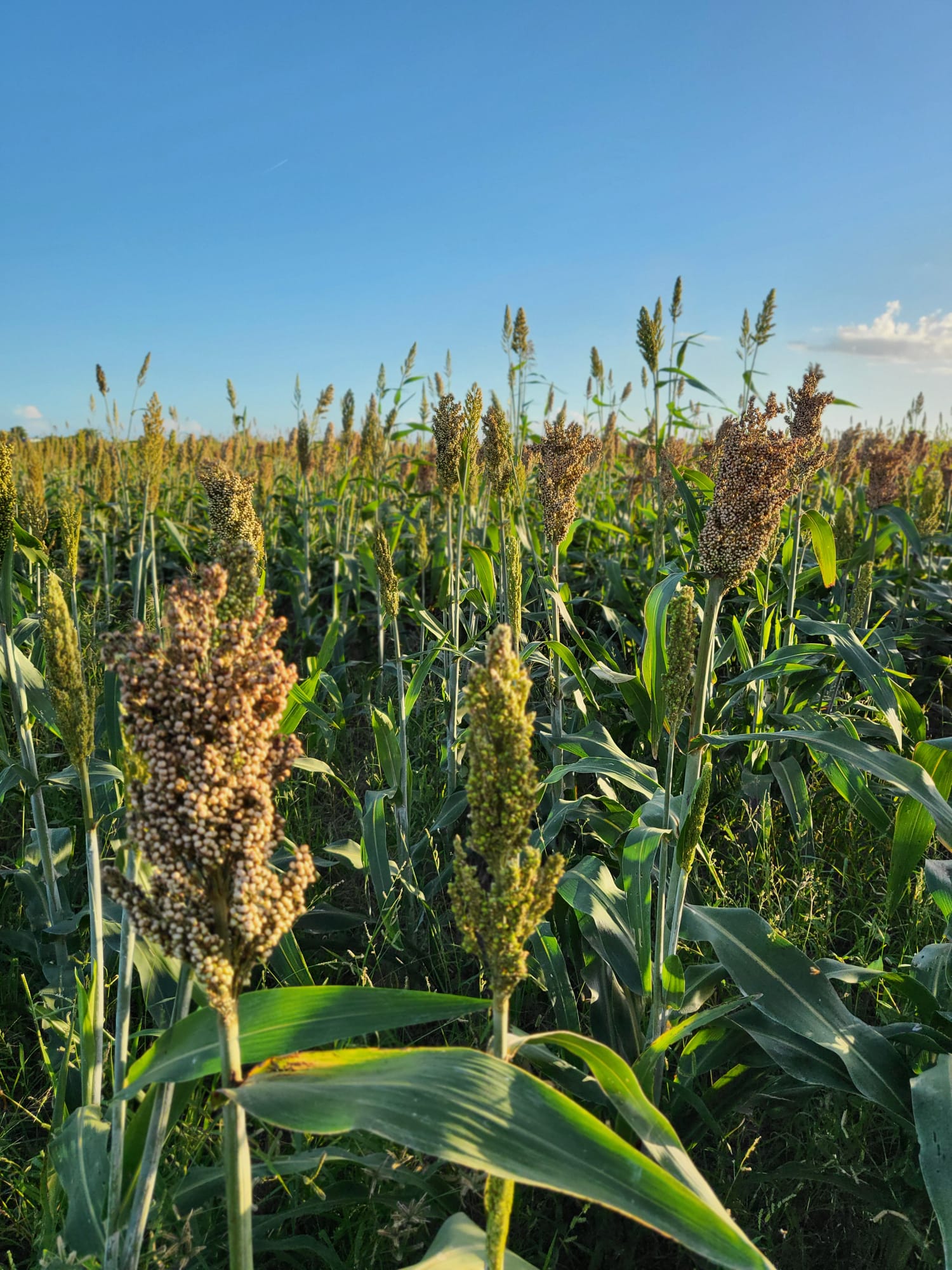
Promote sustainable farming practices by establishing and managing cover crops to: Reduce wind and water erosion, Maintain or enhance soil health and organic matter content, Prevent and mitigate soil compaction
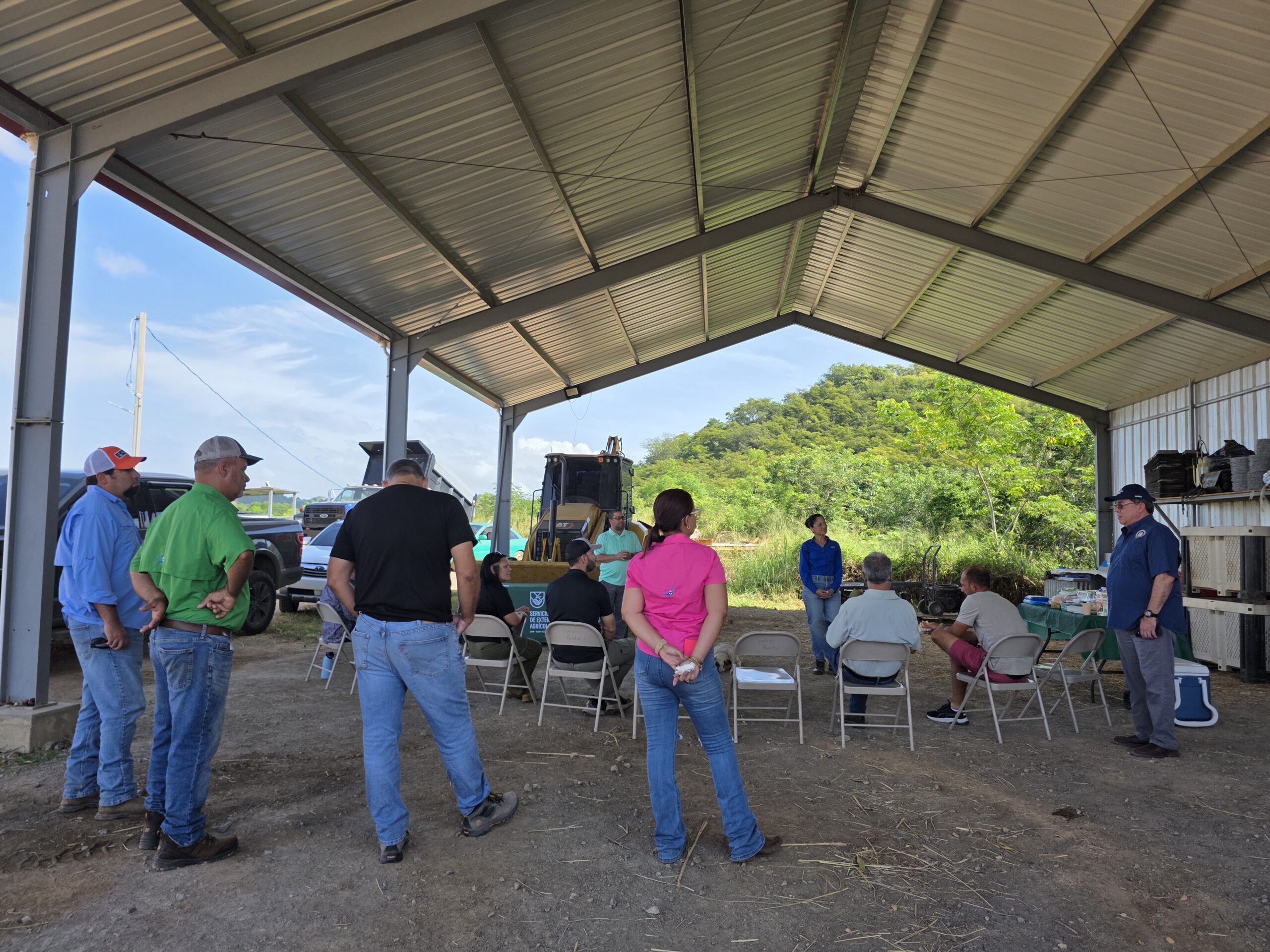
This initiative included a field day held at a demonstration site located on a farm in southern Puerto Rico. The event provided extension agents, farmers, and agricultural professionals with the opportunity to observe and evaluate cover crop systems in operation. Through guided field tours and hands-on learning experiences, participants gained practical knowledge about:
Participants increased their knowledge about the use of cover crops. In addition, they strengthened their skills in planting methods and rotation strategies. They also gained a better understanding of the economic and ecological benefits associated with integrating cover crops into production systems. As a result of the learning acquired, several farmers expressed their intention to incorporate cover crops into their farms and improve their soil management practices. Extension agents indicated that they will integrate this information into future educational activities and technical assistance provided to other producers. The initiative contributed to strengthening the informed adoption of sustainable agricultural practices in the region. In the medium and long term, these actions are expected to promote improvements in soil health, greater climate resilience, potential reductions in input costs, and the development of more sustainable and competitive agricultural systems in southern Puerto Rico.
Explain how soil structure and fertility impact agricultural productivity and sustainability
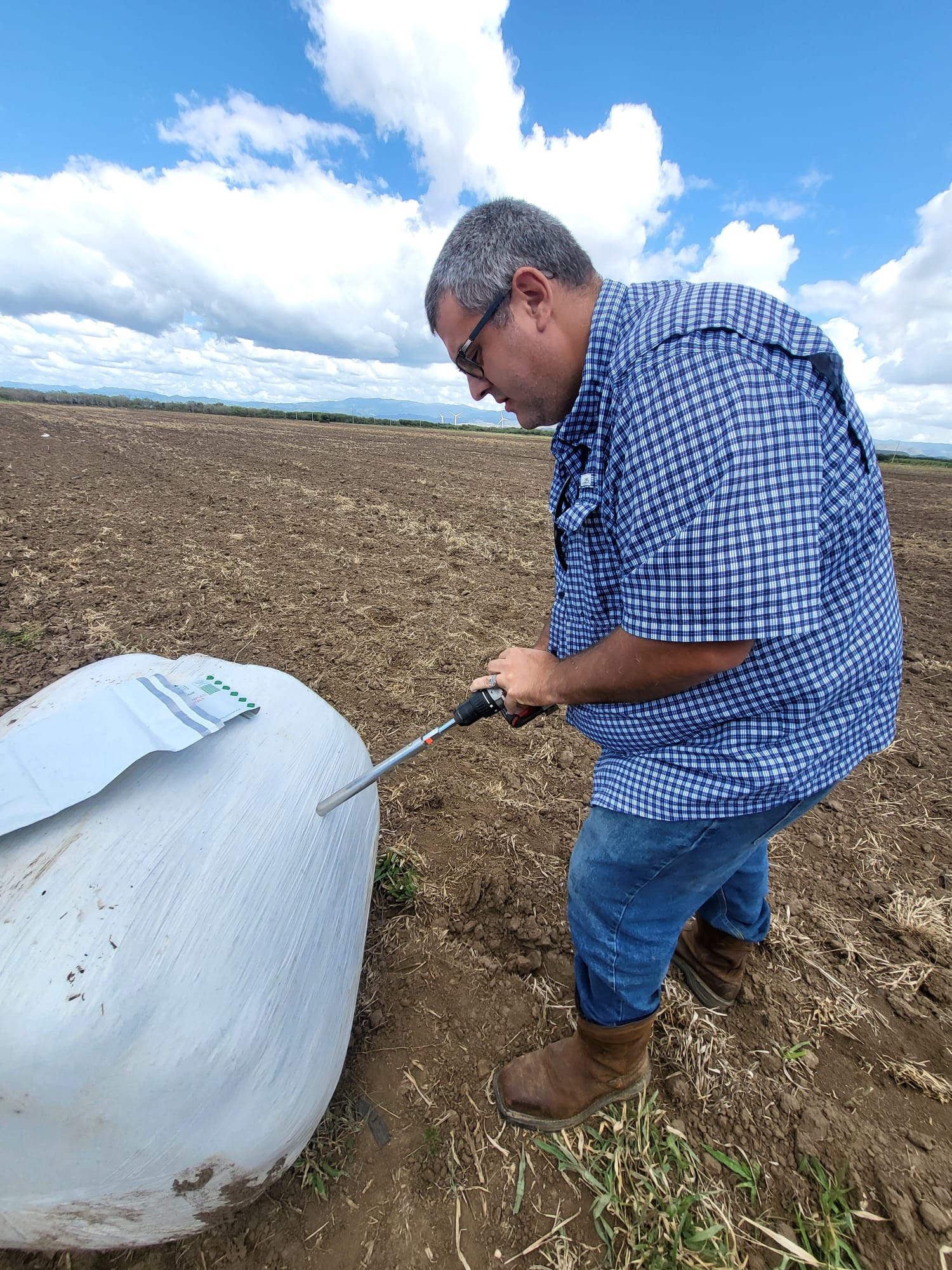
This effort focused on educating participants about soil health and how fertility directly influences agricultural productivity and long-term sustainability. It included hands-on training that enabled participants to identify key soil health indicators.
In addition, sustainable management of pineapple production was addressed, including practices aimed at soil conservation and the efficient use of inputs. The use of biodegradable plastic was also presented to support various aspects such as weed control and reducing water loss in the crop, and how this contributes to improving the sustainability of the production system.
Participants increased their knowledge of soil health and how fertility directly influences agricultural productivity and long-term sustainability. In addition, they strengthened their understanding of sustainable pineapple production management through the use of biodegradable plastic as a tool for weed control and reducing water loss.
As a result of the activity, participants expressed their intention to apply some of these practices aimed at improving soil health on their farms and to integrate the adoption of biodegradable plastic to reduce the use of chemicals and optimize crop management.
The initiative contributed to strengthening the informed adoption of sustainable agricultural practices. In the medium and long term, these actions are expected to promote improvements in soil conservation, greater efficiency in resource use, and the development of more sustainable and resilient production systems.
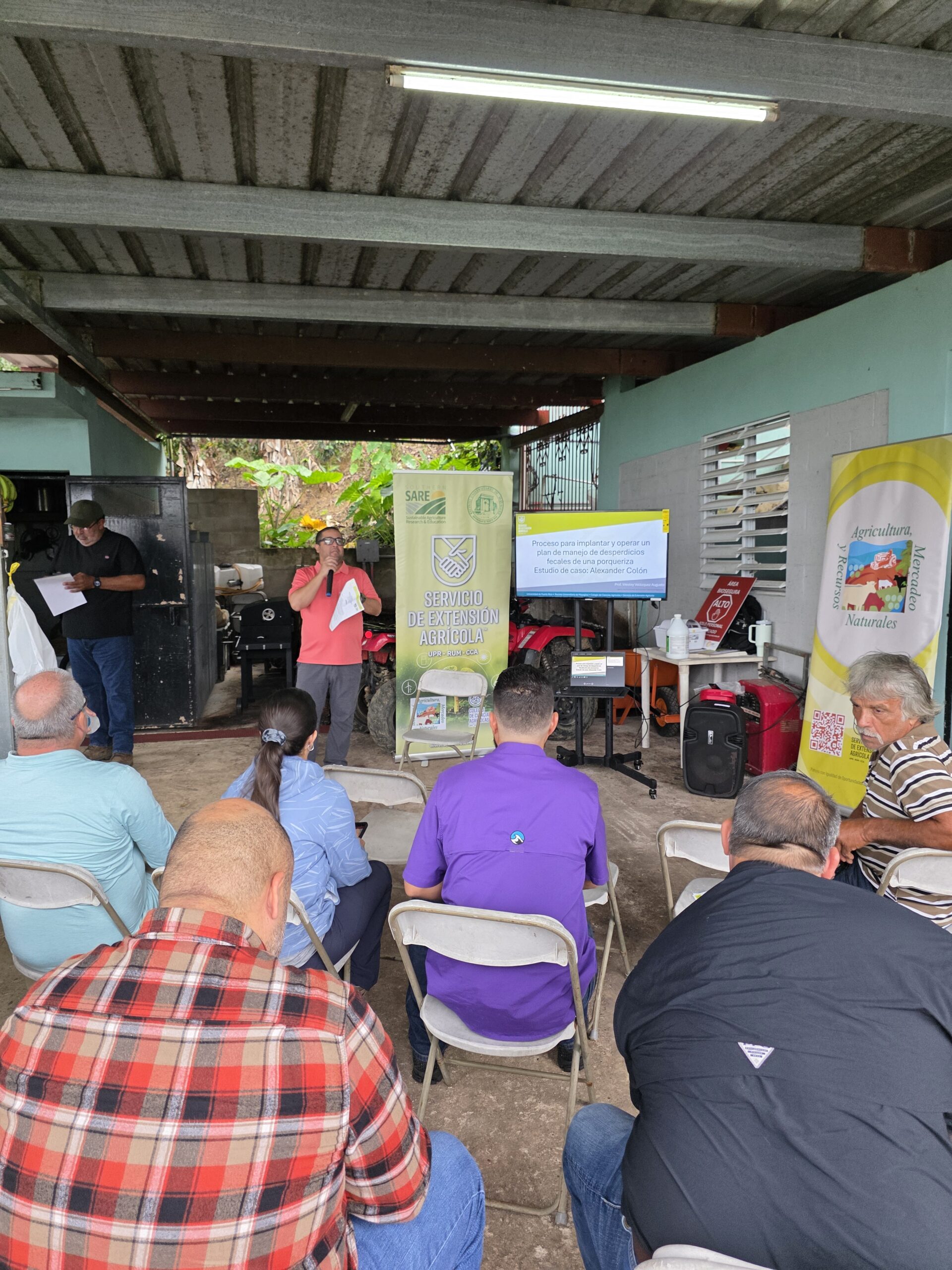
Train pig producers, students, and agricultural technicians in best practices for managing waste generated on pig farms, promoting sustainable, safe, and environmentally responsible systems.
This Field Day was conducted with the purpose of educating and demonstrating effective practices related to the waste management plan in swine production systems. The activity included hands-on demonstrations that allowed participants to gain practical understanding of how to properly manage waste generated on pig farms.
Biosecurity strategies and odor control measures were also presented and discussed, highlighting their importance for animal health, public health, and the sustainability of swine operations. The activity strengthened participants’ technical capacity and promoted the adoption of practices that contribute to more sustainable and responsible swine production.
Participants increased their knowledge of effective waste management practices and the importance of a waste management plan in swine production systems. They also strengthened their understanding of biosecurity strategies and odor control measures, recognizing their relevance to animal health, public health, and operational sustainability. As a result of the activity, participants expressed their intention to improve the implementation of waste management plans and strengthen biosecurity practices. The initiative contributed to strengthening the informed adoption of environmentally responsible practices in swine production systems. In the medium and long term, these actions are expected to reduce environmental risks, improve farm management, and support the sustainability of swine operations.
Train farmers, technicians, and students in the design, operation, and maintenance of efficient irrigation systems. Demonstrate how proper irrigation management can improve application uniformity, reduce water waste, and optimize fertilizer use.
The scheduled field day could not be carried out as planned due to two unforeseen circumstances. First, the host farmer experienced health issues that limited his availability to conduct the activity on the scheduled date. Second, some of the materials acquired for the installation and demonstration of the irrigation system were found to have manufacturing defects.
As a result, the farmer had to manage the corresponding warranty processes with the suppliers, which delayed the availability of the necessary equipment to conduct the technical demonstrations. These circumstances prevented the proper implementation of the activity within the originally scheduled timeframe.
Although the scheduled field day could not be conducted as originally planned, the planning and preparation process provided valuable learning regarding the installation and demonstration of irrigation systems under actual farm conditions. The process also highlighted the importance of verifying equipment functionality prior to field implementation and allowing sufficient time to address unexpected technical issues.
Educational & Outreach Activities
Participation summary:
Learning Outcomes
Project Outcomes
Face of SARE
Our team has actively participated in multiple agricultural fairs, professional forums, and educational outreach activities, consistently promoting and encouraging potential applicants to seek SARE grant opportunities. Additionally, we have significantly raised SARE visibility and presence across Puerto Rico. SARE, PR
Information Products
- SERIE | Sustainable Agriculture: Education for Sustainable Agriculture
- SERIE | Sustainable Agriculture: Sustainability in Coffee Planting
- SERIE | Sustainable Agriculture: Health and Well-being of People
- SERIE | Sustainable Agriculture: Livestock and Animal Husbandry
- SERIE | Sustainable Agriculture: Soil Health
- Manual of Projects Sponsored by SARE and Implemented in PR